



Walnut Hanging Shelf
These walnut hanging shelf pieces offer practical wall storage and display space with rich grain figures.
Walnut Hanging Shelf
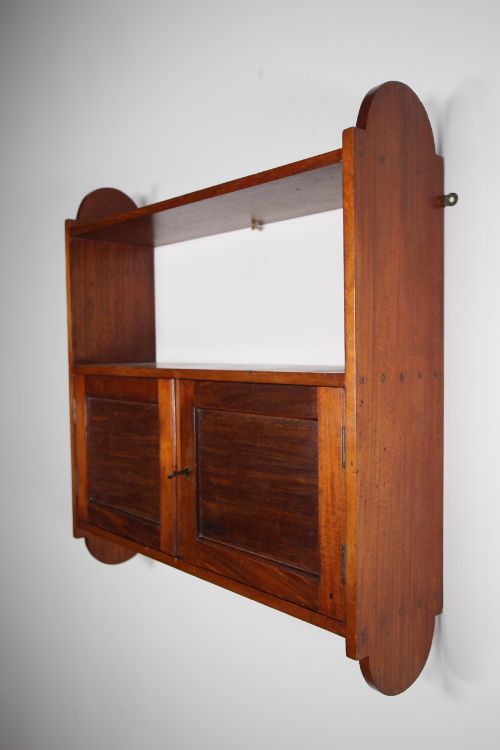
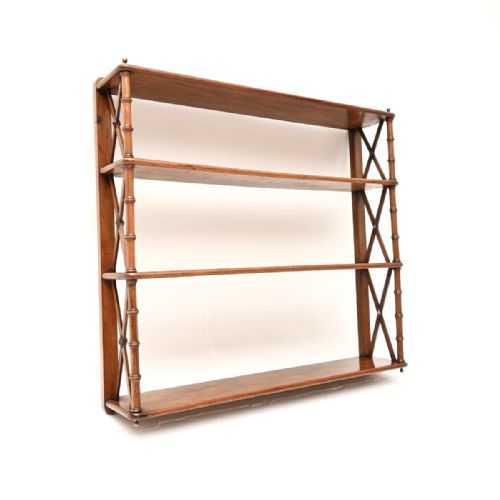
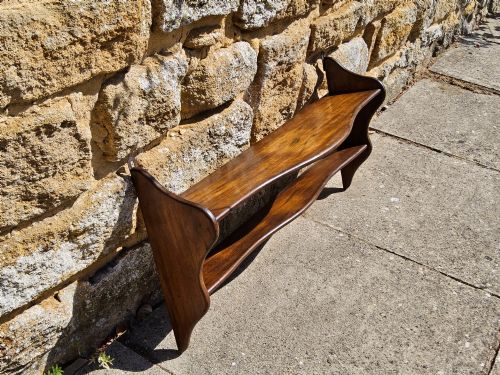
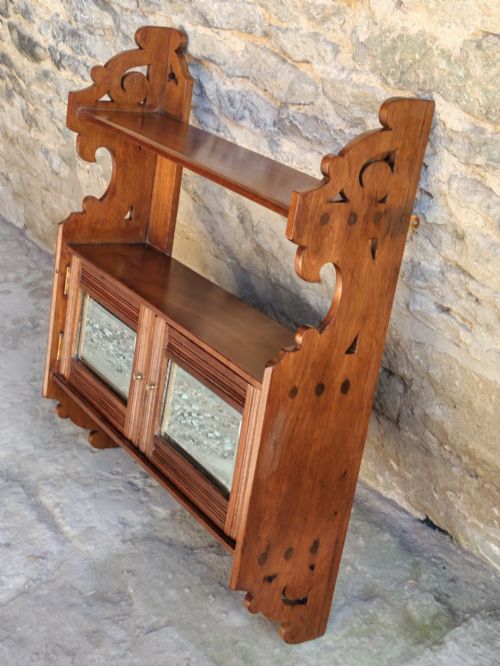
When searching for a walnut hanging shelf, buyers find wall-mounted storage forms designed to keep floor space clear while displaying or housing domestic items. These pieces range from simple open wall shelves and brackets to enclosed cabinets with doors and mirrors.
The selections span several periods, including Georgian, Victorian, Edwardian, and the early twentieth century, showing both English and continental origins. Forms include wall bookcases, key cabinets, and plate racks that suit various domestic rooms.
How they were made
Maker construction relies heavily on walnut timber, often enriched with brass hardware, glass panels, and decorative inlay work such as marquetry. Some pieces incorporate painted finishes or secondary woods like oak.
Joinery techniques serve both structural support for wall hanging and aesthetic display, utilising the natural grain patterns and rich tones characteristic of the timber.
Walnut Hanging Shelf Retail Price Guide 2026
Typical asking prices for walnut hanging shelf among the pieces listed under this phrase on Sellingantiques today, from the lower quarter to the upper quarter. They describe what is for sale here now, not the wider market.
Listings feature walnut timber alongside brass, glass, and inlay across Victorian, Edwardian, and earlier periods.
What varies in quality
Quality distinctions rest on the refinement of the cabinetmaking, the complexity of the timber's grain, and the sophistication of decorative elements like inlay or carved brackets. Pieces attributed to known workshops show superior attention to detail in their joinery and hardware.
The integrity of the original hanging mechanisms and the preservation of surface finishes also separate standard utility items from finer decorative examples.
Heals·Arthur Simpson
The Walnut Hanging Shelf Glossary
- Marquetry
- Decorative veneer patterns applied to furniture surfaces to create pictorial or geometric designs. This technique uses thin slices of various woods to form intricate patterns.
- Whatnot
- A piece of furniture consisting of a set of open shelves for displaying small objects. They are often designed for wall mounting or freestanding use.
- Delft rack
- A set of wall-hanging shelves specifically arranged for displaying ceramic plates and dishes. They feature wooden lips or plate grooves.
- Aesthetic Movement
- A late nineteenth-century design style emphasising visual and material qualities over narrative subject matter. Furniture from this movement prioritises simplicity and artistic craftsmanship.
Walnut Hanging Shelf: Frequently Asked Questions
How do I hang a wall cabinet securely?
Wall-mounted cabinets require sturdy fixings suited to the wall construction, whether plasterboard, brick, or lath and plaster. The weight of the timber and any contents must be supported by appropriate brackets or internal mounting points.
Ensuring the unit is level during installation prevents structural strain on the frame and doors over time.
What rooms suit a hanging shelf?
These pieces function well in hallways for keys and small items, bathrooms for storage and mirrors, or living spaces for books and decorative objects. Their compact footprints maximise vertical wall area without crowding the room.
Matching the period style to the surrounding interior helps integrate the piece naturally.
How do I care for walnut timber?
Walnut benefits from occasional polishing with suitable wax to nourish the wood and maintain its deep lustre. Direct sunlight and sudden temperature changes should be avoided to prevent the timber from drying out or splitting.
Dusting regularly with a soft cloth keeps the surface free of abrasive particles.
How can I tell the period of a shelf?
Dating relies on observing construction methods, timber selection, and stylistic details such as Victorian carving or Arts and Crafts simplicity. Hardware like brass hinges and catches also offer clues to the manufacturing era.
Comparing the overall proportions and design motifs with documented examples helps confirm the period.