



Walnut Desktop Chest
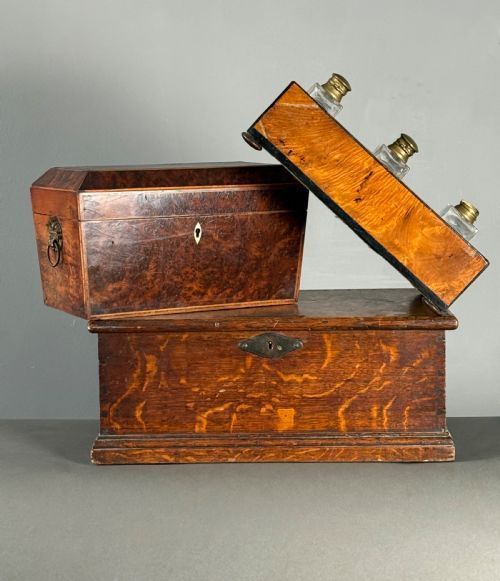
These walnut desktop chest examples are compact storage pieces crafted to hold correspondence, jewellery, or tobacco, offering refined utility for a desk.
Walnut Desktop Chest
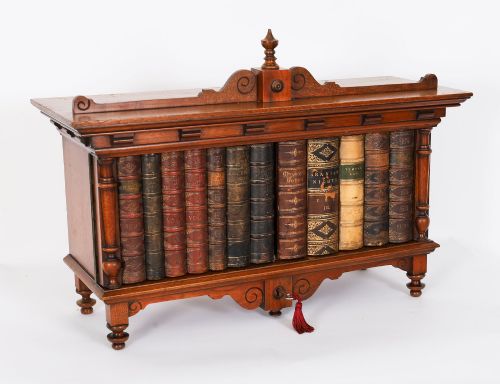
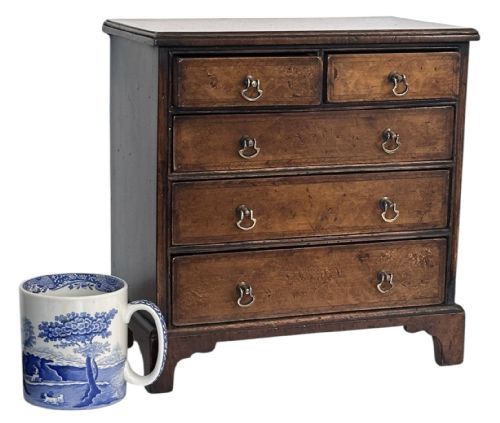
A walnut desktop chest provides small-scale organisational storage designed to sit upon tables, writing desks, or sideboards. When you search for a walnut desktop chest, you encounter varied forms including apprentice chests of drawers, cigar humidors, and specimen cabinets spanning the seventeenth through to the twentieth centuries.
The nineteenth century yields the majority of these pieces, particularly Victorian examples featuring multiple small drawers or locking drop-front doors. Makers also produced table cabinets and miniature furniture items, often configured with brass hardware and fitted compartments for specialised collections.
Earlier variants from the seventeenth and early eighteenth centuries occasionally appear in the archive, demonstrating the enduring appeal of compact table-top cabinetry. Most everyday encounters on this page, however, remain nineteenth-century Victorian productions executed in figured woods.
Materials and construction
Makers constructed these cabinets using solid timber carcases overlaid with decorative veneers, frequently selecting burr walnut for its rich, swirling grain patterns. Satin walnut and plain walnut also occur across the nineteenth-century examples, sometimes combined with secondary woods like oak for drawer linings.
Hardware played both a structural and decorative role, with brass handles, escutcheons, and locking mechanisms fitted to secure valuable contents. Interior fittings occasionally incorporate glass panels, leather lining, or mirrored elements, particularly within jewellery boxes and correspondence chests.
Walnut Desktop Chest Retail Price Guide 2026
Typical asking prices for walnut desktop chest among the pieces listed under this phrase on Sellingantiques today, from the lower quarter to the upper quarter. They describe what is for sale here now, not the wider market.
Object forms recorded in the inventory include miniature furniture, table cabinets, collector cabinets, and cigar humidors fitted with brass and glass elements.
Assessing quality and execution
Quality rests upon the selection of the timber veneer and the precision of its matching across the drawer fronts and top surfaces. Superior examples display carefully chosen burr walnut figures that align symmetrically, while lesser pieces utilise plain timber with less dramatic grain.
Joinery standards and the integration of functional hardware also distinguish superior items. Well-executed locks, flush-fitting drawers, and intact bevelled glass or original brass mounts indicate careful workshop production.
The Walnut Desktop Chest Glossary
- Burr walnut
- A veneer sliced from the growth excrescences of a walnut tree, prized for its complex, swirling grain patterns. Makers applied this timber to the most prominent exterior surfaces of high-status desktop cabinets.
- Apprentice chest
- A small-scale chest of drawers traditionally made by a craftsman to demonstrate mastery of joinery techniques. These pieces mirror the construction methods of full-sized furniture in miniature proportions.
- Table cabinet
- A portable enclosed piece of furniture designed to rest upon a desk or table for storing small valuables. They frequently feature multiple small drawers behind lockable doors.
- Humidor
- A specialised storage container designed to maintain humidity levels for preserving cigars and tobacco. Victorian examples often incorporate fitted cedar interiors and secure brass locks.
- Escutcheon
- A protective plate surrounding a keyhole, usually fashioned from brass on these pieces. It prevents the wood around the lock from sustaining wear and tear during regular use.
Walnut Desktop Chest: Frequently Asked Questions
What were walnut desktop chests used for?
These compact pieces served multiple organisational purposes in the nineteenth home and office. Owners utilised them to secure correspondence, jewellery, small specimens, or cigars.
Their portable nature allowed valuable items to be locked away securely while remaining close at hand on a desk or table.
How do I date a Victorian walnut chest?
Dating relies upon examining construction methods, timber choices, and secondary woods like oak. Victorian pieces often incorporate machine-sawn elements alongside hand-cut dovetails, shifting in style from mid-century robustness to later aesthetic movements.
Reference markers include patent brass locks and specific hardware designs that correspond to documented production decades.
Are apprentice chests genuine miniatures?
Apprentice chests represent scaled-down versions of standard furniture forms created to prove a woodworker's competency. They duplicate full-sized construction techniques precisely, utilising authentic dovetail joints and miniature drawer configurations.
Collectors prize them for their meticulous adherence to standard furniture proportions at a small scale.
How should I maintain burr walnut?
Burr walnut requires stable environmental conditions away from direct sunlight and severe temperature fluctuations to prevent veneer cracking. Gentle dusting with a dry, soft cloth preserves the polished surface.
Occasional application of appropriate wax polish maintains the moisture and lustre of the wood without building up heavy residues.
What is the difference between a humidor and a cabinet?
Humidors specifically feature interior arrangements intended for tobacco storage, sometimes retaining cedar linings or specialised compartments for cigars. Table cabinets offer general drawer storage for documents, jewellery, or natural history specimens.
Both forms utilise similar exterior walnut veneers and lockable doors but serve distinct functional interiors.