



Walnut Cylinder Bureau
A walnut cylinder bureau offers a clever roll-top closure to conceal correspondence, combining fine cabinetwork with practical writing space.
Walnut Cylinder Bureau
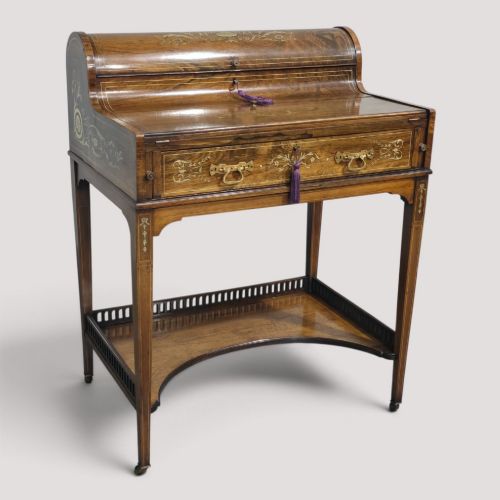
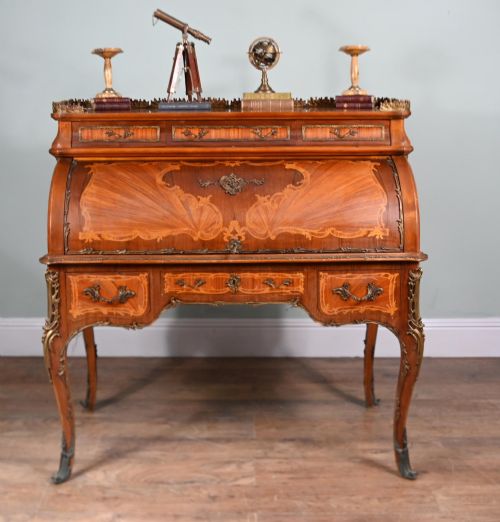
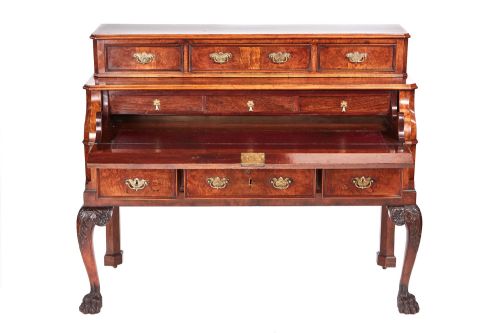
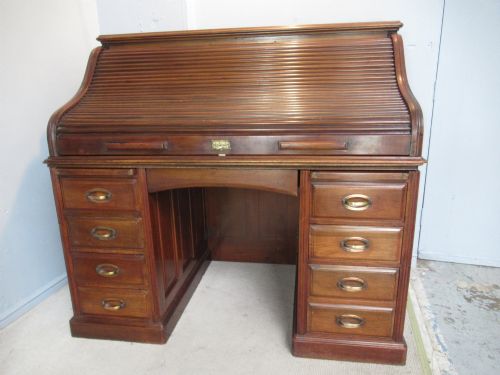
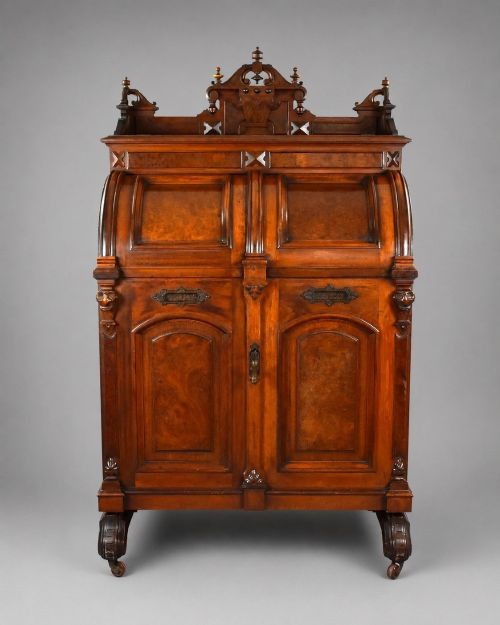
A walnut cylinder bureau is a dedicated writing desk featuring a curved, rotating shutter that conceals the fitted interior and writing surface. The pieces on this page span the eighteenth and nineteenth centuries, taking the form of freestanding desks, bureau bookcases, and compact ladies' writing furniture.
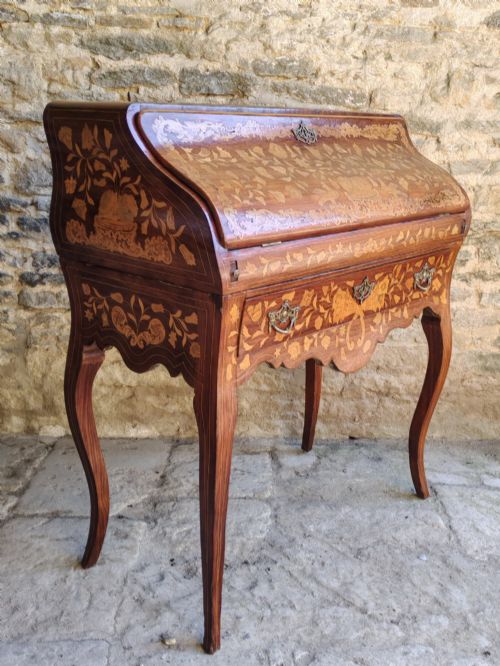
Continental examples show distinct regional traits, with Dutch Baroque and Rococo pieces frequently displaying elaborate floral marquetry and bombe fronts. British and American variations tend to rely on figured timbers, carved details, and substantial proportions rather than extensive inlay.
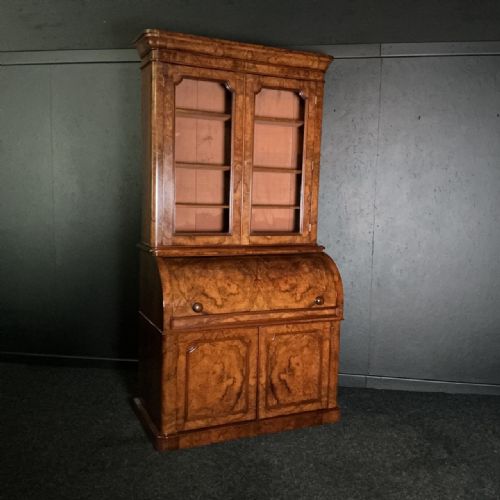
The selection ranges from large architectural bureau bookcases with upper glazed sections down to miniature desks and bonheur de jour forms. Buyers searching for a walnut cylinder bureau will encounter both straightforward Victorian utility desks and highly decorative continental showpieces.
How they were made
Cabinetmakers utilised solid walnut and decorative veneers like burr walnut over secondary structural timbers such as oak and fruitwood. Marquetry panels relied on precise floral and geometric inlay work executed in various contrasting woods.
The characteristic cylinder action required precise parallel tracks and slatted tambour construction or solid curved panels to ensure smooth rotation. Secondary materials like brass handles, leather writing surfaces, and glass panes completed the functional compartments within.
Walnut Cylinder Bureau Retail Price Guide 2026
Typical asking prices for walnut cylinder bureau among the pieces listed under this phrase on Sellingantiques today, from the lower quarter to the upper quarter. They describe what is for sale here now, not the wider market.
Listings feature walnut, burr walnut, fruitwood, and oak, paired with brass hardware and leather writing inserts across the eighteenth and nineteenth centuries.
What varies in quality
Quality rests in the selection of the timber, particularly the grain matching across the curved cylinder front and the intricacy of any marquetry or parquetry. Superior execution is visible in the smooth, binding-free operation of the rolling mechanism and the neatness of internal pigeonholes and drawers.
Construction methods also separate standard production from master craftsmanship, evident in hand-cut dovetails, secondary wood choices, and the retention of original brass hardware and fitted leather surfaces.
Boston Chair Company·Wiggers
The Walnut Cylinder Bureau Glossary
- Cylinder bureau
- A writing desk with a curved, rotating roll-top that encloses the writing surface and interior drawers when closed. This mechanism differs from a traditional fall-front flap by sliding back into the body of the desk.
- Marquetry
- Decorative patterns formed by fitting together thin slices of various wood veneers to create pictorial or floral designs. This technique appears frequently on continental European furniture.
- Bombe
- A swelling, outward-curving profile on the front and sides of a cabinet or desk base. It is a defining characteristic of specific continental baroque styles.
- Bureau bookcase
- A dual-purpose piece combining a lower writing desk with an upper glazed or panelled cabinet for books. These taller constructions often feature adjustable shelving.
- Burr walnut
- Timber harvested from the gnarled growths of walnut trees, yielding highly figured, swirling grain patterns. Cabinetmakers sliced this wood into thin veneers for decorative surfaces.
- Parquetry
- Geometric mosaic woodwork arranged in repeating patterns such as cubes or chequers. It provides a structured contrast to flowing floral marquetry.
Walnut Cylinder Bureau: Frequently Asked Questions
How does a cylinder bureau work?
The curved wooden shutter runs in grooved tracks, rolling backward into the body of the desk when opened. This action simultaneously pulls out the writing slide in certain designs.
Well-adjusted mechanisms glide smoothly without catching, allowing quick access to the internal compartments while keeping correspondence securely enclosed when shut.
Where were marquetry cylinder bureaus made?
Many heavily inlaid examples originate from continental workshops, particularly in the Netherlands and Italy, during the eighteenth and nineteenth centuries.
These pieces often feature elaborate floral marquetry, burr walnut veneers, and bombe front profiles that distinguish them from simpler British domestic furniture.
How do I care for walnut veneer?
Walnut furniture requires a stable indoor environment away from direct sunlight and heat sources to prevent timber shrinkage and veneer lifting. Maintaining consistent relative humidity protects the delicate glues used historically.
Applying a traditional beeswax polish periodically helps nourish the wood surface and preserves the depth of the grain without building up heavy chemical residues.
What is a bureau bookcase?
A bureau bookcase is a tall, combined furniture form featuring a lower cylinder desk section topped by a glazed or panelled storage cabinet. These large pieces served as both working desks and personal libraries.
They offer substantial storage capacity while maintaining a formal architectural presence within a room.