




Walnut Cupboard Display Shelves
These walnut cupboard display shelves combine timber storage and open ledges, offering a practical way to display and enclose possessions.
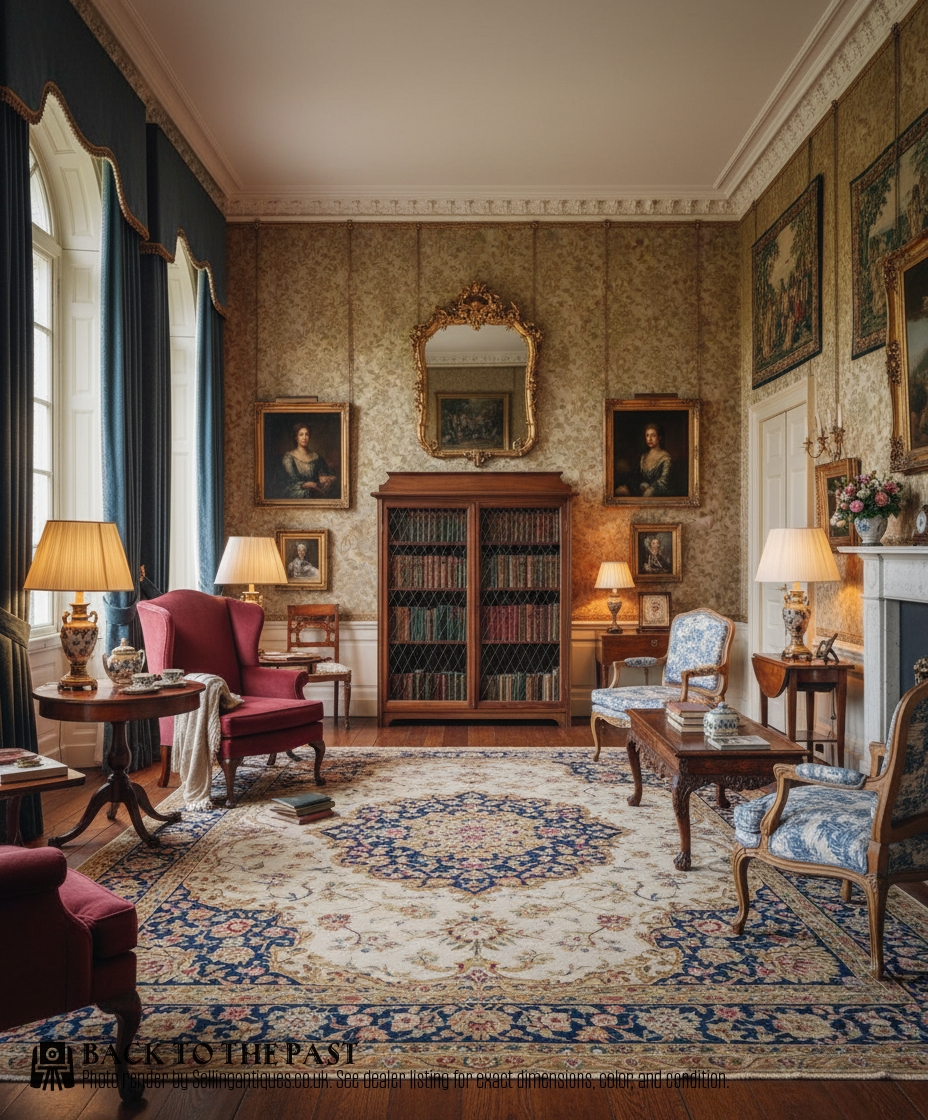
Walnut Cupboard Display Shelves
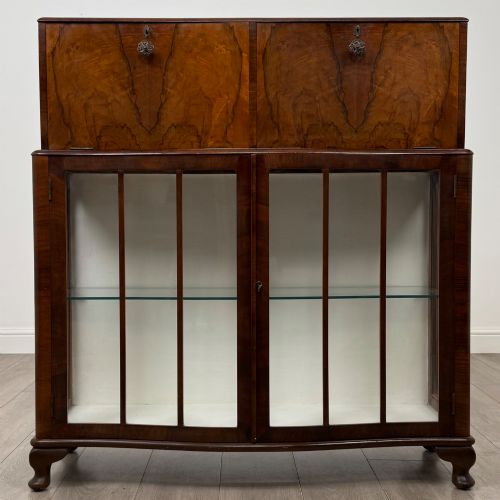
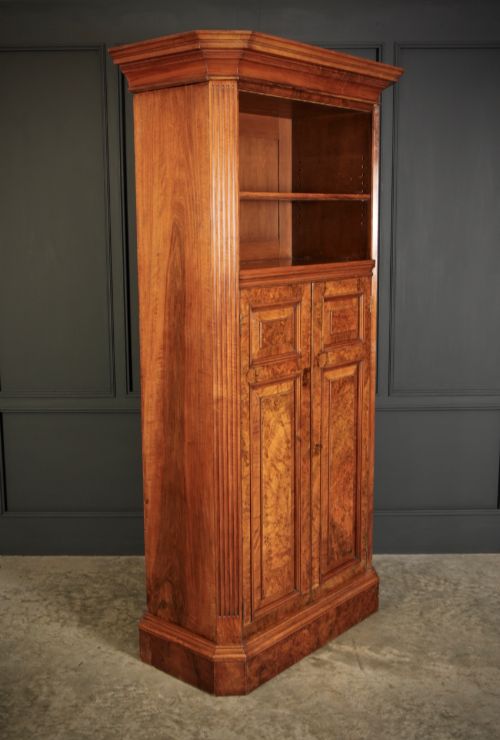
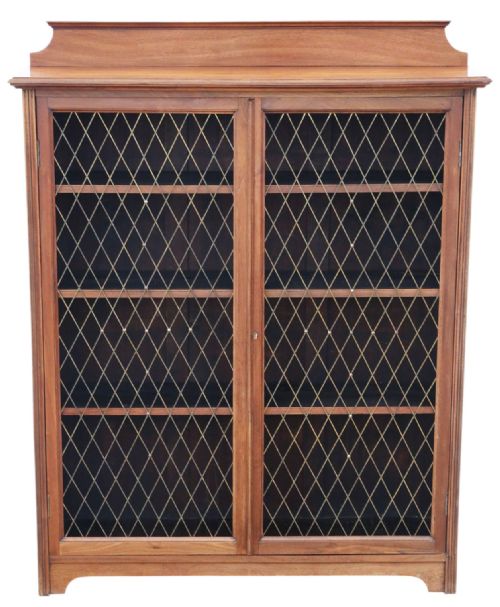
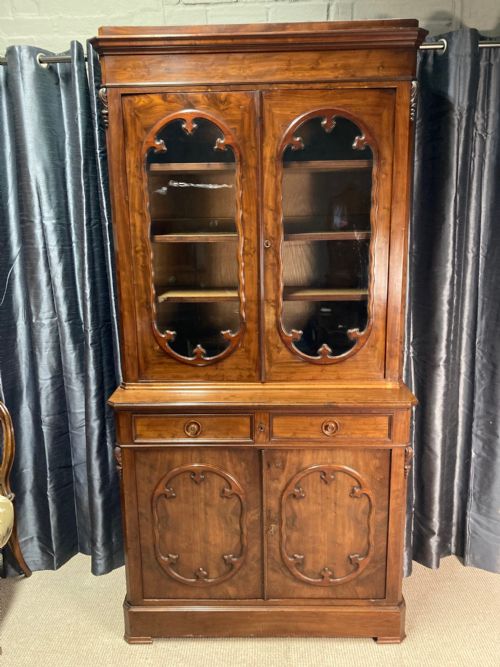
When you search for walnut cupboard display shelves, you are looking at combinations of enclosed storage and open surfaces for holding books or decorative items. The pieces appearing here span Victorian, Edwardian, and Art Deco periods, alongside 18th century Italian examples and 19th century items.
Forms range from hanging wall shelves and side cabinets to large bookcases with adjustable display shelves and two-part bookcase cabinets. You will frequently encounter Victorian and Edwardian iterations featuring glazed doors or mounted whatnot designs alongside burr walnut surfaces.
Materials and construction methods
Makers utilised walnut, burr walnut, and walnut veneer across timber frameworks, often highlighting the natural grain patterns of the wood. Surfaces were frequently paired with glass panels for display doors and brass hardware for hinges and handles.
Additional materials include sycamore accents on Art Deco pieces, mirrored elements within wall shelves, and specialised joinery to support adjustable shelving inside the cabinets.
Current listings feature walnut, burr walnut, and walnut veneer paired with brass, glass, and mirror.
Assessing quality and craftsmanship
Quality rests in the choice of wood veneers, particularly the figuring found in burr walnut surfaces, and the precision of the joinery on display cabinets and bookcases. Finer examples display careful attention to timber selection across large panels and doors.
The sophistication of the hardware, such as brass fittings, and the integration of functional elements like adjustable shelves distinguish standard storage from superior examples of the cabinetmaker's art.
Epstein·Druce & Co·Liberty & Co.
The Walnut Cupboard Display Shelves Glossary
- Burr walnut
- A type of wood figure taken from the growth burls of the walnut tree, prized for its swirling patterns. It is frequently utilised on the primary doors and panels of fine cabinets.
- Pier cabinet
- A low freestanding cabinet designed to sit against the wall space between windows. These pieces often feature glass doors and internal display shelves.
- Aesthetic Movement
- A late 19th century design style focusing on visual beauty rather than narrative or moral function. Cabinets from this movement show distinctive artistic sensibilities.
- Whatnot
- An open set of multi-tiered shelves used for displaying ornaments and small objects. Some variants include a small enclosed cupboard section.
- Two-part bookcase cabinet
- A large storage item constructed in separate upper and lower sections. This design aids in transportation and installation within domestic rooms.
Walnut Cupboard Display Shelves: Frequently Asked Questions
What periods do these cabinets come from?
The available pieces span multiple eras, including Victorian, Edwardian, and Art Deco periods, as well as 19th century and 18th century Italian works.
Each period brings distinct stylistic traits, from ornate Victorian carving to clean Art Deco geometric lines.
How do I use a wall hanging shelf cabinet?
These cabinets mount directly to a wall, combining a small enclosed cupboard with open surfaces underneath or beside it.
They serve well in smaller rooms where floor space is limited, holding ceramics, books, or decorative objects.
Are the shelves inside adjustable?
Several bookcases and display cabinets feature adjustable shelves to accommodate varying book heights and display items.
This adaptability allows you to reconfigure the internal space according to your specific storage needs.
What is burr walnut?
Burr walnut is a specialised timber cut from irregular growths on walnut trees, resulting in dense, swirling grain patterns.
Cabinetmakers utilised this veneer on prominent exterior surfaces to create rich visual texture.
How do I distinguish an Edwardian piece from a Victorian one?
Victorian items often display heavier proportions, darker finishes, and more elaborate ornamentation. Edwardian pieces tend to feature lighter construction and simpler lines.
Examining the interior timber and overall scale helps clarify the production era.