





Walnut Crafting Cabinet
These walnut crafting cabinet pieces combine storage and workspace in figured timber, offering genuine period utility for the modern home.
Walnut Crafting Cabinet
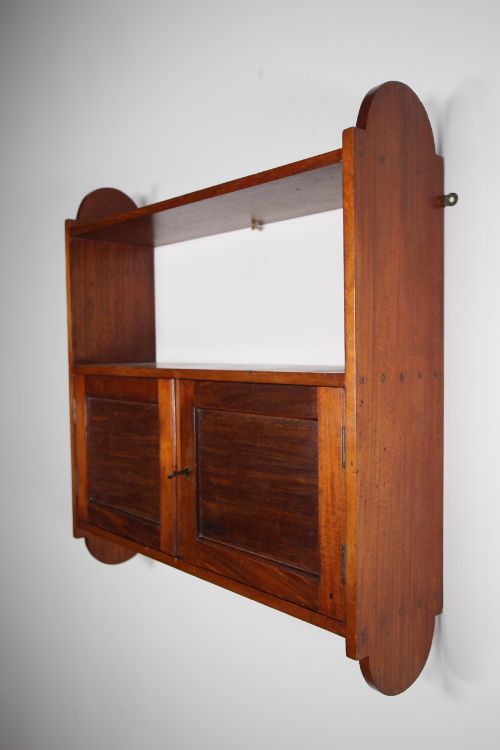
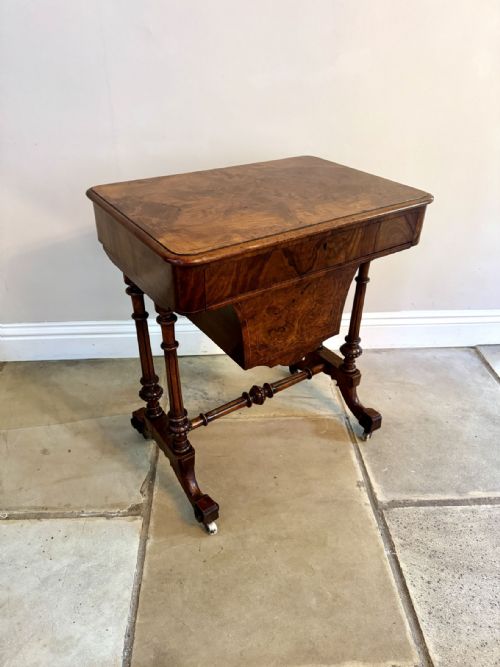
A walnut crafting cabinet brings together the functional forms of the nineteenth and early twentieth centuries, spanning work tables, sewing tables, writing desks, and wall cabinets. When you search for a walnut crafting cabinet, you encounter versatile furniture pieces designed for specific domestic tasks, from needlework to document storage.
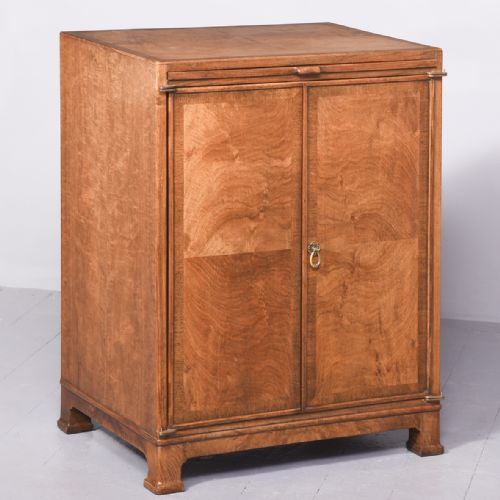
The selections on this page draw from Victorian, Edwardian, and early twentieth-century periods, including specific Arts and Crafts designs. These items range from wall-mounted cupboards and floor-standing bookcases to specialised folio cabinets and folding work tables.
Makers and workshops from London, Edinburgh, and beyond produced these pieces in solid walnut and burr walnut, often incorporating brass hardware, glass panels, and internal fabric linings. Each piece reflects the functional requirements of its era, combining compartmentalized storage with display surfaces.
How they were made
Cabinet makers utilised solid walnut and burr walnut veneers over secondary timbers such as oak and mahogany to achieve rich grain patterns and durable structures. Timber selection prioritized figured surfaces, particularly for door panels and top surfaces where the natural grain figure became a primary decorative element.
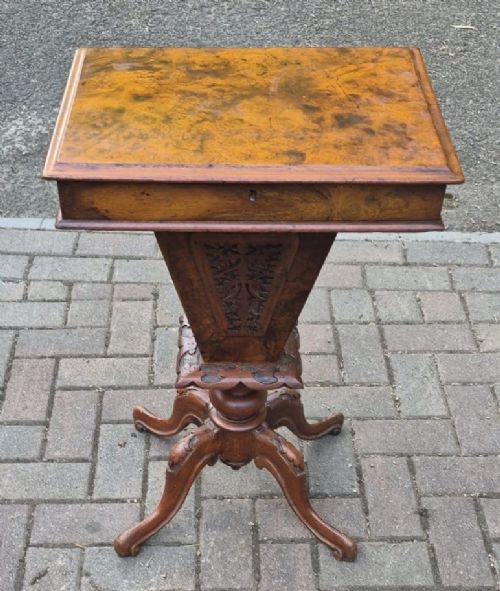
Construction techniques combined traditional joinery with functional hardware in brass and lead, alongside textile components for specialised interior compartments. Carved details appeared on Victorian work tables, while Arts and Crafts pieces favored clean lines that highlighted the natural qualities of the wood.
Walnut Crafting Cabinet Retail Price Guide 2026
Typical asking prices for walnut crafting cabinet among the pieces listed under this phrase on Sellingantiques today, from the lower quarter to the upper quarter. They describe what is for sale here now, not the wider market.
Some sewing tables hide ingenious compartments designed exclusively for storing spools of silk and tiny ivory crochet hooks.
What varies in quality
Quality in these pieces rests upon the selection of the walnut timber, particularly the choice of burr walnut veneers and the crispness of any hand-carving. Superior examples display thoughtful grain matching across drawer fronts and doors, showing deliberate aesthetic planning by the maker.
The integration of specialised hardware, such as brass hinges, locks, and folding mechanisms, distinguishes standard domestic items from pieces produced by notable workshops and retail furnishers. Construction depth, including the use of solid secondary timbers in drawer linings, indicates the standard of workshop production.
Heals·Arthur Simpson·Whytock and Reid·Gregory and Co
The Walnut Crafting Cabinet Glossary
- Burr walnut
- A veneer sliced from the knotty growth of a walnut tree, prized for its swirling, highly figured grain pattern. Cabinet makers used it on prominent exterior surfaces to create striking visual movement.
- Escritoire
- A small writing desk featuring a sloping or drop-front writing surface that conceals pigeonholes and small drawers. These fitted compartments served for correspondence and the organisation of papers.
- Folio cabinet
- A specialised piece of furniture designed to store large flat sheets of paper, prints, or documents. Internal sliding shelves or vertical partitions kept delicate papers flat and protected.
- Arts and Crafts
- A design movement emphasising handcraftsmanship, simple forms, and the natural qualities of materials. Pieces from this style often feature exposed joinery and minimal applied ornament.
Walnut Crafting Cabinet: Frequently Asked Questions
What is a walnut crafting cabinet?
A walnut crafting cabinet encompasses specialised furniture used for hobbies, sewing, writing, and storage, constructed primarily from walnut timber.
These pieces range from wall-mounted cupboards to multi-drawer work tables and writing desks produced during the nineteenth and early twentieth centuries.
How do I date a walnut cabinet?
Dating relies on stylistic clues, construction methods, and hardware, shifting from ornate Victorian carving to simplified Arts and Crafts forms.
Earlier nineteenth-century pieces often display heavier proportions and applied ornamentation, while later examples from the nineteen-twenties favor cleaner architectural lines.
Where were these cabinets made?
Production centres included London and Edinburgh, alongside notable regional workshops and international makers operating in the late nineteenth and early twentieth centuries.
Prominent retailers and cabinet-making firms stamped or labelled their output, connecting specific pieces to documented workshops.
How do I care for walnut furniture?
Walnut benefits from stable room environments away from direct sunlight and excessive heat sources to prevent timber movement and veneer cracking.
Regular dusting with a soft, dry cloth preserves the polished surface, avoiding silicone-based polishes that build up on antique finishes.