


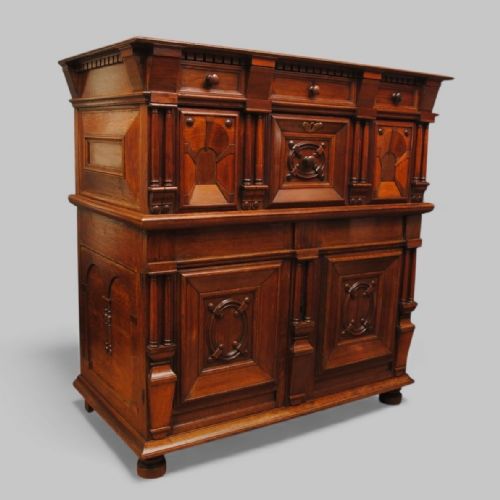


Walnut Carved Panels
These walnut carved panels bring depth and rich grain to a room through centuries of European joinery.
Walnut Carved Panels
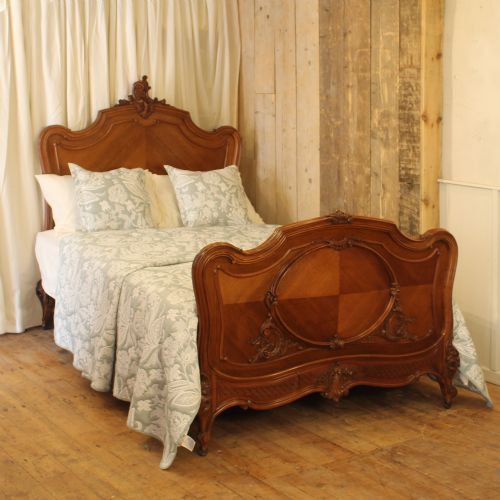
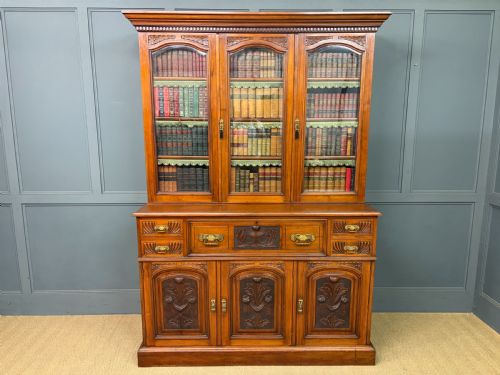
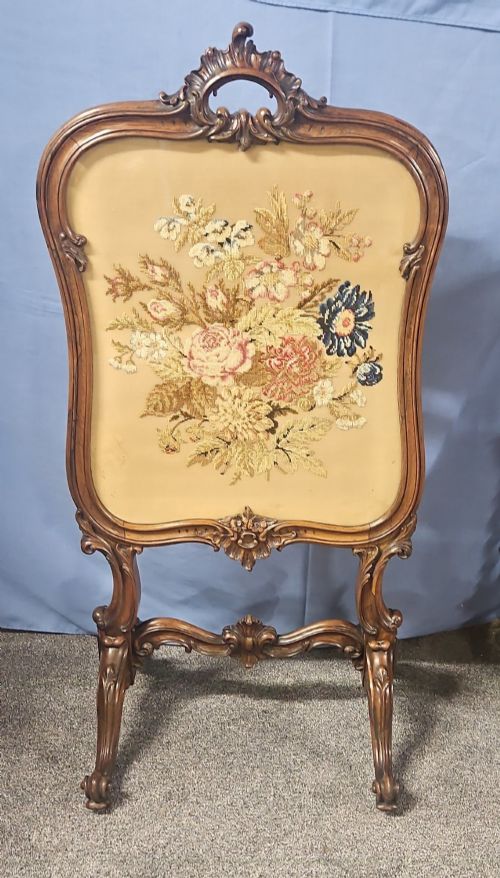
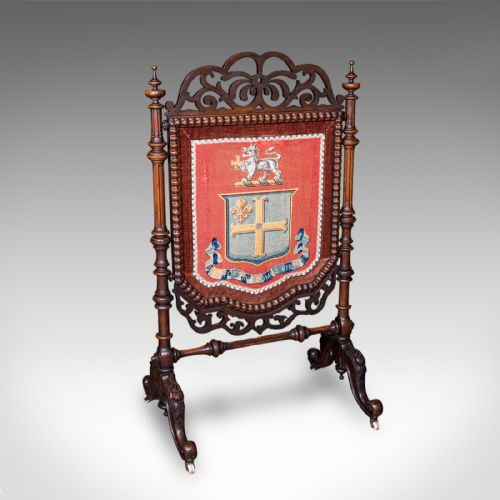
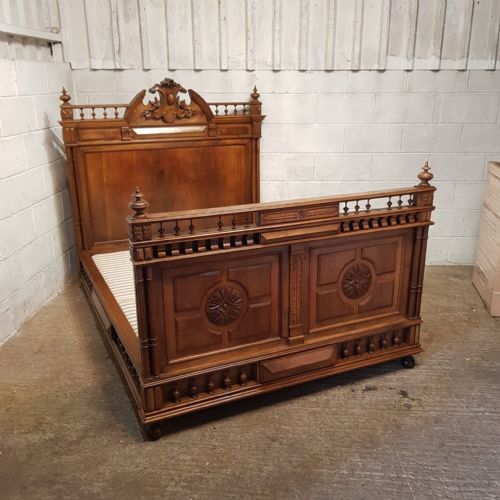
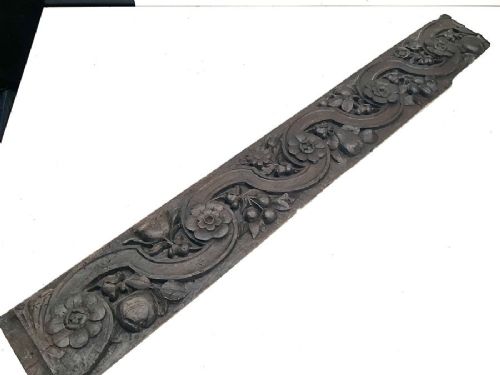
When you search for walnut carved panels, you find architectural elements, furniture inserts, and decorative friezes spanning from the seventeenth century to the twentieth. The examples here emerge primarily from French, Italian, and English workshops, appearing as standalone architectural salvage, cabinet doors, screen inserts, and bed headboards.
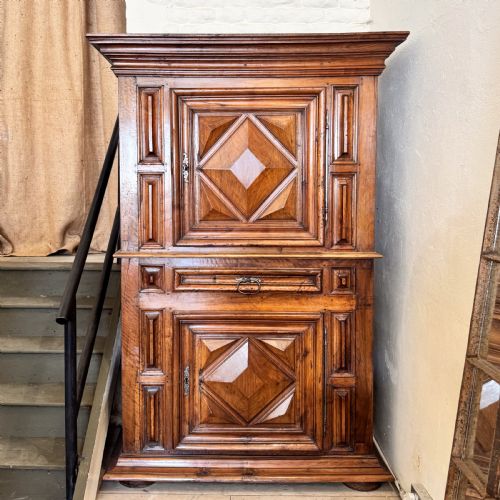
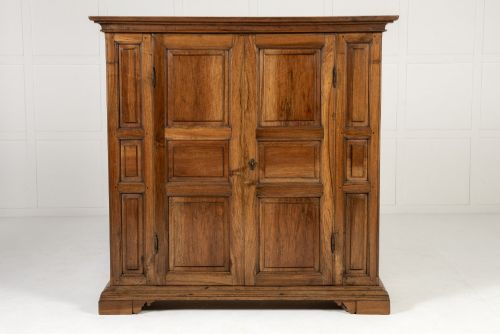
The material ranges from plain timber to burr walnut and is frequently integrated into larger forms such as cupboards, wardrobes, and screens. Many pieces show the influence of Renaissance Revival, Baroque, and Arts and Crafts styles, reflecting the decorative priorities of their respective periods.
How they were made
Carpenters and carvers shaped these pieces using solid timber such as walnut, often supplemented by secondary woods like oak, ash, and fruitwood. Hand tools allowed craftsmen to achieve deep relief work, intricate mouldings, and figural scenes directly into the grain.
Surface detailing frequently incorporated brass hardware, glass panels, and painted or embroidered woolwork inserts. French and Italian pieces often relied on elaborate hand-carved motifs, ranging from pastoral scenes to classical architectural details.
One exceptional nineteenth-century German panel depicts a detailed hunting scene featuring a carved horse relief from the Black Forest.
What varies in quality
The standard of the carving dictates the distinction between ordinary joinery and exceptional work. Crispness in the undercut details and proportion in figurative scenes separate standard production items from significant architectural commissions.
The choice of timber grain also influences the piece, with richly figured burr walnut commanding attention over plain stock. The integration of original supplementary materials, such as needlepoint tapestries or painted leather panels, further defines the standing of an item.
Gregory & Co. of London
The Walnut Carved Panels Glossary
- Burr walnut
- A veneer or timber section taken from a tree growth where the grain has swirled into intricate patterns. This figure was prized for cabinet doors and panel inserts.
- Needlepoint
- A type of canvas work embroidery often seen inset into wooden frames and screen panels. It provides textile contrast to carved wooden surfaces.
- Architectural salvage
- Elements removed from buildings, including doors, wall panels, and chimney surrounds. These pieces are often repurposed as standalone decorative wall art.
- Parquetry
- Geometric wood mosaic work used for decorative surfaces on beds and cabinets. Small pieces of timber are arranged to create repeating patterns.
Walnut Carved Panels: Frequently Asked Questions
How do I hang a heavy carved panel?
Heavy architectural fragments require secure fixing directly into wall studs or masonry using appropriate metal brackets. Ensure the weight is evenly distributed across the structural frame of the panel.
Consult a professional joiner if the panel lacks built-in hanging points, as improper mounting can strain historical timber joints.
Can these panels be used outdoors?
Interior walnut pieces are not seasoned to withstand direct exposure to rain, frost, and fluctuating outdoor humidity. Moisture causes historic walnut to warp, split, and degrade the carved details.
Keep these items within climate-controlled interior spaces to preserve the timber and any applied decorative finishes.
How do I clean carved walnut?
Dust the deep recesses of the carving regularly using a soft, dry brush to prevent dirt accumulation. Avoid liquid cleaners and silicone-based polishes that can damage historic patinated surfaces.
Apply a microcrystalline wax occasionally to nourish the wood and maintain a protective barrier against atmospheric changes.
What is the difference between 17th and 19th-century styles?
Seventeenth-century panels typically display heavier, deep-relief carving with formal geometric, religious, or heraldic motifs typical of the Tudor and Baroque periods. Nineteenth-century pieces often revive these earlier styles with lighter proportions and machine-assisted joinery.
Examining the tool marks on the reverse side of the timber usually clarifies the manufacturing era.