



Virgin and Child Painting
A virgin and child painting is a devotional work capturing the Madonna and infant Jesus, sought by collectors for its rich theological iconography and painterly heritage.
Virgin and Child Painting
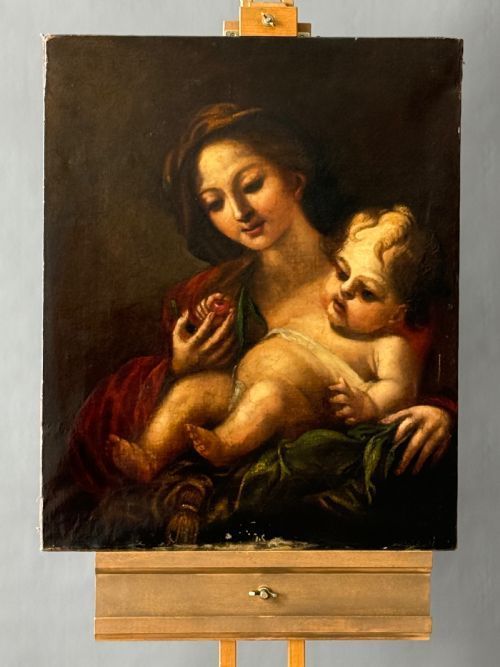
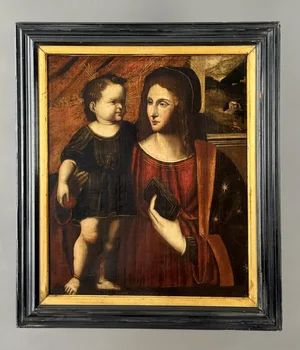
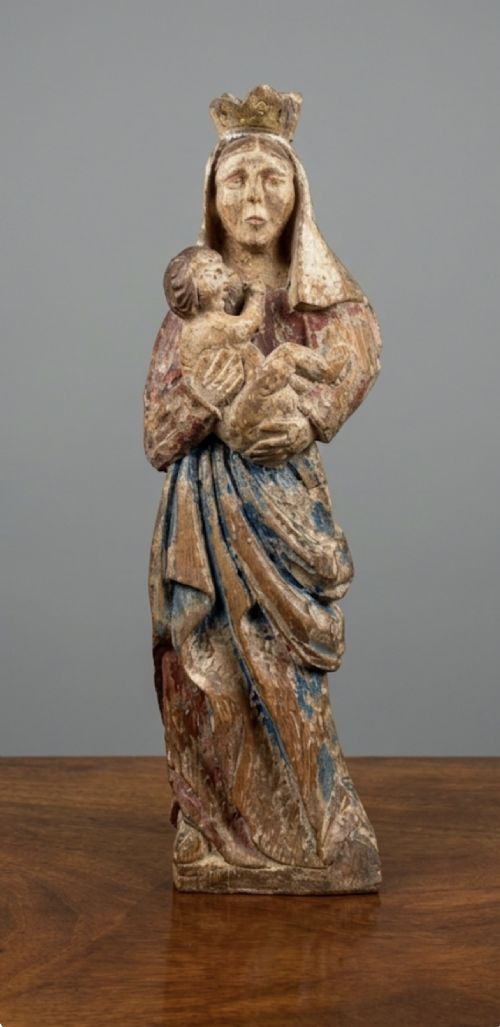
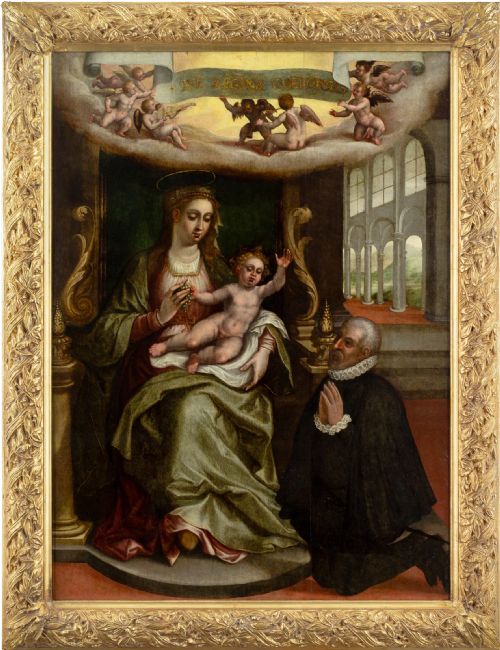
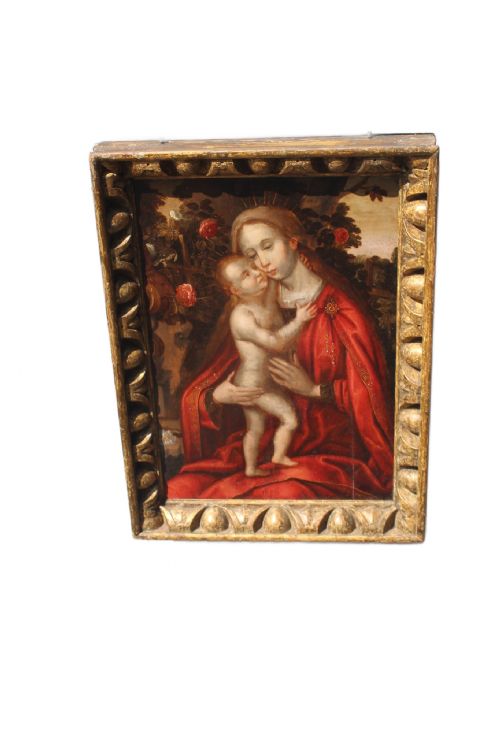
A virgin and child painting depicts the Madonna and infant Jesus, originating primarily from European workshops across the sixteenth, seventeenth, and eighteenth centuries. These works emerge as oils on canvas or wood panel, alongside carved wood figures and ceramic devotional plaques.
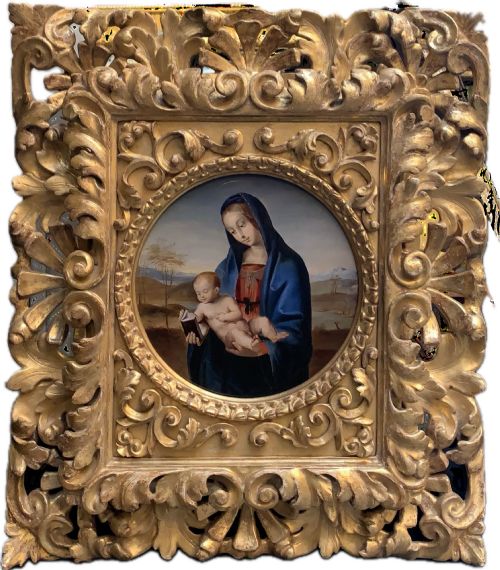
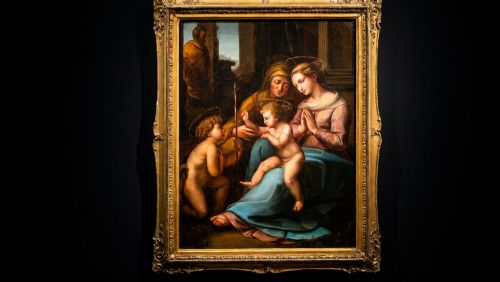
Buyers encounter many pieces created after Renaissance and Baroque masters such as Raphael, Murillo, and Batoni, or produced within regional Italian and Spanish schools. These range from intimate devotional panels to large-scale gallery canvases.
The iconography frequently places the figures within domestic or garden settings, sometimes accompanied by saints or angels. This imagery spans periods from the Gothic era through to Edwardian and early twentieth-century interpretations.
Materials and construction
Artists painted primarily using oil on woven canvas or prepared wood panels, building rich surfaces with layered pigments. Many works incorporate gold leaf and gilt elements to highlight halos and sacred drapery.
Sculptural variants and panels utilise carved wood, occasionally painted or housed within protective metal oklad coverings. Frames often feature carved and giltwood construction suited to the period of the artwork.
The inventory records pieces from Italian, Spanish, and Russian schools, including numerous works created after Raphael.
Assessing quality and execution
Quality rests upon the subtlety of brushwork in the faces of the Madonna and child, distinguishing studio output from later decorative copies. The handling of drapery folds and light sources reveals the painter's command of form.
The integrity of the original wood panel or canvas support directly influences the standing of a piece. Finer examples retain their original gilding and surface varnish without excessive modern repainting.
Miguel Barroso·Francesco Solimena·Reynard Le Vieux·Pompeo Batoni
The Virgin and Child Painting Glossary
- Oil on canvas
- A painting medium where pigments suspended in drying oils are applied to a stretched cloth support. This technique allowed artists to achieve rich colour blending and deep shadow effects.
- Giltwood
- Wood carved and covered with a thin layer of gold leaf or gold paint. It frequently appears on period frames designed to complement religious artwork.
- Wood panel
- A flat wooden board prepared with gesso to receive oil paint. It serves as a rigid support common in earlier European painting traditions.
- Devotional plaque
- A small portable religious object intended for private prayer. These pieces appear in ceramic and carved materials.
- Oklad
- A metal cover placed over an icon, leaving only the faces and hands visible. It protects the painted surface while displaying precious metalwork.
Virgin and Child Painting: Frequently Asked Questions
What is a virgin and child painting?
A virgin and child painting is a sacred artwork depicting the Madonna and the infant Jesus. These pieces served as focal points for personal devotion and contemplation in domestic and religious settings.
They reflect the stylistic shifts of European art history, moving from strict devotional iconography towards naturalistic portraiture across several centuries.
How were these paintings displayed originally?
These works were hung in private chapels, domestic chambers, or churches to aid in prayer. Many were framed in elaborate giltwood to mark their sacred status.
Smaller panels and plaques allowed owners to transport their devotional objects or mount them closely within intimate prayer spaces.
Are these paintings originals or copies?
The selection includes period originals by named artists or regional schools, alongside works executed after famous masters such as Raphael or Murillo. Studio pieces and later follower works also form part of the tradition.
Each category represents a different tier of historical and artistic production within European painting history.