


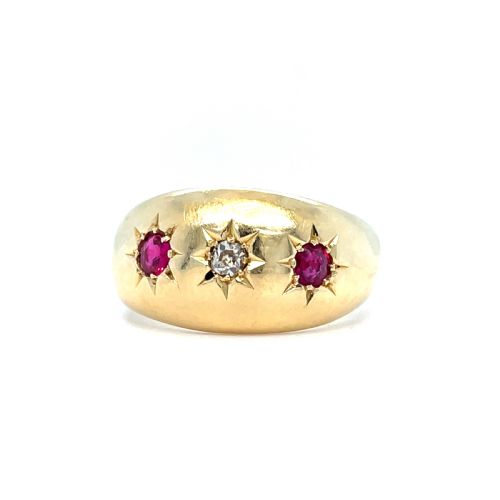
Vintage Yellow Gold Band
A vintage yellow gold band brings together warmth of hue and historical weight, offering enduring appeal for anyone seeking a ring with a distinct past.

Vintage Yellow Gold Band
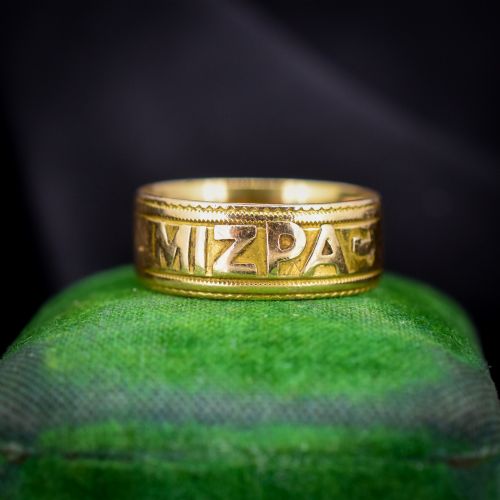
A vintage yellow gold band encompasses simple wedding rings and decorated ring formats shaped across the nineteenth and twentieth centuries.
Pieces span decades from the Victorian era through Edwardian times and into mid-century modern periods, reflecting shifting tastes in jewellery design.
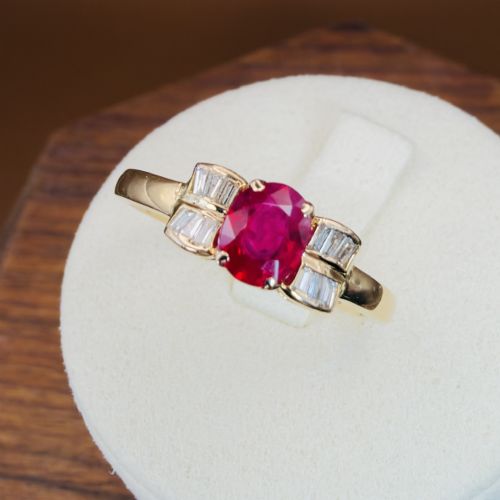
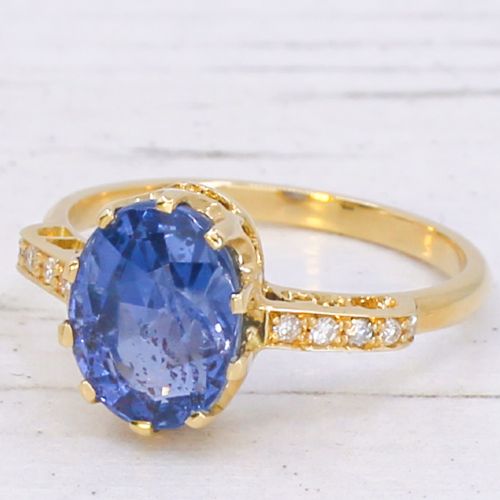
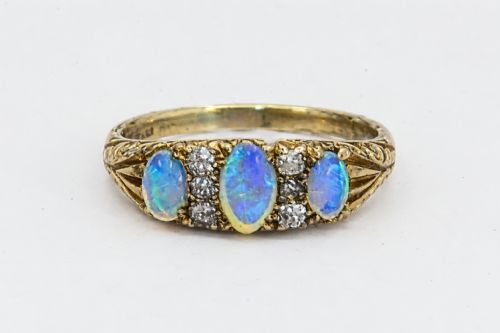
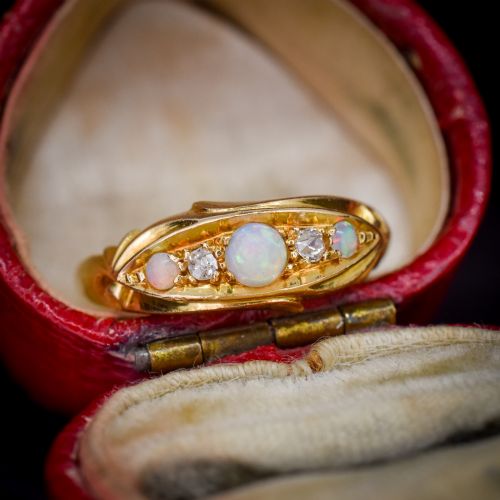
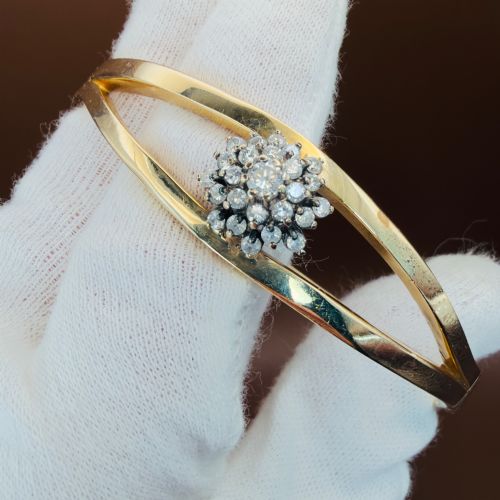
Simple plain bands sit alongside elaborate variants set with diamonds, rubies, sapphires and opals, offering varied profiles for daily wear.
Materials and construction methods
Goldsmiths worked primarily in 18ct yellow gold, alongside high-purity 22ct gold for traditional wedding bands and lower 9ct or 14ct alloys.
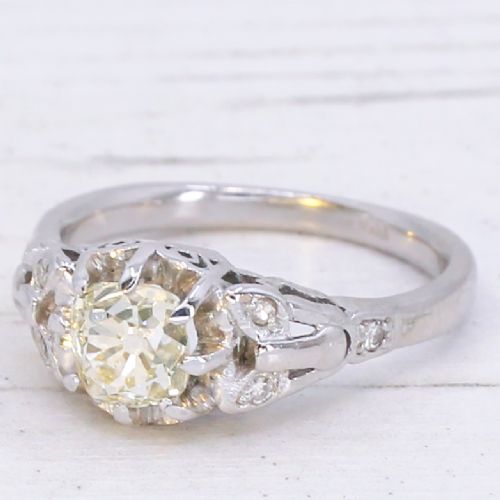
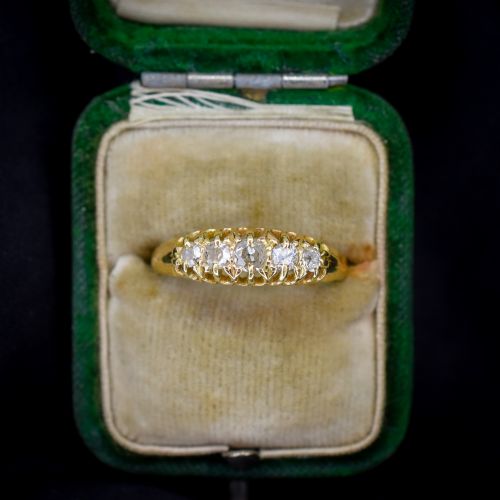
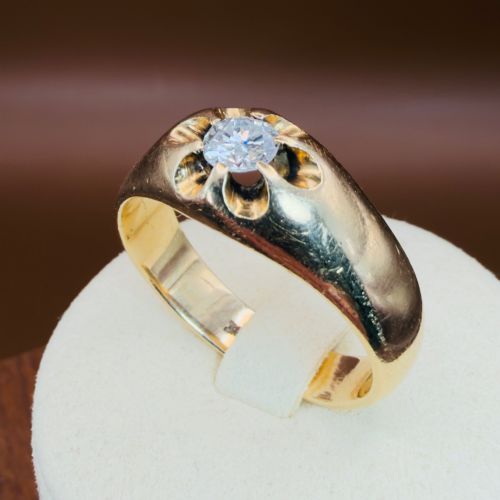
Gemstones including old cut diamonds, rubies and natural opals were secured using starburst settings, gypsy mountings, or platinum claw settings.
Snake motifs coiled around vintage yellow gold bands to symbolise eternal love and wisdom in Victorian jewellery design.
Factors that define distinction
The clarity and cut of set diamonds, alongside the depth and colour saturation of rubies and sapphires, set individual pieces apart.
The weight of the gold band and the crispness of any engraved or hallmarked details indicate the level of initial craftsmanship.
The Vintage Yellow Gold Band Glossary
- Gypsy ring
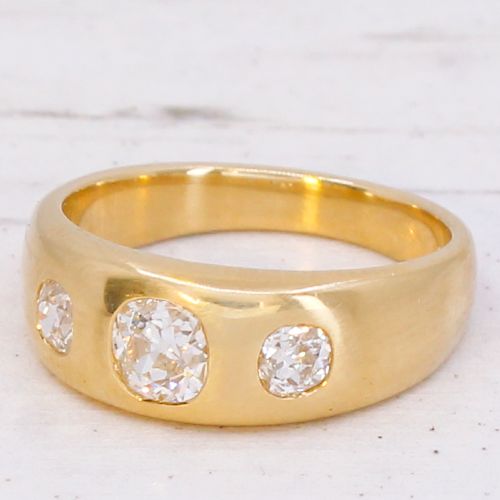
- A style where gemstones are flush-set directly into the thick band of the metal. This technique creates a smooth surface profile popular in the late nineteenth and early twentieth centuries.
- Old cut
- A diamond cutting style preceding modern round brilliants, characterised by a smaller table, higher crown and larger culet. These stones catch candlelight with a distinct warm glow.
- Trilogy ring
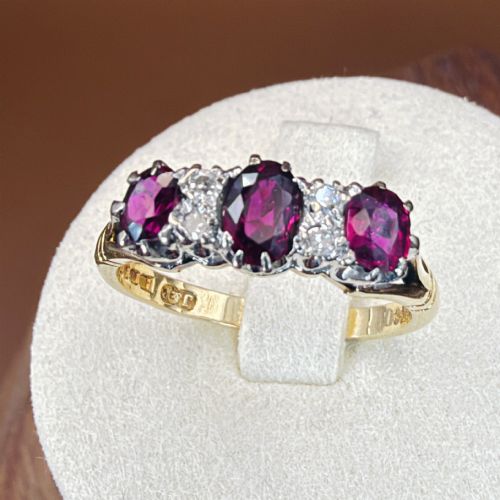
- A ring featuring three main gemstones arranged in a row, traditionally symbolising the past, present and future. They frequently combine diamonds with rubies or sapphires.
- Hallmark
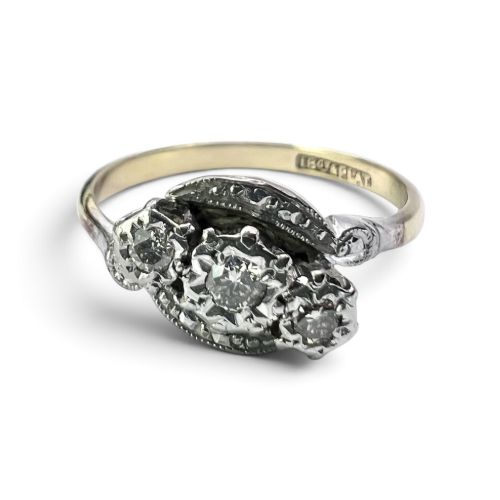
- An official stamp applied by an assay office indicating metal purity and year of manufacture. British marks often include town symbols and date letters.
- Boat ring
- A ring featuring an elongate navette or boat-shaped setting that sits horizontally across the finger. They often combine multiple small diamonds with coloured stones.
Vintage Yellow Gold Band: Frequently Asked Questions
How do I know the age of my ring?
Assay office hallmarks stamped inside the band often provide specific date letters and town marks that narrow down the year of creation.
Stylistic elements like old cut diamonds and specific stone settings also point to periods such as the Edwardian era or the late nineteenth century.
Can I wear a vintage band every day?
Solid gold bands, particularly heavier 22ct wedding rings, stand up well to daily wear and regular use.
Pieces set with softer stones like opals or pearls require more care to protect the gems from knocks and scratches.
What is the difference between 18ct and 22ct gold?
Gold purity determines the colour intensity and softness of the metal in antique bands. Higher purity 22ct gold offers a richer, deeper yellow hue but is softer than 18ct gold.
Alloying 18ct gold with other metals increases durability for rings that incorporate gemstone settings.
Are these rings resizeable?
Most plain gold bands can be altered by a skilled jeweller who adds or removes a small section of metal.
Rings with continuous gemstone settings or extensive engraving require careful evaluation to avoid damaging the surrounding design.