


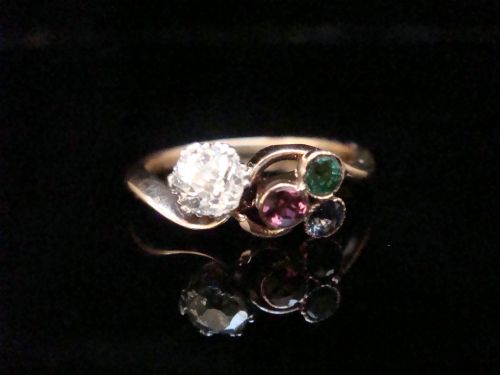
Vintage Yellow Gemstone Ring
A vintage yellow gemstone ring brings together warm gold and sunlit stones from the Victorian, Edwardian and mid-century eras.
Vintage Yellow Gemstone Ring
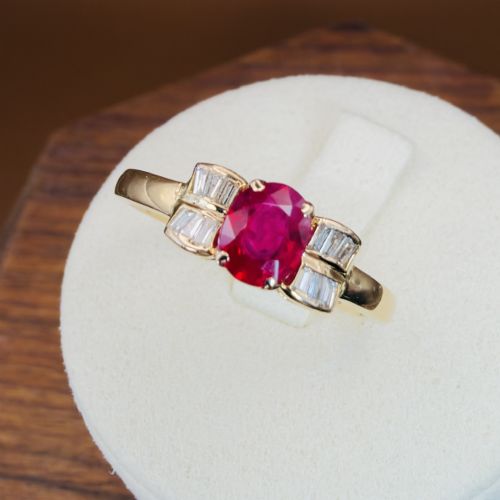
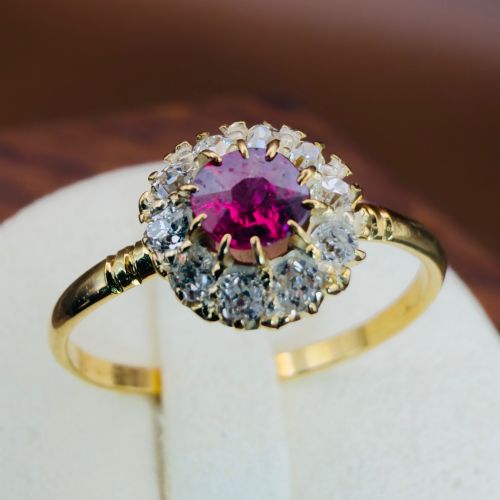
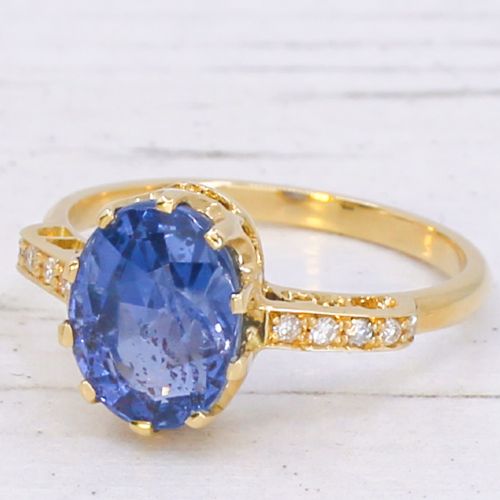
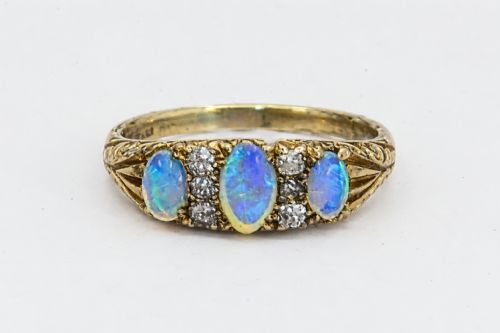
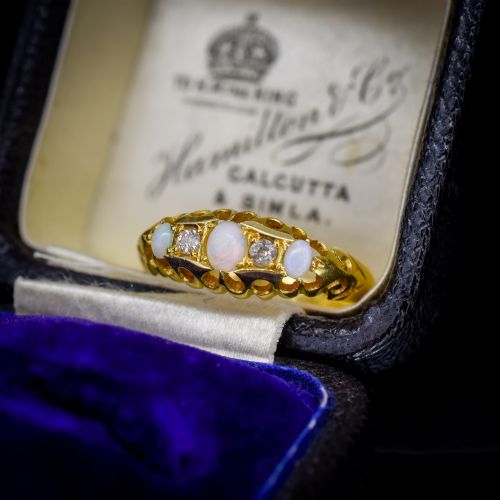
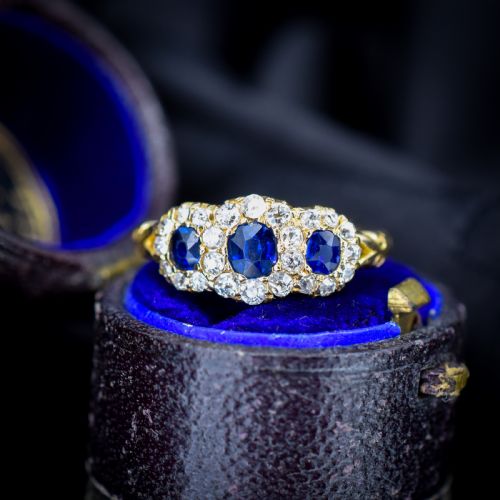
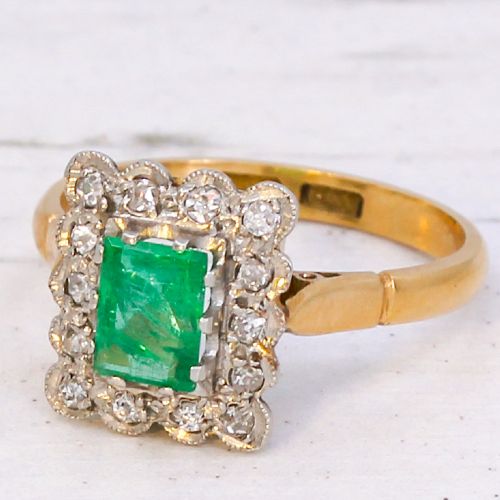
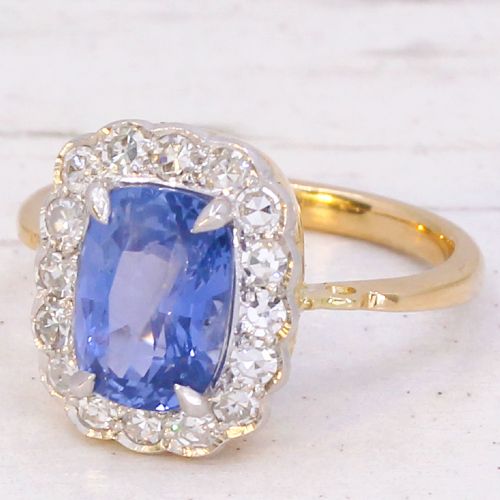
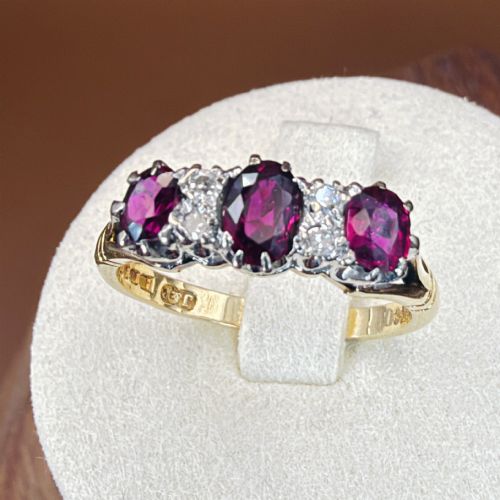
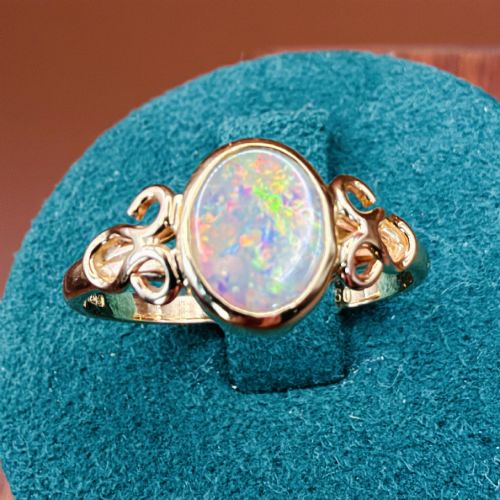
A vintage yellow gemstone ring encompasses diverse forms ranging from sparkling diamond and sapphire clusters to smooth cabochon opals and citrines set in gold bands. Most pieces met on this page date from the Victorian, Edwardian, and mid-century periods, showcasing traditional stone cuts alongside rich yellow metal.
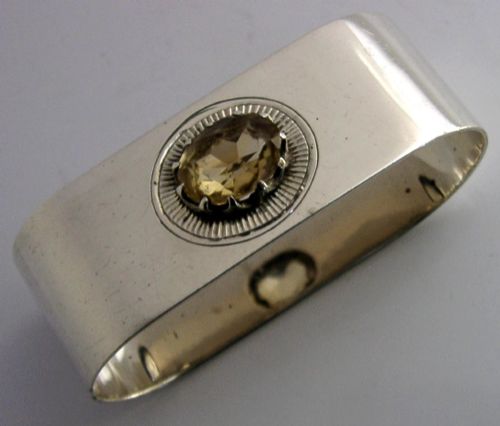
The selection includes classic cluster designs, multi-stone trilogy rings, and boat-shaped settings that sit low on the hand. Alongside traditional finger adornments, occasional table pieces such as sterling silver napkin rings set with citrine appear within the wider selection.
Originating across the nineteenth and twentieth centuries, these rings reflect the changing aesthetic preferences of periods like Art Nouveau and Mid-Century Modern. Buyers encounter both bright transparent stones and deep opaque gems mounted securely in precious metal settings.
How they were made
The foundation of these pieces relies on yellow gold and 18ct gold alloys, providing a warm, enduring metal base for intricate gemstone arrangements. Goldsmiths utilised traditional casting and hand-working techniques to build robust bands and delicate bezels.
Gemstones including diamonds, rubies, sapphires, opals, and citrines are secured using claw settings, bezel settings, or cluster arrangements. Master lapidaries shaped these stones into old cut facets, cushion cuts, or smooth cabochons to maximise natural light play and colour depth within each design.
Among the wearable finger adornments, a lone sterling silver napkin ring waits quietly to dress a very opulent dining table.
What varies in quality
The standard of workmanship shows in the precision of stone setting and the integrity of the gold mount. Superior examples display symmetrical cluster arrangements and secure claw or bezel work that holds each gem firmly in place.
Gemstone selection dictates the upper tier of the range, where unheated sapphires, natural opals, and well-matched diamonds exhibit superior clarity and colour saturation. Heavier gold weight and clear hallmarks denoting specific British assay offices add structural substance to the piece.
The Vintage Yellow Gemstone Ring Glossary
- Cabochon
- A gemstone shaped and polished with a smooth, rounded surface rather than faceted edges. This style is frequently utilised for opals, jade, and amethysts.
- Cluster ring
- A ring design featuring a central gemstone surrounded by a ring of smaller stones, often diamonds. This layout maximises visual impact on the finger.
- Boat ring
- A navette or boat-shaped setting common in Edwardian jewellery where stones are arranged in an elongated horizontal line across the finger.
- Old cut
- A traditional hand-cut diamond style featuring a high crown, small table, and large open culet. These stones catch candlelight with a distinctive soft twinkle.
- Gypsy ring
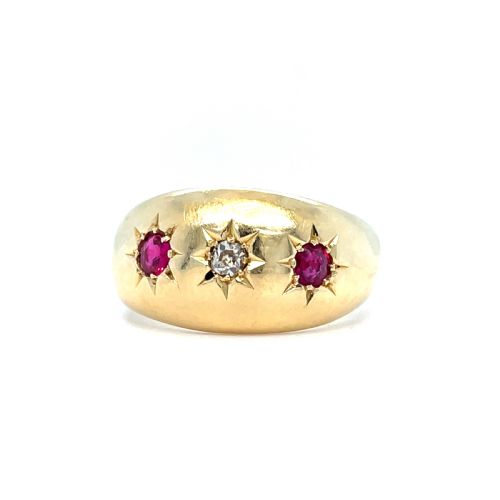
- A style where the gemstones are flush-set directly into a heavy tapered gold band rather than held in raised claws.
Vintage Yellow Gemstone Ring: Frequently Asked Questions
How do I care for an antique opal ring?
Opals contain natural water content and require gentle handling away from harsh chemicals and ultrasonic cleaners. Store them separately to prevent scratching from harder gems.
Regularly check the setting claws to ensure the stone remains firmly seated in the gold mount during daily wear.
What is an Edwardian cluster ring?
Edwardian cluster rings date from the early twentieth century and typically feature light, lacy platinum or yellow gold work surrounding central diamonds or coloured gems.
These pieces often incorporate delicate millegrain detailing along the metal edges for a refined finish.
Can these rings be resized safely?
Most gold rings from the Victorian and later periods can be altered by a skilled jeweller who understands historical metalwork. The process depends on the band thickness and whether gemstones extend around the shoulders.
Solid gold bands without side stones offer the most straightforward adjustments for finger size.
How do I identify a Victorian gold ring?
Victorian pieces often feature deep yellow gold, heavy band construction, and distinctive design motifs like starbursts or multi-stone trilogy layouts. Hallmarks stamped inside the band provide clues to the exact year of manufacture and assay office.
Consulting the specific date letters helps pinpoint the exact decade of origin.