


1920s Yellow Sapphire Ring
A 1920s yellow sapphire ring brings bright colour and geometric design to the hand, combining precious stones with period goldsmithing.
1920s Yellow Sapphire Ring
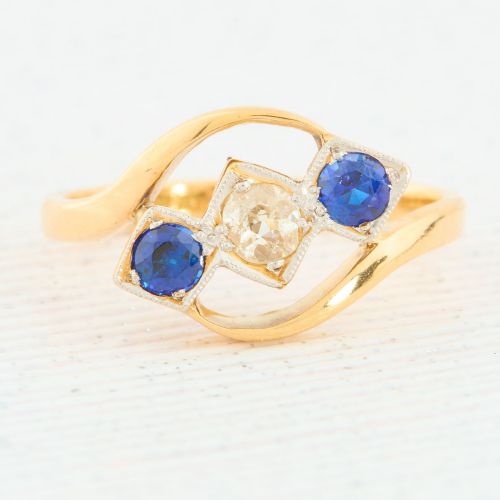
When you search for a 1920s yellow sapphire ring, you are looking at jewellery shaped by the distinct geometry and bold aesthetics of the Art Deco movement. These pieces combine bright yellow corundum with supporting diamonds in settings designed to maximise light and colour.
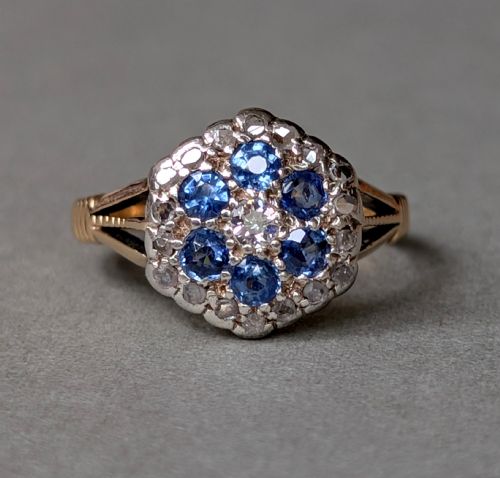
The versions most likely to meet you on this page date principally from the 1920s and 1930s, alongside examples from the 1940s. They appear primarily as dress rings, target rings, and cluster configurations.
How these rings were made
Goldsmiths of this era utilised 18ct gold, 9ct gold, and platinum to fabricate the structural mounts for these stones. Platinum provided the strength needed for delicate claw settings and intricate geometric wirework, while yellow gold warmed the overall tone.
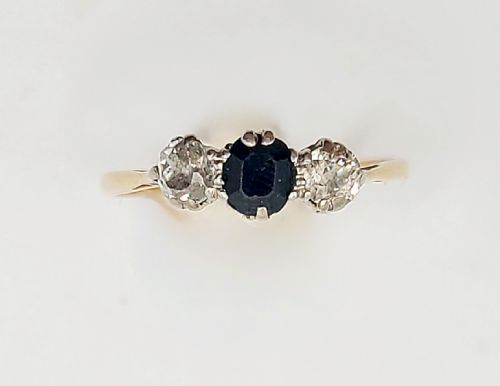
Craftsmen paired natural yellow sapphires and synthetic sapphires with brilliant-cut diamonds. The stones were cut to fit precise target, cluster, and trilogy layouts typical of the period style.
Listings feature items spanning the 1920s, 1930s, and 1940s, all united under the Art Deco style.
What varies in quality
The quality of a 1920s yellow sapphire ring rests largely on the saturation and vibrancy of the central sapphire itself. Stones with vivid, even colour command attention over paler or heavily included examples.
Execution of the metalwork also separates fine pieces from standard production. Crisp edges in platinum and secure, hand-beaten settings indicate superior craftsmanship by the jeweller.
The 1920s Yellow Sapphire Ring Glossary
- Art Deco
- A design style dominant in the 1920s and 1930s characterised by symmetry, geometric shapes, and stylised motifs. It defines the architectural structure of these rings.
- Target ring
- A circular cluster ring featuring a central stone surrounded by one or more concentric rings of contrasting gemstones. This layout creates a bullseye visual effect on the finger.
- Trilogy ring
- A ring set with three stones side by side, traditionally representing the past, present, and future. In this selection, they combine sapphires with flanking diamonds.
- Synthetic sapphire
- Laboratory-created corundum possessing the same chemical and physical properties as mined stones. These appear in period rings alongside natural gems.
1920s Yellow Sapphire Ring: Frequently Asked Questions
Are these rings suitable for daily wear?
These pieces were built for durability using sturdy metals like platinum and 18ct gold, making them resilient enough for regular use. However, delicate settings benefit from removal during heavy manual tasks.
Taking basic precautions ensures the antique claws and delicate diamond pavé remain secure over decades of enjoyment.
How do I identify an Art Deco setting?
Art Deco settings rely heavily on straight lines, geometric symmetry, and stepped motifs rather than flowing Victorian curves. Platinum was frequently used to create sharp, architectural framing around the stones.
The integration of calibre-cut gems and contrasting white and yellow metals further signals this distinct aesthetic period.
Did the 1920s use synthetic stones?
Makers of the 1920s frequently utilised laboratory-grown corundum alongside mined stones in fine dress jewellery. These synthetic alternatives offered vivid colour and flawless clarity during a period of high demand.
They represent authentic manufacturing practices of the era rather than later replacements.