

Vintage Yellow Gemstone Jewellery
Vintage yellow gemstone jewellery brings together warm golds and sunlit stones across rings, pendants, and brooches spanning the Victorian era to the mid-twentieth century.
Vintage Yellow Gemstone Jewellery
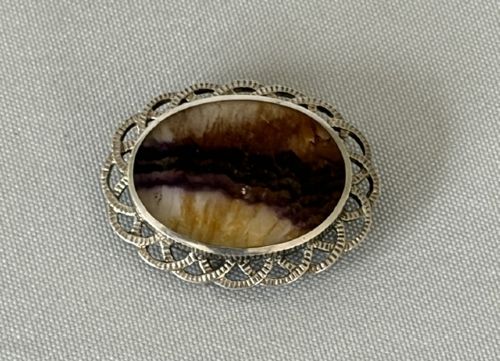
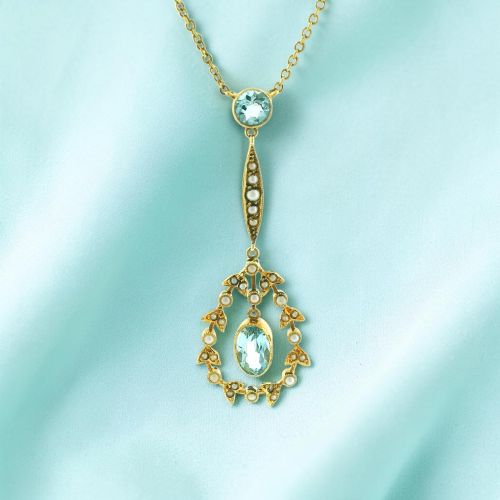
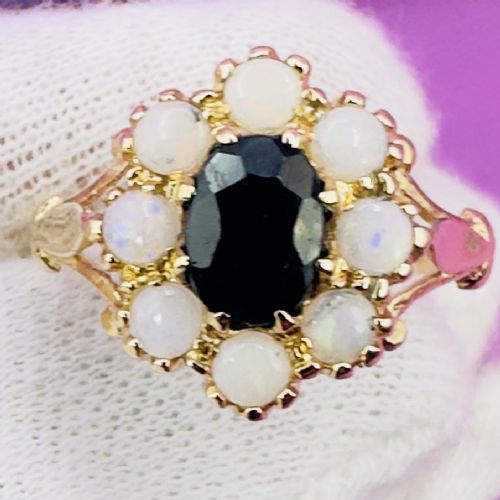
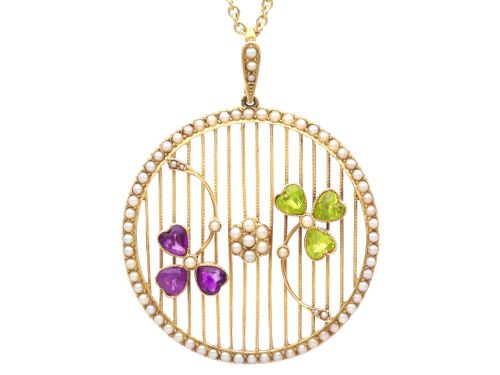
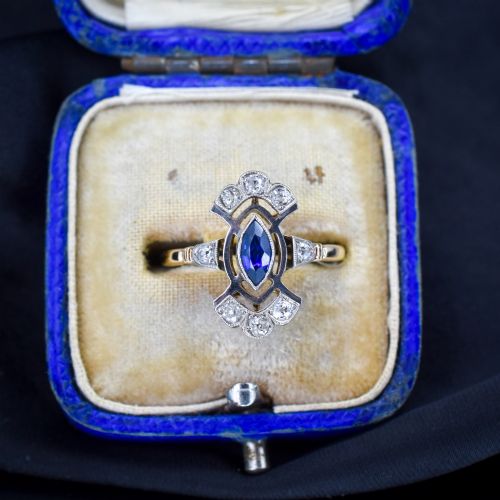
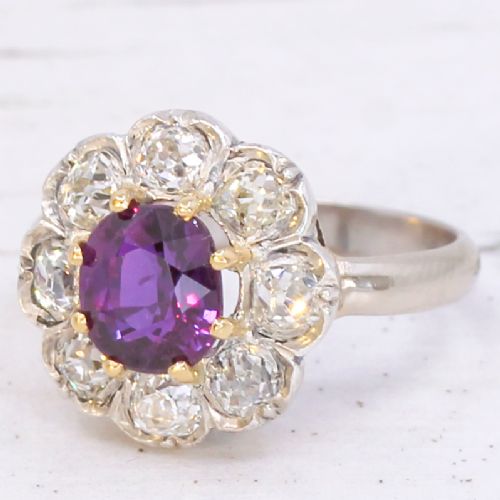
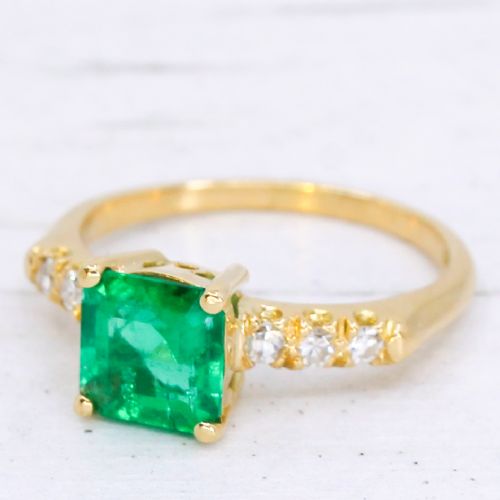
When searching for vintage yellow gemstone jewellery, collectors encounter an array of rings, drop earrings, pendants, and brooches spanning from the Victorian period through the Edwardian, Art Deco, and mid-century eras. The selections frequently showcase warm tones through materials such as yellow gold paired with amber-hued or bright yellow stones, alongside multicoloured cluster and navette configurations.
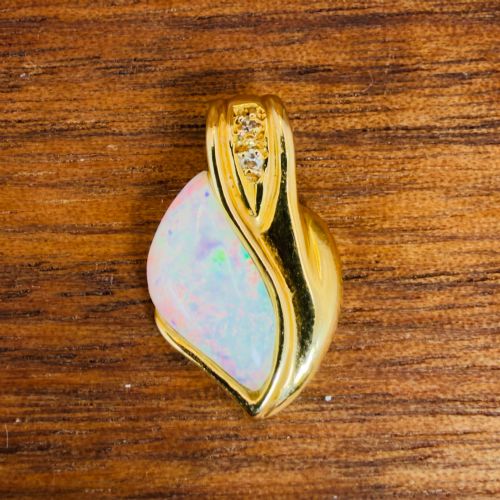
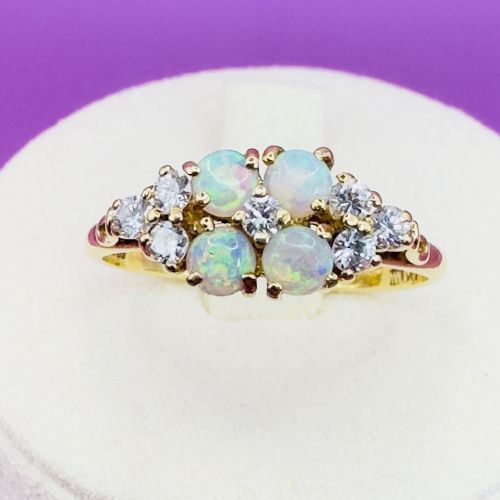
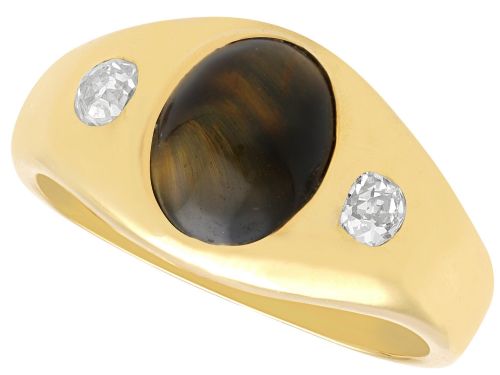
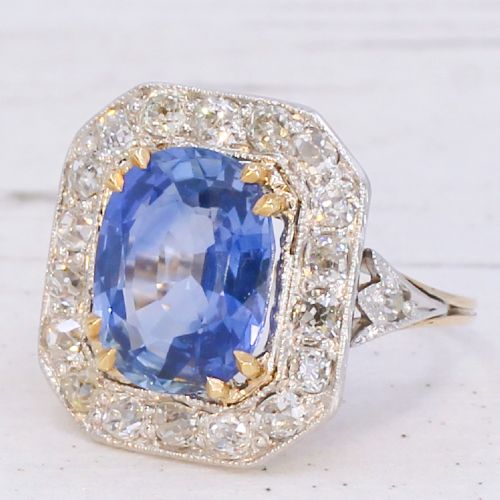
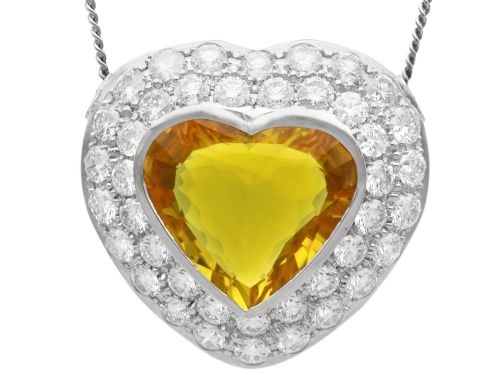
The most common iterations on this page comprise 9ct and 18ct yellow gold rings set with stones like yellow sapphire, chrysoberyl, and smoky quartz, often accented by small diamonds. Buyers also find substantial statement pieces including platinum and gold pendants or brooches featuring peridot, garnet, and opal alongside central yellow gems.
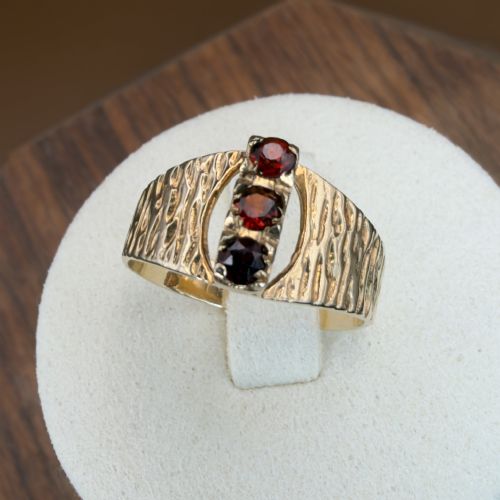
The objects stem from distinct stylistic movements, transitioning from delicate Edwardian openwork floral designs to bold geometric Art Deco clusters and sculptural mid-century freeform or bark-effect settings. Each period contributes specific mounting techniques that help anchor the pieces firmly within their decades of origin.
Materials and Construction Techniques
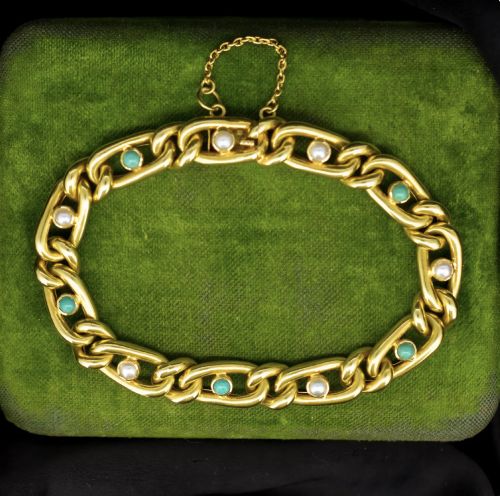
The pieces rely heavily on a foundation of 9ct, 14ct, and 18ct yellow gold, occasionally extending into platinum or palladium for specific mountings. Goldsmiths integrated these metals into detailed curb bracelets, hollow lockets, solid cast bands, and intricate wirework settings.
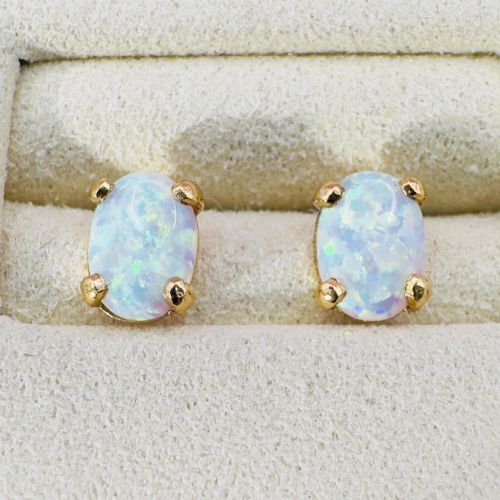
Gemstones such as opals, sapphires, chrysoberyls, and amethysts are secured using standard claw settings, bezels, and flush mountings designed to highlight the natural play of light. Seed pearls and smaller diamonds frequently frame the primary yellow stones in tightly clustered or bypass twist formations.
Artisans employed manual hand-finishing techniques, evident in the textured bark-effect bands and openwork filigree seen in Edwardian and mid-century items. These methods ensure that structural joints and decorative wire twists remain robust yet visually delicate.
Vintage Yellow Gemstone Jewellery Retail Price Guide 2026
Typical asking prices for vintage yellow gemstone jewellery among the pieces listed under this phrase on Sellingantiques today, from the lower quarter to the upper quarter. They describe what is for sale here now, not the wider market.
Listings feature yellow gemstone pieces spanning 1900 through the 1960s, incorporating platinum, palladium, and multiple gold purities.
Distinctions in Quality
The upper tier of these pieces is defined by the depth and clarity of the primary gemstone, alongside substantial metal weight in the shank or mount. Heavier gold gram weights and precise stone matching distinguish master workshop output from lighter commercial output.
Execution of fine details, such as uniform claw placement, secure bezel walls, and crisp gallery wirework, dictates the overall integrity of a piece. Settings that protect the girdle of the stone while maintaining minimal metal obstruction represent superior bench work.
Cartier
The Vintage Yellow Gemstone Jewellery Glossary
- Navette
- A boat-shaped gemstone setting that tapers to sharp points at both ends. This silhouette stretches visually across the finger.
- Cluster ring
- A central stone surrounded by a border of smaller accent stones, typically diamonds. This arrangement maximises overall brilliance and perceived size.
- Bypass ring
- A design where the shank wraps around the finger in opposing curves or twists without meeting directly. The terminals often overlap one another.
- Cabochon
- A gemstone cut with a smooth, rounded, convex upper surface rather than faceted planes. This style suits opaque or optical stones like opals and star sapphires.
- Lavalier
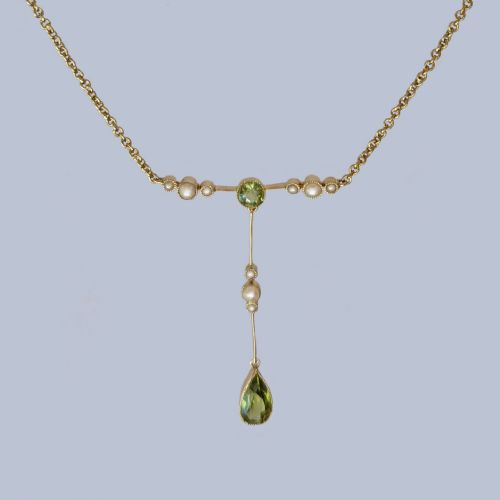
- A delicate pendant featuring a suspended drop stone, popular during the Edwardian era. These pieces hang from fine chain necklaces.
Vintage Yellow Gemstone Jewellery: Frequently Asked Questions
How do I care for antique gold and gemstone rings?
Clean these pieces gently with warm soapy water and a soft brush, avoiding harsh ultrasonic cleaners that might damage softer stones like opals or pearls.
Store each item in a separate fabric-lined compartment to prevent harder diamonds from scratching neighbouring gold settings or softer yellow gems.
Can I wear a vintage yellow gemstone ring daily?
Sturdier stones set in heavy gold bands withstand everyday wear quite well, provided you remove them during heavy physical labour or gardening.
More delicate configurations, particularly older Edwardian pearl or opal designs, benefit from reserved wear to protect vulnerable settings and soft materials.
What defines an Edwardian yellow gemstone piece?
Edwardian items typically feature airy openwork designs, platinum-topped gold, and delicate floral motifs that give the jewellery a lace-like visual lightness.
Peridot, seed pearls, and pale sapphires frequently appear in these mounts, reflecting the period's preference for graceful, romantic aesthetics.
How can I tell an Art Deco ring apart from a Victorian one?
Art Deco pieces rely on strict geometric symmetry, sharp angles, and channel-set stones, whereas Victorian designs lean towards naturalistic motifs and heavy organic curves.
Examining the gallery and shoulders under magnification reveals whether the goldsmith prioritised flowing floral scrolls or rigid architectural lines.