
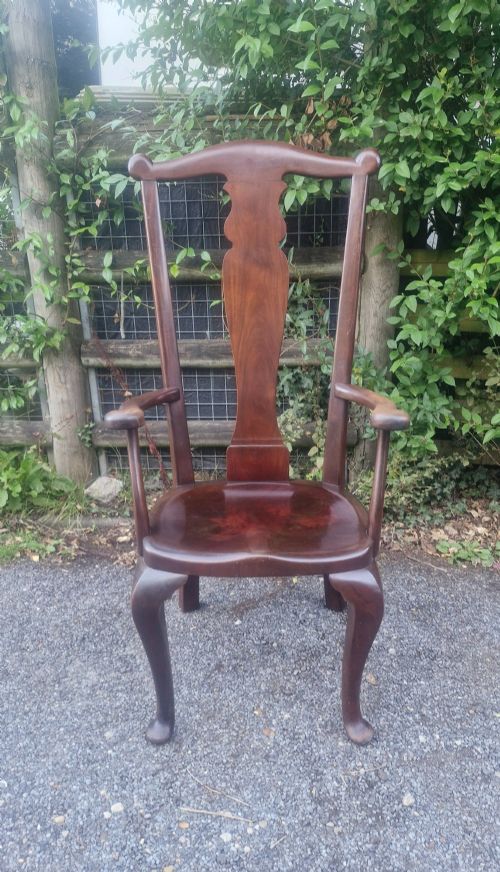
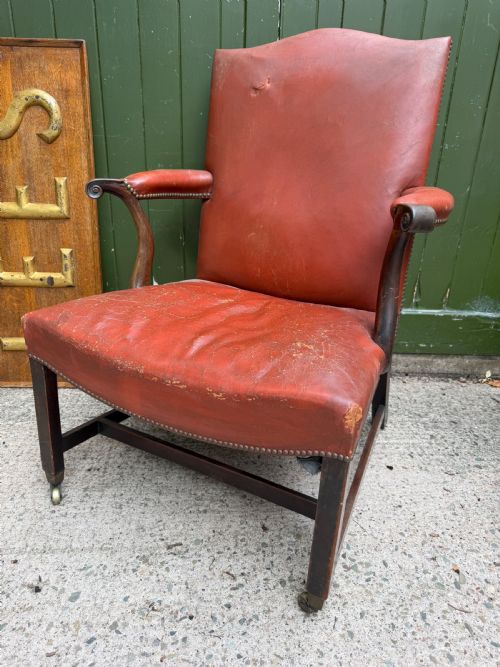

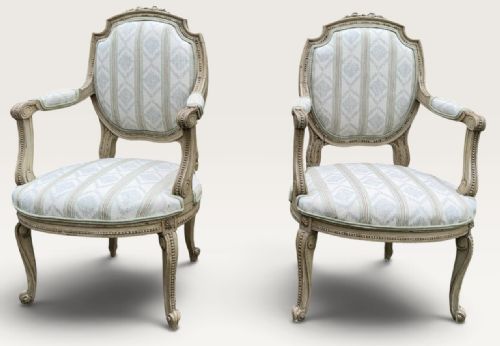
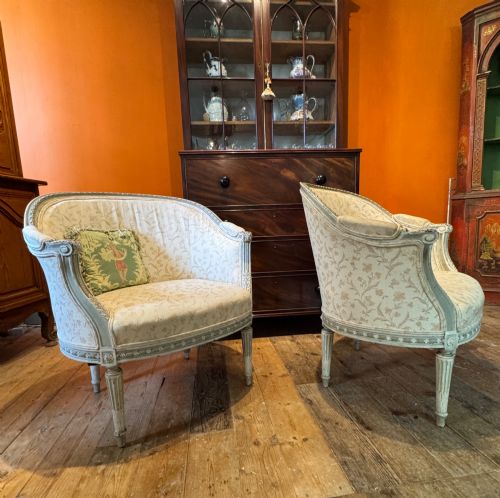
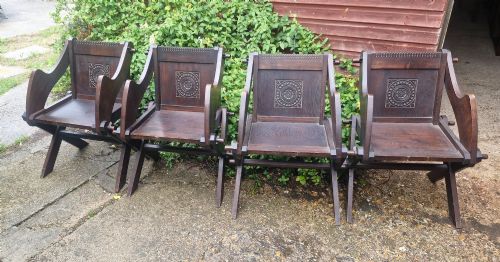
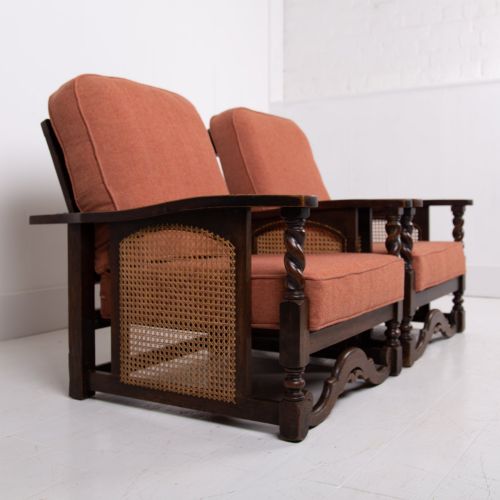
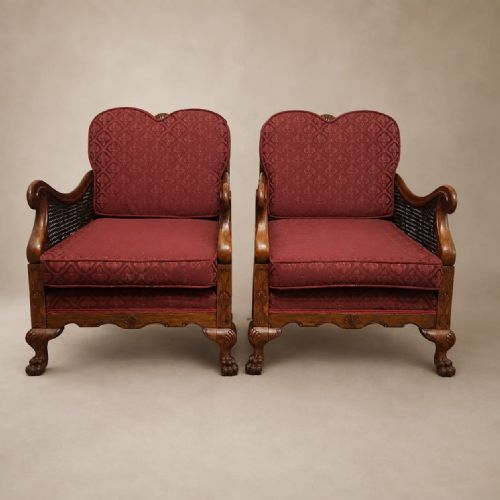
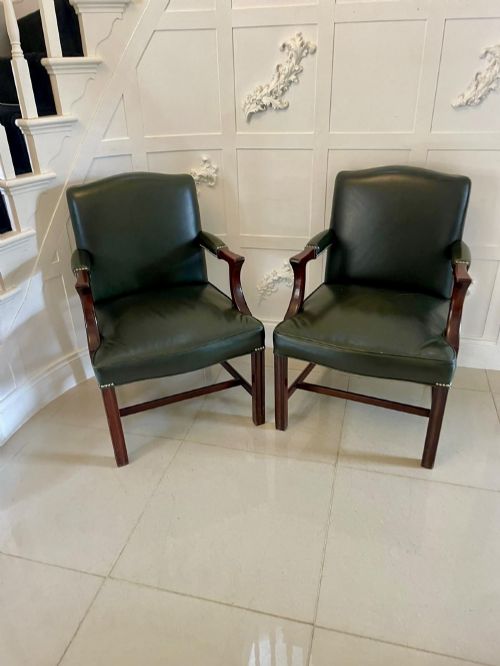
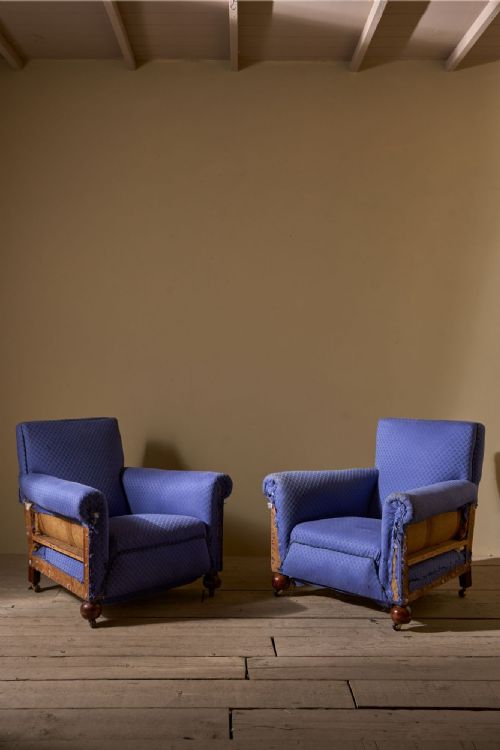
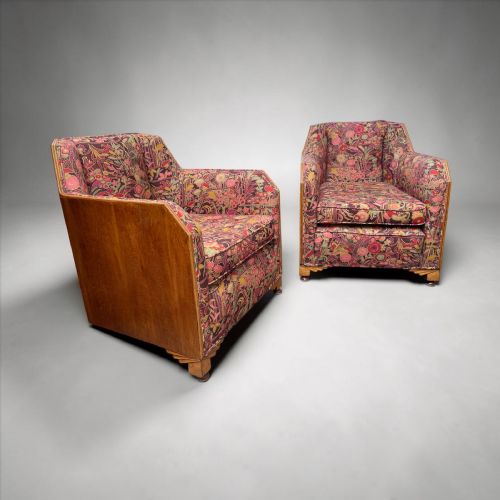
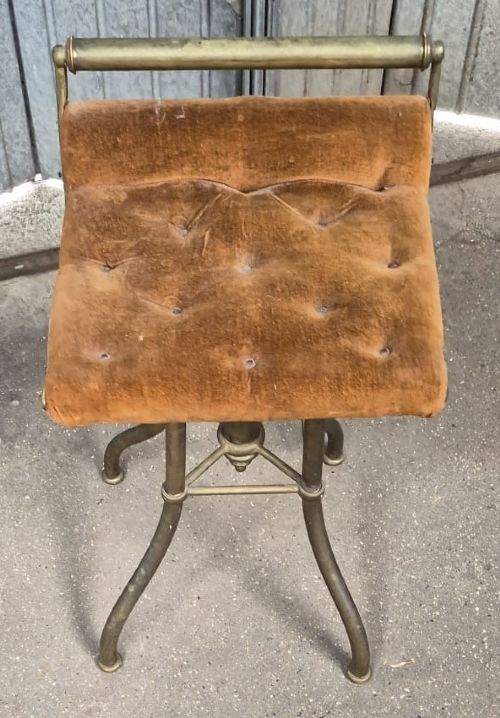
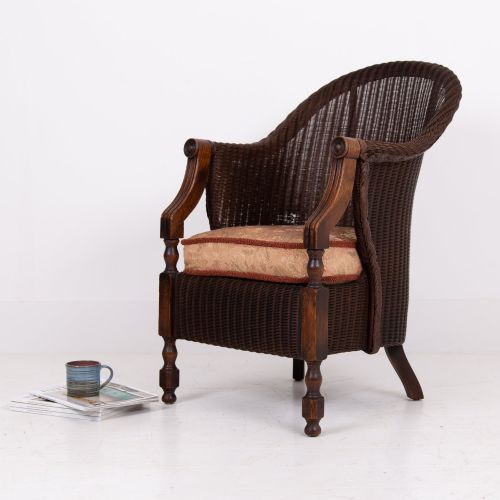
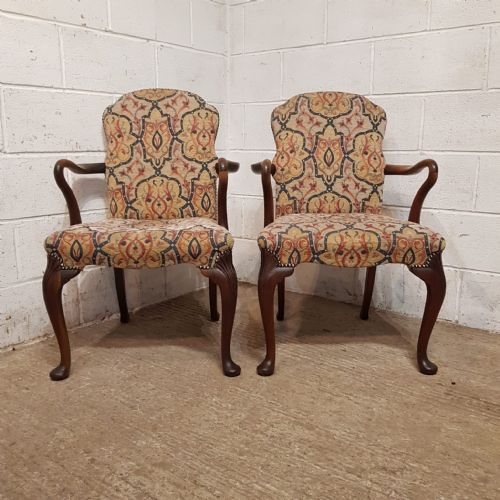
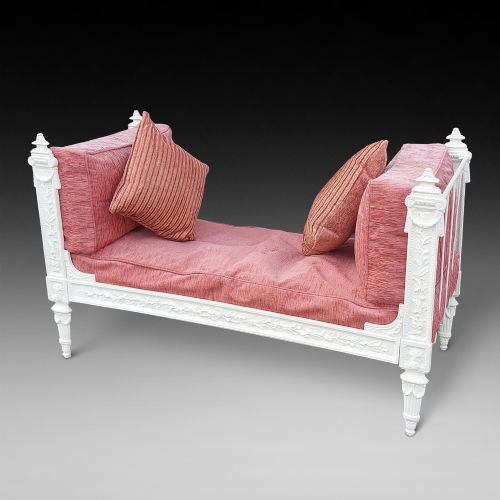
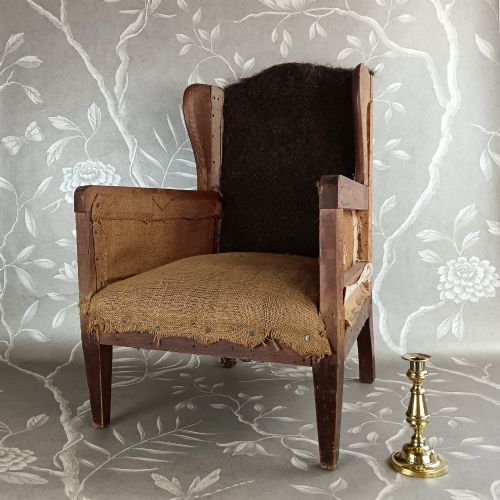
Vintage X Frame Chair
A vintage x frame chair brings structured architectural lines and traditional seating comfort into a room through intersecting supports.
Vintage X Frame Chair
A vintage x frame chair relies on intersecting diagonal supports beneath the seat or armrests to create a distinct geometric silhouette. These pieces draw on historical forms spanning the nineteenth century through the art deco period, offering robust seating options for libraries, studies, and reception rooms.
The selection ranges from library armchairs and desk chairs to dining chairs and occasional seating. Materials vary from mahogany, walnut, and oak frames to leather, fabric, and caned upholstery.
Victorian and Edwardian iterations sit alongside art deco examples, reflecting how cabinet makers reinterpreted the cross-frame geometry across successive design movements.
Materials and construction
Timber frames utilise hardwoods such as mahogany, oak, and walnut, chosen for their structural strength and ability to bear weight at diagonal joints. Carpenters joined these members using traditional joinery to ensure stability along the intersecting stress points.
Upholstery methods incorporate leather, fabric, split cane, and hessian over sprung or padded seats. Metal elements appear in brass, cast iron, and wrought iron frames, particularly in specialist seating types.
Some nineteenth century examples include dedicated harpist seats designed with narrow profiles for musicians.
Assessing quality and craftsmanship
The integrity of the structural joints where the cross members intersect dictates the durability of the piece. Fine examples demonstrate tight, stable joinery that resists lateral movement under weight.
The selection of timber grain, the precision of carved details such as trefoils or scrollwork, and the quality of the original leather or wood finishes separate standard utility seating from finer workshop productions.
The Vintage X Frame Chair Glossary
- X frame
- A chair construction utilising two diagonal members crossing to form an X shape, supporting the seat or armrests.
- Bergere
- An enclosed upholstered armchair with wooden framing, often featuring cane panels to the sides and back.
- Gainsborough chair
- A wide, high-backed armchair with open padded arms, short cabriole legs, and leather upholstery, originating in the eighteenth century.
- Gothic revival
- A nineteenth century architectural and decorative style incorporating medieval motifs such as pointed arches and trefoils.
- Split cane
- Split rattan woven into patterned mesh panels used for chair backs and seats.
Vintage X Frame Chair: Frequently Asked Questions
What rooms suit an x frame chair?
These chairs function well in studies, libraries, and drawing rooms where their distinct profile adds architectural interest.
They pair effectively with writing desks or serve as occasional seating in living spaces.
How do I identify the period of a chair?
Period identification relies on examining the timber species, the style of carving, and the upholstery methods employed.
Victorian and Edwardian pieces often display heavier proportions and revival motifs, while art deco examples favour streamlined geometric surfaces.
Are these chairs comfortable for daily use?
Many examples feature upholstered seats and supportive high backs designed for prolonged sitting at desks or in libraries.
Deeply padded leather or fabric versions offer substantial cushioning for daily lounging.
What maintenance do wood and leather frames need?
Wooden frames benefit from occasional application of quality wax to nourish the grain and protect the finish.
Leather upholstery requires regular conditioning to prevent drying and cracking over time.