
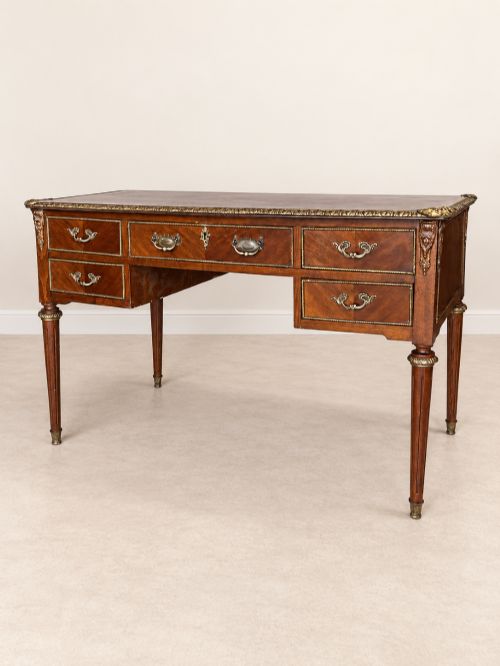
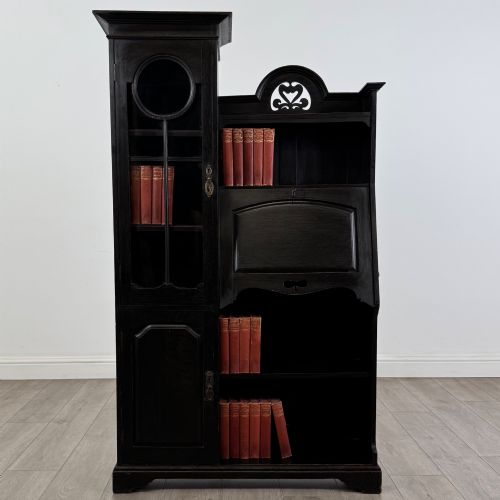
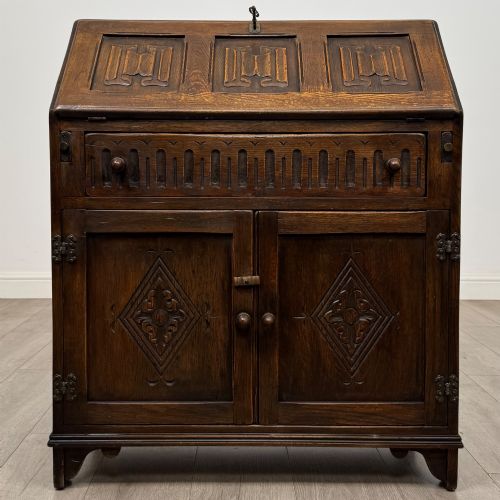
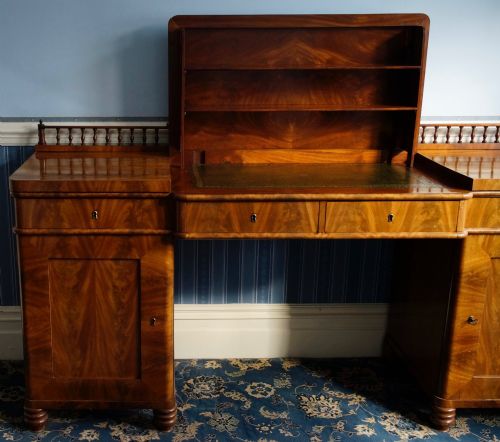


Vintage Writing Desk Cabinet
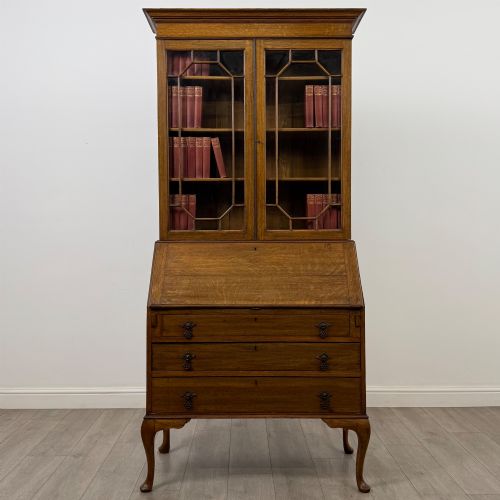
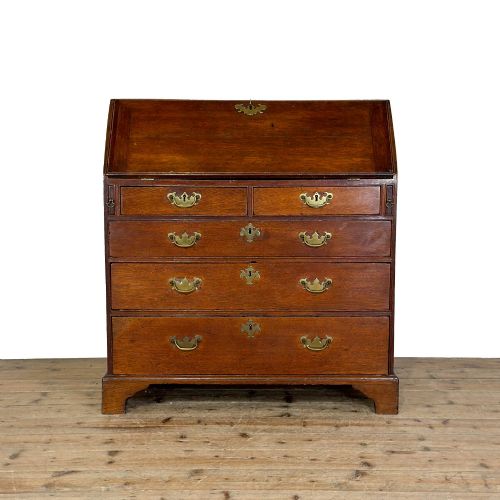
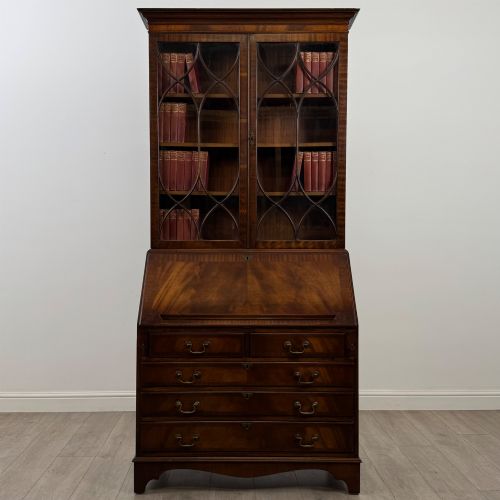
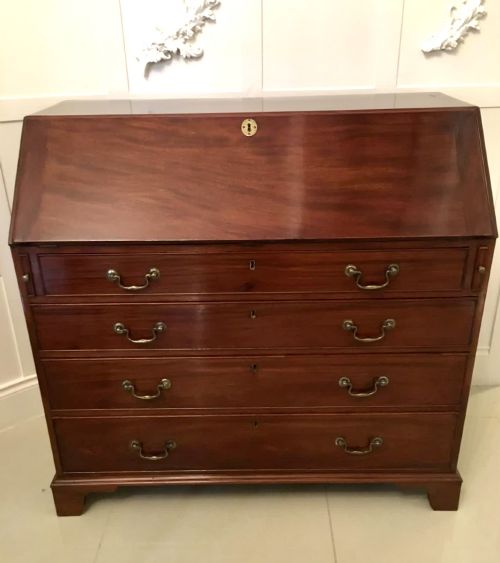
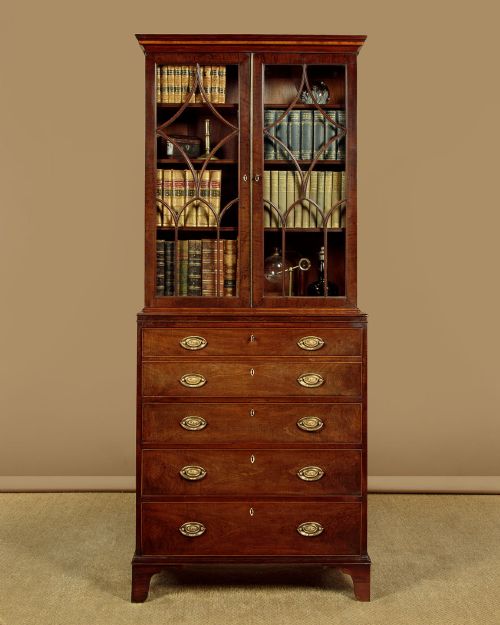
A vintage writing desk cabinet brings traditional craftsmanship into a modern study, combining a fall-front workspace with upper bookcase storage.
Vintage Writing Desk Cabinet
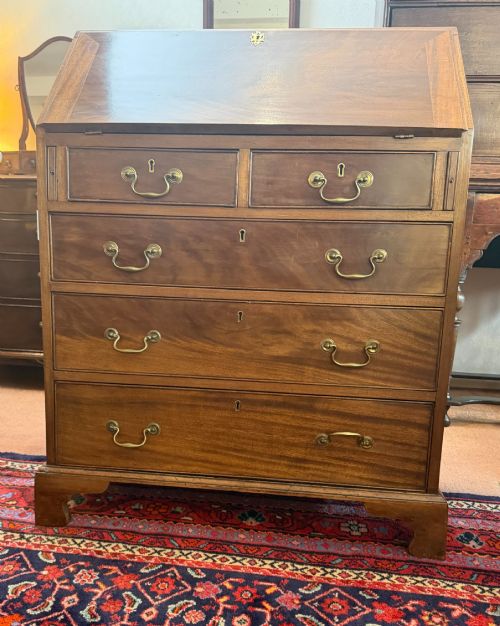
When buyers search for a vintage writing desk cabinet, they encounter a range of traditional forms designed for correspondence and storage. These pieces bridge the gap between open shelving and private workspace, featuring fold-down writing surfaces that conceal fitted pigeonholes and small drawers.
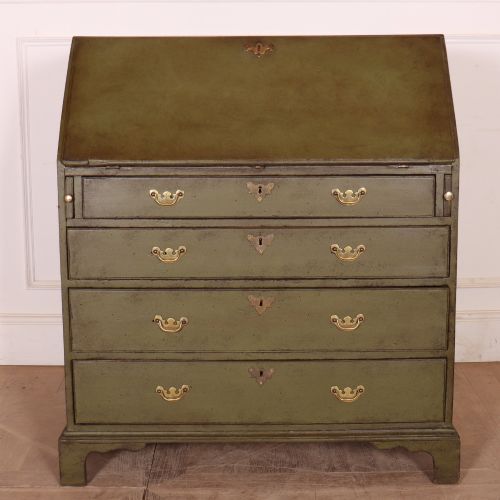
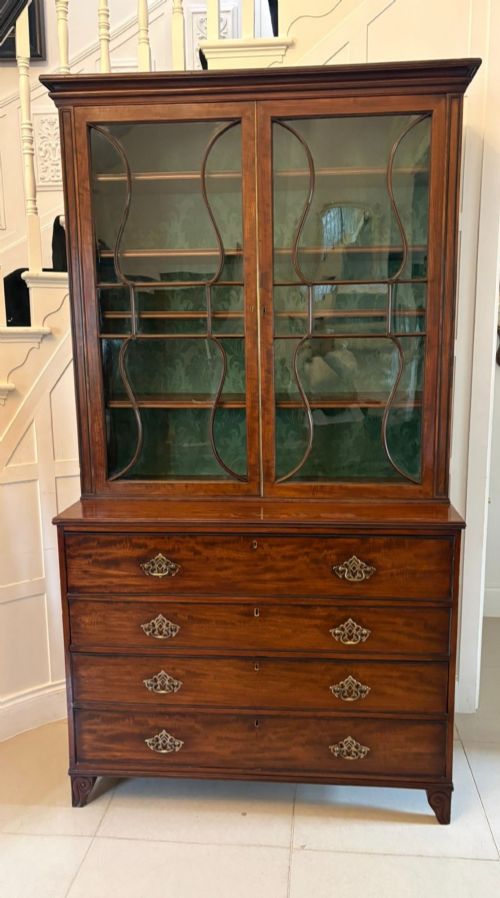
The selections span multiple eras, with Edwardian oak examples and Georgian mahogany models appearing frequently alongside Regency and Art Deco variations. Formats include bureau bookcases with glazed upper doors and compact writing desks suited to smaller rooms.
Materials and construction methods
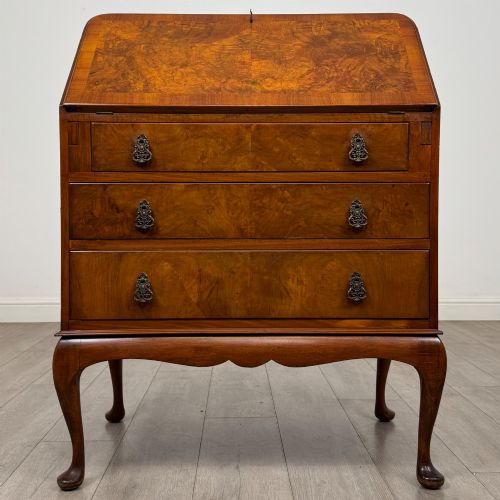
Cabinet makers utilised dense hardwoods such as oak, mahogany, walnut, and burr walnut, often selecting figured grain patterns to enhance the exterior appearance. Glass is incorporated into the upper doors of bookcase variants, while brass hardware provides functional hinges and pulls.
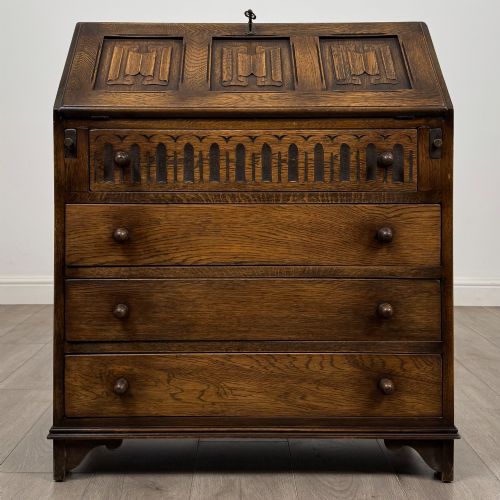
Construction relies on traditional joinery techniques, seen in the fitted interiors of writing compartments and the carved linenfold panels of Edwardian pieces. Marquetry inlay and ebonised finishes occasionally add decorative surface detail to specific regional styles.
Secret compartments hidden inside pigeonholes offered Georgian writers a private place to stash love letters.
Factors influencing quality
Quality rests in the selection of timber veneers and the precision of the interior compartment joinery. Pieces exhibiting finely figured walnut or burr elm sit at the higher end of the range compared to standard plain oak alternatives.
The integration of the fall-front mechanism and the condition of original glazed doors distinguish superior examples. Superior craftsmanship is also evident in the complexity of the fitted interior drawers and the subtlety of decorative carving.
Arthur Basil Reynolds·Larkin
The Vintage Writing Desk Cabinet Glossary
- Bureau
- A desk with a sloping hinged lid that opens to form a writing surface. It typically conceals a series of small internal drawers and pigeonholes.
- Secretaire bookcase
- A tall cabinet combining a pull-out or drop-front writing drawer with upper shelving enclosed by doors. These units maximise vertical storage space.
- Linenfold
- A style of wood carving that imitates folded linen or parchment. It appears frequently on panels of Edwardian oak cabinets.
- Marquetry
- Decorative veneer work inlaid into wood to form geometric or pictorial patterns. It adds surface ornamentation to French and English pieces.
- Fall-front
- A hinged panel that drops from a vertical position to create a horizontal writing ledge. This mechanism defines the bureau form.
Vintage Writing Desk Cabinet: Frequently Asked Questions
What is a vintage writing desk cabinet?
A vintage writing desk cabinet is a dual-purpose furniture piece that combines a enclosed writing flap with shelving or bookcase storage above. These items originated to provide private correspondence space while keeping books and papers organised.
Buyers often select them for home offices or living rooms where floor space is limited. The combination of display glass and concealed storage makes them practical for contemporary homes.
How do I use a drop-front desk?
The drop-front or fall-front panel lowers to create a flat writing surface supported by internal arms or the downward pull of the lid itself. Behind this flap lie small drawers and pigeonholes designed for stationery and letters.
When writing is finished, the panel lifts back to vertical and locks shut, hiding clutter and protecting documents. This mechanism allows a workspace to vanish behind a tidy cabinet facade.
How do I date an antique bureau?
Dating relies on examining the timber species, construction joinery, and stylistic details such as brass hardware and leg design. Early Georgian pieces often feature solid walnut or oak, whereas Edwardian cabinets frequently employ lighter oak or figured walnut veneers.
Cabinet backs, drawer linings, and cut nails provide further clues to the period of manufacture. Comparing the overall proportion to documented examples from specific decades helps confirm the era.
Are these desks suitable for laptops?
Many vintage writing desks accommodate modern laptops when the fall-front is lowered, provided the interior depth is sufficient. Buyers should measure the internal writing surface before purchase to ensure adequate clearance for modern technology.
Internal pigeonholes may need to be bypassed if they restrict the placement of larger screens or keyboards. However, the enclosed design keeps electronics hidden when not in use.