


Vintage Woven Stool
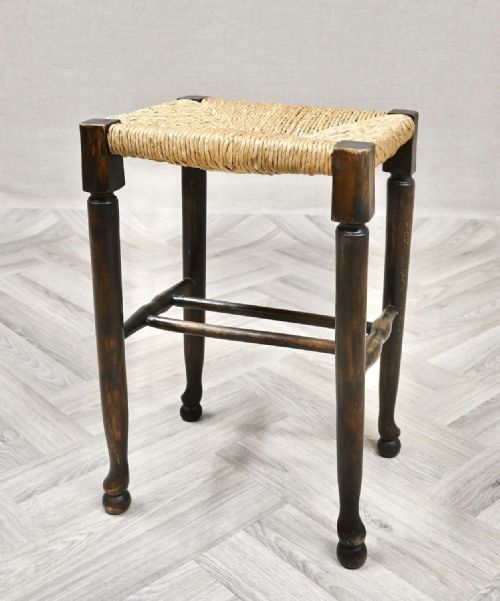
These vintage woven stool examples bring organic texture and traditional seating into a room, offering both everyday utility and historic character.
Vintage Woven Stool
A vintage woven stool represents a practical form of seating featuring a flexible top surface made from natural materials supported by a rigid frame. These pieces span several decades and centuries, incorporating traditional designs suited to domestic spaces.
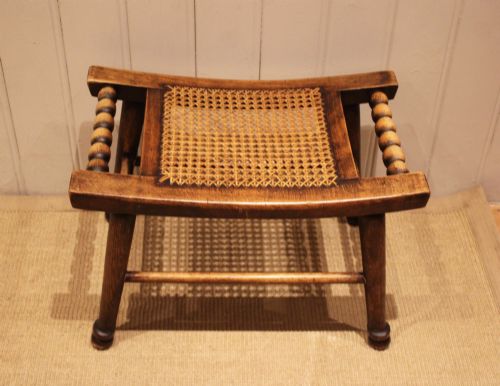
The selections available here most frequently include rustic country variants, Edwardian footstools, and nineteenth-century examples featuring rush, cane, or rattan seating surfaces. Buyers frequently encounter sturdy oak, mahogany, or turned beech frameworks paired with woven details.
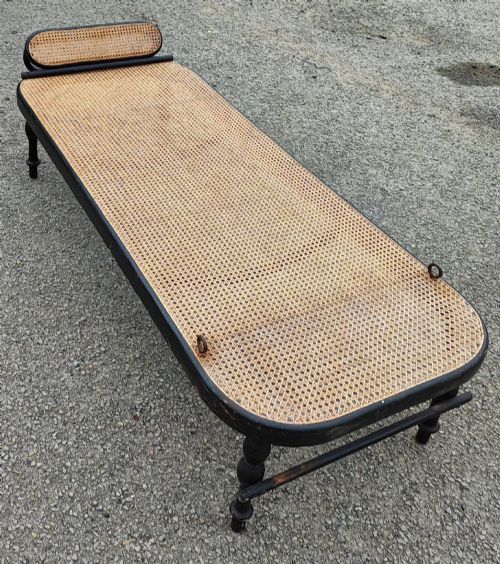
Beyond simple low seats, the category extends to long daybeds, window seats, and children's high chairs that utilise similar woven construction methods. Each piece reflects the functional requirements of its period, from simple farmhouse seating to refined drawing-room footstools.
What varies in quality
Quality rests in the integrity of the timber frame and the tightness of the weave, where skilled hand-craftsmanship produces superior durability and visual harmony. Pieces constructed from dense hardwoods with precise joinery exhibit greater longevity than simpler utility items.
The condition and tension of the rush, cane, or rattan seating surface largely dictate the overall merit of the piece. Uniformity in the weaving pattern and the preservation of original materials elevate the standing of the work within the range.
Among the seating are unexpected variations, including a small high chair for an industrious toddler and a wedding chair from India.
Arthur W Simpson·Thonet·Simpson Kendall
The Vintage Woven Stool Glossary
- Rush
- A marsh plant used traditionally for bottoming seating by twisting the stems into a strong cord before weaving. It provides a durable and comfortable surface.
- Cane
- Strips derived from the outer bark of the rattan palm, split and woven in various geometric patterns to form light yet supportive chair seats.
- Bergere
- An upholstered or caned seat frame style, often associated with French-inspired designs and prominent nineteenth-century seating.
- Ebonised
- Wood treated with a chemical or dark finish to imitate expensive ebony, frequently seen on nineteenth-century frames.
- Ladderback
- A chair or stool back featuring horizontal slats resembling the rungs of a ladder, typical of vernacular country seating.
Vintage Woven Stool: Frequently Asked Questions
How do I clean a woven stool?
Dust natural woven surfaces gently using a soft brush or a low-suction vacuum attachment to prevent dirt accumulation between the fibres. Avoid excessive moisture, which can weaken dried plant materials over time.
Condition wooden frames with appropriate furniture wax, taking care not to let cleaning agents saturate the rush or cane seating areas.
Can I use these stools daily?
Most pieces are built from sturdy hardwoods like oak and beech, making them entirely suitable for regular sitting or as occasional footrests. Consider the delicate nature of older cane or rush surfaces when placing them in high-traffic areas.
Heavier models, such as nineteenth-century country oak versions, easily handle everyday household demands without losing their structural integrity.
How do I date a woven stool?
Dating relies on examining the timber species, joinery methods, and the style of the turning or carving on the legs and stretchers. Nineteenth-century examples often display hand-turned components and traditional framing distinct from later twentieth-century production.
Material choices also offer clues, as early twentieth-century pieces frequently incorporate Arts and Crafts simplicity or lighter woods like elm.
Where should I place my stool?
These versatile pieces function well as footstools beside armchairs, low coffee tables in sitting rooms, or decorative accents in hallways and bedrooms. Their organic textures complement both traditional rustic interiors and contemporary living spaces.
Sizing ranges from compact Edwardian footstools to long daybeds, allowing them to fit narrow spaces or serve as secondary seating.