


Vintage Work Box
A vintage work box organises domestic craft and keeps small implements secure inside timber and brass.
Vintage Work Box
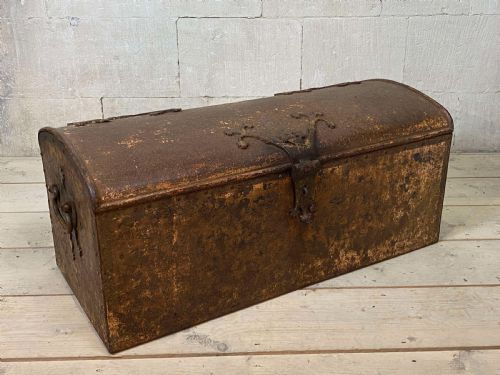
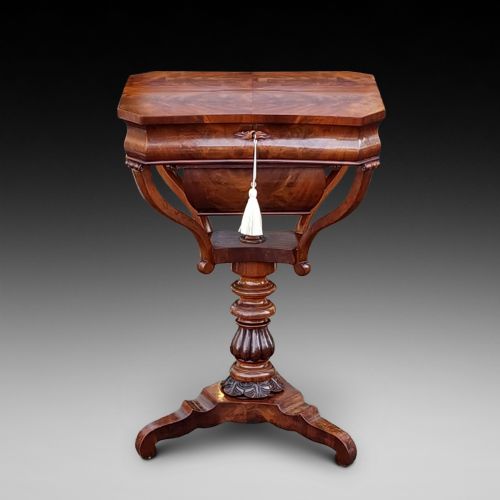
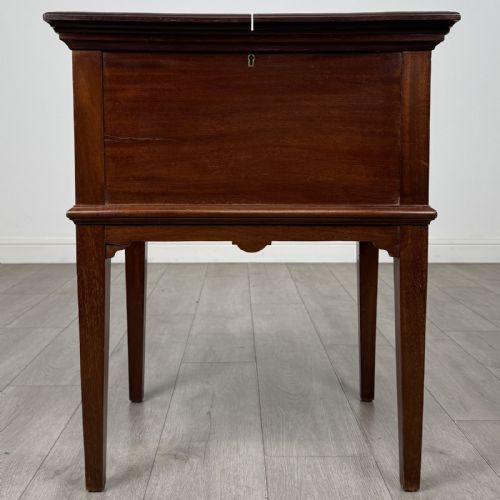
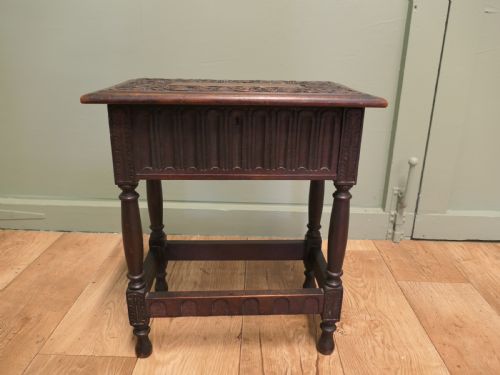
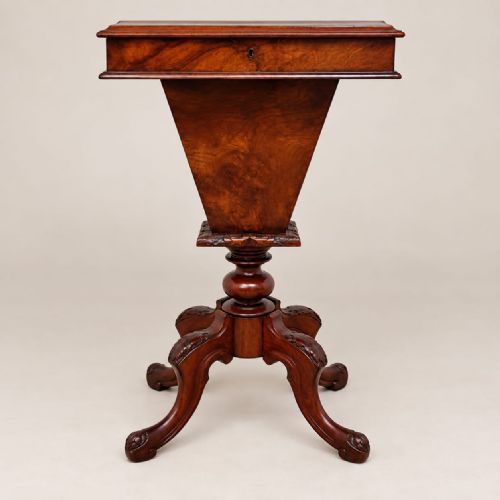
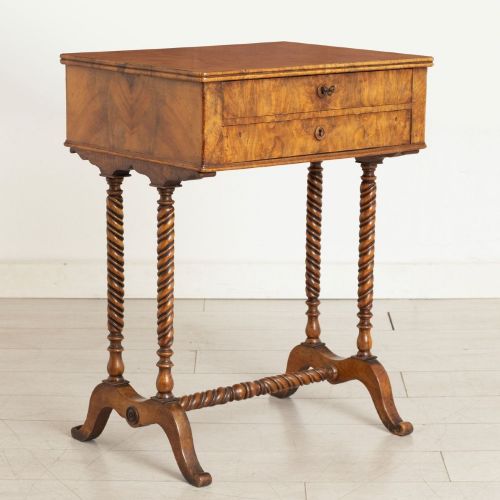
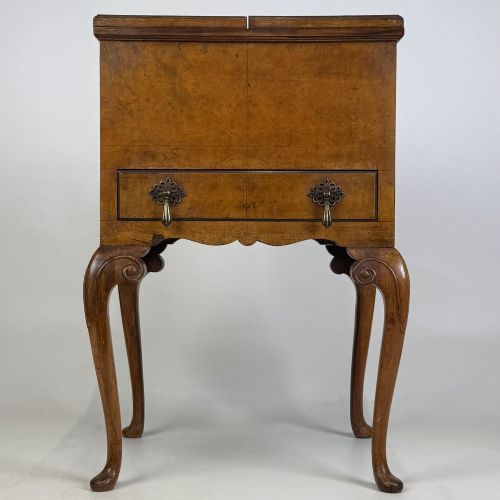
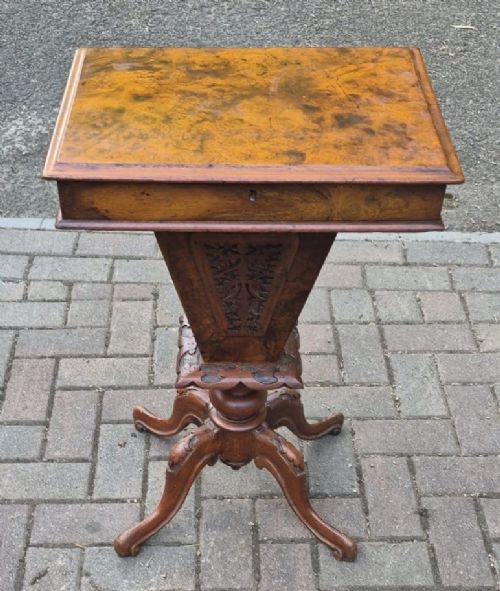
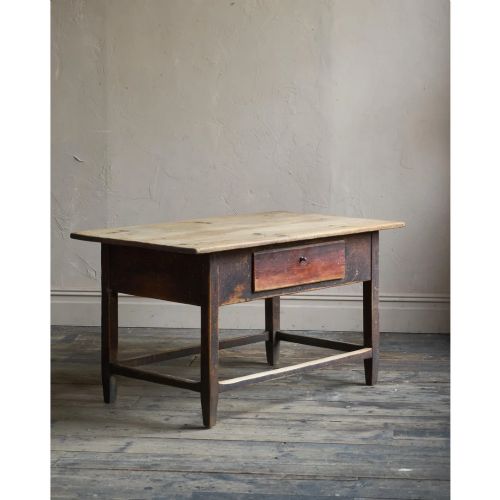
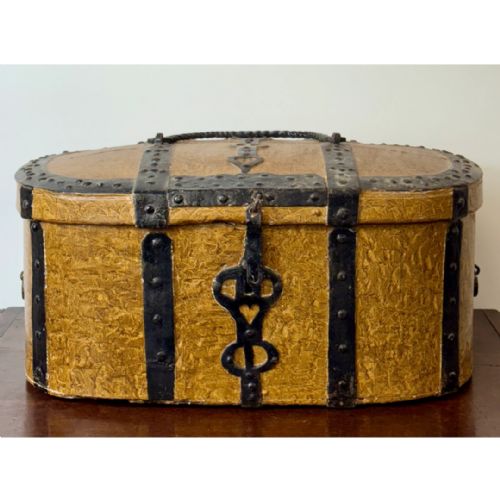
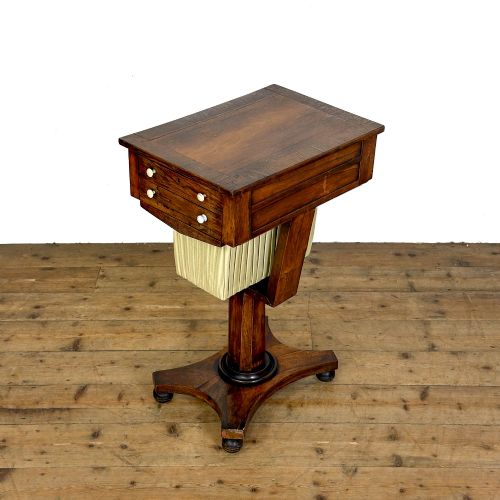
A vintage work box serves as a specialised container for needlework, sewing implements and small valuables. These pieces range from tabletop caskets and portable boxes to freestanding sewing tables equipped with internal compartments and fitted trays.
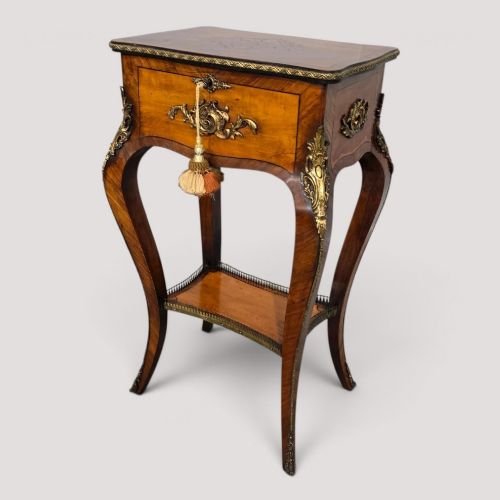
The selections encountered on this page encompass various forms spanning several centuries, including Victorian walnut examples, Georgian mahogany boxes and Edwardian inlaid tables. Certain variants incorporate silk baskets or folding leaves designed specifically for needlework tasks.
Originating across Britain, Scandinavia and continental Europe, these items reflect the domestic habits of past eras. Makers applied decorative styles such as French Rococo Revival and Victorian Gothic Revival to utilitarian storage.
How they were made
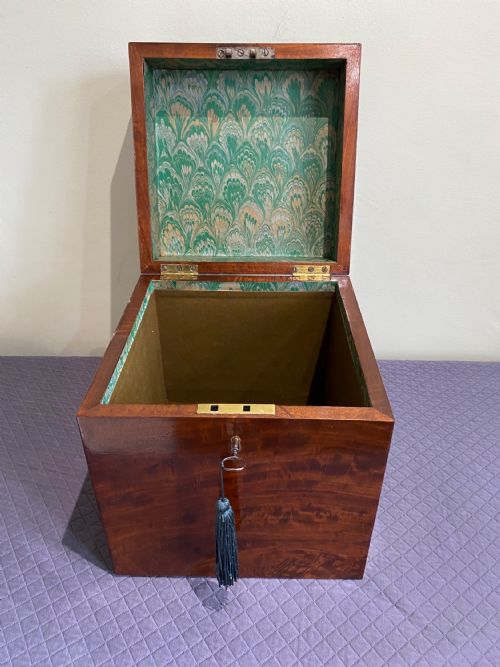
Cabinet makers utilised dense hardwoods including mahogany, walnut, rosewood and oak for carcass construction, frequently applying burr walnut veneer or satinwood to visible surfaces. Trays and internal compartments required precise joinery to house delicate sewing tools safely.
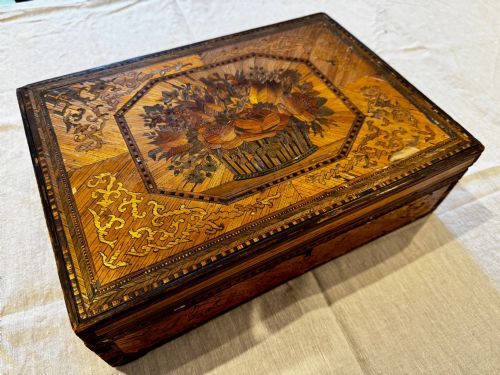
Decorative embellishments involved brass binding, mother-of-pearl inlay and straw-work, alongside painted finishes on Swedish folk art pieces. Iron mounts and locks provided security for the contents.
Vintage Work Box Retail Price Guide 2026
Typical asking prices for vintage work box among the pieces listed under this phrase on Sellingantiques today, from the lower quarter to the upper quarter. They describe what is for sale here now, not the wider market.
Prisoners-of-war passed the time during the Napoleonic era by gluing tiny pieces of straw together into elaborate workbox pictures.
What varies in quality
The standard of a work box depends on the selection of timber veneers and the precision of the marquetry or mother-of-pearl inlay. Superior examples feature well-figured grains and meticulous attention to internal partitions.
Mechanical execution distinguishes finer pieces, seen in smoothly operating folding mechanisms, intact silk baskets and working locks with original keys. Structural integrity in freestanding tables and the crispness of carved details also mark higher grades.
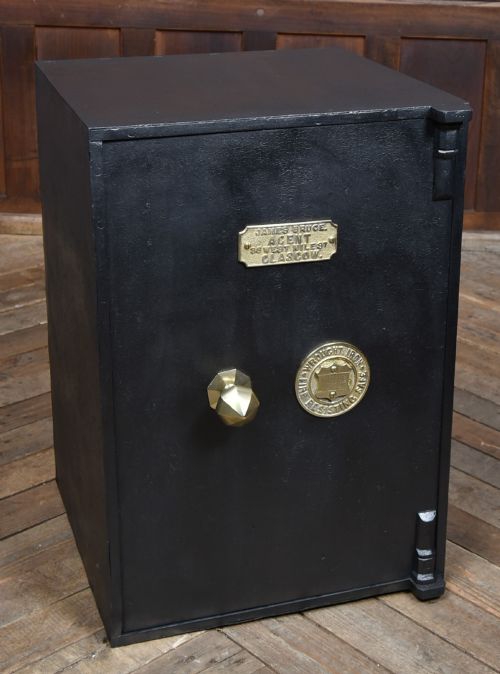
James Bruce Glasgow·Samuel Rabin
The Vintage Work Box Glossary
- Work box
- A portable container designed to hold sewing gear, thread and small crafting tools. These boxes often feature fitted interior trays and compartments.
- Sewing table
- A freestanding piece of furniture incorporating a storage box or suspended fabric bag for needlework. They frequently include drop leaves or occasional table surfaces.
- Writing slope
- A hinged box that opens to form an angled writing surface while storing stationery inside. They share construction methods with portable work boxes.
- Straw-work
- A decorative technique utilising flattened cereal straw applied in geometric patterns to box surfaces. Prisoners-of-war frequently produced these intricate items during the Napoleonic era.
- Veneer
- A thin layer of figured timber applied over a secondary wood base to provide a decorative exterior. Burr walnut and mahogany veneers appear commonly on fine boxes.
Vintage Work Box: Frequently Asked Questions
What is a vintage work box?
A vintage work box is a specialised container or small table designed to hold sewing implements, threads and needlework accessories.
These pieces range from portable tabletop caskets to freestanding tables with fitted interior compartments and hanging fabric baskets.
How were work boxes used?
Householders used them to store sewing tools, pins, threads and valuable personal items in an organised manner.
Portable boxes allowed crafters to carry their current projects between rooms, while table versions remained stationary in domestic parlours.
How do I date a work box?
Dating relies on identifying timber choices, construction techniques and decorative styles associated with specific periods like the Georgian or Victorian eras.
Hardware such as brass locks, handles and internal fittings also provide key indicators of the manufacturing decade.
Where should I place a work box?
Tabletop boxes sit effectively on side tables, desks or chests of drawers where their decorative veneers can be appreciated.
Freestanding sewing tables function well as occasional tables beside seating, offering both surface space and concealed storage.