


Vintage Wool Trapping
Vintage wool trapping pieces are nomadic textiles crafted for animal adornment and ceremonial use, bringing rich tribal heritage and texture into modern interiors.
Vintage Wool Trapping
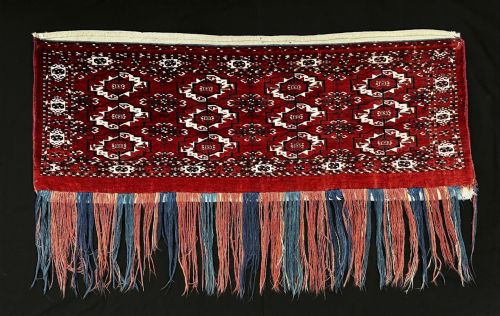
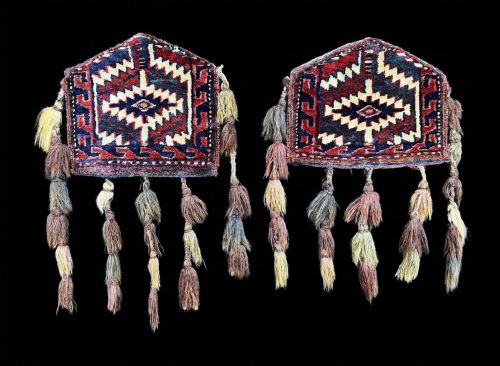
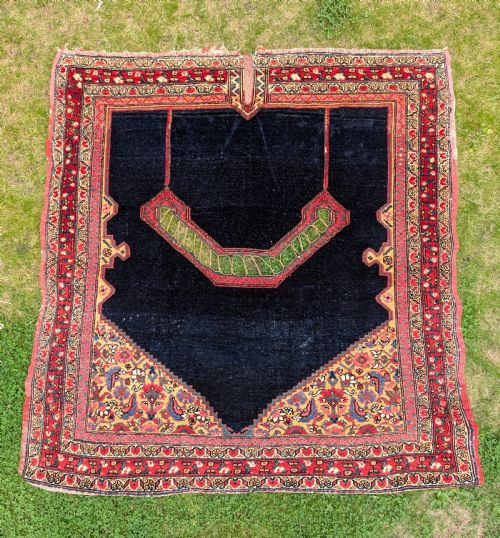
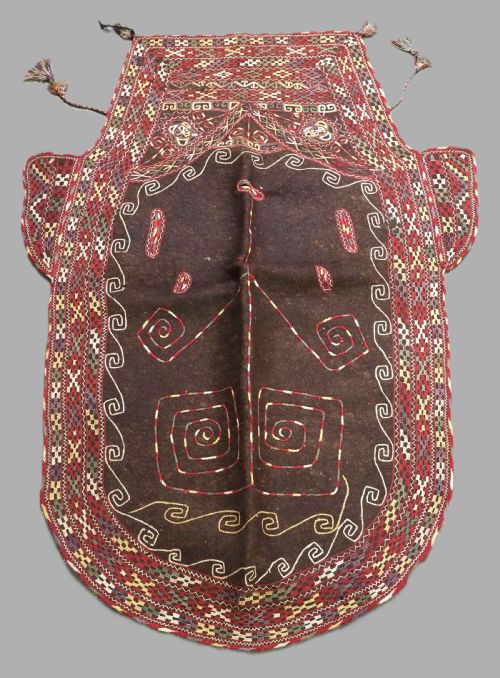
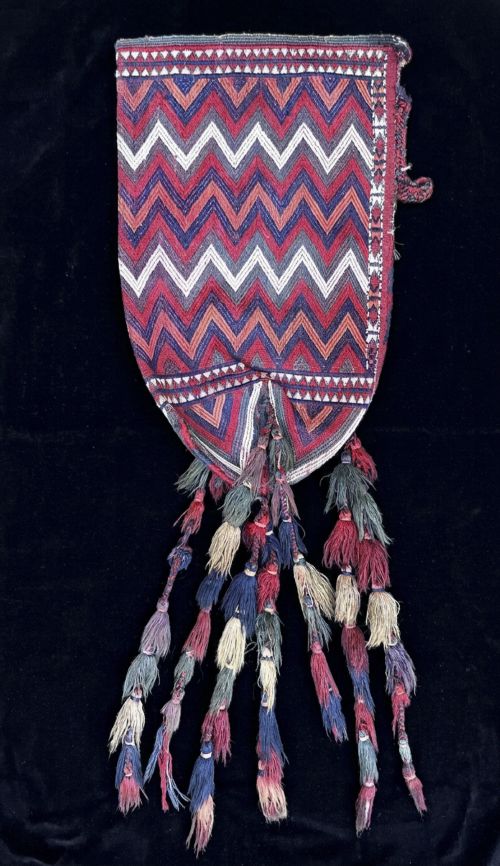
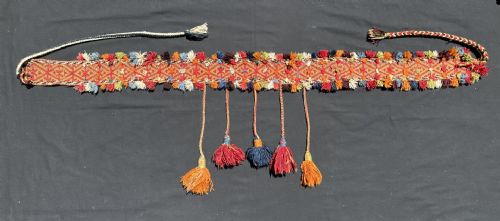
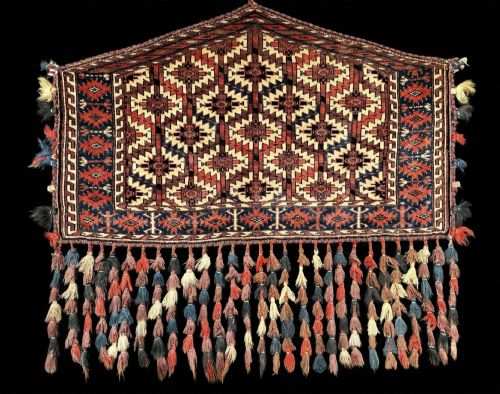
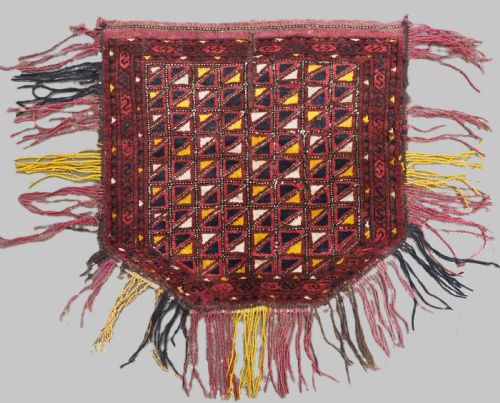
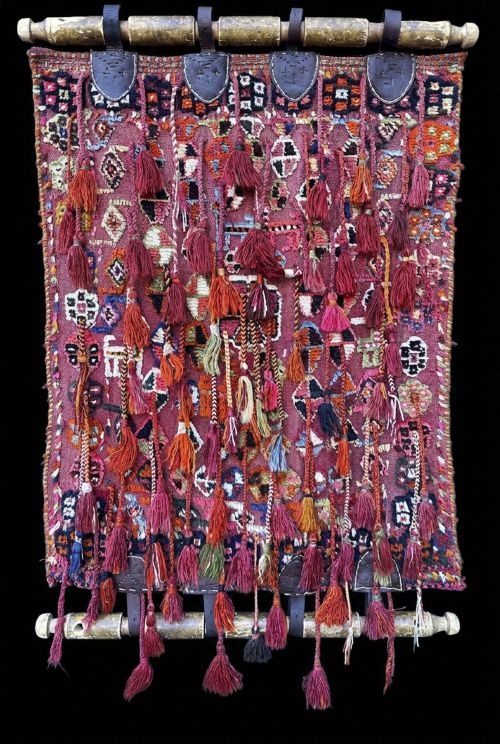
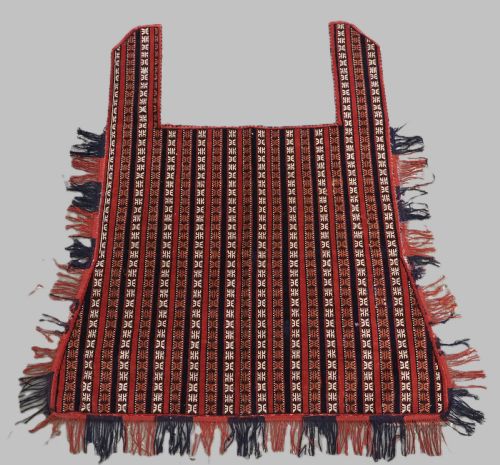
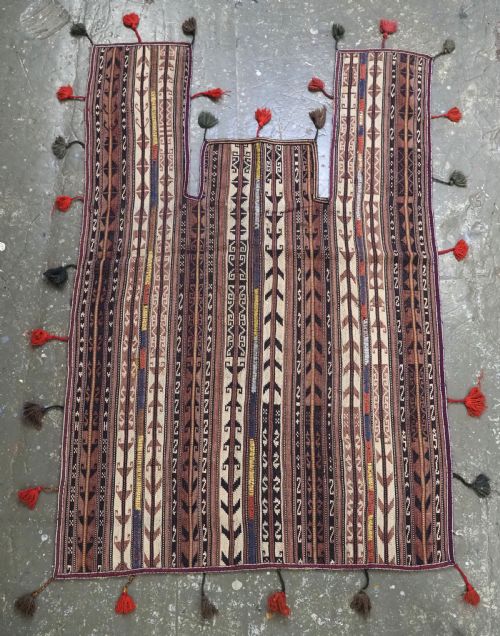
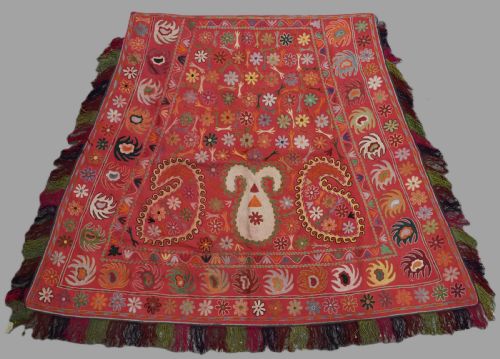
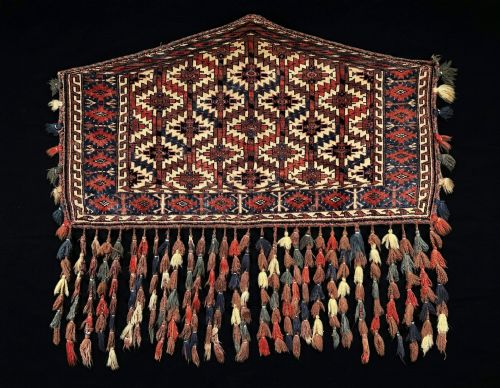
When you search for vintage wool trapping, you encounter nomadic textiles created across Central Asia and Persia during the nineteenth and early twentieth centuries. These pieces encompass ceremonial horse blankets, camel neck dress garments, storage bags, and saddle covers made by tribal groups including the Yomut, Tekke, and Ersari Turkmen, alongside Qashqai and Baluch makers.
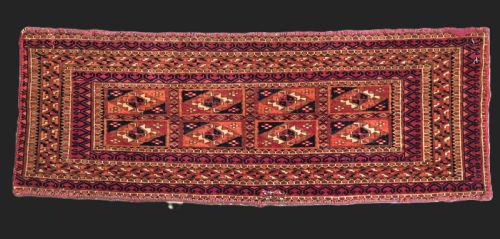
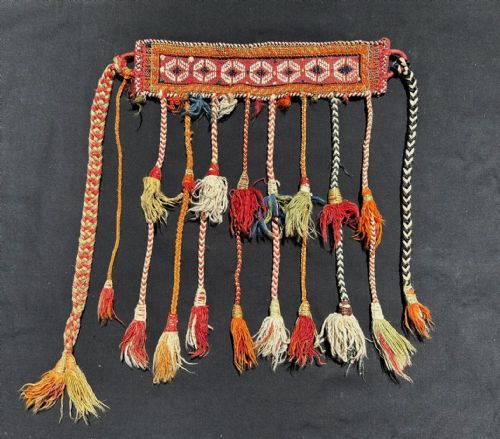
The selections available here frequently feature utilitarian and ceremonial trappings designed for animals during weddings and migrations. Examples range from asmalyks and torbas to uk bash and chuval faces, originating from regions spanning the Trans-Caspian Steppes, Afghanistan, and the Fars Province.
Collectors encounter items woven and embroidered for specific tribal rituals, displaying distinctive regional motifs and formats. Each object reflects the nomadic lifestyle and textile traditions of its specific makers, preserved from periods dating from eighteen fifty up to nineteen twenty.
What varies in quality in vintage wool trapping
The distinction between tiers rests upon the density of the weave, the clarity of traditional motifs like guls, and the integrity of the natural dyes. Pieces exhibiting exceptional fineness in knotting or stitching command greater appreciation among collectors.
Survival of original components, such as tassels and selvedges, influences the standing of an individual trapping. Examples retaining their complete decorative elements and structural firmness represent the pinnacle of nomadic textile production.
Vintage Wool Trapping Retail Price Guide 2026
Typical asking prices for vintage wool trapping among the pieces listed under this phrase on Sellingantiques today, from the lower quarter to the upper quarter. They describe what is for sale here now, not the wider market.
Listings feature nineteen-century and early twentieth-century nomad weavings from Central Asian and Persian tribes, constructed from wool, cotton, and natural dyes.
The Vintage Wool Trapping Glossary
- Asmalyk
- A pentagonal or wedding trapping used by Yomut Turkmen tribes, typically hung on the flanks of a bride's camel during nuptial processions.
- Torba
- A small horizontal wall hanging or storage bag produced by Turkmen and other Central Asian groups for domestic utility inside a yurt.
- Gul
- A repeating medallion or floral-like motif characteristic of Turkmen carpet and textile design, often identifying the specific tribe that wove the piece.
- Chuval
- A large tent bag used for household storage by nomadic communities, featuring patterned faces designed to be displayed on the interior walls of a dwelling.
- Uk Bash
- A decorative tent-band cover or finial ornament associated with Yomut Turkmen weaving traditions from the Trans-Caspian Steppes.
Vintage Wool Trapping: Frequently Asked Questions
What is a vintage wool trapping?
A vintage wool trapping is a nomadic textile created for animal adornment, transport, or ceremonial use within tribal communities of Persia and Central Asia.
These handmade items served practical roles during migrations and weddings, incorporating woven or embroidered wool and natural dyes.
How were these trappings originally used?
Nomadic groups utilised these textiles as horse blankets, camel neck dress garments, saddle covers, and decorative storage bags during important ceremonies.
Animals adorned with these pieces played a central role in wedding processions and tribal gatherings across regions like Turkmenistan and southwest Persia.
How do I live with a wool trapping?
Many collectors display these textiles as wall hangings or place them on low-traffic surfaces to preserve their delicate fibres and historic structure.
Protecting the wool from direct sunlight and gentle rotation helps maintain the integrity of the natural dyes and embedded beadwork.
How do I identify different tribal styles?
Tribal attribution relies on recognising specific structural motifs, such as Yomut asmalyks or Ersari torbas, alongside regional colour palettes.
Examining the weave density and characteristic design elements helps distinguish pieces made by Turkmen, Qashqai, or Baluch makers.