




Vintage Wool Cushion
A vintage wool cushion brings heavy tribal geometry and centuries of woven texture straight into a modern interior.
Vintage Wool Cushion
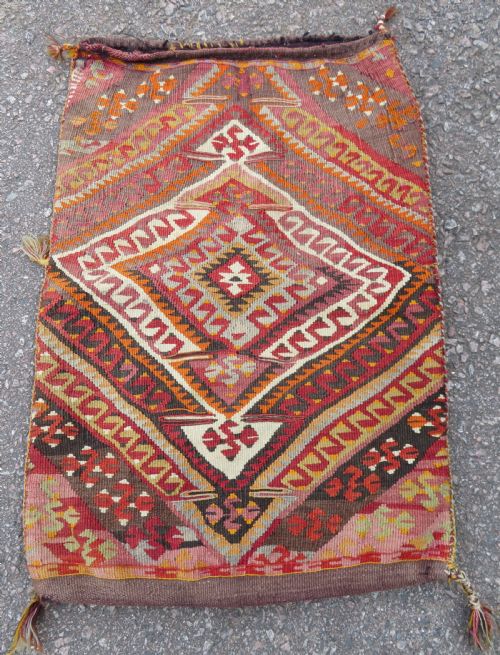
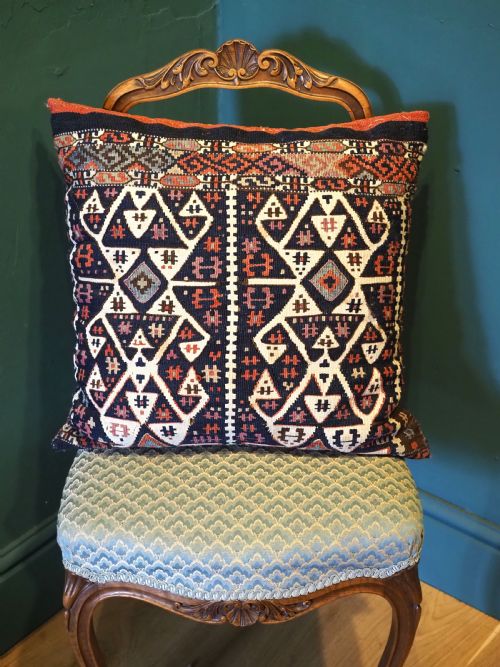
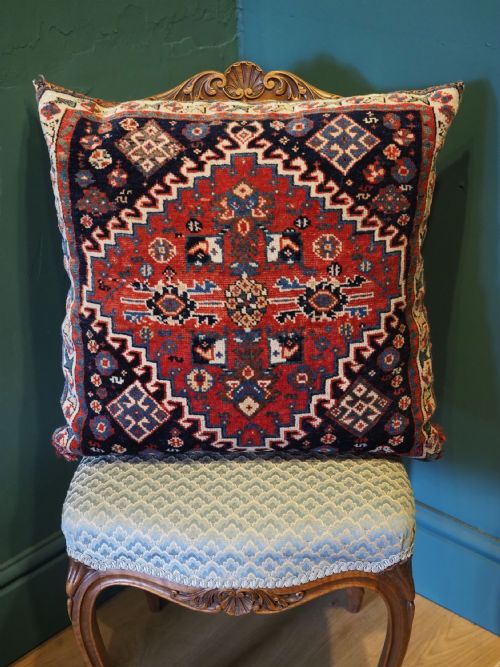
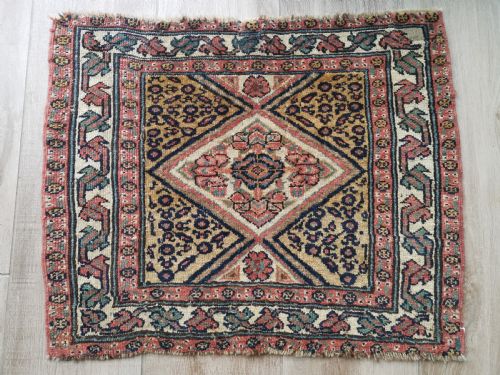
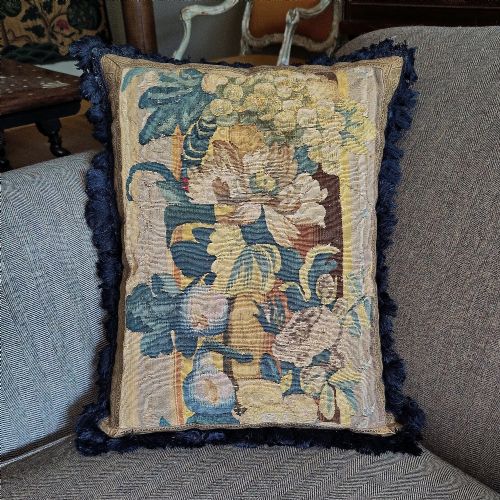
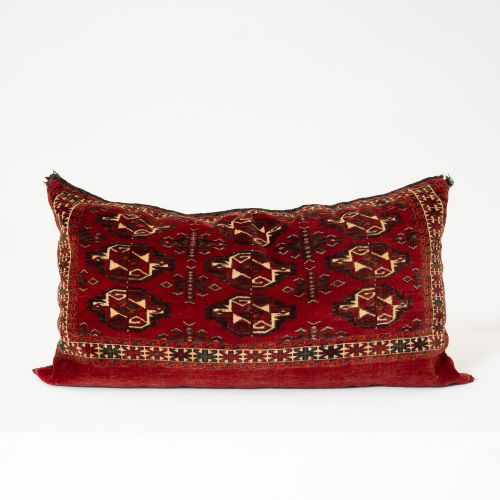
When you search for a vintage wool cushion, you encounter transformed fragments of nineteenth-century tribal weaving, storage bags, and saddle pieces. These textiles originate from Persian, Anatolian, and Turkmen groups, alongside seventeenth-century Flemish tapestries and French Aubusson designs. The listings lean heavily towards repurposed kilims, bag faces, and grain sacks rather than domestic items made yesterday.
You find pieces constructed from the remnants of Qashqai, Baluch, and Bakhtiari tribal work, often retaining their original wool or cotton backing. Many items take the form of square scatter cushions fashioned from flattened saddlebags or grain sacks. Others utilise fragments of historical European tapestries to achieve a formal, weighty presence on a chair or settee.
Distinctions in Quality
Quality rests upon the integrity of the original weave and the preservation of the motifs. Tightly knotted pile work or crisp kilim slit-tapestry yields a sharper design and a firmer handle than looser utility textiles. The stability of the backing material and the neatness of the assembly determine how well the piece maintains its form under use.
The pedigree of the source textile dictates the visual depth of the final cushion. Pieces cut from complete saddle bag faces or storage sacks retain balanced central medallions and complete borders. Fragmentary items show varying degrees of wear, where the appeal lies in the softness of the aged wool and the faded harmony of the dyes.
Vintage Wool Cushion Retail Price Guide 2026
Typical asking prices for vintage wool cushion among the pieces listed under this phrase on Sellingantiques today, from the lower quarter to the upper quarter. They describe what is for sale here now, not the wider market.
Nomadic weavers frequently hid tiny intentional errors in their geometric patterns to ward off the evil eye.
The Vintage Wool Cushion Glossary
- Kilim
- A flatwoven textile produced without a pile, common in Anatolian and Persian tribal work. These thin, durable weaves form the face of many scatter cushions.
- Bag face
- The decorative front panel of a nomadic storage bag or saddlebag. These panels are often removed and repurposed into cushions.
- Gul
- A medallion or repeating octagonal motif used in Turkmen and Baluch tribal rugs. The shape identifies the specific clan or weaving tradition.
- Tapestry
- A hand-woven textile featuring pictorial or floral designs created by interlocking weft threads. Seventeenth-century examples provide heavy, textured cushion covers.
Vintage Wool Cushion: Frequently Asked Questions
How do I clean a wool cushion?
Antique wool textiles require gentle surface cleaning or professional specialist textile care. Harsh detergents and machine washing will damage the historic fibres and vegetable dyes.
Regular light vacuuming through a mesh screen helps remove dust without pulling the aged wool yarns. Spot cleaning should be approached with extreme caution to avoid water rings.
Are these cushions made from old rugs?
Many cushions are constructed from repurposed tribal items like saddlebags, grain sacks, and storage torbas rather than standard floor rugs. These smaller utilitarian textiles provide durable wool surfaces and intricate geometric designs suited for seating.
Certain pieces incorporate fragments of larger tapestries or French Aubusson panels. This recycling gives surviving historical fabric a functional role in interior spaces.
How do I identify tribal designs?
Tribal patterns depend on the specific region and nomadic group, such as Qashqai, Bakhtiari, or Baluch weavers. Distinctive motifs include repeating guls, boteh shapes, and banded weft work designs.
Colour palettes and weaving densities also point to geographic origins, from Persian workshops to Anatolian villages. Examining the wool texture and fringe construction aids in determining the exact provenance.
Will antique wool feel scratchy?
Hand-spun nomadic wool possesses a dense, substantial texture that differs sharply from modern commercial textiles. While some older wool softens with age and handling, certain tribal grades retain a firm, rustic handle.
Lining materials and backing fabrics also influence the tactile experience of resting against the cushion. These pieces serve primarily as decorative accents on armchairs and sofas.