




Vintage Wooden Valet Stand
These vintage wooden valet stand designs organise daily clothing with sturdy timber construction and practical brass details.
Vintage Wooden Valet Stand
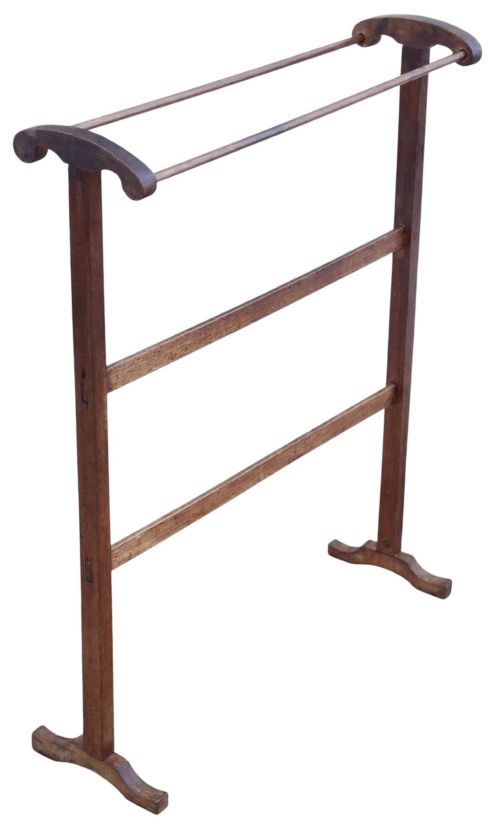
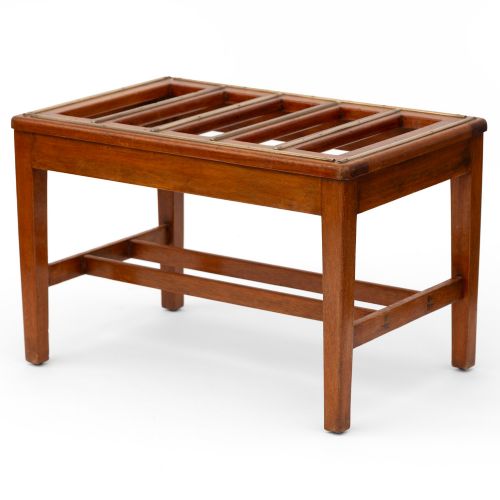
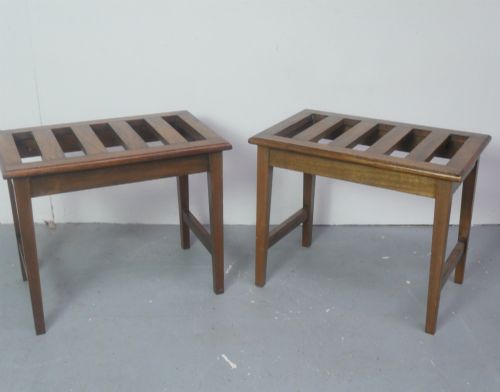
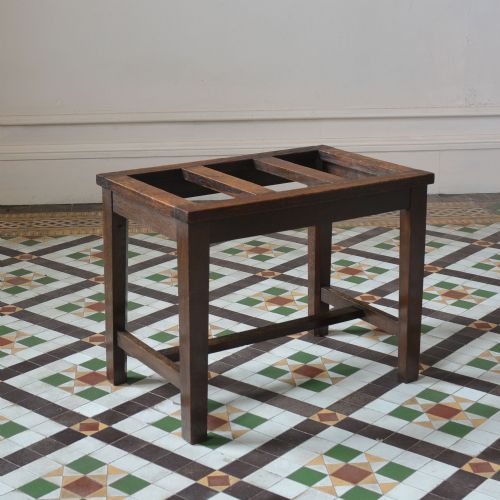
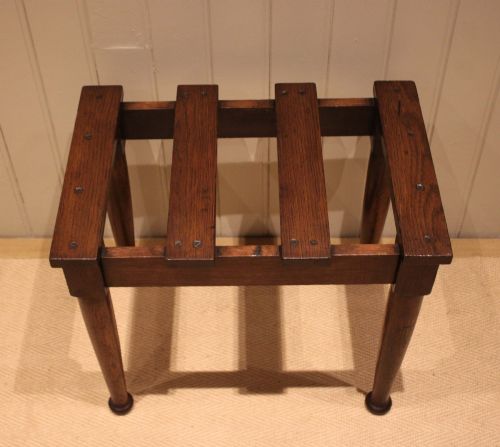
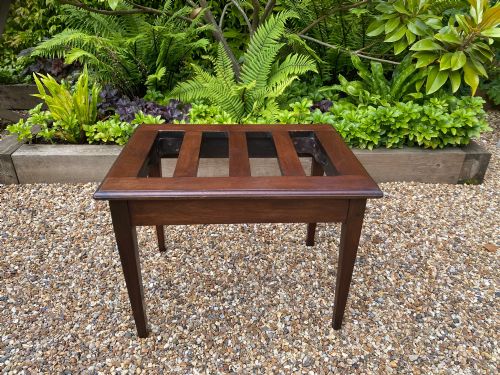
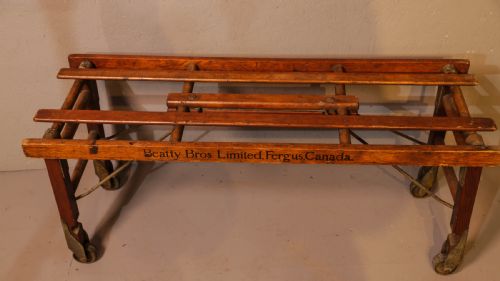
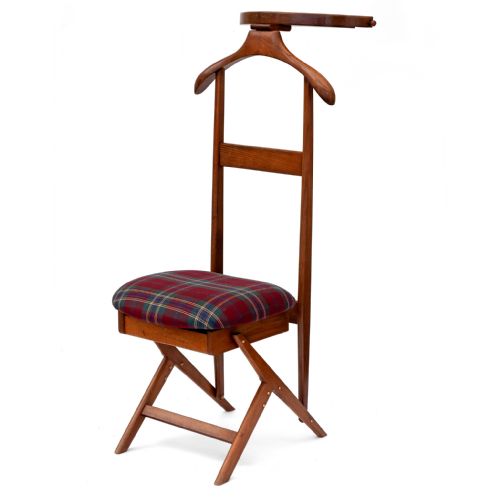
When you search for a vintage wooden valet stand, you encounter several forms that keep garments tidy in a bedroom or dressing room. The selection spans pieces designated as valet stands, luggage stands, luggage racks, coat stands, and towel rails from the Edwardian era through the 1930s. The forms vary from folding luggage racks to dedicated gentleman's valets.
How they were made
Makers utilised solid timbers such as oak, mahogany, walnut, and beech to build these stands. Wood selection dictated the weight and durability of each piece, whether shaped into a simple towel rail or a sturdy luggage rack.
Metal fittings, particularly brass, often reinforced the structural joints and folding mechanisms. Polished finishes were applied to the wood surfaces to highlight the grain and protect the material during daily use.
The listings span periods from 1900 through the 1930s, including Edwardian pieces.
What varies in quality
The selection of timber and the solidity of the construction separate everyday utility pieces from finer examples. Heavier hardwoods and polished finishes indicate a higher standard of manufacture.
Detailing in the woodwork and the quality of any brass hardware distinguish a standard piece from a superior design. Construction robustness determines how well the stand withstands weight and movement.
The Vintage Wooden Valet Stand Glossary
- Valet stand
- A freestanding piece of furniture designed to hold a suit, jacket, trousers, and accessories overnight. It keeps garments pressed and ready for morning wear.
- Luggage stand
- A low folding or rigid rack used to hold suitcases or bags off the floor. These items often feature wooden slats and sturdy legs.
- Edwardian
- A stylistic period spanning the reign of King Edward VII until 1910. Furniture from this time often shows lighter proportions and classic revival designs.
- Towel rail
- A frame of wood designed for hanging textiles. In bedroom settings, these frequently double as temporary clothes hangers.
Vintage Wooden Valet Stand: Frequently Asked Questions
What is a vintage wooden valet stand used for?
A vintage wooden valet stand provides a dedicated place to hang a suit, trousers, and jacket at the end of the day. It keeps everyday clothing organised and ready for the following morning.
These stands also accommodate accessories and shoes depending on the specific design. They function primarily in bedrooms and dressing rooms as compact wardrobe assistants.
How do I date a wooden valet stand?
Dating relies on identifying the prevailing styles, timber types, and construction methods characteristic of periods like the Edwardian era or the 1920s. Examining the joinery and hardware offers further clues to the manufacturing decade.
Makers often employed specific hardwoods and brass fittings during certain decades. Comparing the form against known examples from the 1900s to the 1930s clarifies the age.
Are luggage stands the same as valet stands?
Luggage stands serve a different primary function by holding suitcases and bags off the floor rather than hanging garments upright. However, both forms belong to the broader category of practical bedroom furniture.
Many listings group luggage racks and luggage stands alongside traditional valets due to their similar materials and origins. Both types utilise sturdy woods like oak and mahogany.
Where should I place a valet stand?
A valet stand fits best in a bedroom, dressing room, or walk-in wardrobe close to where you dress. Placing it against a wall ensures stability and easy access to your clothes.
Keeping the stand in a stable environment away from extreme moisture protects the polished wood and brass elements. Position it where you can easily drape jackets and trousers at night.