





Vintage Wooden Tool Box
A vintage wooden tool box brings sturdy utility and rich patina into a room, offering robust storage built for daily work.
Vintage Wooden Tool Box
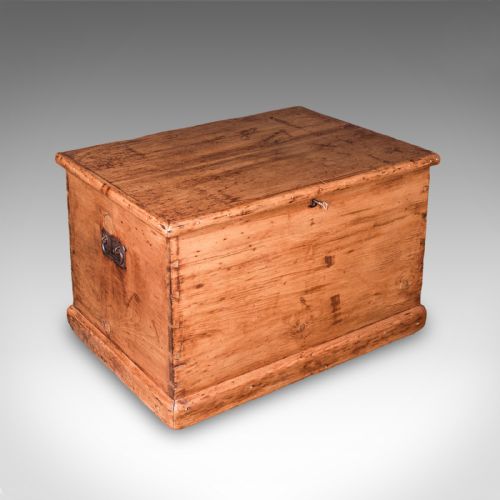
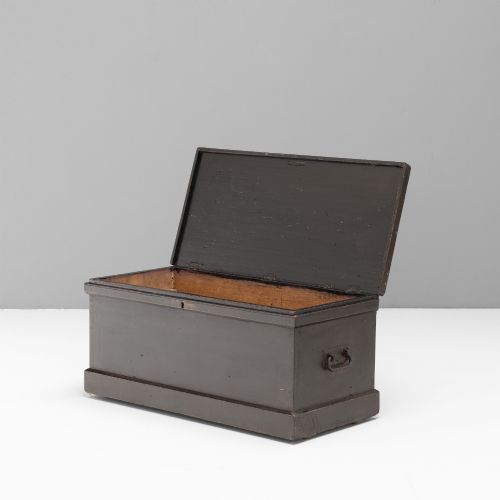
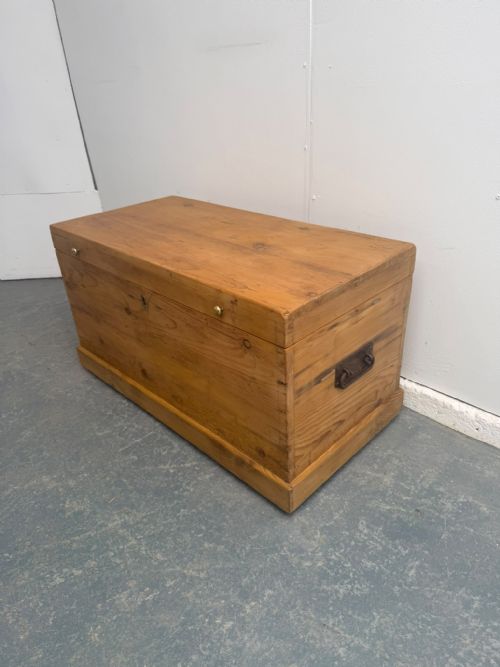
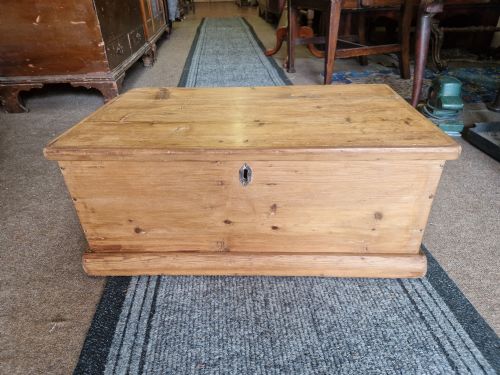
A vintage wooden tool box serves as both a practical storage trunk and a piece of social history, originating from workshops, ships, and trade sites. When exploring this selection, pine emerges as the most common timber, shaped into robust chests and blanket boxes.
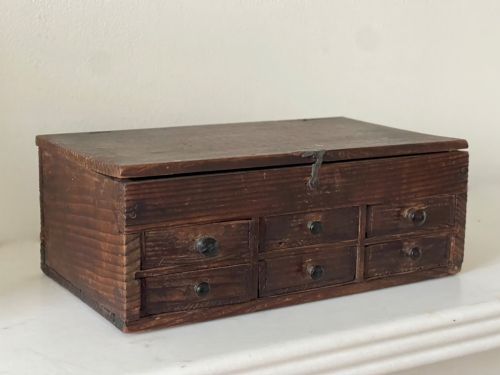
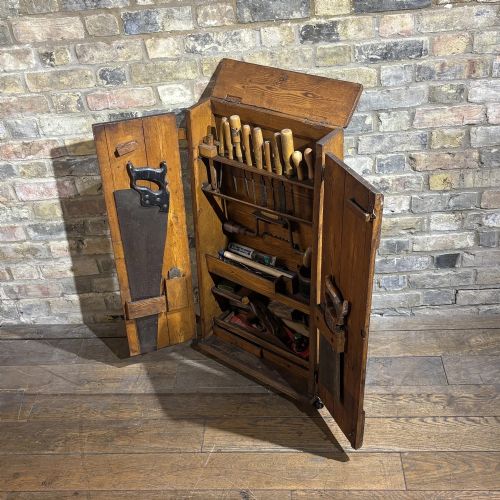
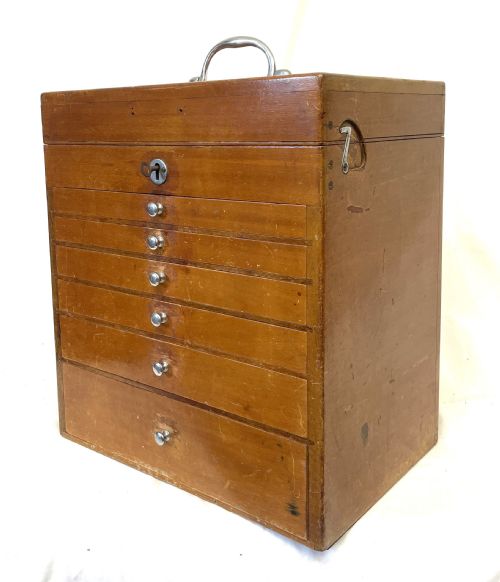
Examples range from compact portable cabinets and apothecary chests to large carpenters' trunks with fitted interiors. Pieces span the Georgian, Victorian, and Edwardian eras, alongside early twentieth-century utilitarian cases.
Materials and construction
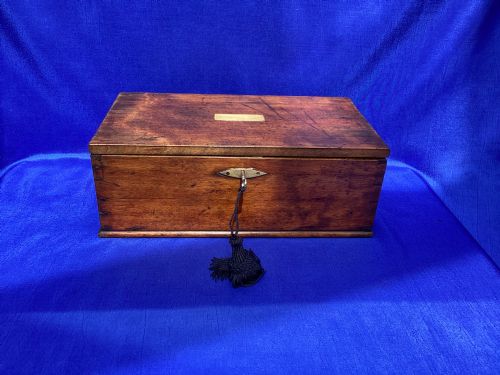
Makers relied primarily on pine, pitch pine, mahogany, and elm for the main bodies, selecting these timbers for their durability. Iron and brass feature heavily in the form of reinforced corners, drop handles, and working locks.
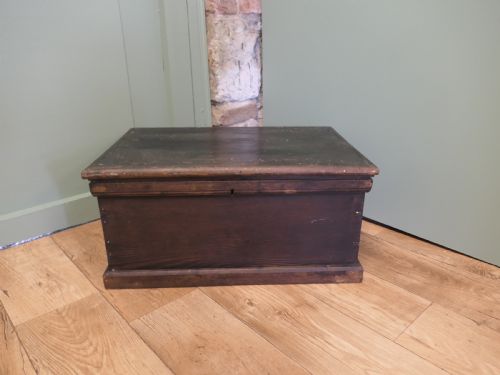
Surfaces frequently show the marks of active working lives, finished with wax, dark stains, maritime paint, or left as plain scrubbed wood. Internal tills and compartments were constructed to secure specific instruments and hand tools.
Vintage Wooden Tool Box Retail Price Guide 2026
Typical asking prices for vintage wooden tool box among the pieces listed under this phrase on Sellingantiques today, from the lower quarter to the upper quarter. They describe what is for sale here now, not the wider market.
Storage forms span blanket boxes, technical drawing cases, apothecary cabinets, and heavy-duty carpenters' chests.
Factors of quality
Quality rests in the integrity of the joinery, the thickness of the timber, and the retention of original hardware such as brass bindings and working locks. Superior examples retain their internal fitted trays, partitions, and maker plates.
The distinction between a standard utility box and a finer piece lies in the subtlety of the dovetail joints and the preservation of authentic surface finishes, whether painted maritime surfaces or polished mahogany.
Holtzapffel and Co·Gnome Et Le Rhone Engine Company
The Vintage Wooden Tool Box Glossary
- Dovetail
- A joint formed by interlocking wedge-shaped fingers, prized for its exceptional strength in chest construction.
- Till
- A small internal sliding tray or compartment built into the upper section of a chest for holding smaller items.
- Pitch pine
- A resinous softwood noted for its density and prominent grain pattern, frequently utilised in maritime and heavy-duty trunks.
- Pine
- A versatile softwood widely employed across nineteenth-century workshop furniture and domestic storage boxes.
- Brass bound
- A method of reinforcing box corners and edges with metal strips to withstand rough transport.
Vintage Wooden Tool Box: Frequently Asked Questions
How do I clean a vintage wooden tool box?
Dust the surface gently with a dry cloth to preserve the accumulated patina and original finish. Avoid harsh modern detergents that strip away historical wax or dry out the timber.
Nourish dry pine or mahogany occasionally with a traditional beeswax polish applied sparingly. This protects the wood without altering its authentic appearance.
Were these boxes only used by carpenters?
While carpenters and joiners utilised many of the large chests, similar boxes served shipwrights, dentists, engineers, and scientists. Specialised fitted interiors accommodated technical drawing sets, hydrometers, and apothecary equipment.
Maritime workers also relied on painted pine seaman chests for personal belongings during long voyages. Each trade required specific internal arrangements to protect delicate instruments.
How do I date a wooden tool box?
Examine the construction methods, such as the size and regularity of the dovetail joints and the type of secondary timbers used. Georgian and early nineteenth-century pieces often feature hand-cut joints and heavier timber.
Hardware styles, including brass drop handles and iron locks, offer further chronological clues. Maker labels or stamped inscriptions on the wood can pinpoint specific eras like the Victorian or Edwardian periods.
Can I use a tool chest as a coffee table?
Large pine carpenters' chests and blanket boxes provide a sturdy flat surface well suited for placement in a living space. Their internal storage accommodates blankets, books, and household items.
Ensure the lid is stable and secure before resting items on top. The robust construction of these trunks easily supports daily domestic use.