


Vintage Wooden Tabletop Chest
A vintage wooden tabletop chest serves as a compact place to store small items, bringing period craftsmanship directly to a desk or sideboard.
Vintage Wooden Tabletop Chest
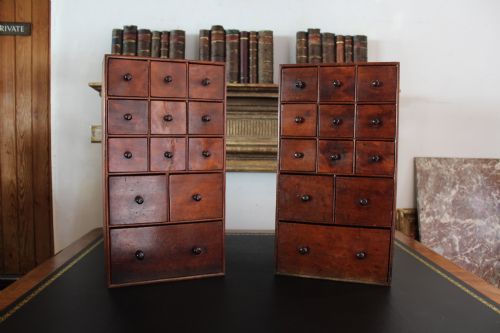
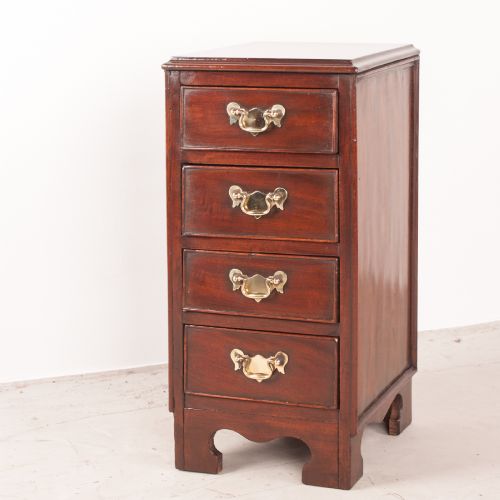
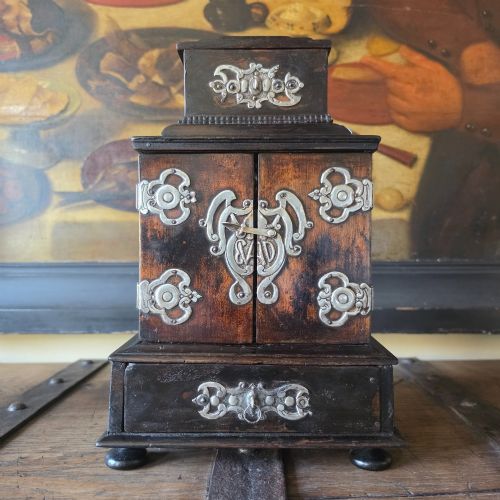
When you search for a vintage wooden tabletop chest, you encounter a diverse selection of small storage forms including miniature furniture, jewellery cabinets, spice cabinets, and multi-drawer banks designed to sit on surfaces rather than the floor. These pieces date from the eighteenth century through to the nineteen-thirties, spanning Georgian, Victorian, and Edwardian eras.
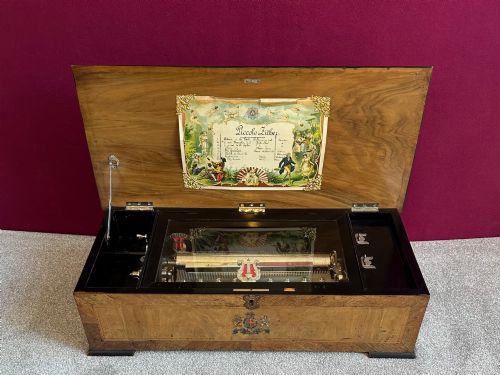
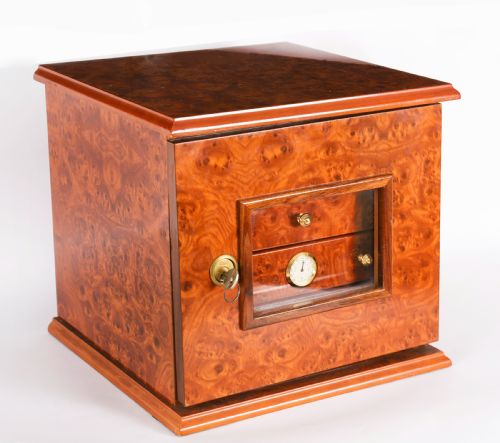
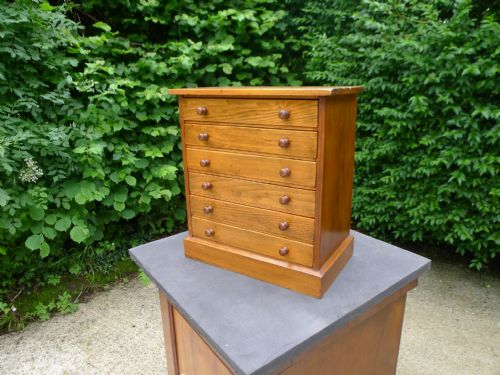
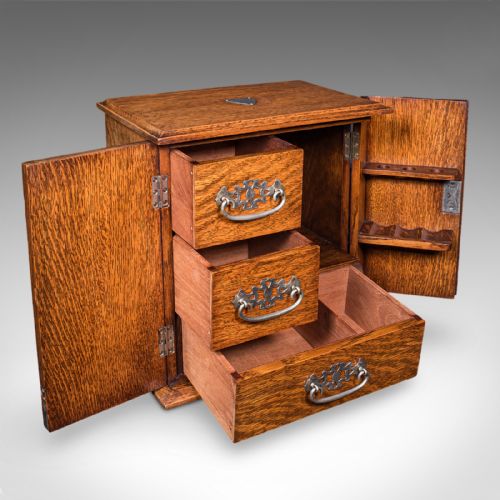
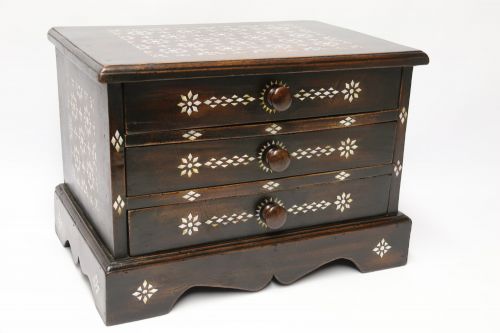
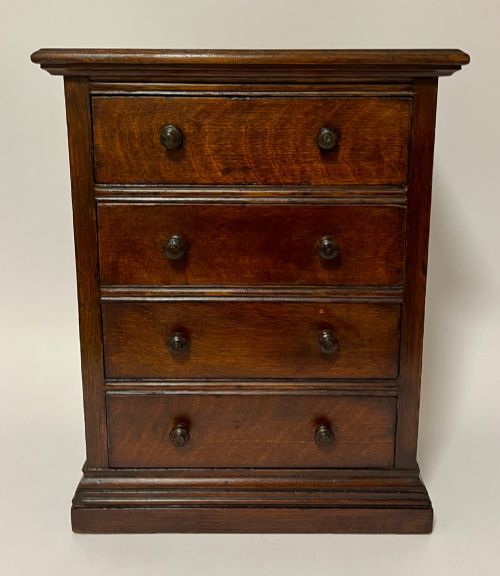
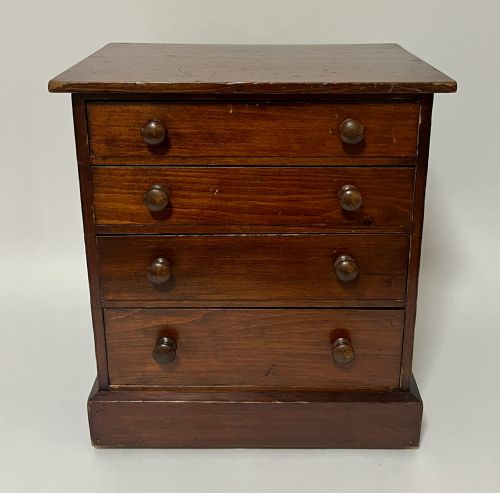
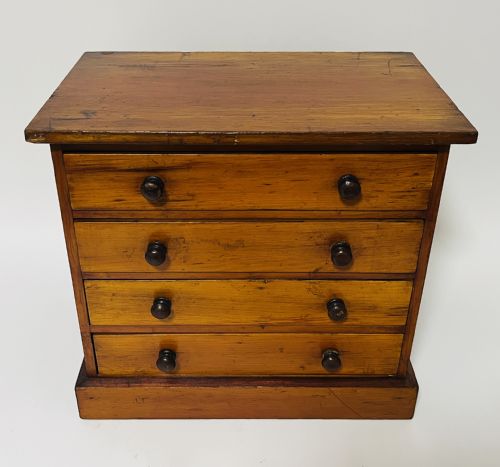
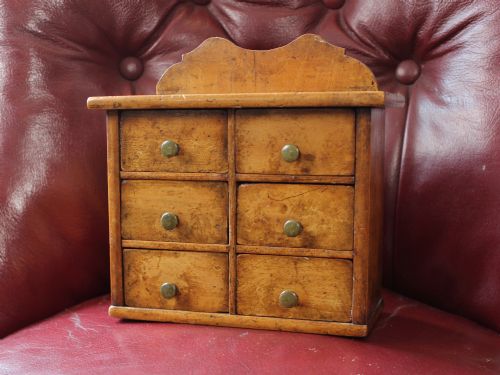
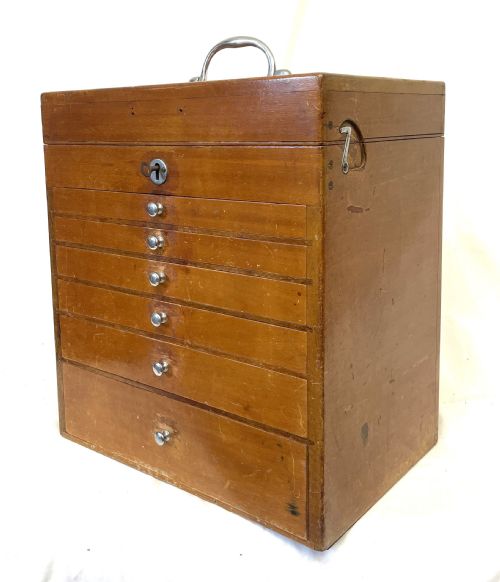
The specimens on this page include apprentice pieces, miniature chests of drawers, cigar humidor cabinets, apothecary drawers, and music boxes. Materials range from traditional hardwoods like mahogany, walnut, and oak to pine, deal, fruitwood, palmwood, and burr elm, often accented with brass hardware.
How they were made
Cabinetmakers constructed these chests using solid timbers and veneers such as mahogany, walnut, oak, and pine, frequently incorporating brass drop handles, locks, and hinges. Joinery techniques varied from simple nailed or screwed pine and deal boxes to finely dovetailed hardwood drawers suited to holding small valuables or apothecary items.
Surface finishes involved polishing, staining, lacquering, or leaving woods like oak and fruitwood in their natural state, while specialised pieces featured glass fronts for display or inlaid details typical of Anglo-Indian and continental workshops.
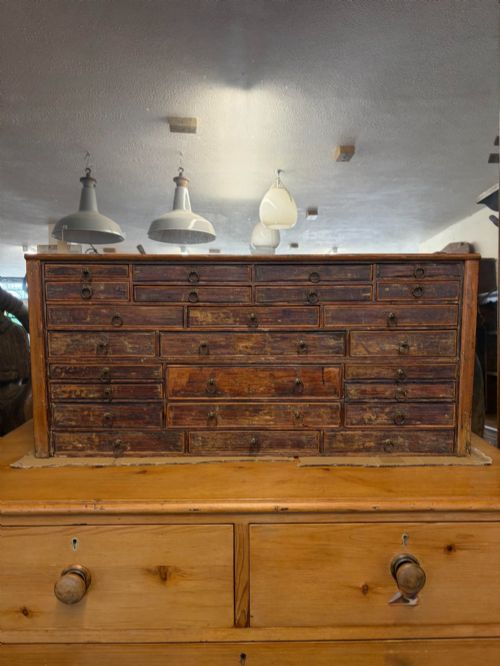
One twenty-five-drawer bank originally served an establishment in Ilfracombe, ready to swallow an immense quantity of tiny lost buttons.
What varies in quality
The grade of a piece rests on the choice of timber and the precision of the construction, moving from simple stained pine spice cabinets up to finely figured burr elm, satin walnut, and polished mahogany collector's cabinets. Superior examples display careful joinery, intact original brass fittings, working locks with keys, and specialised interiors designed for jewellery, medical instruments, or specimens.
Simpler deal or stained pine index filing drawers and utilitarian apothecary chests sit at the working end of the scale, whereas miniature apprentice chests of drawers and inlaid hardwood collector's chests represent finer decorative ambition.
The Vintage Wooden Tabletop Chest Glossary
- Apprentice piece
- A small item demonstrating skill created by a woodworker learning a trade. These often mirror full-sized chests of drawers or armoires.
- Collector's cabinet
- A specialised storage unit featuring multiple shallow drawers designed for classifying specimens, coins, or small objects. They frequently include glass doors or locking mechanisms.
- Apothecary chest
- A set of small drawers utilised for storing medicines, herbs, or homeopathic remedies. They often feature numerous small compartments and original brass pulls.
- Humidor
- A specialised cabinet lined for storing cigars at a controlled humidity. Burr elm is a favoured timber for these decorative tabletop cases.
- Inlay
- A technique where contrasting woods or materials are inserted into depressions in the base timber to create decorative patterns. This method appears on Anglo-Indian pieces.
Vintage Wooden Tabletop Chest: Frequently Asked Questions
What were tabletop chests originally used for?
These small chests served practical purposes in homes, surgeries, and offices for storing jewellery, spices, music mechanisms, or medical supplies.
Doctors, pharmacists, and collectors relied on multi-drawer units to organise remedies, specimens, and documents within arm's reach.
How do I date a wooden tabletop chest?
Dating relies on identifying the timber species, construction methods, hardware styles, and period characteristics recorded in the design.
Georgian and Victorian pieces often show hand-cut dovetails and solid mahogany or oak, while Edwardian and later twentieth-century examples introduce different veneers and construction markers.
Can I use a vintage chest for modern storage?
The shallow drawers and compact footprints suit storing desk supplies, jewellery, trinkets, or small craft items.
Placing them on sideboards or dressing tables allows you to utilise period storage for everyday contemporary items.
What is the difference between a specimen cabinet and a jewellery box?
Specimen cabinets typically feature numerous narrow drawers intended for organising natural history items, coins, or small collections.
Jewellery boxes and trinket chests usually incorporate lined compartments, mirrors, or lifting trays designed specifically for personal accessories.