


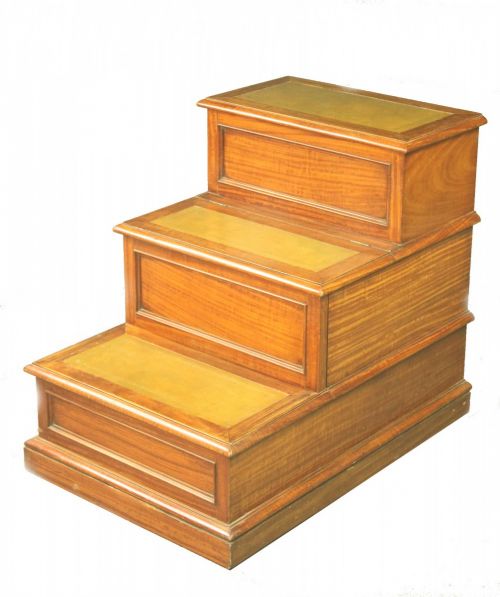


Vintage Wooden Step Stool
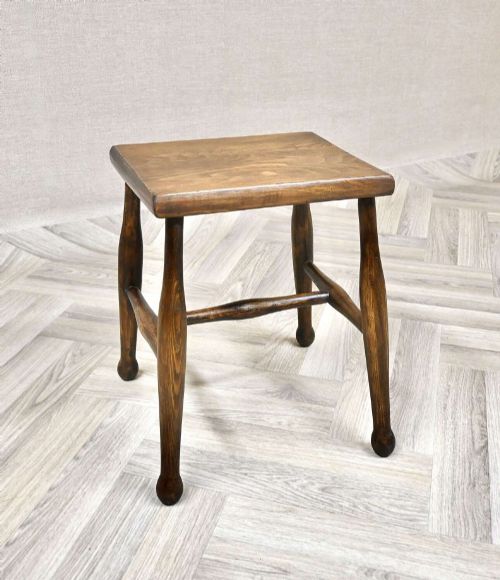
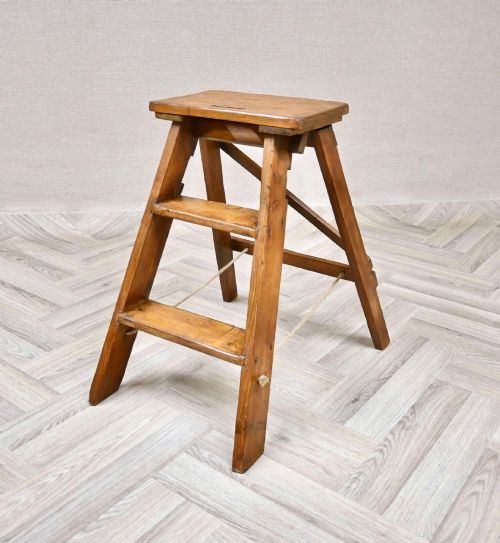
These vintage wooden step stool examples offer practical utility and classical form, spanning multiple centuries and woods.
Vintage Wooden Step Stool
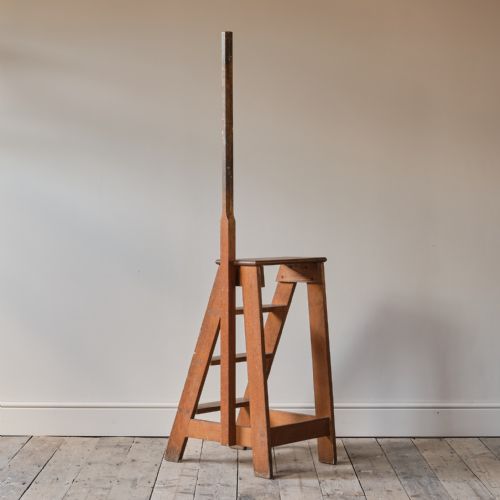
When you search for a vintage wooden step stool, you encounter a wide selection of functional items ranging from humble country pieces to grand library steps. The pieces available traverse periods like the Victorian era, Edwardian period, and the 1920s and 1930s, reflecting diverse domestic and institutional uses.
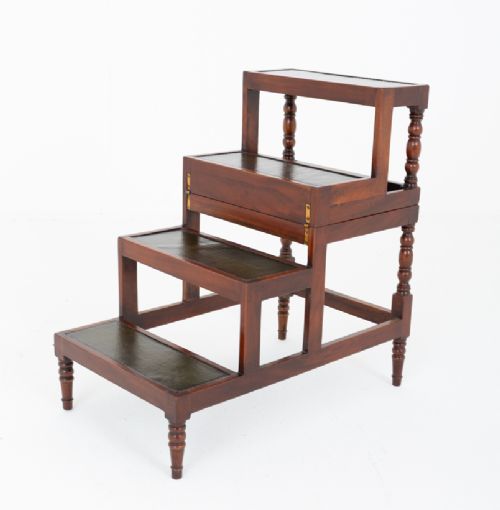
You are most likely to meet mahogany or oak library steps on this page, alongside rustic country stools and utilitarian step ladders. These objects often combine the need for elevation with fine cabinetmaking or sturdy vernacular construction.
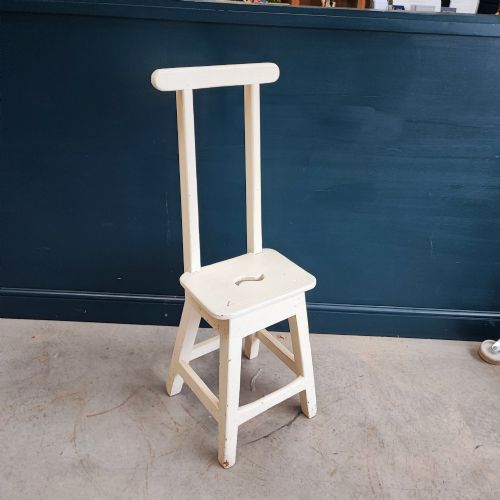
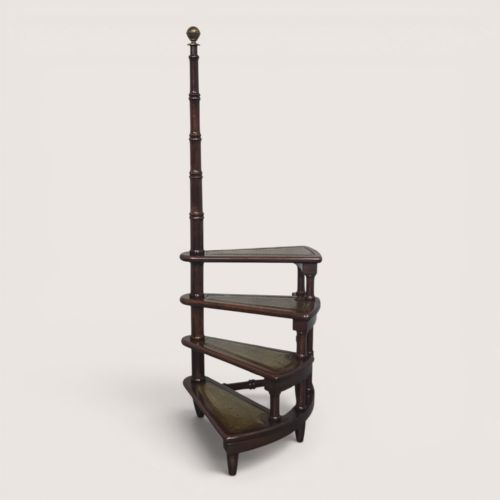
The assortment includes metamorphic chair ladders that transform from seating into steps, spiral designs with leather treads, and simple pine or fruitwood flights. Each piece tells a story of period craftsmanship adapted to everyday access needs.
Materials and construction methods
Cabinetmakers and rural joiners utilised sturdy timbers including mahogany, oak, pine, cedar, and fruitwood to build these step stools. Hardwoods like mahogany and golden oak appear frequently in library forms, while pine and fruitwood populate the rustic and country categories.
Construction techniques involve secure joinery, turned supports, and occasionally brass fittings or leather inserts on treads. Some items incorporate folding or metamorphic mechanisms that allow a chair to convert securely into a set of steps.
Vintage Wooden Step Stool Retail Price Guide 2026
Typical asking prices for vintage wooden step stool among the pieces listed under this phrase on Sellingantiques today, from the lower quarter to the upper quarter. They describe what is for sale here now, not the wider market.
Judging the standard of manufacture
The quality of a vintage wooden step stool depends largely on the integrity of its joints, the selection of timber, and the refinement of the carpentry. Superior examples display thoughtful timber selection, such as figured mahogany or golden oak, paired with robust structural framing that handles weight safely.
Subtleties like leather-topped treads, turned vertical supports, and smoothly operating metamorphic hinges distinguish high-status library pieces from utilitarian workshop or kitchen ladders. The harmony between functional safety and decorative cabinetwork dictates the standing of each piece.
The Vintage Wooden Step Stool Glossary
- Metamorphic chair
- An ingenious piece of furniture designed to transform from a chair into a flight of steps. This dual-purpose design was particularly popular in large libraries during the nineteenth and early twentieth centuries.
- Library steps
- A flight of wooden steps created to reach high bookshelves. They range from small three-step units to large architectural ladders and spiral formations.
- Treads
- The horizontal surfaces or steps upon which one places feet when climbing. In finer library examples, these treads are frequently inset with tooled leather.
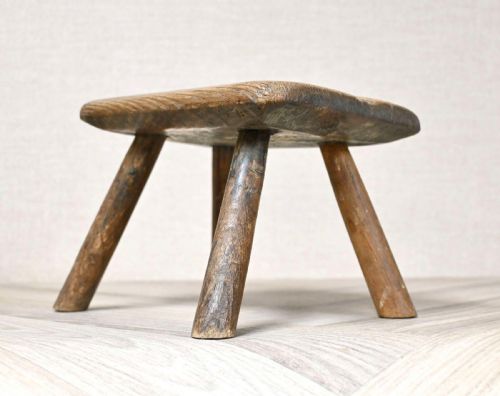
- Footstool
- A low stool designed to support the feet, appearing in materials like pitch pine and oak. These smaller pieces often share the vernacular styling of larger step furniture.
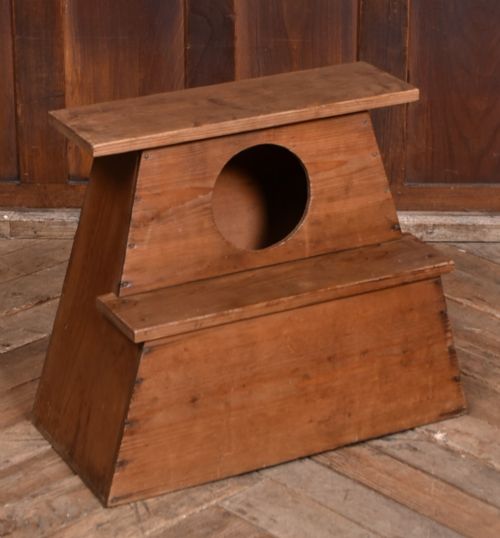
- Slipper box
- A specialised wooden box or small piece of furniture utilised for storing slippers, often contemporaneous with early twentieth-century oak pieces.
Vintage Wooden Step Stool: Frequently Asked Questions
How do I identify library steps?
Library steps are identified by their ascending tiered platforms, designed specifically to reach high shelving in domestic or institutional libraries. They often feature sturdy handrails, turned supports, or leather-topped treads.
Many examples date from the nineteenth century or the early twentieth century and are constructed from dense timbers like mahogany or oak. Their proportions are dictated by the height of traditional bookcases.
What is a metamorphic chair?
A metamorphic chair is a clever piece of dual-purpose furniture that converts from a traditional seat into a set of steps. This design allowed homeowners to save space while retaining practical access to high spaces.
Mechanisms vary, but the backrest or seat pivots securely to reveal stable wooden treads underneath.
Are these steps safe to use?
Most antique and vintage wooden steps remain structurally sound if constructed from hardwoods like oak or mahogany and joined securely. However, their utility depends on the individual condition and the integrity of the wooden joints.
Buyers intending to use them daily should inspect the stability of the treads and upright supports before climbing.
How do I tell Victorian from Edwardian steps?
Victorian steps tend to feature heavier timbers like mahogany and denser ornamentation, reflecting the architectural tastes of the nineteenth century. Edwardian examples often display lighter oak construction and simpler, more restrained lines.
Arts and Crafts influences also emerge around the turn of the twentieth century, emphasising honest construction and exposed joinery.