



Vintage Wooden Shoe
A vintage wooden shoe carries the honest weight of utilitarian craft, offering character and history to any hallway or shelf.
Vintage Wooden Shoe
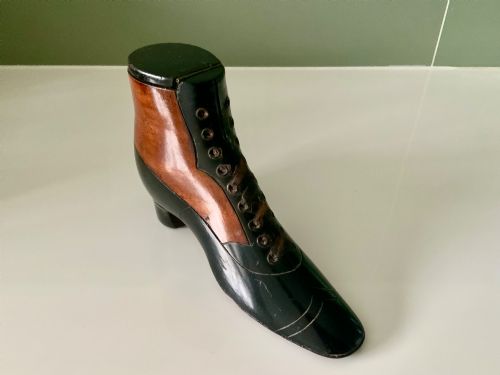
A vintage wooden shoe encompasses a diverse group of practical items linked to footwear care, storage, and miniature carving from the Georgian, Victorian, and Edwardian eras. Buyers searching this phrase encounter functional hall items, small treen snuff boxes, and display items rather than footwear meant for walking.
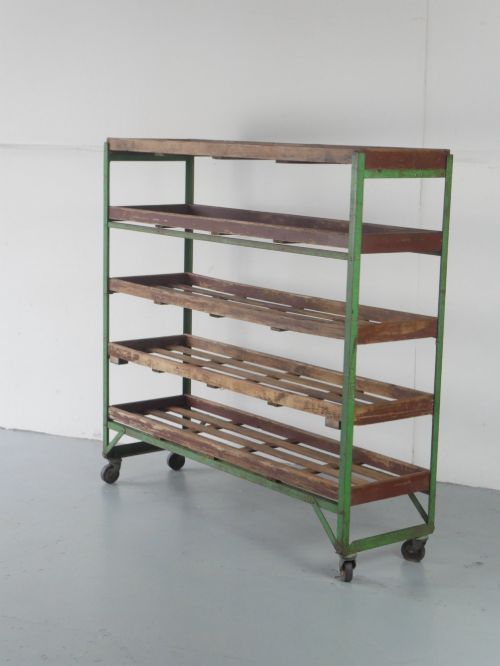
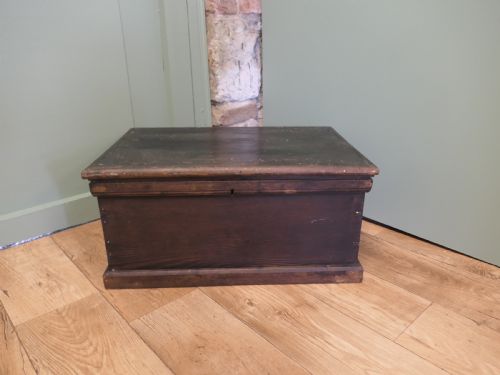
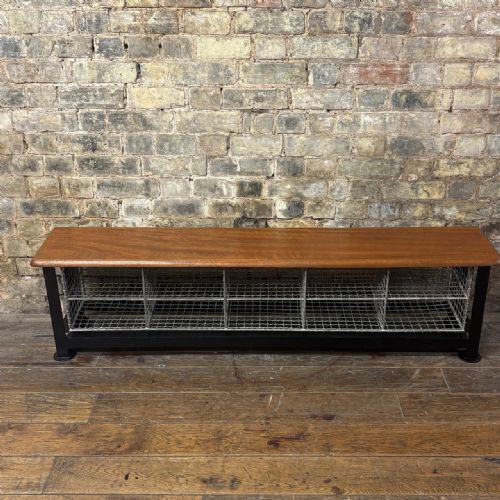
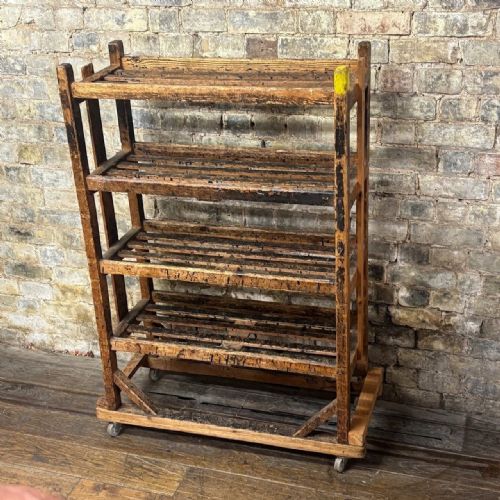
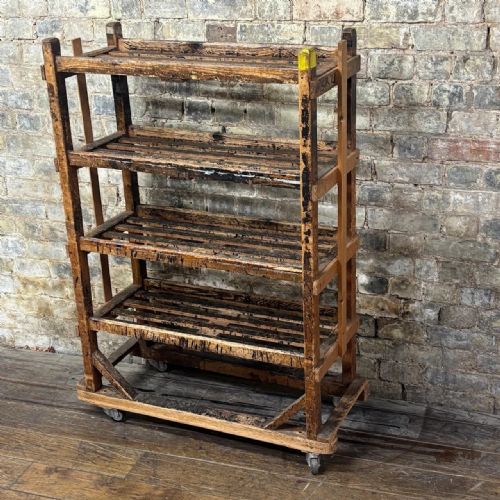
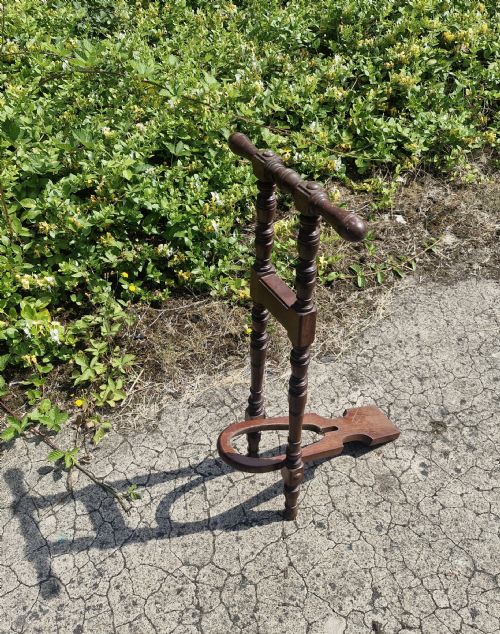
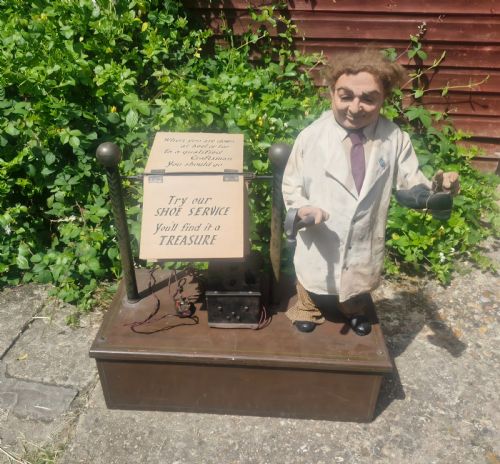
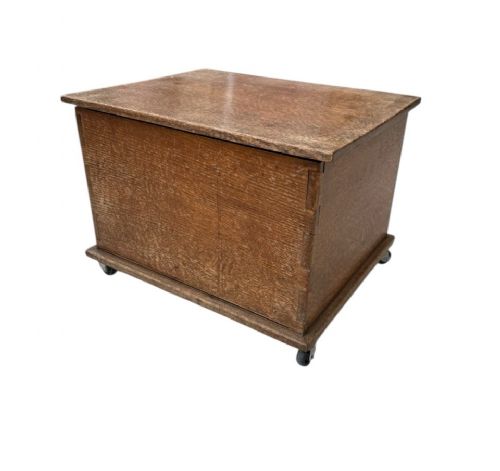
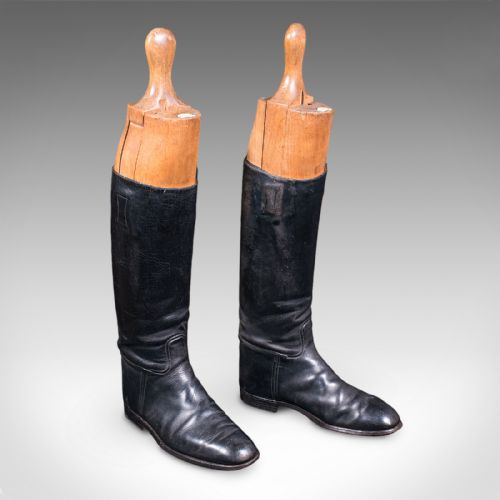
The most common forms on this page include mahogany and oak boot jacks, pine storage boxes, and cedar boot trees alongside unusual theatrical items and industrial shoe trolleys. These pieces range from domestic hall furniture to tradesman display models.
Origins stretch from English country houses to industrial workshops, reflecting both domestic routine and the trade of the shoemaker. The domestic items served everyday hallway needs, while smaller treen pieces remained pocket-sized curiosities.
How they were made
Makers shaped these items primarily from solid hardwoods like mahogany, oak, and walnut, alongside utility pine and boxwood. Brass and iron fixings provide hinges and structural support on folding boot jacks and industrial trolleys.
Carpenters and turners utilised hand-carving and turning techniques, particularly evident in treen snuff boxes and solid boot lasts. Joinery on boxes and benches relies on traditional dovetailed or pegged construction designed to endure heavy daily use.
Vintage Wooden Shoe Retail Price Guide 2026
Typical asking prices for vintage wooden shoe among the pieces listed under this phrase on Sellingantiques today, from the lower quarter to the upper quarter. They describe what is for sale here now, not the wider market.
Listings feature mahogany, oak, walnut, pine, and boxwood across domestic boot jacks, storage boxes, and industrial trolleys.
What varies in quality
The distinction between standard utility items and superior examples lies in the selection of timber grain and the crispness of turned or carved details. Finer pieces display well-figured mahogany, tight-grained boxwood, and integrated brass mounts that remain structurally sound.
Original patina and the integrity of moving parts, such as folding hinges on shoe pulls and mechanisms on display models, determine the preservation standard. Retaining original leather components and unblemished polished surfaces elevates an example above basic workshop stock.
Maxwell London
The Vintage Wooden Shoe Glossary
- Boot jack
- A V-notched device used for removing boots without bending down. Most examples date from the Victorian and Georgian periods in oak or mahogany.
- Treen
- Small wooden domestic objects made by turners and carpenters. Items include miniature shoe snuff boxes shaped from boxwood or mahogany.
- Boot tree
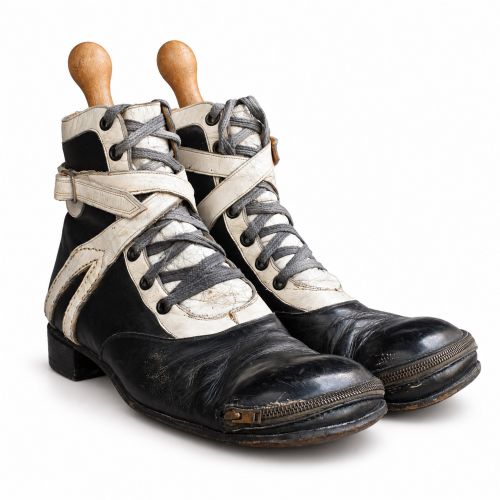
- Wooden shapes inserted into boots to maintain their form and absorb moisture. They frequently appear in pairs with metal adjustment mechanisms.
- Cobbler's last
- A solid block shaped like a foot used by shoemakers for fashioning footwear. They are often found mounted on metal or wooden stands.
- Snuff box
- A small pocket container for holding powdered tobacco. Shoe-shaped examples are carved from dense hardwoods as decorative conversation pieces.
Vintage Wooden Shoe: Frequently Asked Questions
How were boot jacks used?
A boot jack sat on the floor of an entrance hall or porch, anchored by one foot while the heel of the other boot slotted into the V-shaped mouth. This allowed the wearer to pull their foot free without straining their back.
Most domestic versions were kept near the front door in country houses and officers' quarters where muddy riding boots were common daily wear.
What is a shoe snuff box?
A shoe snuff box is a small treen container carved in the precise shape of a shoe or slipper, featuring a sliding or hinged lid. Gentlemen carried them in pockets during the Georgian and Victorian eras for sharing dry snuff.
Craftsmen often fashioned these from boxwood or mahogany, frequently incorporating inlaid brass details to mimic buckles and stitching.
How do I date a wooden boot jack?
Dating relies on timber choice, construction methods, and hardware style. Georgian and early Victorian examples generally feature dense mahogany or oak with hand-cut joinery and heavy brass hinges.
Later Victorian and Edwardian pieces often introduce simpler folding mechanisms and softer pine or walnut construction suited to mass production.
Where should I place a boot rack?
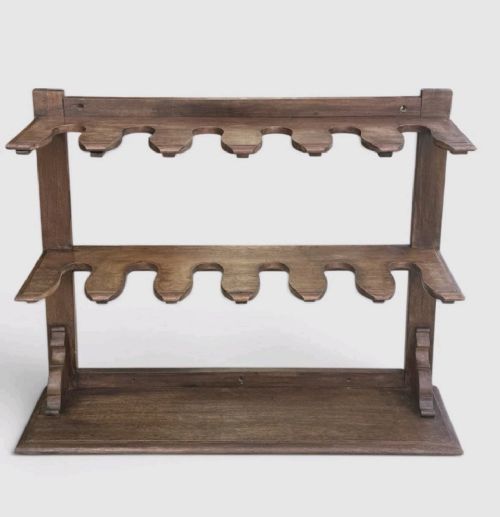
Boot racks and shoe benches suit entrance hallways, boot rooms, and dressing areas where footwear accumulation requires tidy storage. Their solid wood construction handles everyday placement of heavy leather footwear.
Living with these pieces brings both functional organisation and tactile historical character to modern interior spaces.