






Vintage Wooden Sewing Box
A vintage wooden sewing box brings order to needles and threads while anchoring a room with period warmth.
Vintage Wooden Sewing Box
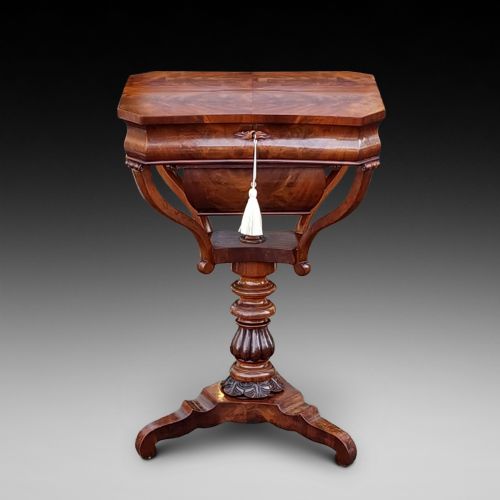
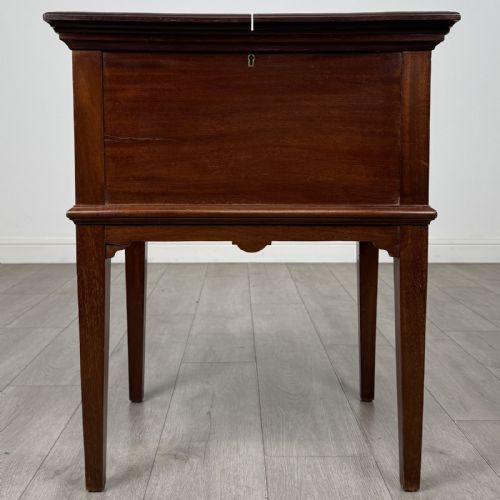
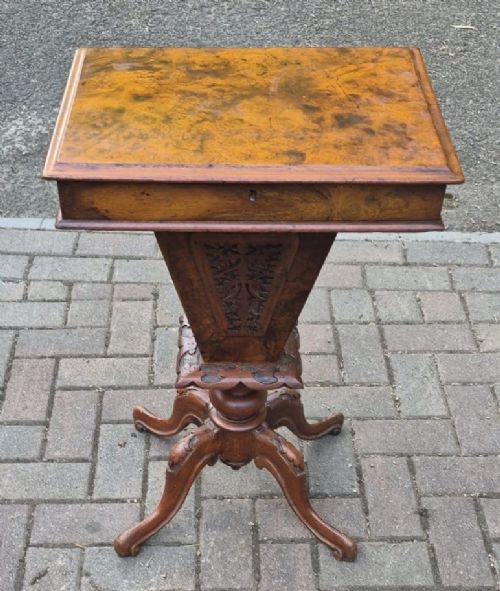
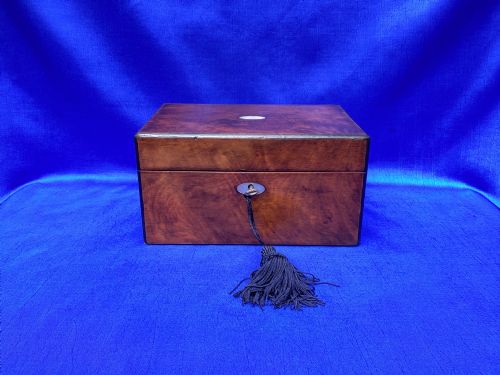
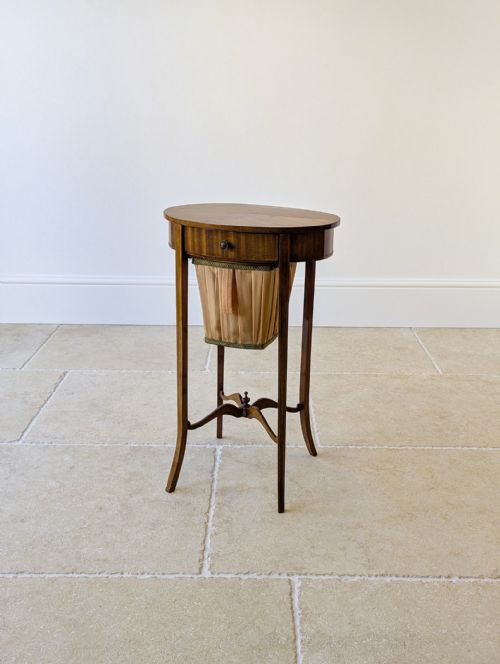
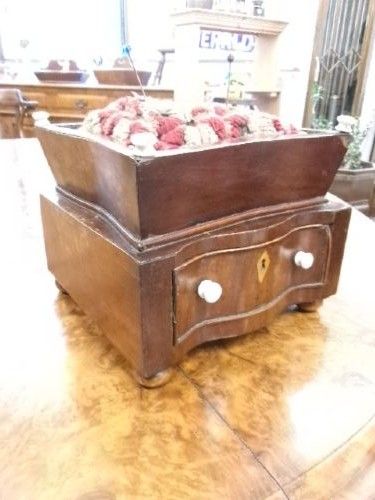
A vintage wooden sewing box is a practical container designed to hold needles, threads, and textile tools, appearing across this page in various historical forms. Buyers examining these listings encounter everything from small tabletop caskets to larger freestanding work tables on legs.
The material record spans centuries, showing periods from the Georgian era through to the mid-twentieth century. Victorian examples appear frequently, often taking the form of work boxes or fitted cabinets intended for a lady's parlour.
Makers utilised numerous timber varieties to construct these pieces, ranging from dense rosewood and flame mahogany to lighter satinwood and fruitwood. Many items combine storage compartments with specialised surfaces for sewing or needlework.
Materials and Technique
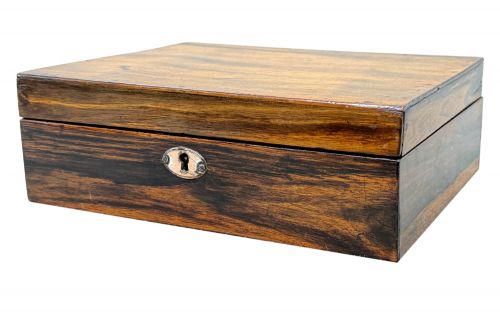
Cabinetmakers built these containers using sturdy hardwoods like mahogany, walnut, and oak, often selecting specific grains for visual depth. Delicate veneers such as rosewood and satinwood covered core structures to create smooth, polished surfaces.
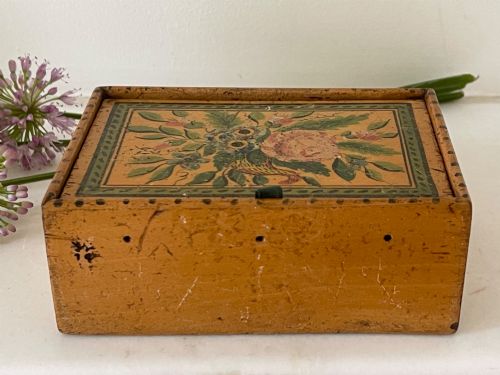
Decoration relied on precision inlay work, including Tunbridge Ware patterns, mother of pearl highlights, and brass stringing. Interior compartments frequently featured fitted trays, hidden spaces, and pincushions lined with fabric.
Vintage Wooden Sewing Box Retail Price Guide 2026
Typical asking prices for vintage wooden sewing box among the pieces listed under this phrase on Sellingantiques today, from the lower quarter to the upper quarter. They describe what is for sale here now, not the wider market.
Listings span the Georgian, Victorian, Edwardian, and 1950s periods, incorporating materials like mahogany, rosewood, walnut, and brass.
Assessing Quality
Quality reveals itself in the precision of the joinery and the selection of the timber veneers. Pieces featuring complex internal mechanics, secret compartments, and intricate mother of pearl or Tunbridge Ware inlay stand apart from simpler utilitarian boxes.
The refinement of the hardware, such as brass mounts, locks, and hinges, distinguishes high-workshop production from standard output. Surviving interior fittings, including original trays and needlework compartments, elevate the integrity of the piece.
Ermen & Roby
The Vintage Wooden Sewing Box Glossary
- Tunbridge Ware
- A form of woodworking characterised by mosaic designs created from tiny pieces of naturally coloured woods to form geometric or pictorial scenes. It appears frequently on nineteenth-century boxes and trinket cases.
- Work Table
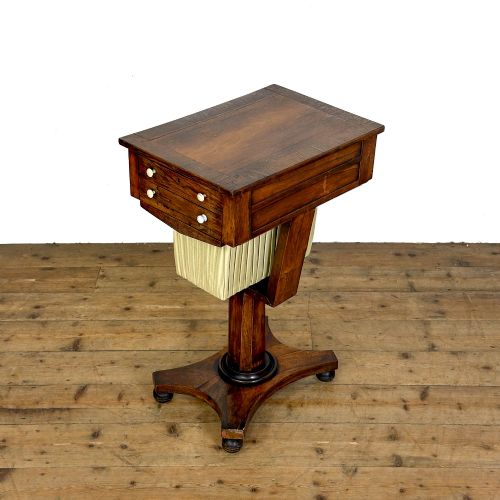
- A freestanding piece of furniture incorporating storage for sewing materials beneath a tabletop or lift-up lid. These items served both decorative and functional roles in period drawing rooms.
- Treen
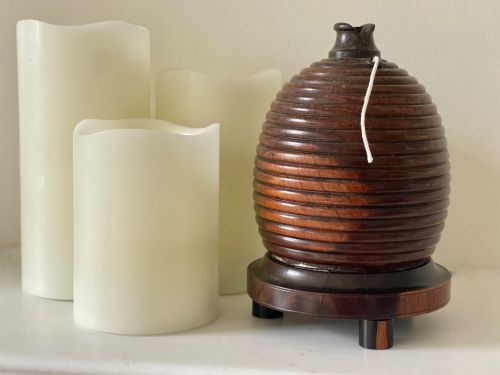
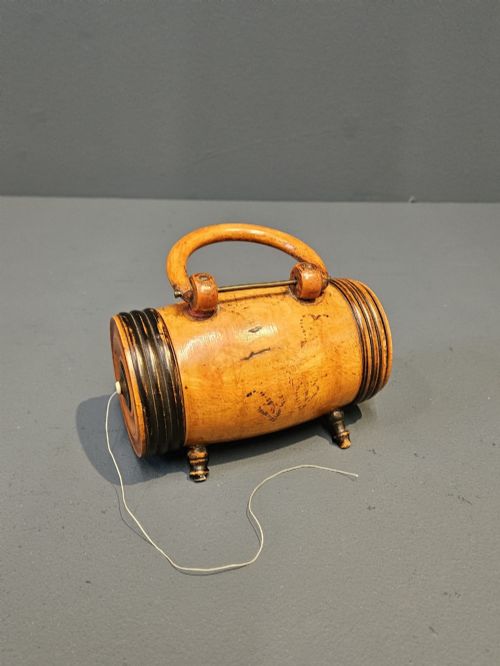
- Small handmade wooden household objects and utilitarian items collected for their material age and folk character. Examples include string boxes and turned containers.
- Ormolu
- Gilded bronze mounts applied to furniture and decorative boxes to accent corners, edges, and handles. This technique added decorative flair to nineteenth-century luxury pieces.
- Cantilever
- A structural design allowing tiered trays within a cabinet or box to swing outward simultaneously when opened. This mechanism provided access to multiple storage levels at once.
Vintage Wooden Sewing Box: Frequently Asked Questions
What is a sewing table?
A sewing table is a freestanding piece of furniture designed with internal storage compartments specifically for needlework and textile tools. Many versions feature a lift-up lid or drawers that conceal fitted trays.
These pieces served as functional work stations in period homes while functioning as elegant side tables in sitting rooms.
How do I date a wooden sewing box?
Dating relies on examining the timber species, construction methods, and decorative styles visible across the piece. Victorian examples often utilise rosewood or walnut with inlaid mother of pearl, while Edwardian versions frequently feature inlaid mahogany.
Hardware styles and interior fittings also provide clues to the decade of manufacture, aligning with historical periods from Georgian to mid-century.
What is Tunbridge Ware?
Tunbridge Ware is a specialised type of mosaic woodworking originating from Kent, featuring detailed geometric or pictorial designs assembled from tiny wood prisms. Craftsmen applied these intricate wooden tiles to the lids and sides of small boxes and tea caddies.
Pieces bearing this decoration represent a high standard of nineteenth-century decorative craft and remain prized by collectors.
How were these boxes used originally?
These boxes held sewing threads, needles, pins, and fabric scraps used for daily garment mending and needlecraft projects. Fitted interiors kept delicate tools organised and protected within velvet or silk-lined compartments.
Larger versions doubled as writing slopes or jewellery storage, serving versatile functions in domestic spaces.