

Vintage Wooden Seating
Vintage wooden seating gathers together chairs, benches and stools forged from oak, elm, mahogany and pine across the nineteenth and twentieth centuries.
Vintage Wooden Seating
When buyers search for vintage wooden seating, they encounter a broad array of domestic furniture spanning the Georgian, Victorian and Edwardian eras. The selection ranges from robust country kitchen chairs and rustic settles to formal dining sets and oak refectory benches.
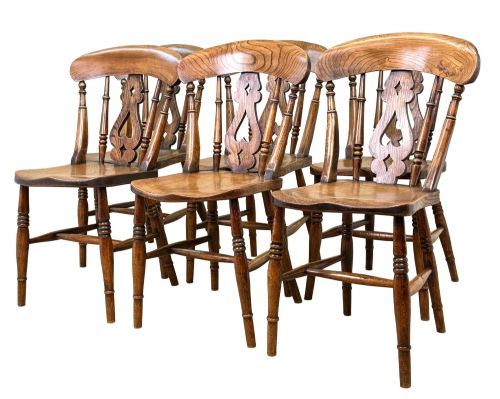
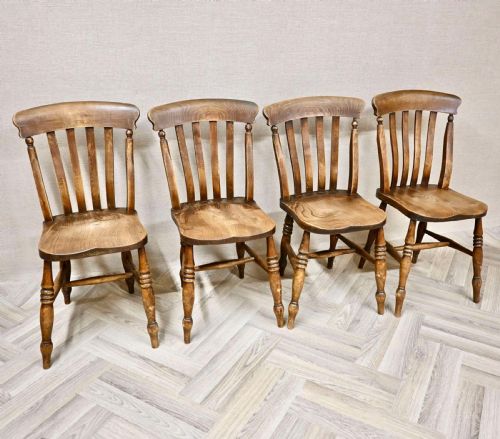
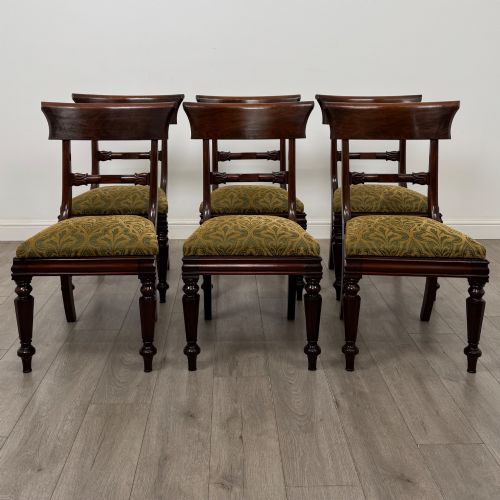
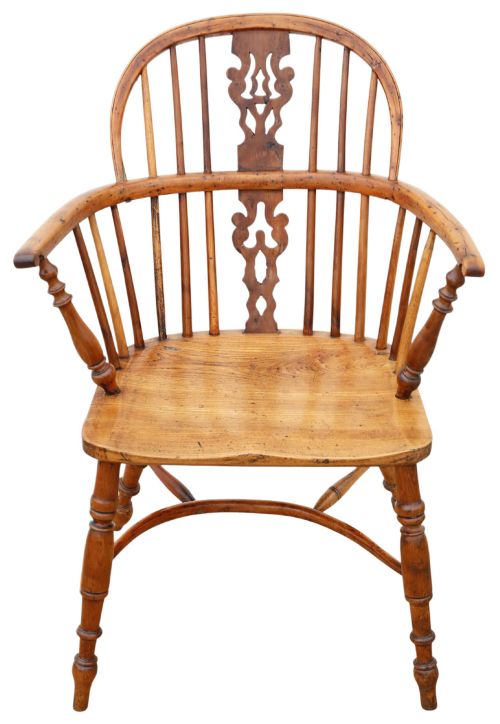
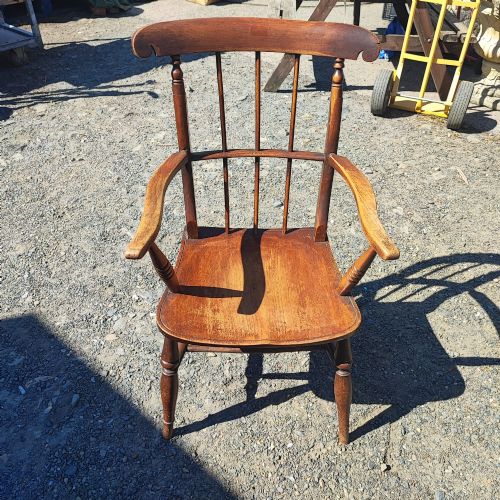
Kitchen and Windsor chairs dominate the forms, frequently combining elm seats with ash or beech spindles. Formal dining chairs appear in mahogany and walnut, carrying styles from Chippendale, Hepplewhite and William IV periods.
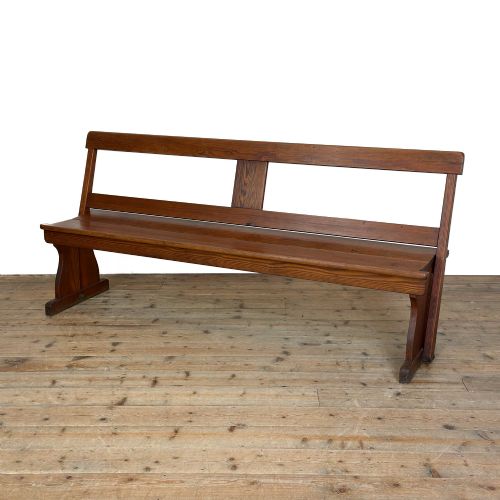
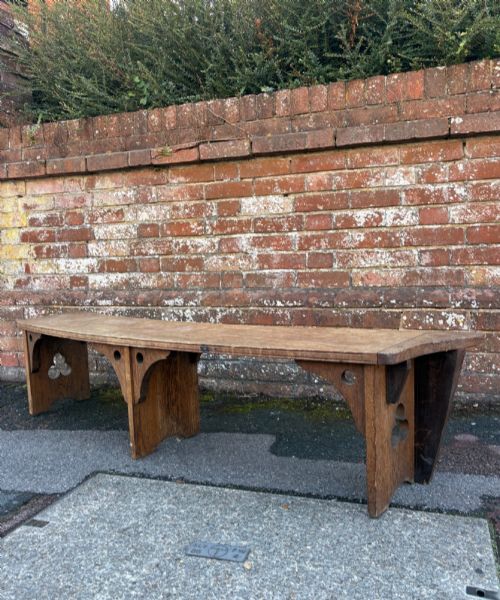
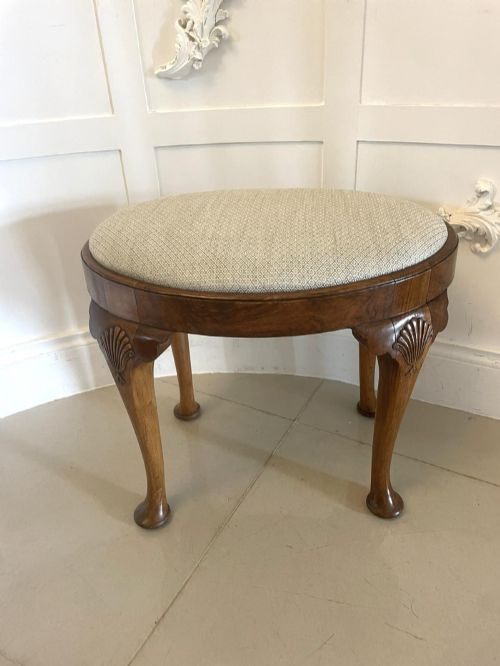
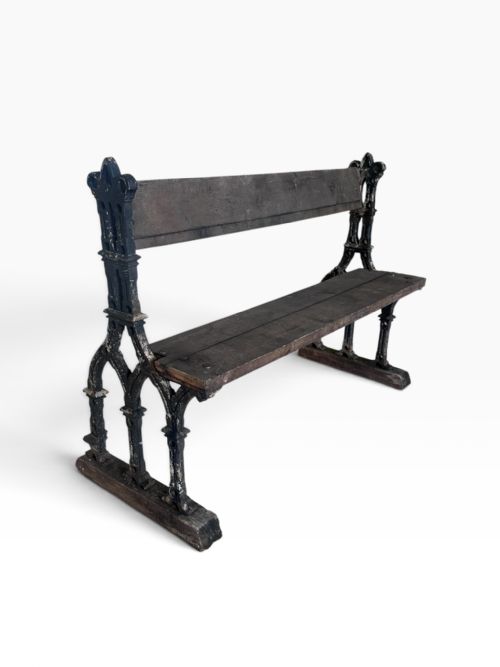
Stools and benches serve varied domestic purposes, including pub seating, hall benches, garden seats and low piano stools. These pieces reflect the functional needs of nineteenth and early twentieth century domestic and commercial spaces.
Materials and construction methods
Joinery methods rely on traditional techniques such as mortise and tenon joints, dovetailing and steam-bending. Windsor chairs utilise shaped wooden seats into which independent spindles and legs are wedged.
Cabinet makers selected dense hardwoods like oak, mahogany and walnut for formal parlour and dining furniture, whilst rural makers utilised accessible regional timbers including elm, ash, beech, sycamore and pine.
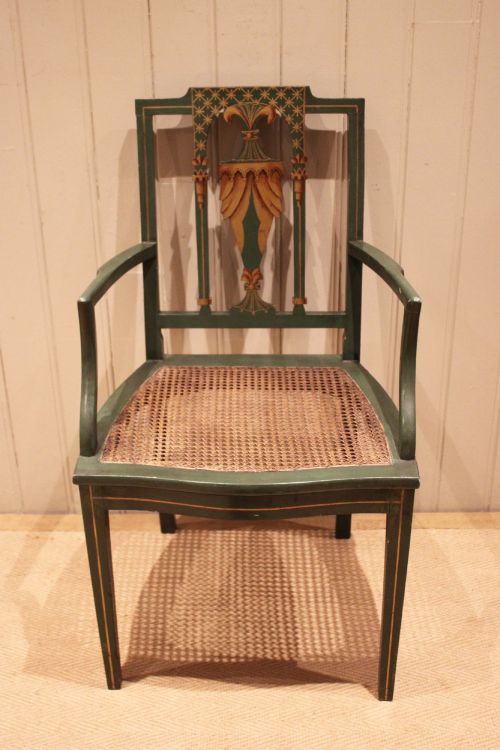
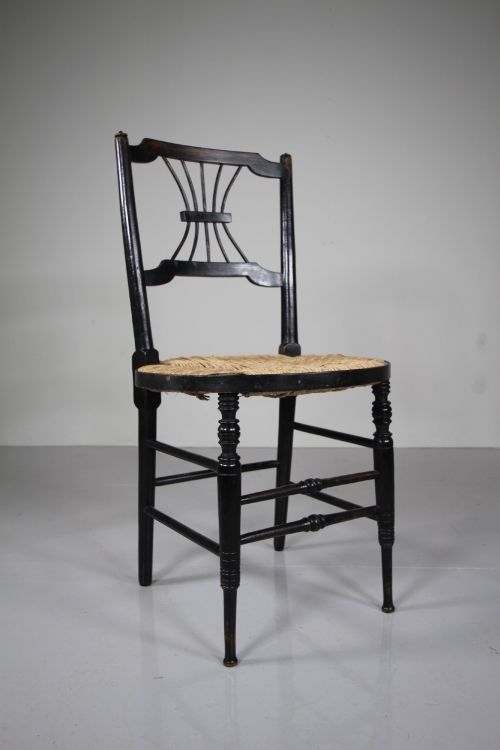
Surface treatments range from waxed and polished grain to painted finishes, folk art embellishments and rush or cane seating woven into frames.
Several listings record industrious silversmiths and artisans sitting atop sturdy nineteenth century machinist stools while working.
Factors determining quality
Construction integrity separates everyday utility items from superior examples. Master craftspeople achieved precise joinery that maintains structural rigidity without relying on excessive metal reinforcement or modern adhesives.
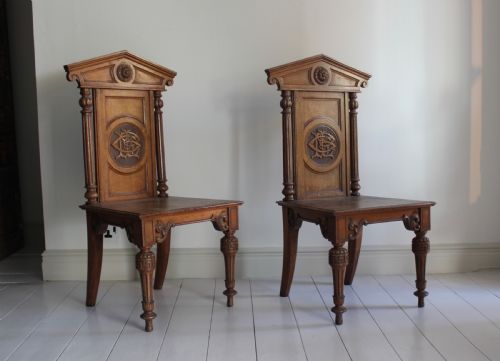
Timber selection dictates visual depth and longevity, with well-figured mahogany, quarter-sawn oak and richly grained elm commanding higher regard. The retention of original patination and untouched surface finishes preserves historical authenticity.
Maple and Co·Morris and Co
The Vintage Wooden Seating Glossary
- Windsor chair
- A chair built with a solid wooden seat into which the back and legs are direct-tenoned. These rural seats often combine elm for the saddle with ash or beech for the bentwood components.
- Settle
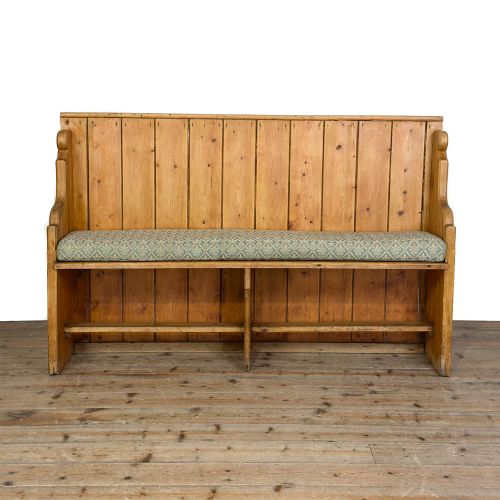
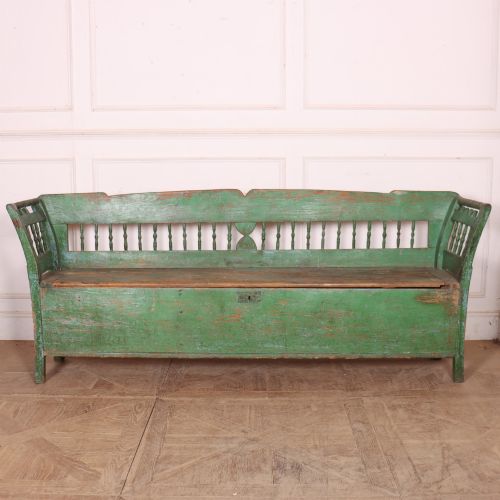
- A wooden bench featuring a high back designed to block draughts, often incorporating a hinged seat with enclosed storage beneath. They stood near hearths in farmhouses and public houses.
- Carver
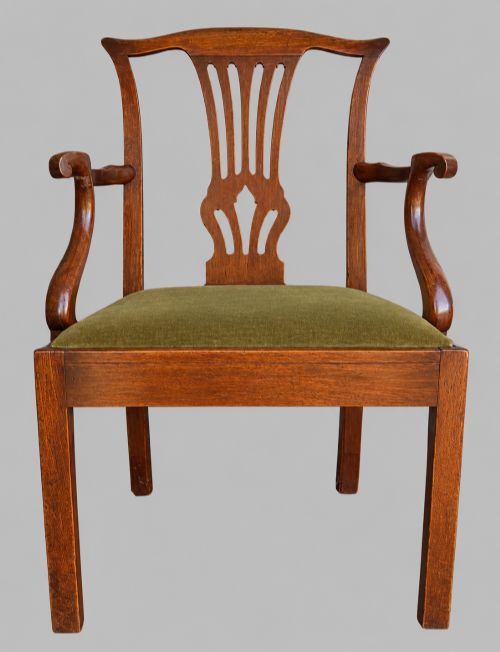
- An armchair designed to match a set of dining side chairs, traditionally placed at the head of a table. They feature supportive armrests integrated into the upper frame.
- Refectory
- A long, narrow dining table or accompanying bench originating from communal dining halls. These sturdy pieces utilise heavy trestle supports or central stretchers.
- Stick back
- A chair construction method where turned wooden spindles are inserted directly into the seat base to form an open backrest. This functional vernacular style appears across nineteenth century folk furniture.
Vintage Wooden Seating: Frequently Asked Questions
What is a Windsor chair?
A Windsor chair is a seating form constructed by inserting independent turned spindles and legs directly into a solid, saddle-shaped wooden seat.
These chairs developed distinct regional variations across Britain and later America, favouring native timbers like elm, ash and yew for their resilience.
How do I date a wooden chair?
Dating relies on examining tool marks, timber species, joinery methods and stylistic motifs relative to known historical periods. Hand-sawn components and pegged joints often suggest earlier manufacture.
Design details such as Regency brass inlay, Victorian Gothic tracery or Edwardian restraint help narrow the decade of production.
Where were settles used?
Settles served as principal seating benches in farmhouses, cottages and public houses before central heating became common. Their high wooden backs and solid sides sheltered occupants from cold indoor draughts.
Many examples included lift-up seats providing discreet storage for blankets or household provisions.
What timber is best for chairs?
Makers selected different woods based on structural requirements and regional availability. Elm provided a split-resistant, tough surface for carved saddle seats.
Flexible timbers like ash and beech suited steam-bent hoops and spindles, while dense hardwoods like mahogany and oak served formal dining environments.