




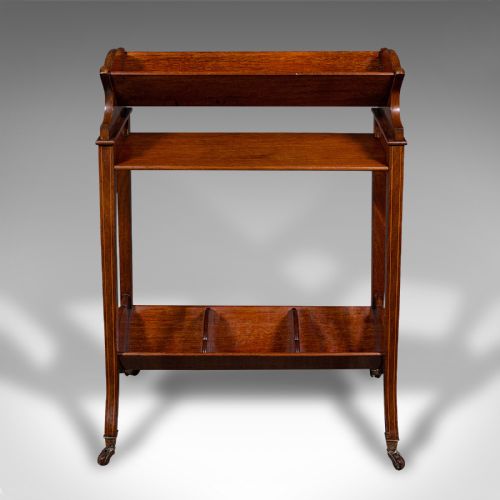


Vintage Wooden Reading Table
These vintage wooden reading table pieces bring practical book storage and adjustable stands straight to your favourite armchair.
Vintage Wooden Reading Table
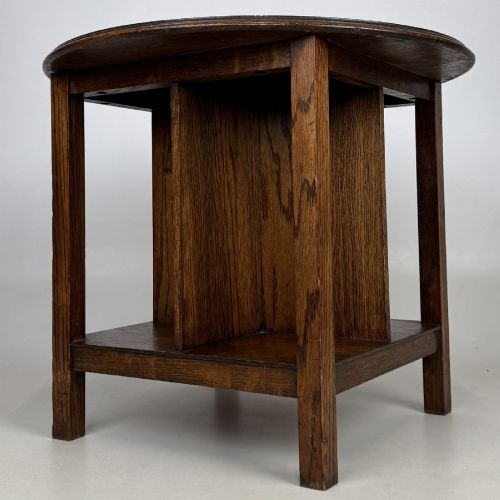
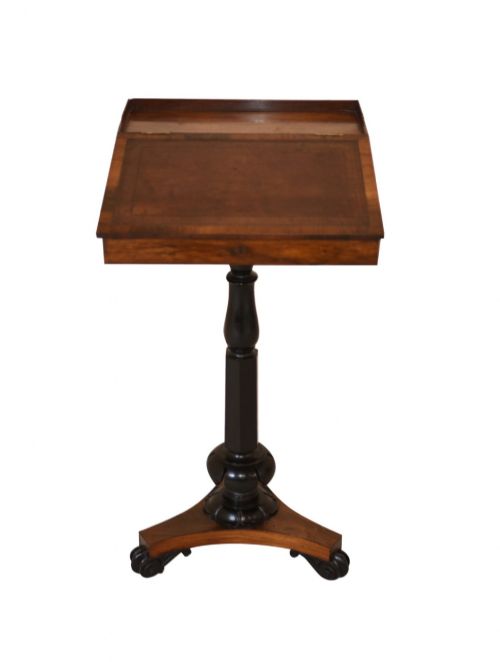
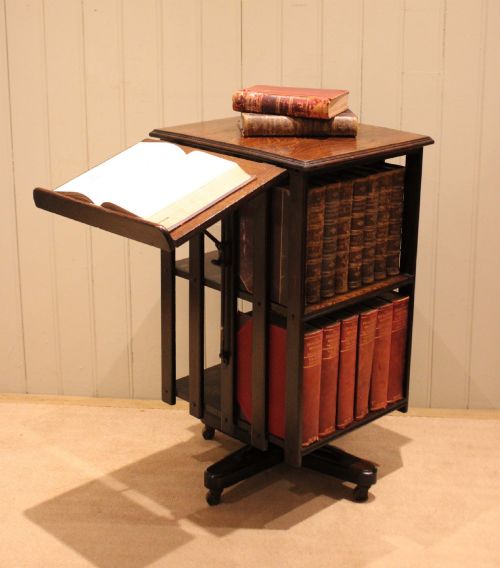
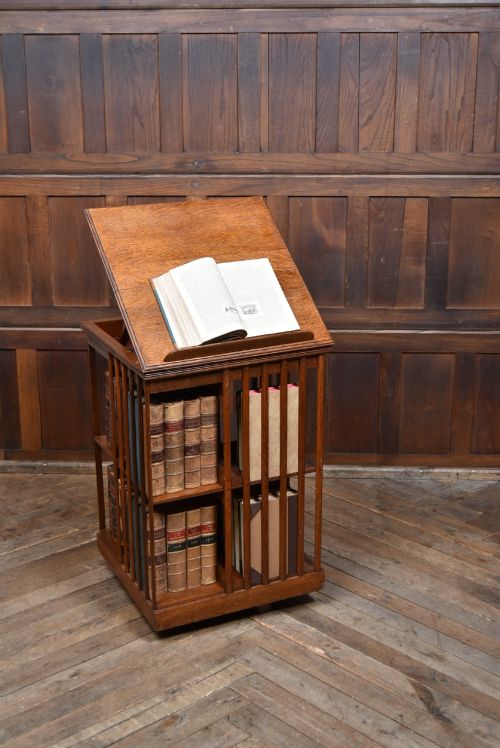
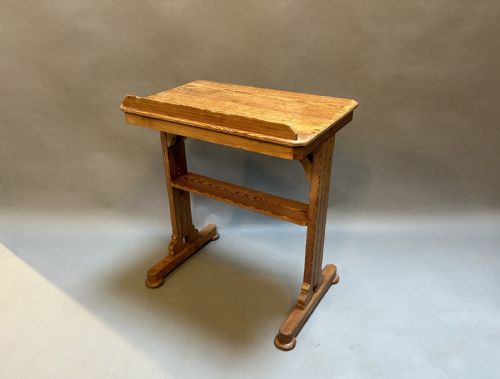
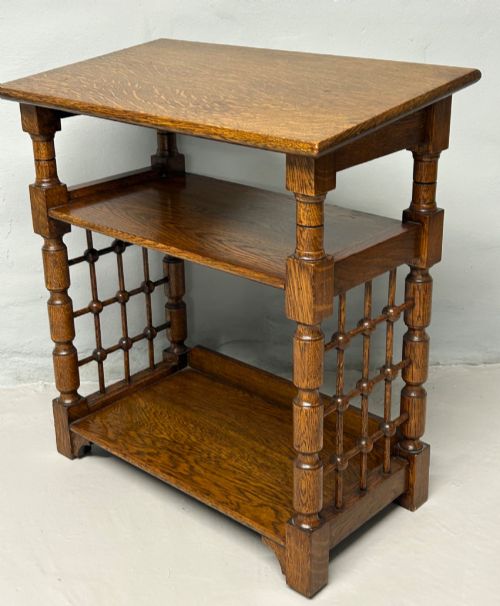
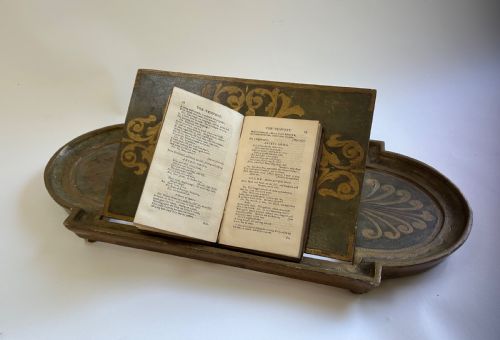
A vintage wooden reading table brings together functional book storage, adjustable surfaces, and classic timber craftsmanship for daily use in a study or library. When you search for a vintage wooden reading table, you encounter forms that range from revolving bookcases and side tables with book compartments to dedicated student desks, lecterns, and Canterbury racks.
The pieces appearing on this page span several distinct periods, including the Regency era, the Victorian period, the Edwardian years, and the 1930s Art Deco period. You will find items that combine reading stands with revolving book storage or occasional tables, alongside specialised mobility aids and adjustable music stands.
Makers and designers from these different eras utilised various forms, such as book troughs, round side tables with compartments, and cast iron or brass mechanical adjustments. Each piece reflects the domestic habits of its period, prioritizing the comfortable reading and storage of books within the home.
How they were made
Makers constructed these reading tables and book stands primarily from solid and veneered timbers such as mahogany, oak, walnut, pine, and ebonised wood. Boxwood inlay frequently appears on walnut pieces to add decorative detail to the surfaces and edges.
Workshops integrated functional metal components, utilising brass, cast iron, and standard metal for adjustable mechanisms, fittings, and reading ledges. These metal elements allowed mechanisms to alter the height and angle of the reading surface or to support revolving bookcase actions.
Vintage Wooden Reading Table Retail Price Guide 2026
Typical asking prices for vintage wooden reading table among the pieces listed under this phrase on Sellingantiques today, from the lower quarter to the upper quarter. They describe what is for sale here now, not the wider market.
Listings feature oak, mahogany, walnut, and pine, alongside mechanical brass and cast iron adjustments dating from the Regency period to the 1930s.
What varies in quality
The refinement of the timber and the complexity of the joinery separate simpler utility items from more ambitious cabinet work. Figured veneers like burr walnut and carefully selected mahogany display a depth of grain that plain pine or standard oak lacks.
The engineering of the adjustable mechanisms and revolving actions dictates the day-to-day utility of the piece. Smoothly operating brass ratchets and sturdy cast iron fittings indicate a higher standard of manufacture than rigid or loose joints.
The Vintage Wooden Reading Table Glossary
- Canterbury
- A low wooden stand featuring partitions for holding sheet music, magazines, or books, often mounted on castors. Originating in the late eighteenth century, these pieces remained popular through the Victorian and Edwardian periods.
- Lectern
- A slanted reading stand designed to hold a book or manuscript at a comfortable angle for a standing or seated reader. These often feature adjustable heights or reading ledges.
- Revolving bookcase
- A freestanding bookcase built upon a central rotating pivot that allows access to books from all sides without moving the unit. Edwardian and early twentieth-century examples frequently incorporated top reading stands.
- Toleware
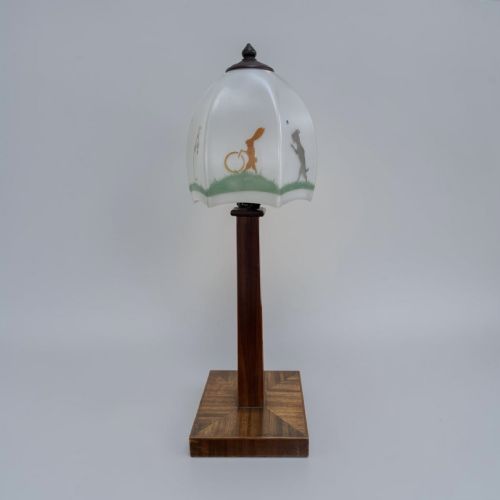
- Painted or japanned metalware, frequently utilised for lamp bases or desk accessories during the Art Deco period. The technique provides a durable, glossy surface finish.
- Burr walnut
- Timber taken from the growth excrescence of a walnut tree, yielding complex, swirling grain patterns highly prized for cabinet veneers. Victorian furniture makers utilised this timber on prominent surfaces.
Vintage Wooden Reading Table: Frequently Asked Questions
What is a vintage wooden reading table?
A vintage wooden reading table is a piece of furniture designed to hold books and provide an adjustable surface for reading or writing. These items combine timber construction with mechanical elements to support home libraries.
They appear in forms such as side tables with book compartments, revolving bookcases, and student desks dating from the nineteenth century to the Art Deco era.
How do I adjust the reading stand?
Many period reading stands utilise brass ratchets, wooden struts, or cast iron mechanisms to alter the angle of the book rest. These adjustments allow the reader to position texts flat or at a slanted angle.
Operating these mechanisms requires lifting or releasing the support arm into the desired notch, depending on the specific nineteenth or twentieth-century design.
Where should I place a revolving bookcase?
A revolving bookcase functions well beside an armchair, beside a desk, or in the corner of a study where floor space allows 360-degree rotation. Their compact footprints suit rooms needing accessible book storage.
Placing them away from direct heat sources protects the timber veneers and keeps the rotating pivot mechanism functioning smoothly.
How do I identify a Victorian piece?
Victorian pieces often display heavier proportions, dark mahogany or burr walnut timbers, and robust turnings characteristic of the nineteenth century. Details like hand-cut dovetails and brass hardware indicate nineteenth-century production methods.
Comparing the wood species, joinery techniques, and structural hardware against known nineteenth-century styles helps confirm the period of origin.