



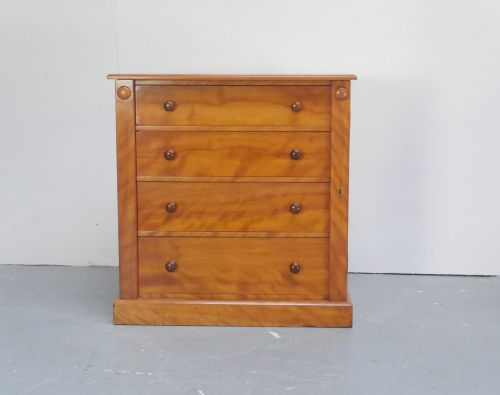
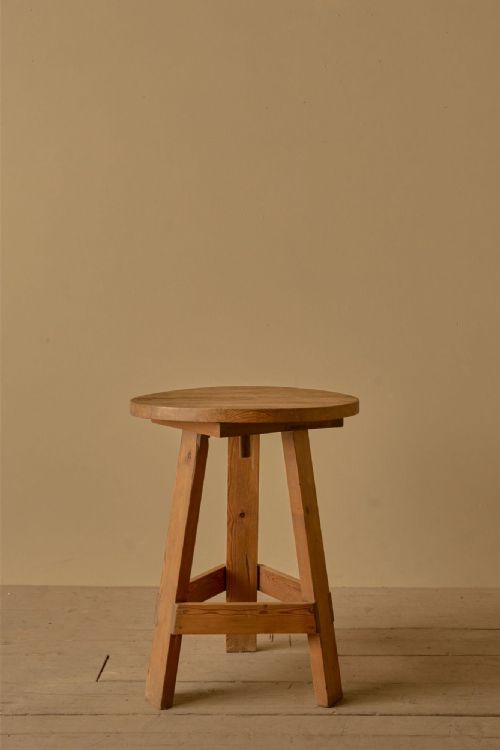
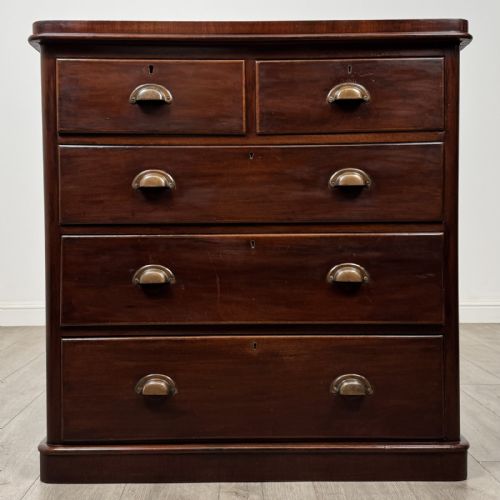
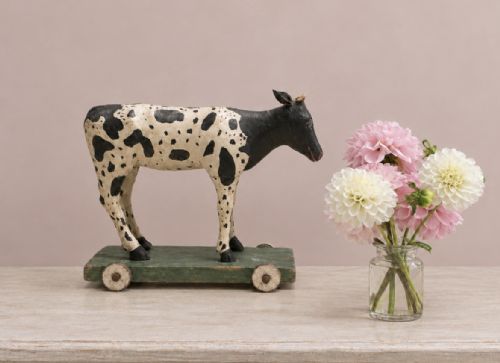

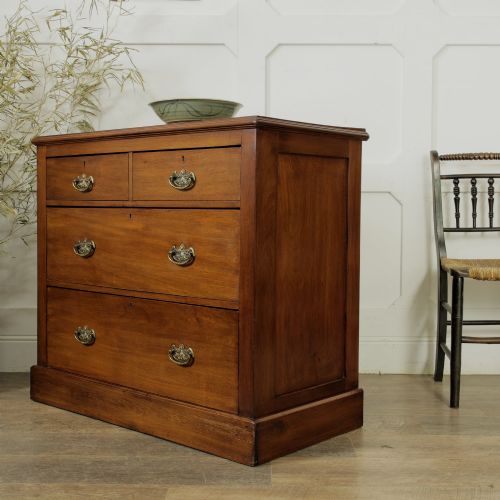
Vintage Wooden Plinths
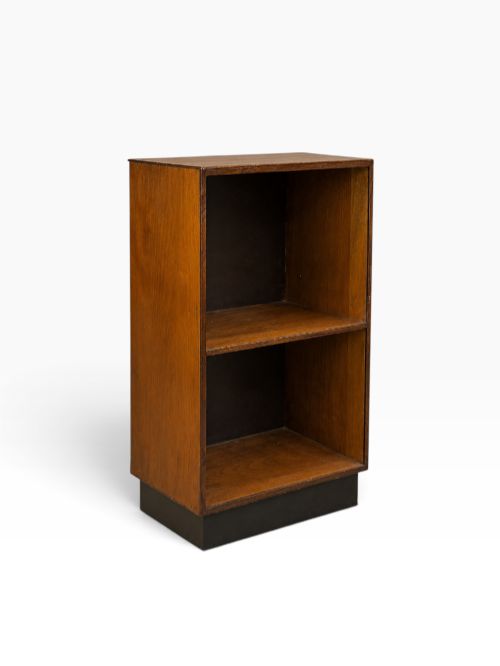
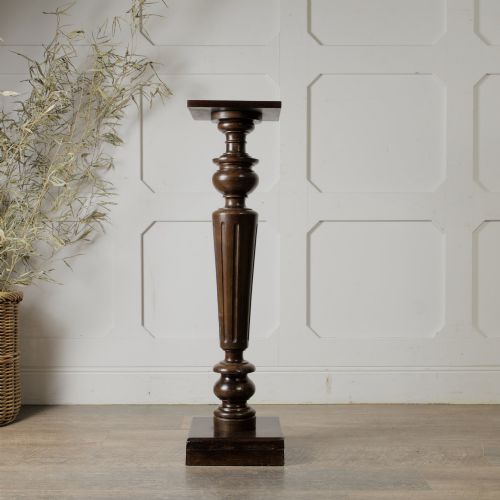
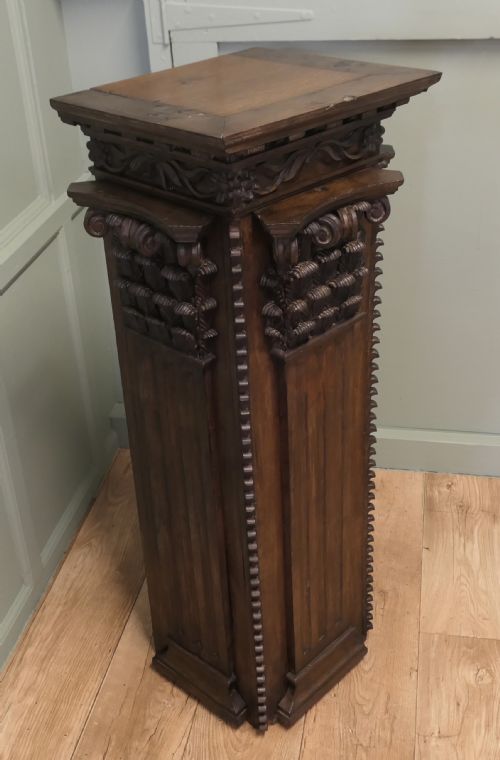
These vintage wooden plinths bring sculptural elevation to display spaces, drawing the eye upwards through solid craftsmanship and rich timber grain.
Vintage Wooden Plinths
When you search for vintage wooden plinths, you encounter a selection of solid timber supports, turned columns, and display stands originating from the nineteenth and early twentieth centuries. These pieces serve primarily to elevate busts, models, and decorative objects within a room.
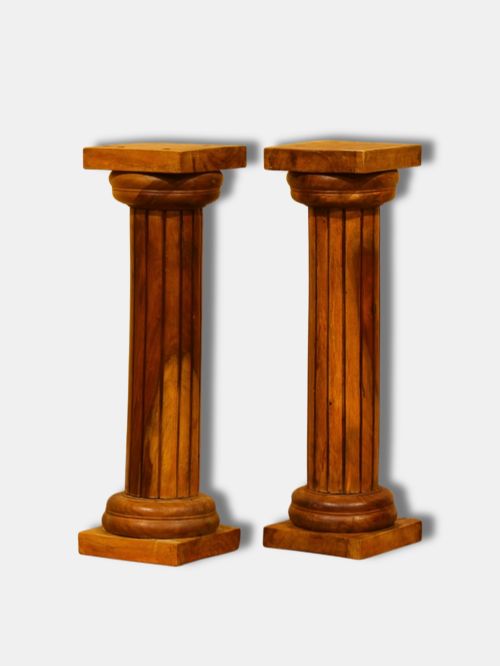
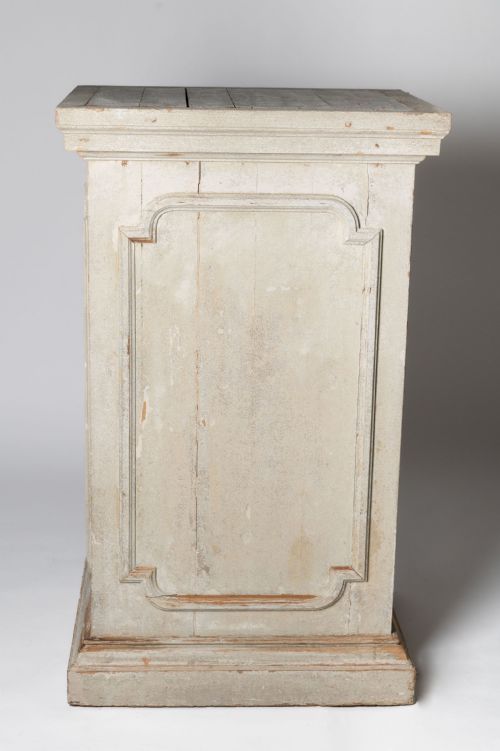
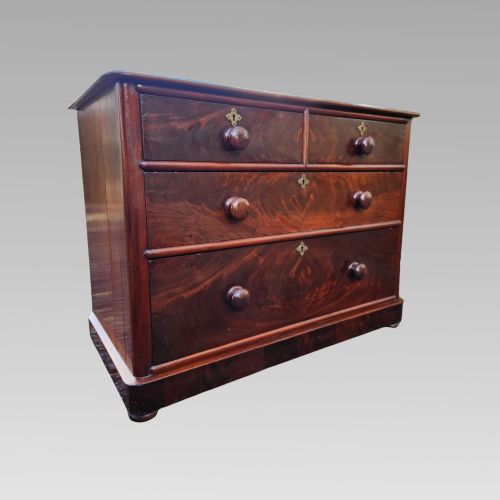
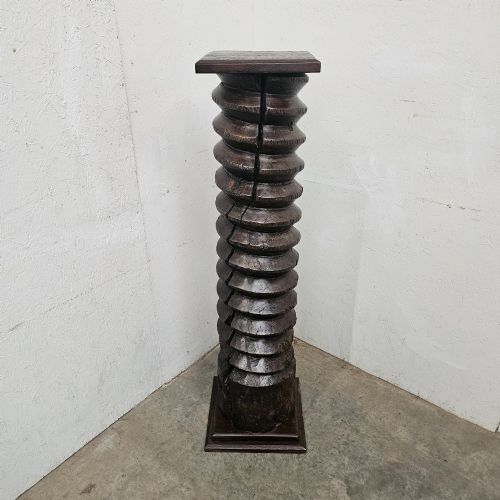
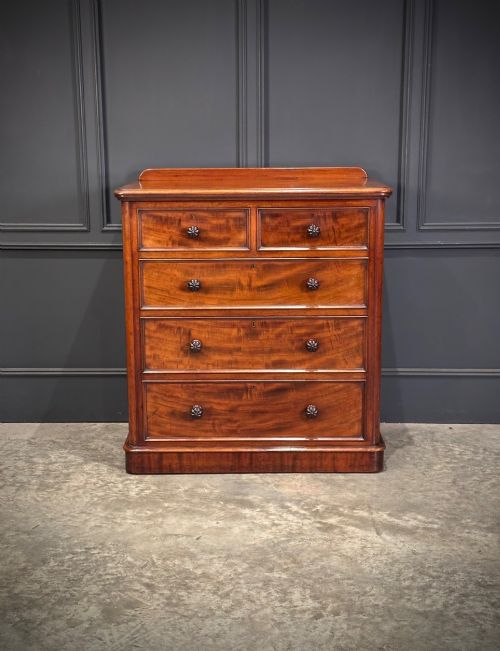
The assortment on this page includes turned wooden columns, sculpture stands, and column display pedestals dating from Victorian, Edwardian, and later periods. Mahogany and painted wood form the core of these structural items, alongside associated display furniture.
Originating largely from British and continental workshops, these items reflect the utilitarian and decorative display needs of past interiors. They offer stable platforms designed to showcase prized possessions at eye level.
How they were made
Cabinet makers utilised dense hardwoods such as mahogany and oak, often turning them on lathes to create symmetrical column profiles and sturdy bases. Joinery relied on traditional methods to ensure the vertical stability required for supporting heavy weights.
Surfaces were frequently finished with natural polish, ebonising, or paint to enhance the grain or provide a uniform decorative facade. Brass components occasionally appeared as accents or structural mounts on specific pedestal designs.
Vintage Wooden Plinths Retail Price Guide 2026
Typical asking prices for vintage wooden plinths among the pieces listed under this phrase on Sellingantiques today, from the lower quarter to the upper quarter. They describe what is for sale here now, not the wider market.
The inventory encompasses Victorian and Edwardian column display pedestals, ebonised stands, and associated sculpture supports.
What varies in quality
The grade of timber and the precision of the turning set individual pieces apart, with finely figured grains and hand-carved details commanding greater visual presence. Heavier, solid wood construction provides superior stability compared to lighter or more utilitarian alternatives.
Proportion and architectural balance dictate the overall success of a column or stand, ensuring it supports an object harmoniously without appearing clumsy. The integrity of the surface finish and the retention of original paint or polish directly influence the character of each support.
Mawer & Stephenson
The Vintage Wooden Plinths Glossary
- Plinth
- A heavy base or lower block serving to support a statue or column. It provides a stable foundation for elevated display.
- Turned
- Shaped on a lathe by rotating the timber against a cutting tool. This technique produces symmetrical columns and circular mouldings.
- Ebonised
- Wood finished to resemble ebony through staining or painting. This process gives a dark, formal appearance.
Vintage Wooden Plinths: Frequently Asked Questions
What were vintage wooden plinths used for originally?
These wooden supports served primarily to elevate sculptures, urns, and decorative busts within nineteenth and early twentieth-century interiors. By lifting objects off the floor or standard furniture, they drew attention to specific items of art or curiosity.
They also functioned as standalone display surfaces in drawing rooms and halls, integrating architectural forms into domestic spaces to project status and taste.
How do I style a wooden plinth at home?
Position a vintage plinth in an empty corner, near a fireplace, or as a focal point in a hallway to create vertical interest. Placing a ceramic vessel, a bronze model, or a plant on top breaks up room monotony by introducing varying heights.
Ensure the weight of the displayed object matches the structural capacity and surface area of the stand for a balanced visual arrangement.
How can I tell the period of a wooden plinth?
Examine the timber species, turning style, and surface finish to gather clues about the era of manufacture. Victorian and Edwardian examples often utilise solid mahogany, oak, or ebonised finishes with traditional hand-turned detailing.
Tool marks, wear patterns, and the method of joining the base to the column also help distinguish nineteenth-century craftsmanship from later twentieth-century production.
Are these plinths strong enough for heavy items?
Most solid wood columns and architectural stands from the nineteenth century were engineered to bear the substantial weight of marble busts or heavy bronzes. Their stable bases and dense hardwoods provide robust load-bearing capabilities for most decorative objects.
It remains wise to check the base width and overall balance of individual pieces before placing particularly top-heavy or fragile items upon them.