




Vintage Wooden Platter
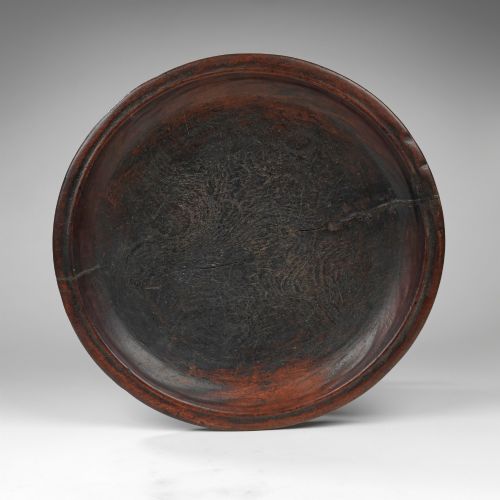
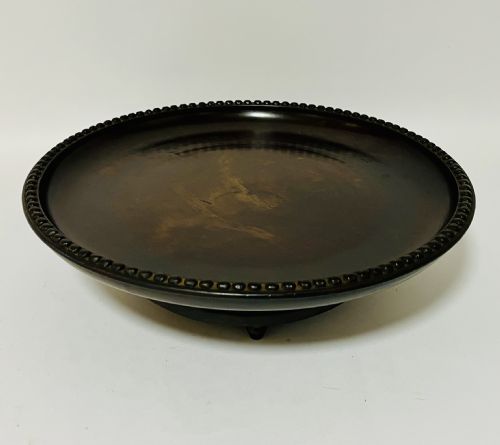
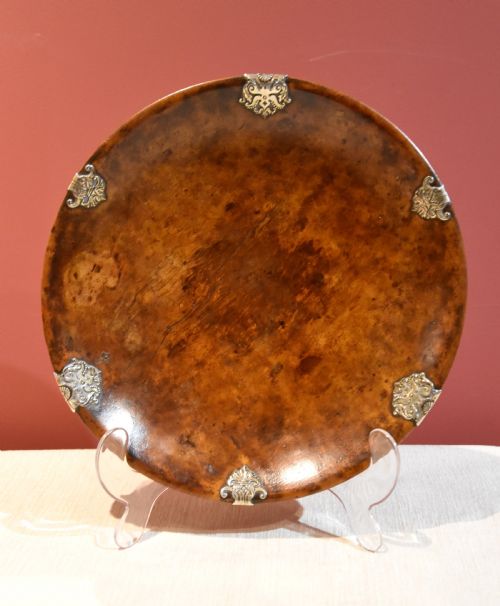
A vintage wooden platter brings tactile warmth to a table, offering deep mahogany, rich oak and turned timber shaped for daily hospitality.
Vintage Wooden Platter
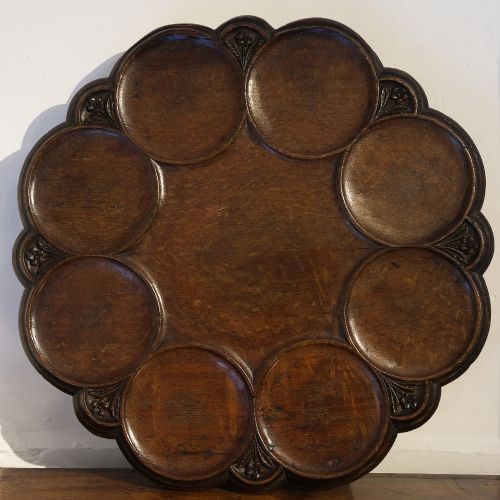
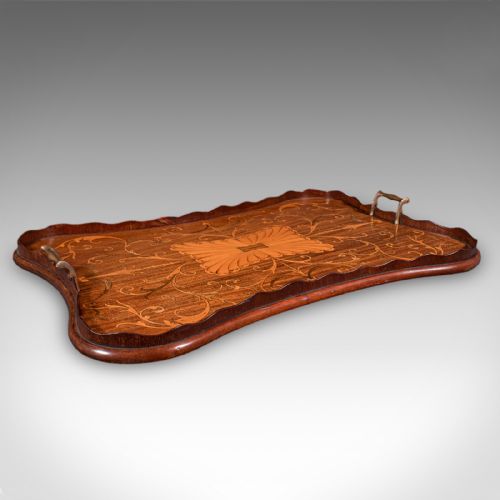
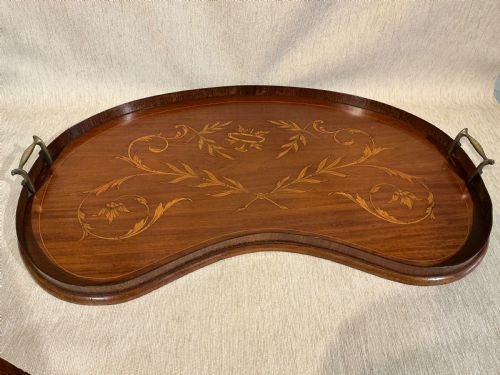
A vintage wooden platter encompasses serving trays, afternoon tea platters, dairy bowls and revolving lazy susans drawn from the Georgian, Victorian and Edwardian periods.
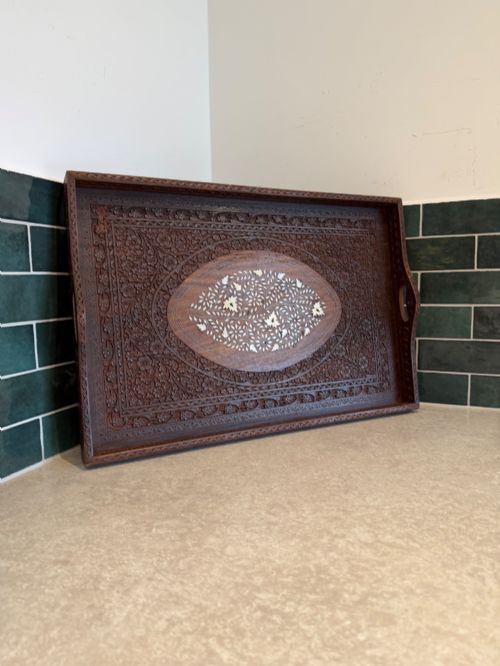
The selections on this page lean heavily toward English mahogany and oak serving pieces alongside Anglo-Indian teak and Kashmiri walnut items.
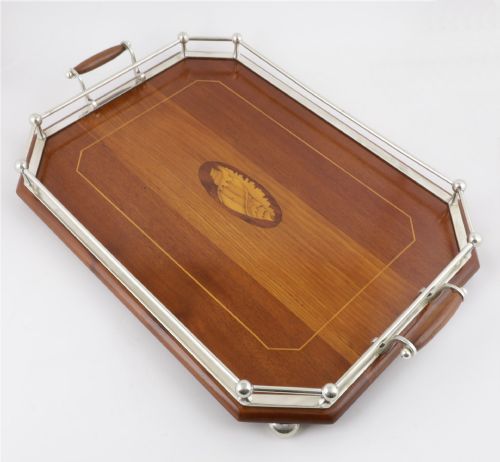
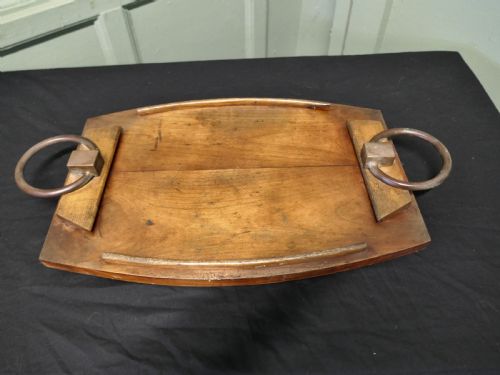
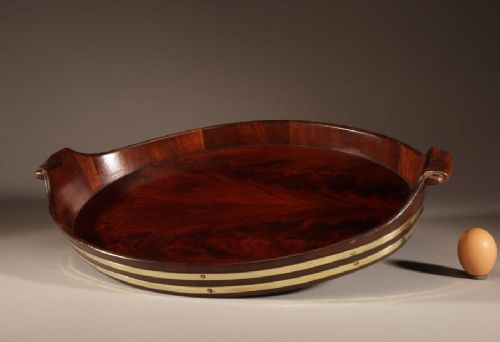
Buyers will find oval galleried trays, coopered items with brass handles, and turned fruit bowls that reflect utilitarian origins or formal entertaining.
What varies in quality
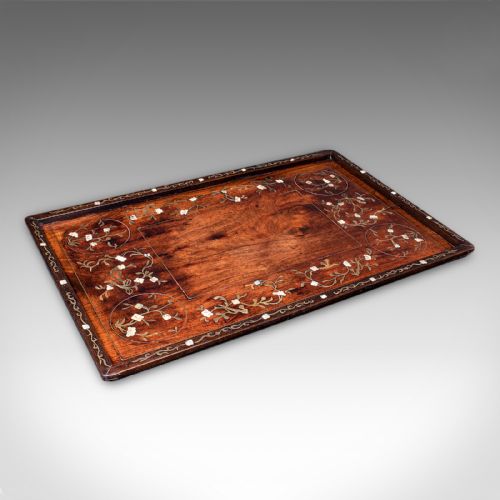
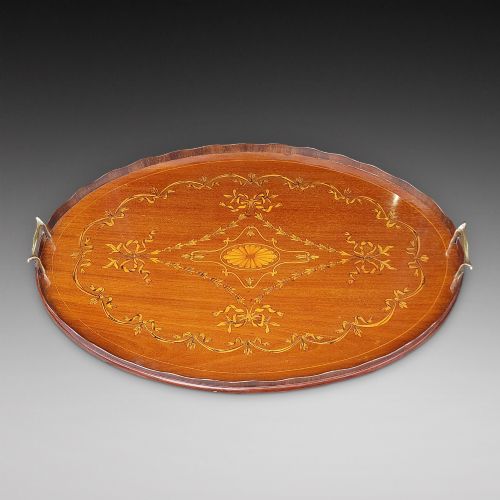
Quality rests on the crispness of carved details, the precision of inlaid marquetry work, and the structural integrity of joints and applied galleries.
Pieces featuring rarer timbers like satinwood or specialised regional techniques such as Sorrento olivewood carving and Kashmiri walnut work display elevated craftsmanship.
Among the turned timber and inlaid servers sits a novelty bar tray depicting Charlie Chaplin.
The Vintage Wooden Platter Glossary
- Gallery
- A raised metal or wooden rim fitted around the edge of a tray to secure items during transport.
- Coopered
- Made from staves of wood fitted together and bound with metal bands, similar to barrel construction.
- Lazy Susan
- A revolving tray placed on a table to allow easy sharing of food dishes.
- Marquetry
- Decorative patterns formed by fitting together thin veneers of various woods.
- Treen
- Small handmade wooden domestic utensils and objects.
Vintage Wooden Platter: Frequently Asked Questions
How do I clean a wooden platter?
Wipe the surface gently with a damp cloth rather than submerging the piece in water.
Apply occasional food-safe mineral oil to nourish older timbers and prevent the wood from drying out.
Are these platters safe for serving food?
Many historical trays and bowls served food items like afternoon tea, bread, cheese, or fruit in daily domestic use.
Assess the condition of the surface finish and any applied sealants before placing unpackaged food directly onto older timber.
What is the difference between a tray and a platter?
Trays typically feature flat surfaces with raised edges, handles, or galleries designed for carrying drinks and dishware.
Platters and bowls tend to be deeper vessel forms intended for presenting fruit, cheese, or baked goods directly on a table.
How do I identify a Victorian wooden tray?
Victorian examples frequently utilise solid mahogany, oak, or walnut, often displaying carved decoration or applied brass galleries.
Construction methods from this period rely on hand-cut joinery and traditional finishing techniques rather than modern manufacturing.