


Vintage Wooden Head
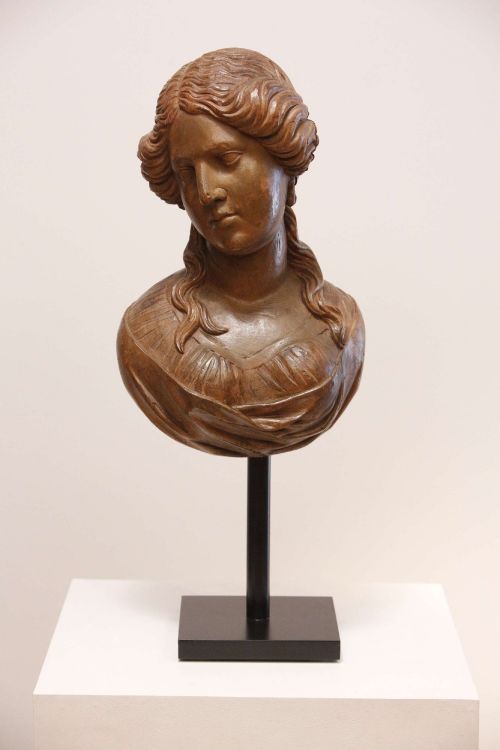
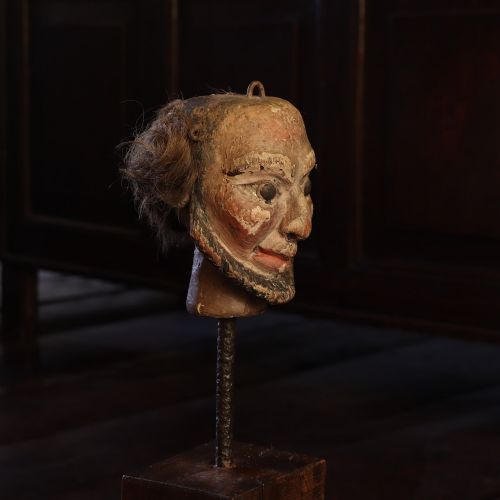
A vintage wooden head is a carved sculptural form or functional display piece offering distinct character and tactile warmth.
Vintage Wooden Head
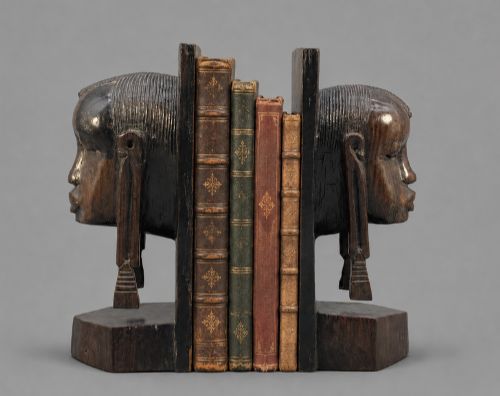
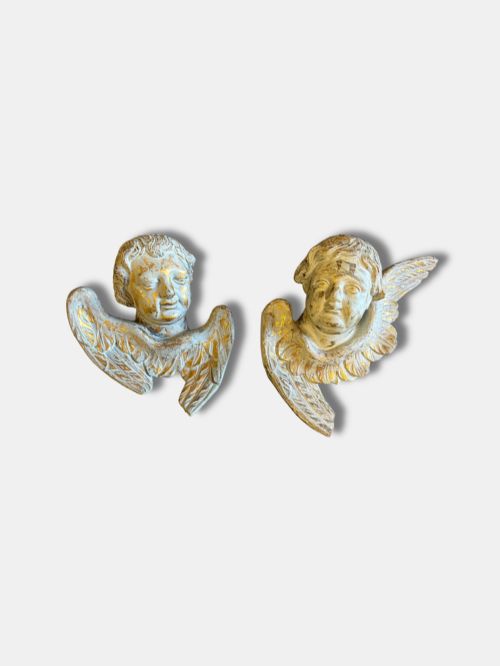
A vintage wooden head encompasses carved human portraits, millinery display forms, and figural sculptures sourced from various international traditions.
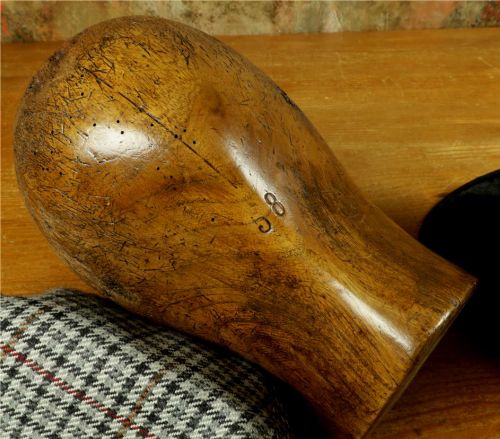
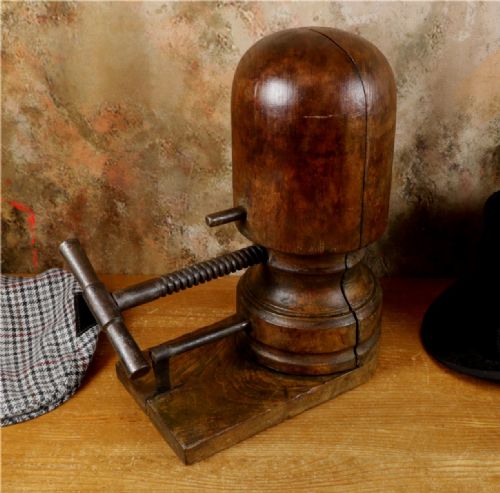
Buyers searching for a vintage wooden head will encounter utilitarian hat stretchers, signed portrait busts, and folk art carvings spanning the nineteenth and early twentieth centuries.
The selection ranges from European workshop pieces to Anglo-Indian and indigenous carvings, reflecting diverse regional carving styles.
Materials and Techniques
Carvers utilised dense timbers such as oak, walnut, mahogany, teak, pear wood, and yew burr to achieve durable and detailed results.
Hand tools including gouges and chisels shaped the grain, sometimes supplemented by paint, applied pigment, or structural joinery depending on the intended function.
Vintage Wooden Head Retail Price Guide 2026
Typical asking prices for vintage wooden head among the pieces listed under this phrase on Sellingantiques today, from the lower quarter to the upper quarter. They describe what is for sale here now, not the wider market.
Listings feature items carved from walnut, mahogany, oak, teak, and pear wood, spanning the nineteenth century through the nineteen-thirties.
Assessing Quality
Excellence in a carved head rests upon anatomical understanding, the sensitivity of the chisel work, and how expressively the maker handles the grain of the timber.
Superior examples display crisp undercut details and confident shaping, whereas lesser pieces rely on mechanical smoothing or crude proportions.
The Vintage Wooden Head Glossary
- Millinery Head
- A carved wooden form utilised for shaping, storing, or displaying hats and wigs in shops and domestic dressing rooms. These practical objects double as sculptural folk art.
- Folk Art
- Objects created by self-taught or traditional artisans outside academic fine art traditions, frequently utilising local timber and direct carving methods. They celebrate practical utility combined with vernacular charm.
- Hardwood
- Timber derived from broad-leaved deciduous trees, offering high density and resilience for detailed carving. Walnut, mahogany, and oak belong to this category.
- Burr
- A growth on a tree resulting in distorted grain patterns that produce intricate swirls when polished. Carvers prize this timber for its decorative visual texture.
Vintage Wooden Head: Frequently Asked Questions
What is a vintage wooden head used for?
These pieces served practical roles as hat stretchers, wig stands, and theatrical props, or purely decorative functions as sculptural busts.
Today, collectors display them as focal points in interiors to introduce organic texture and historical intrigue.
How do I care for wooden sculptures?
Keep wooden pieces away from direct heat sources and fluctuating humidity to prevent the timber from splitting or warping over time.
Dust gently with a dry, soft cloth and avoid applying modern polishes or liquid cleaners.
How can I tell the age of a wooden head?
Examine the tool marks left by the carver, the species of timber utilised, and the natural oxidation or patina of the exposed surface.
Wear patterns, minor shrinkage cracks, and construction methods also offer clues regarding the period of manufacture.
Are these pieces signed by makers?
Certain sculptural works feature artist signatures, monograms, or workshop stamps carved into the base or rear of the piece.
Many utilitarian items, such as millinery forms, remain unsigned as they were produced for commercial trade rather than as fine art.