
Vintage Wooden Furniture
Vintage wooden furniture brings enduring craftsmanship and natural materials into a room, offering practical utility alongside distinct period character.
Vintage Wooden Furniture
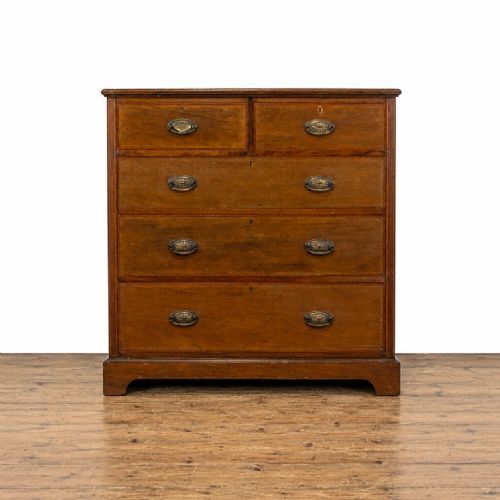
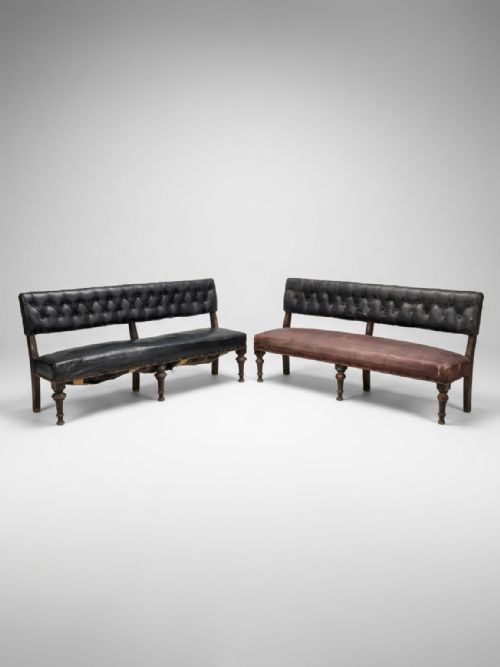
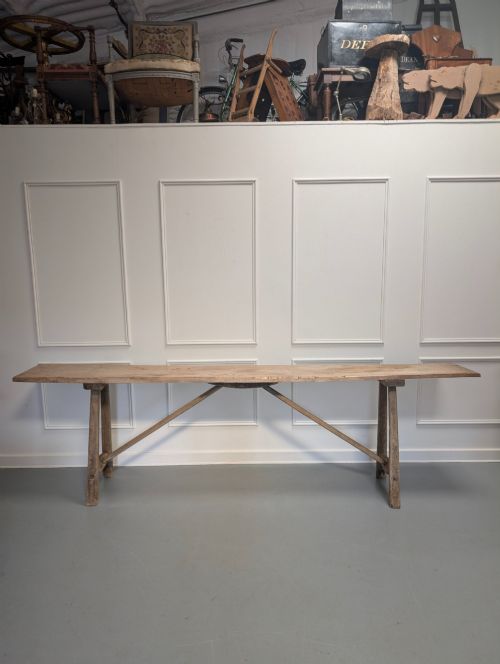
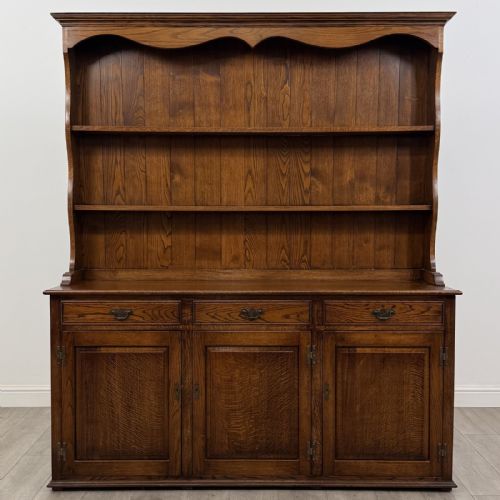
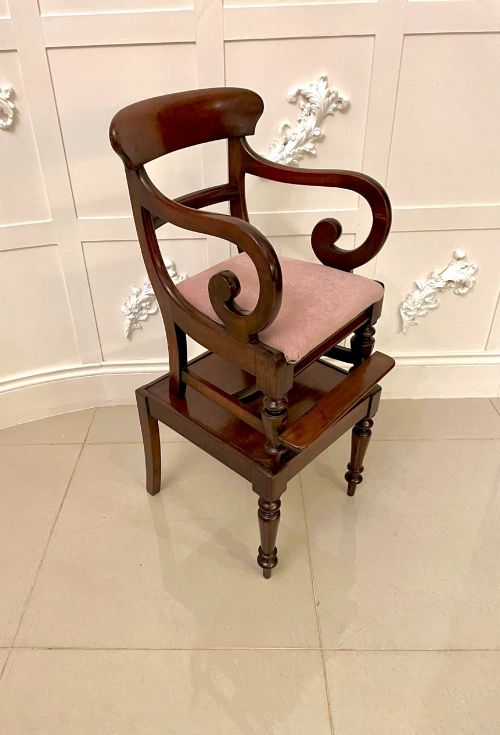
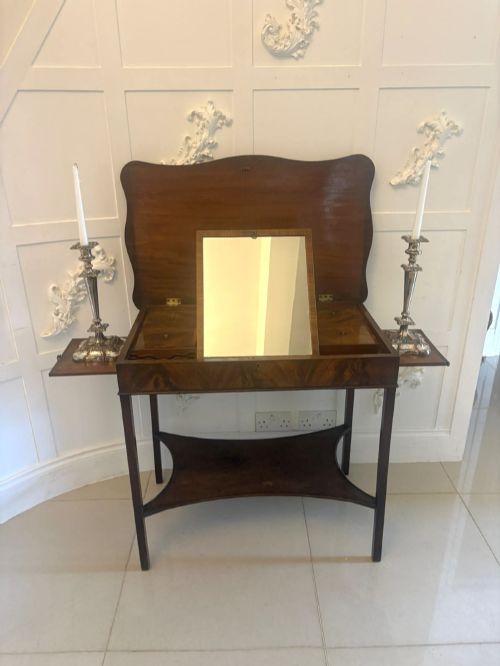
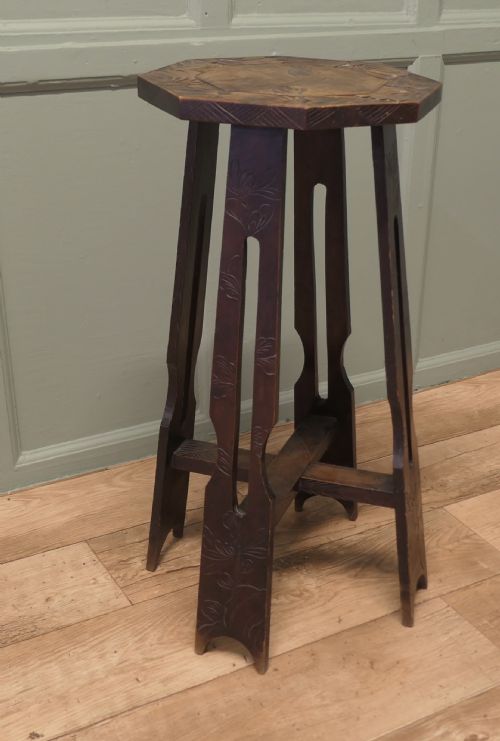
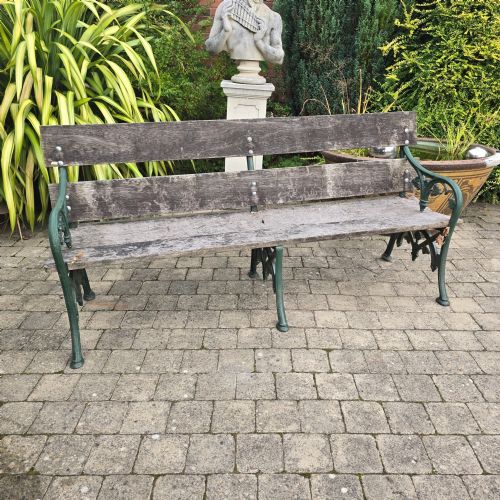
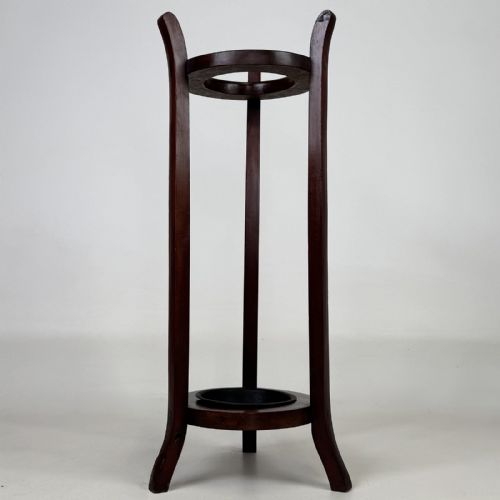
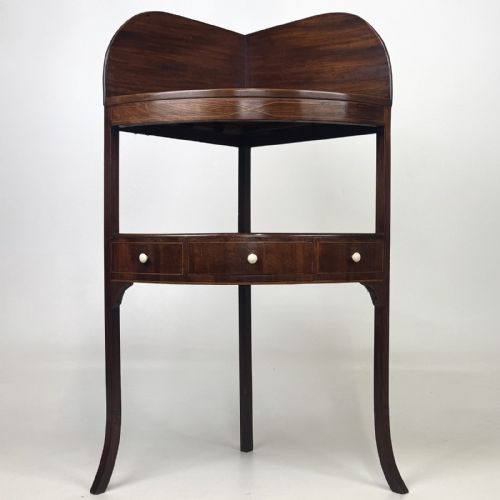
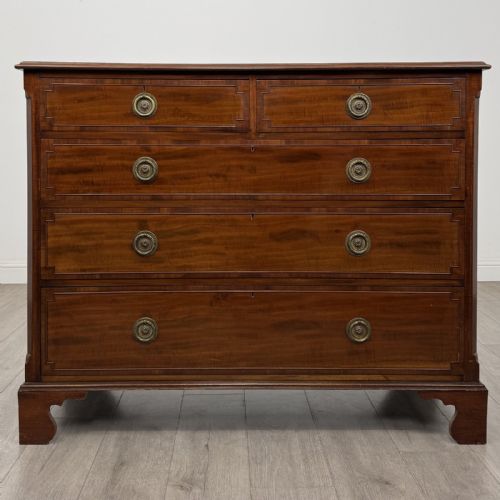
Vintage wooden furniture encompasses a broad selection of functional items designed for everyday use, spanning domestic storage, seating, and occasional pieces. Chests of drawers dominate the selection, appearing across multiple eras from the eighteenth century through to the Edwardian period in timbers such as mahogany, oak, and walnut. Buyers also encounter specialised forms like writing boxes, hall benches, plant stands, and dining tables.
The objects originate from diverse domestic and continental European workshops, reflecting design movements including Arts and Crafts, Victorian Gothic Revival, and the Vienna Secession. Pieces range from grand mahogany dining suites and wine coolers to simple pine sculpteurs stands and country house rocking horses. Each item demonstrates how earlier makers utilised available timbers to solve domestic requirements.
The selection frequently highlights regional British styles alongside French, Italian, and Anglo-Indian influences, demonstrating varied craftsmanship traditions. Pieces such as campaign writing boxes or oak purdoniums show how specific social habits shaped domestic design over successive centuries. These items provide tangible connections to past manufacturing methods and historical interior aesthetics.
How vintage wooden furniture was made
Makers relied primarily on solid timbers such as mahogany, oak, walnut, pine, and ash, selecting each wood for its structural stability and grain pattern. Construction techniques involved traditional joinery methods, including dovetail joints for drawer construction and mortise and tenon joints for frames. Metal elements like brass handles, iron supports, and cast iron components provided essential structural reinforcement and functional hardware.
Surface treatments and ornamentation varied according to the prevailing style, utilising hand carving, turned legs, raised galleries, and applied veneers. Workshops employed skilled joiners and cabinet makers who shaped timber using hand tools, ensuring tight joints and durable assembly. Regional variations in technique, from Italian carving to British country house construction, determined the final appearance and resilience of each piece.
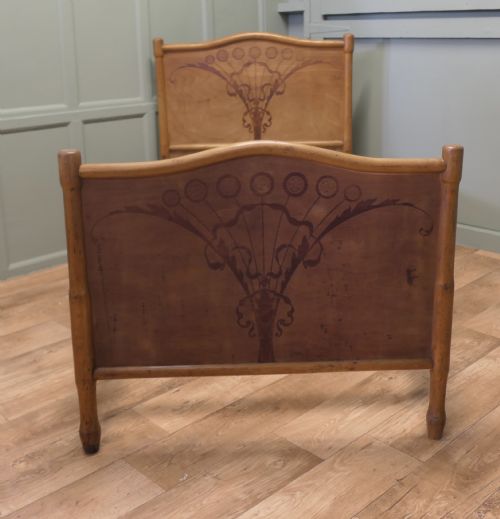
The inventory records functional items spanning dining tables, beds, hall benches, and specialised campaign writing boxes from British and continental makers.
What varies in quality in vintage wooden furniture
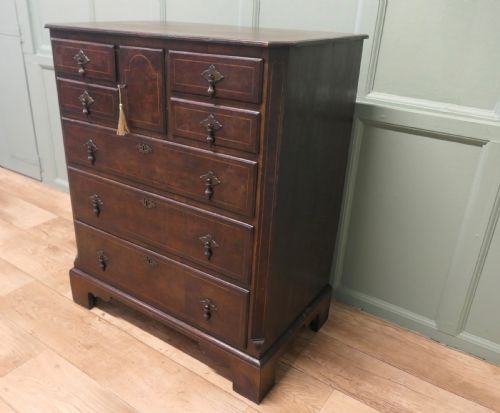
The standard of timber selection and the integrity of the original joinery dictate the overall quality of a piece. Superior examples display carefully matched wood grains, tight dovetail joints in drawers, and minimal replacement of structural components. Lower quality or heavily restored items may exhibit mismatched timber patches, loose joints, or poorly executed repairs that compromise structural balance.
The refinement of decorative carving and the presence of original hardware, such as brass cup handles or campaign fittings, distinguish finer workshops from utilitarian production. Items that retain their original patination and finish demonstrate superior care over time, whereas excessive stripping or poor re-polishing diminishes the integrity of the surface.
Jason and Joseph Kohn·Finnigans·Strahan and Co
The Vintage Wooden Furniture Glossary
- Dovetail joint
- A carpentry technique used to join the sides of a drawer to the front, characterised by interlocking wedge-shaped fingers. This method provides exceptional tensile strength and prevents the corners from pulling apart under regular use.
- Campaign writing box
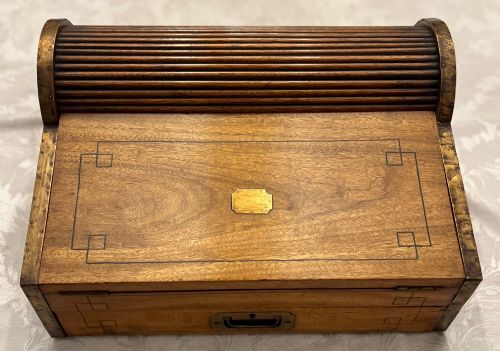
- A portable desk designed for travel, typically fitted with brass corners, recessed handles, and internal compartments. These pieces were utilised by military officers and travellers during the nineteenth century.
- Purdonium
- A specialised household cabinet designed to store coal near a fireplace, usually featuring an internal metal liner and a sloping front lid. They frequently appeared in Arts and Crafts and Edwardian interiors.
- Cheval mirror
- A full-length mirror mounted on a vertical swivelling frame supported by four feet or a stable base. This form allowed users to adjust the viewing angle while dressing.
- Veneer
- A thin slice of decorative wood glued over a secondary timber base to create a figured surface appearance. Master cabinet makers used this technique to display striking grain patterns without wasting scarce materials.
Vintage Wooden Furniture: Frequently Asked Questions
How do I identify an Edwardian piece?
Edwardian furniture, produced during the reign of King Edward VII, often exhibits lighter proportions and brighter oak or mahogany finishes compared to heavy Victorian designs. Pieces frequently incorporate simpler lines, influenced by the Arts and Crafts movement or revived eighteenth-century styles.
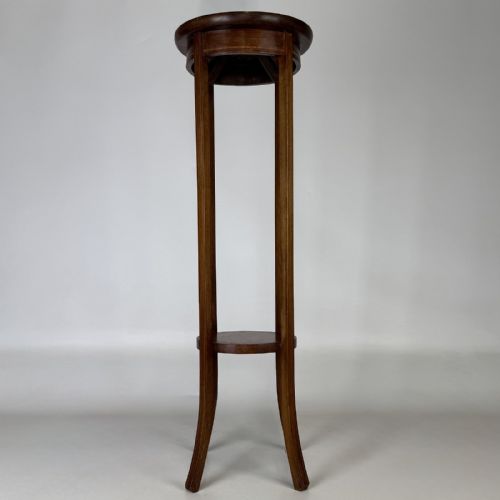
Common forms from this era include plant stands, marble-topped washstands, and golden oak chests of drawers with simple knob handles. The construction reflects industrial advancements while maintaining traditional joinery standards.
Where were butler trays used?
Butler trays were originally designed for domestic servants to transport food, tea, or drinks from the kitchen to reception rooms. The removable tray top typically featured hinged sides that could be folded down flat for carrying.
In modern interiors, these trays rest upon folding wooden stands and function as versatile occasional tables or side surfaces. Their portable design makes them adaptable for various rooms around the house.
What is a Vienna Secession bed?
A Vienna Secession bed stems from the early twentieth-century Austrian art movement that broke away from traditional academic styles. These pieces emphasise geometric clarity, minimalist structure, and honest expression of materials.
They reflect an avant-garde approach to domestic design, prioritizing functional simplicity over ornate carving. Such beds offer a distinct architectural presence in contemporary bedrooms.