

Vintage Wooden Figure
A vintage wooden figure brings warmth and character to a room, offering tactile presence through carved detail and natural grain.
Vintage Wooden Figure
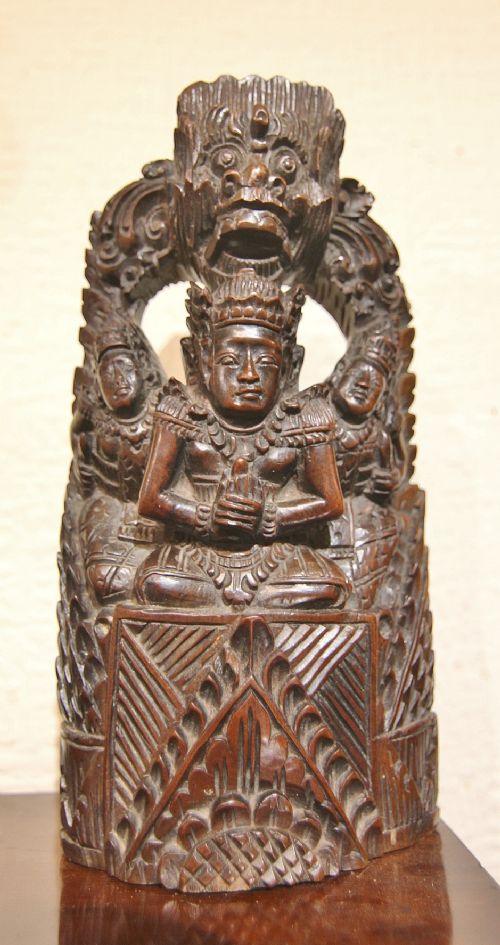
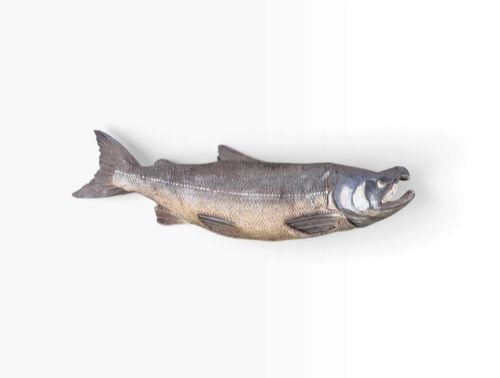
When you search for a vintage wooden figure, you encounter carved sculptures, animals, and human representations spanning from the eighteenth century through to the art deco era. The selection ranges from folk art bears and decoy ducks to processional mannequins and guardian figures.
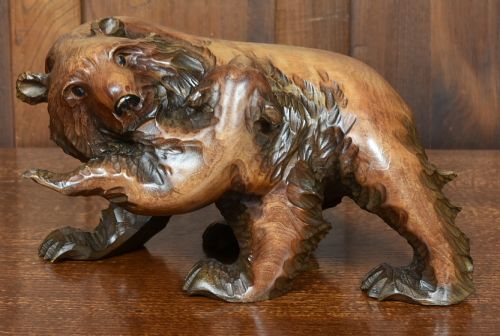
You are most likely to meet animal carvings, notably bears and birds, alongside human sculptures originating from European, Japanese, and Chinese workshops. These items serve as decorative objects that reflect the diverse craftsmanship of their respective periods.
How they were made
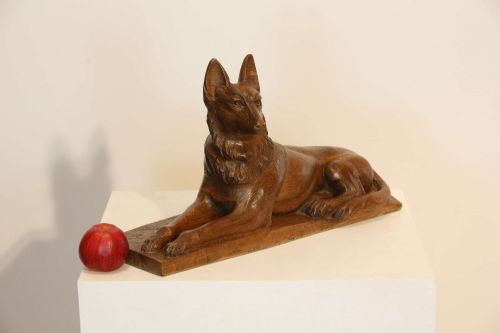
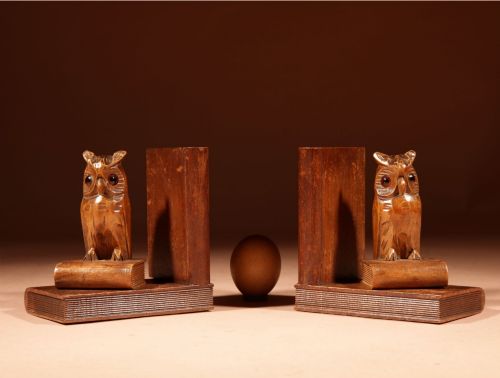
Maker utilise various timbers such as walnut, oak, linden, and cedar, often selecting woods with prominent grain patterns to enhance the visual texture of the sculpture. Hand-carving techniques define the surface, shaping the timber into detailed animal forms, human figures, and functional items like bookends.
Vintage Wooden Figure Retail Price Guide 2026
Typical asking prices for vintage wooden figure among the pieces listed under this phrase on Sellingantiques today, from the lower quarter to the upper quarter. They describe what is for sale here now, not the wider market.
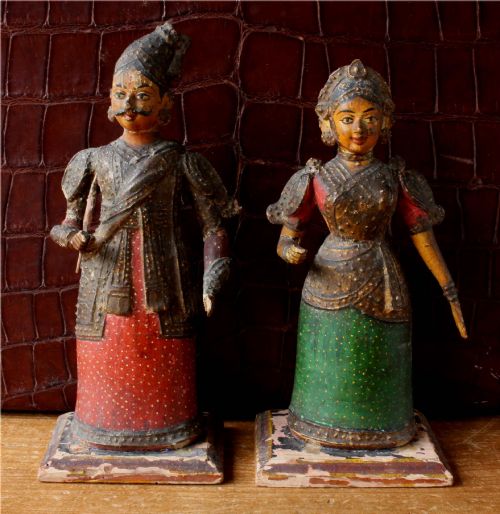
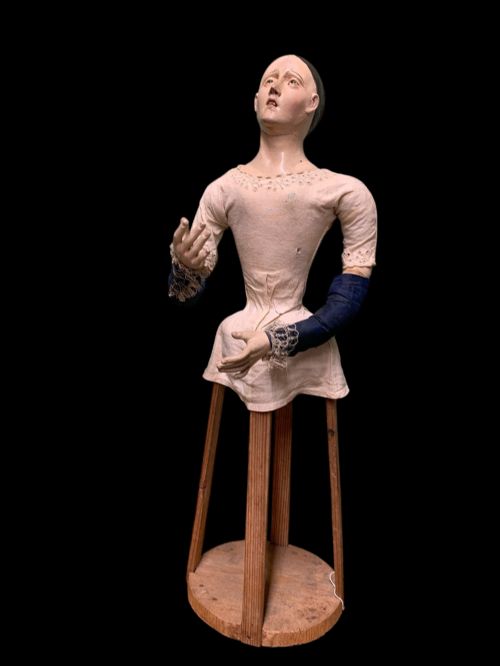
A nineteenth-century processional mannequin stands ready to join a parade that ended over a hundred years ago.
What varies in quality
The standard of a carving rests upon the dexterity of the artisan, where depth of relief and anatomical proportion distinguish a masterwork from a simple folk object. Finer examples display precise tool marks and lifelike posture, capturing movement and expression effectively.
The choice and condition of the timber also dictate the caliber of the piece, with well-figured woods and preserved surfaces commanding greater appreciation among collectors.
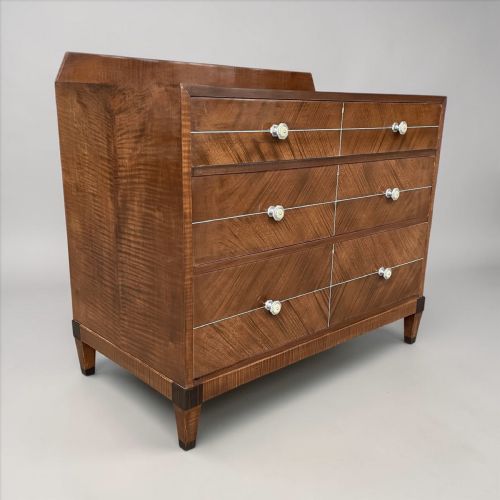
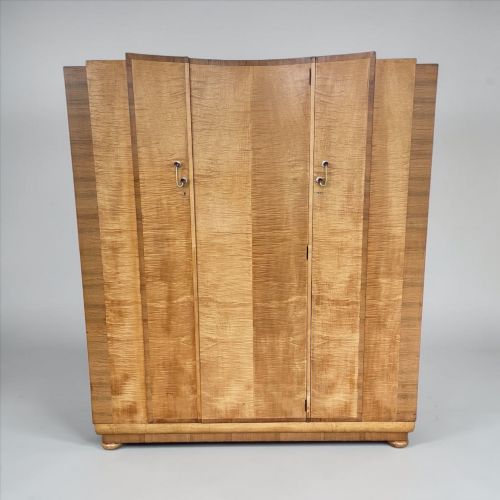
Bath Cabinet Makers·Shuho Nakahara
The Vintage Wooden Figure Glossary
- Okimono
- A Japanese ornamental statue or carving, typically placed on a display shelf rather than in a tokonoma.
- Kibori Kuma
- A traditional style of wood-carved bear produced in Japan, often depicting the animal holding a fish.
- Black Forest
- A style of wood carving originating from the mountainous region of Central Europe, frequently featuring bears, owls, and forest fauna.
- Lay Figure
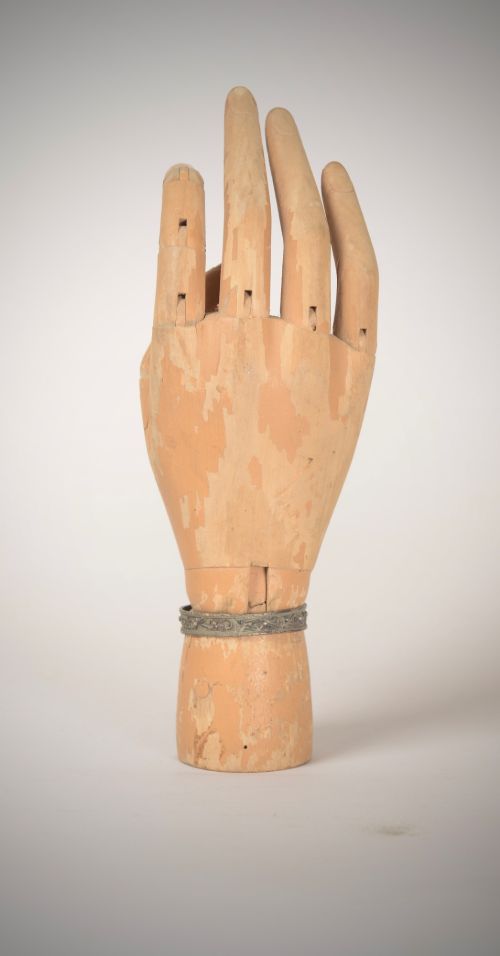
- An articulated wooden mannequin used by artists to study human form and drapery.
- Folk Art
- Objects created by self-taught or traditional artisans, prioritising utilitarian or decorative charm over academic precision.
Vintage Wooden Figure: Frequently Asked Questions
How do I clean a carved wooden figure?
Dust the surface gently with a soft, dry brush to prevent accumulation in the carved crevices. Avoid using liquid cleaners or water, which can damage the aged timber and any historic paint or polish.
Maintain a stable indoor environment away from direct sunlight and radiators to prevent the wood from drying out and splitting over time.
Are these figures solid wood?
Most of these decorative items consist of solid carved timber, ranging from dense hardwoods like walnut and oak to lighter varieties such as linden and cedar. Artisans selected these woods specifically for their stability and response to hand-carving tools.
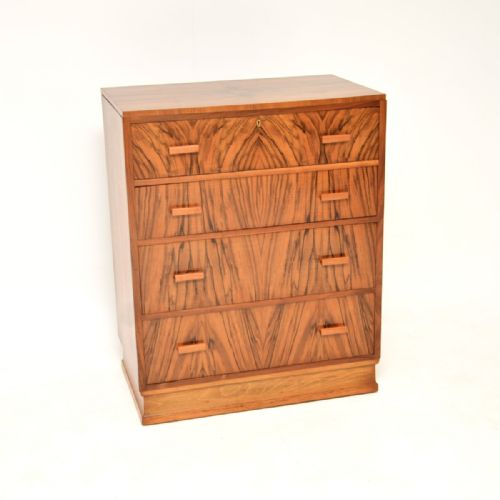
Some larger structural items associated with the broader categories utilise wood veneers, but individual sculptural figures are typically carved from a single block or joined sections of solid wood.
How can I tell the age of a carving?
Examine the tool marks left on the underside or back of the piece, as hand-chiselled surfaces differ visibly from modern machine-tooled items. The patina of the wood, accumulated through decades of handling and exposure to air, also offers a reliable indicator of age.
Compare the style of the carving and the specific subject matter against known periods like art deco or nineteenth-century folk art to narrow down the era of production.
Where should I display my sculpture?
Position the piece on a stable shelf, mantelpiece, or dedicated side table where it receives indirect light and remains secure from accidental knocks. Allowing sufficient space around the figure lets the carved details and wood grain stand out clearly within the room.
Keep the sculpture away from damp areas and extreme temperature fluctuations to preserve the condition of the timber.