
Vintage Wooden Dial Clock
A vintage wooden dial clock brings practical engineering and architectural presence into a room, serving as a reliable timepiece with distinct historic character.
Vintage Wooden Dial Clock
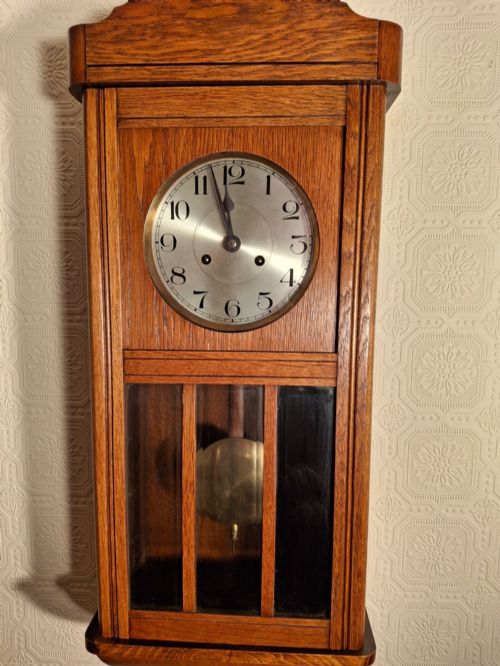
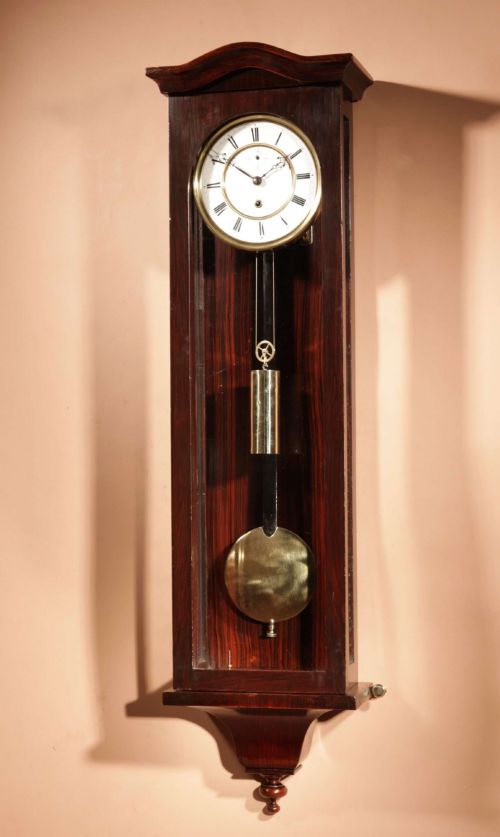
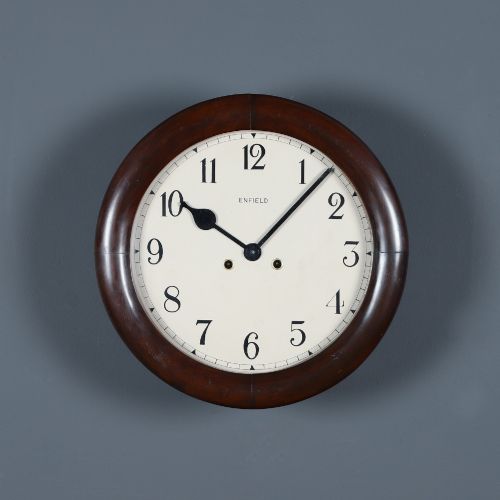
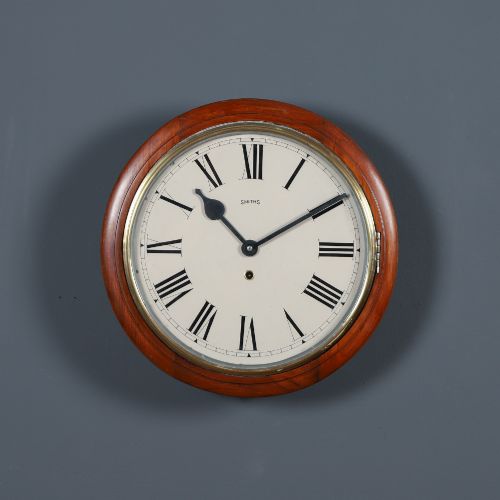
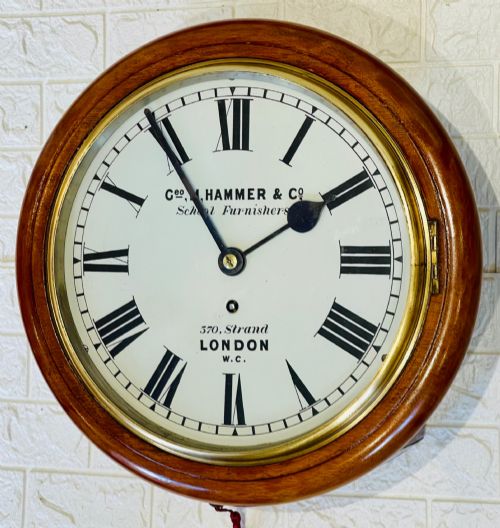
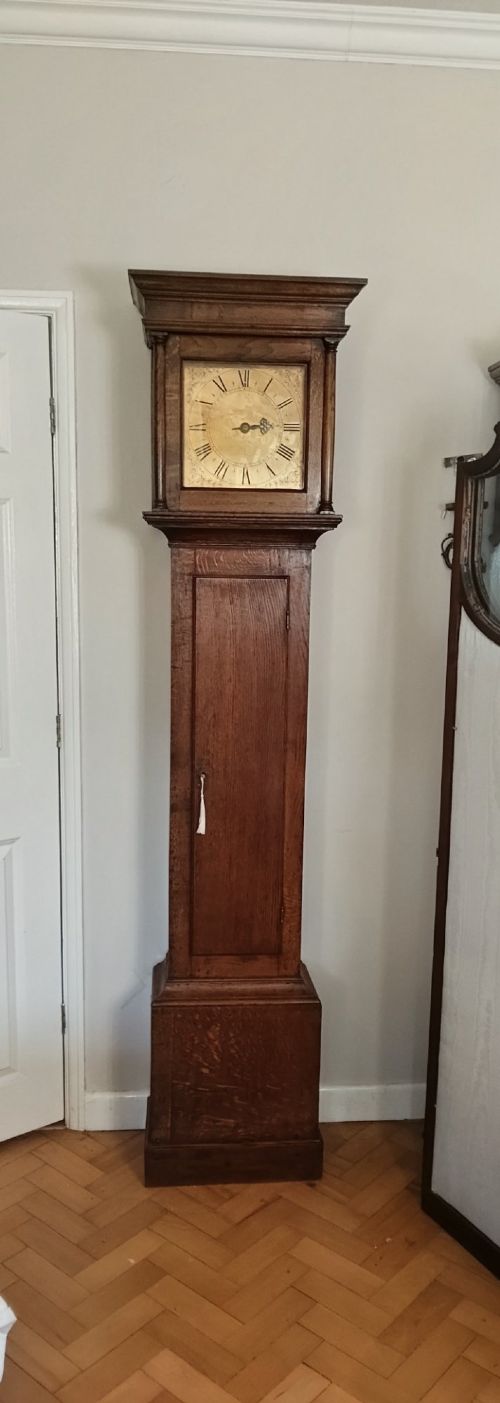
A vintage wooden dial clock encompasses round wall-mounted timepieces, railway instruments, and substantial case clocks housed in timber surrounds. These pieces emerge from periods ranging across the Georgian era, the Victorian decades, and the early twentieth century.
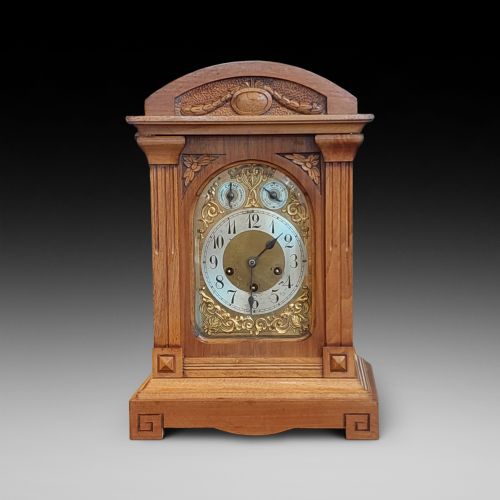
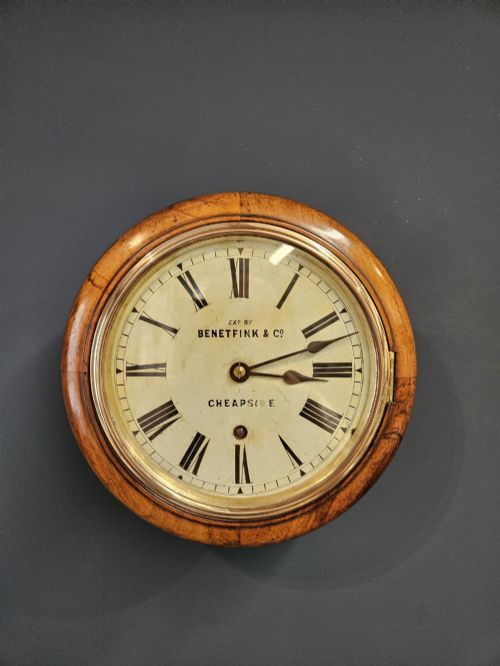
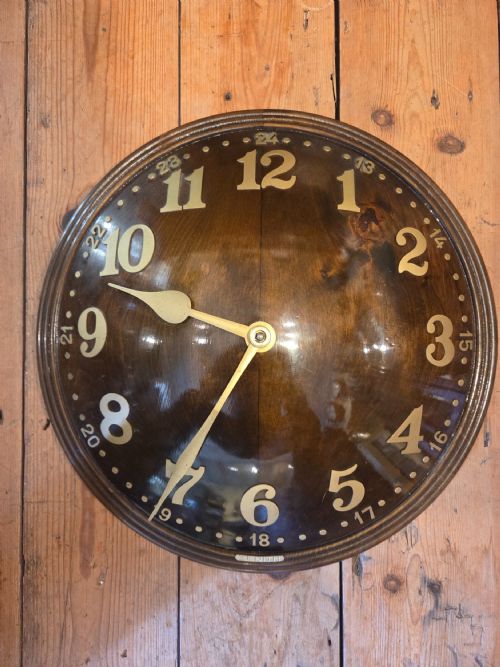
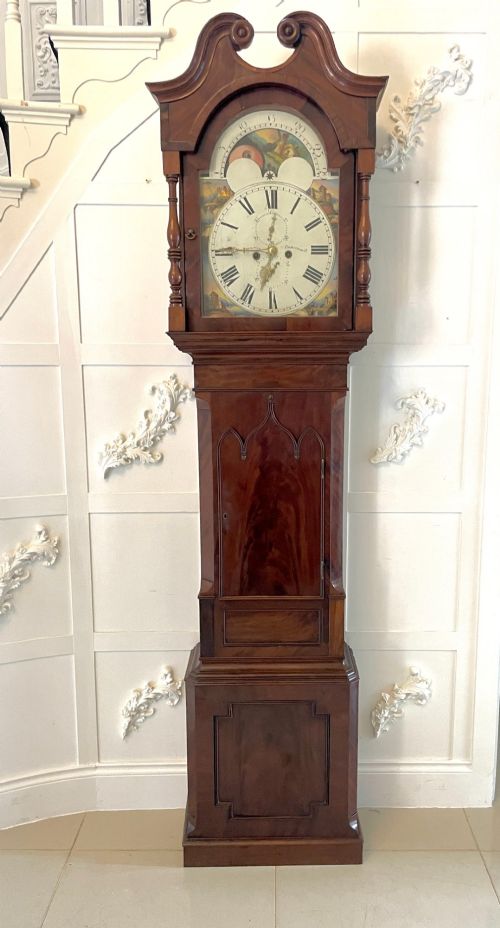
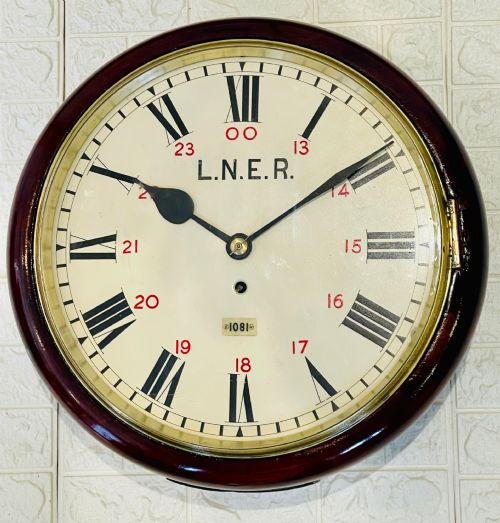
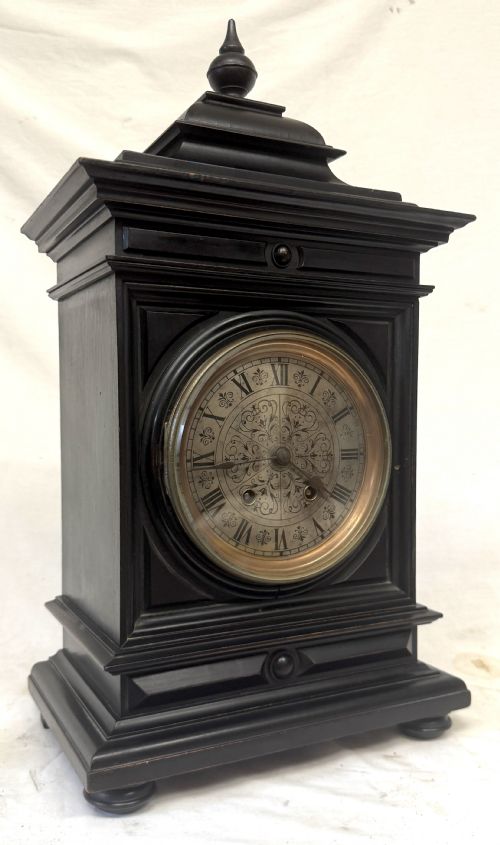
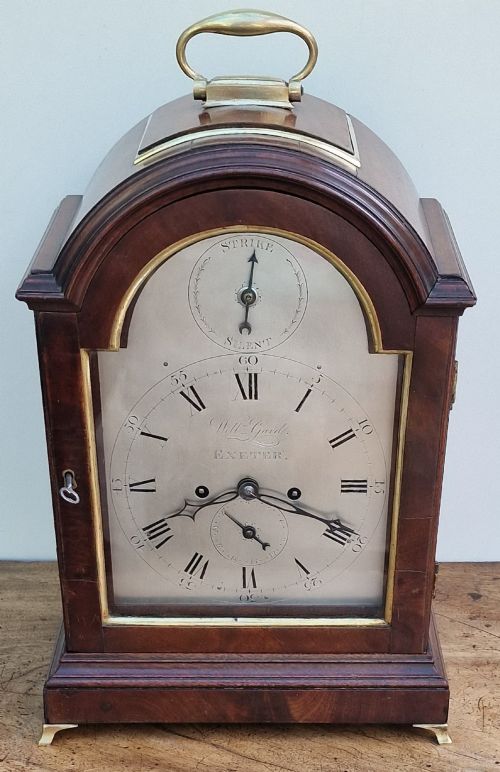
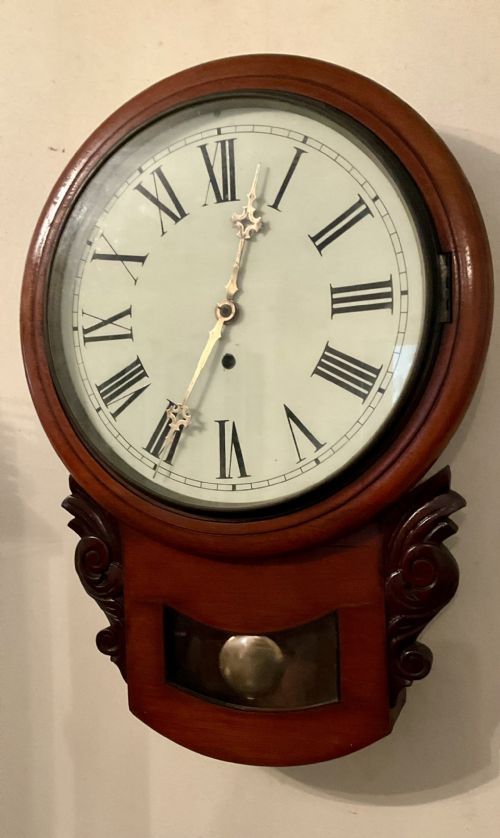
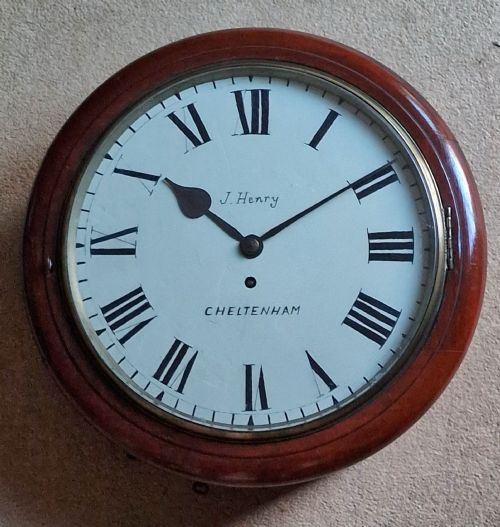
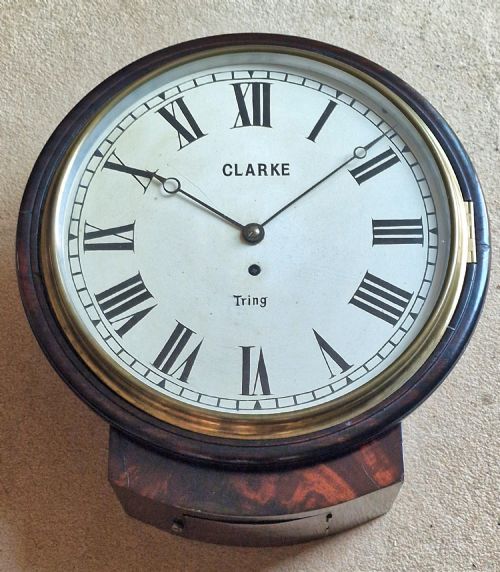
The selections encountered most frequently on this page are round dial wall clocks and station timepieces framed in mahogany, oak, or walnut. Buyers also select mantel clocks, bracket clocks, and tall case formats like grandfather and grandmother clocks.
Origins span English railway and postal networks, Scottish workshops, and continental makers adhering to Victorian, Edwardian, and Art Deco design movements. Each form serves both a domestic utility and a decorative role within an interior scheme.
Materials and construction methods
Cabinet makers constructed the circular bezels and wall cases using solid hardwoods such as mahogany, oak, walnut, and beech, frequently housing the mechanisms behind glass plates. Dial faces combined painted metal, silvered brass, or enamel markings with iron hands.
Internal movements relied on brass gear trains, chain-driven fusee mechanisms, or pendulum regulation designed for sustained accuracy. Selected pieces incorporated mechanical chimes and quarter-striking functions operated by weights or mainsprings.
Railway staff occasionally ensured punctuality by staring firmly at an imposing mahogany dial stamped with official station initials.
Evaluating quality and execution
The distinction between standard utility office timepieces and superior examples rests in the crispness of the timber carving, the choice of burr veneers, and the complexity of the internal movement. Fusee movements and signed dials by established makers indicate higher workshop standards.
Originality of the wooden case, the preservation of painted or silvered dial faces, and the retention of matching components elevate a piece above later replacements or assembled restorations.
L.N.E.R·Lenzkirch·Smiths·Mappin & Webb·Winterhalder·D&J Wellby·Zenith
The Vintage Wooden Dial Clock Glossary
- Fusee
- A conical pulley used in mechanical clocks to maintain an even tension on the gear train as the mainspring unwinds. This mechanism ensures consistent timekeeping across the duration of the wind.
- Dial
- The visible face of the clock displaying the numerals and housing the hands. On these pieces, dials appear in wood, brass, enamel, or painted iron.
- Bracket Clock
- A portable clock originally designed to sit on a wall bracket or table. Many examples feature brass carrying handles and elaborate wooden or ebonised cases.
- Drop Dial
- A wall clock featuring an extended wooden trunk beneath the circular dial. This lower case often accommodates a swinging pendulum.
- Grandfather Clock
- A tall floor-standing pendulum clock also known as a longcase clock. These traditional pieces house weight-driven movements within vertical wooden trunks.
Vintage Wooden Dial Clock: Frequently Asked Questions
How do fusee clocks work?
A fusee movement uses a conical drum linked to the mainspring by a chain or cord. As the spring loses tension, the chain moves to a wider part of the cone to keep the driving force steady.
This clever mechanical adjustment helps the clock maintain consistent accuracy throughout its running cycle.
Where were dial clocks used historically?
Railway stations, post offices, schools, and municipal buildings relied heavily on wall dial clocks for synchronized timekeeping. Their clear round faces ensured visibility from a distance in busy public environments.
Domestic spaces also adopted these robust designs for kitchens, hallways, and studies where practical utility mattered.
How should I care for a vintage clock?
Mount wall clocks securely to solid backing using appropriate fixings to support the weight of the timber case and movement. Keep them away from direct heat sources and fluctuating humidity to protect the wood and internal metal components.
Professional servicing every few years ensures the mechanical parts remain clean and properly lubricated.
What is the difference between wall and bracket clocks?
Wall clocks hang directly from vertical surfaces and often display streamlined circular dials designed for public or domestic utility. Bracket clocks are freestanding table or shelf pieces enclosed in decorative wooden cases with carrying handles.
Bracket clocks frequently incorporate more complex striking and chiming trains than standard wall instruments.