

Vintage Wooden Desk Organizer
A vintage wooden desk organizer brings order to letters and ink, offering sturdy compartments shaped by generations of practical use.
Vintage Wooden Desk Organizer
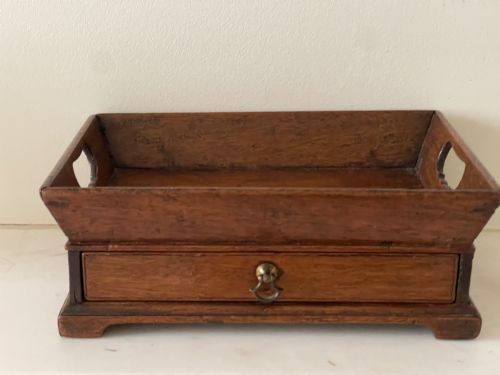
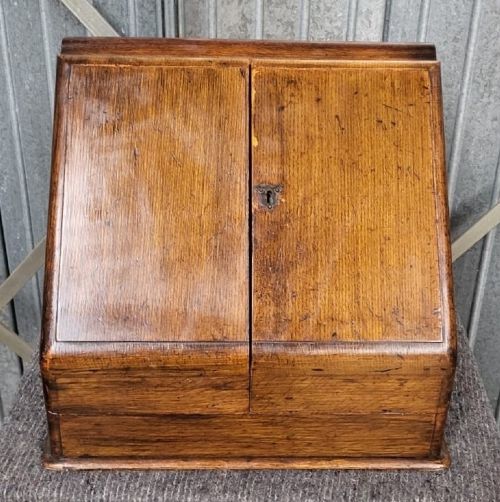
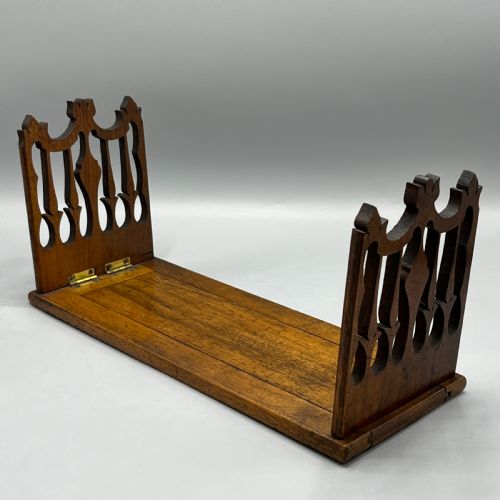
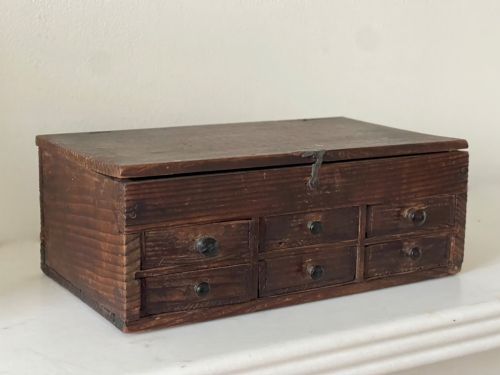
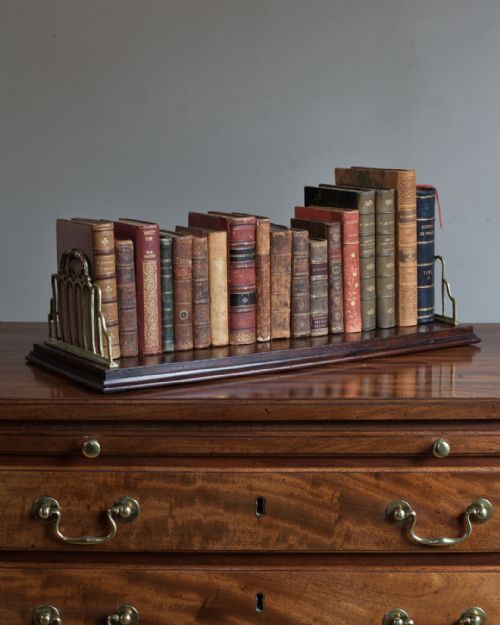
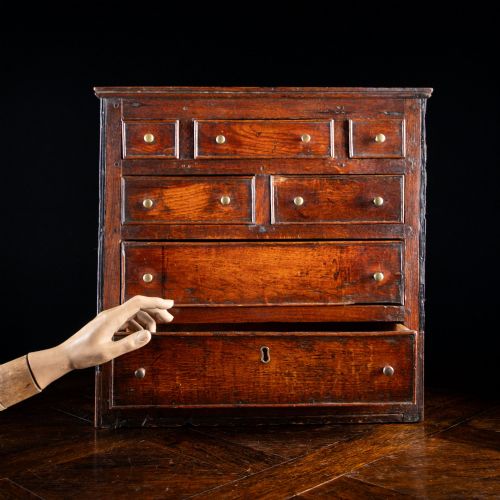
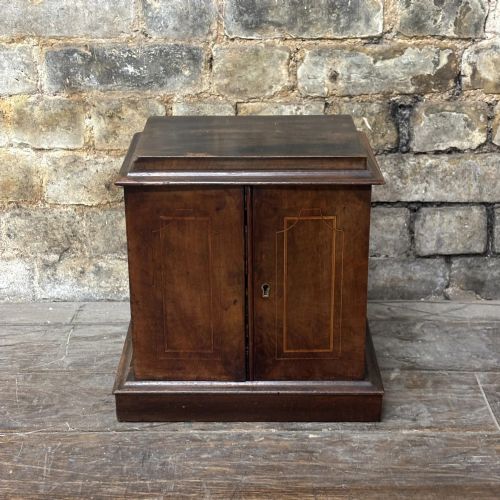
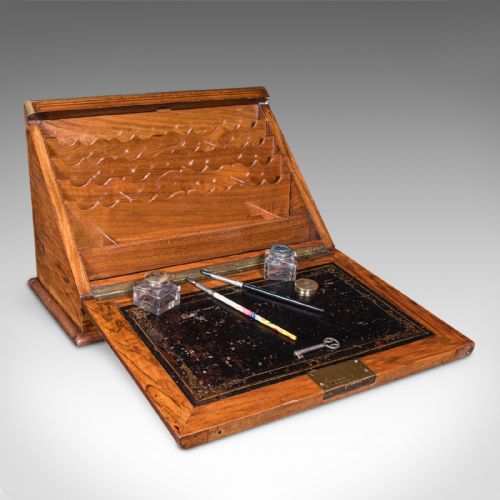
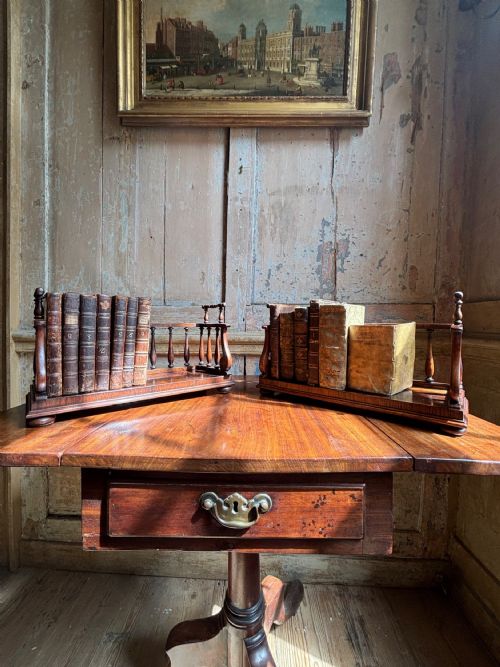
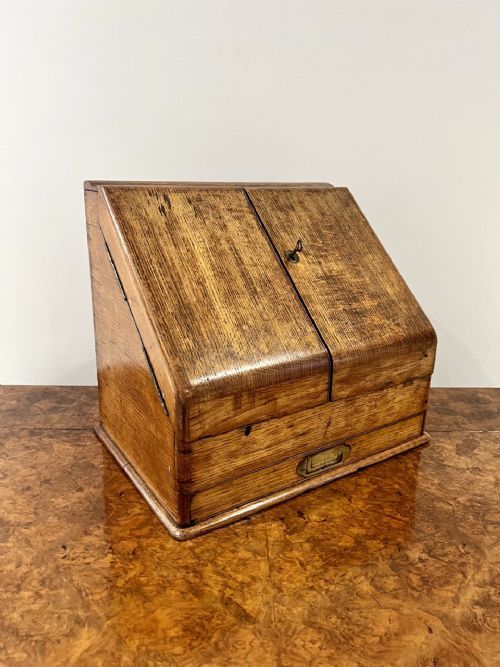
A vintage wooden desk organizer encompasses stationery cabinets, tabletop drawers, letter racks, and book slides designed to keep correspondence tidy. These pieces serve workspaces by sorting pens, paper, and ledgers within reach.
The selections here span periods from the eighteenth century through the Edwardian era and the nineteen-twenties, showing how writing desks evolved. Oak and mahogany dominate, supplemented by walnut, pine, and rosewood.
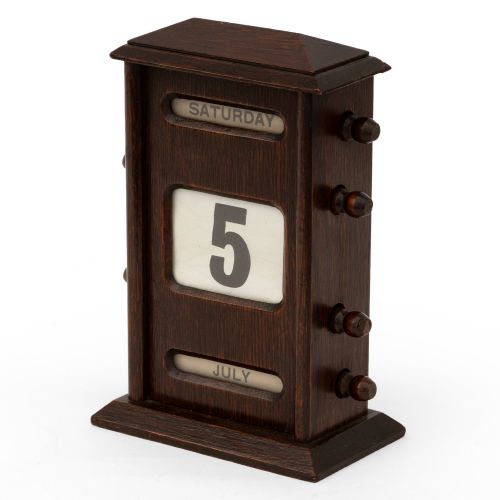
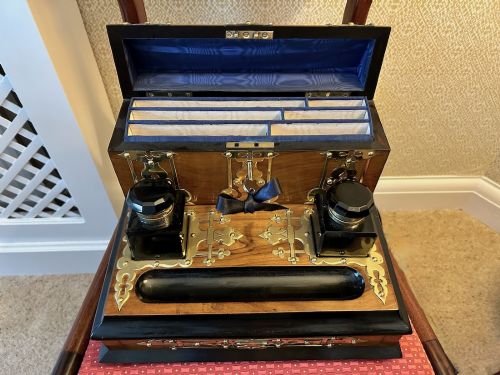
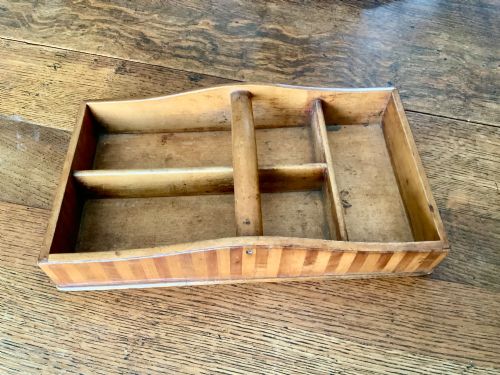
Forms range from simple cutlery trays and pigeon holes to elaborate stationery boxes with hinged lids and secret drawers. Buyers often encounter Victorian and Edwardian examples equipped for inkwells, calendars, and file sorting.
How they were made
Cabinet makers utilised dense hardwoods such as mahogany, oak, and walnut, selecting them for durability on busy writing tables. Pine and hardwood served for internal linings and secondary structures.
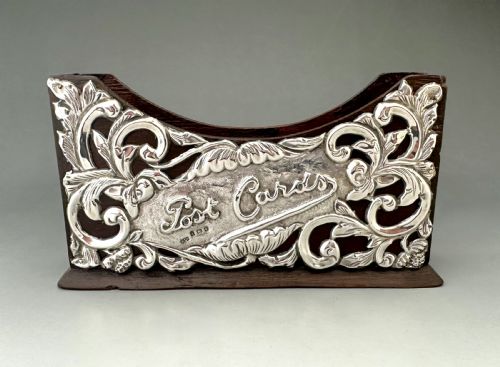
Brass fittings, hinges, handles, and mounts provided both reinforcement and contrast against the dark timber surfaces. Inlaid details, marquetry, and carved wood elements added decorative refinement to functional storage.
Vintage Wooden Desk Organizer Retail Price Guide 2026
Typical asking prices for vintage wooden desk organizer among the pieces listed under this phrase on Sellingantiques today, from the lower quarter to the upper quarter. They describe what is for sale here now, not the wider market.
Listings feature oak, mahogany, walnut, and pine across Victorian, Edwardian, and Georgian periods.
What varies in quality
The calibre of a desk organiser rests upon the selection of timber and the precision of its joinery. Superior examples display carefully matched grain patterns, tight dovetail joints, and robust brass hardware that withstands daily opening and closing.
Design ambition separates standard desk tidies from exceptional stationery cabinets. Pieces featuring integrated perpetual calendars, secret drawers, or specialist compartments for specific professions command attention through thoughtful, specialised planning.
The Vintage Wooden Desk Organizer Glossary
- Stationery cabinet
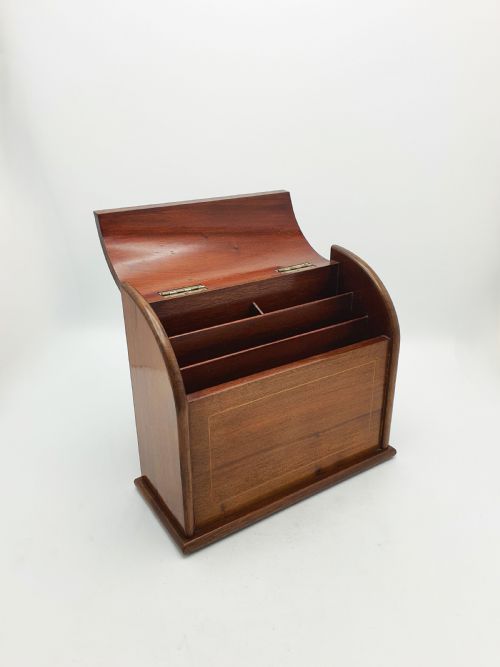
- A tabletop cabinet fitted with internal shelves, pigeon holes, and letter slots for storing writing paper and envelopes. These enclosures usually feature hinged doors or fall-front panels.
- Book slide
- An expanding rack designed to hold a row of books upright on a desk or table. Many examples use a sliding mechanism to adjust the length as volumes are added or removed.
- Inkstand
- A tray or stand holding one or more inkwells, often accompanied by pen troughs and sanders. They sit upon writing tables to keep writing liquids contained.
- Pigeon holes
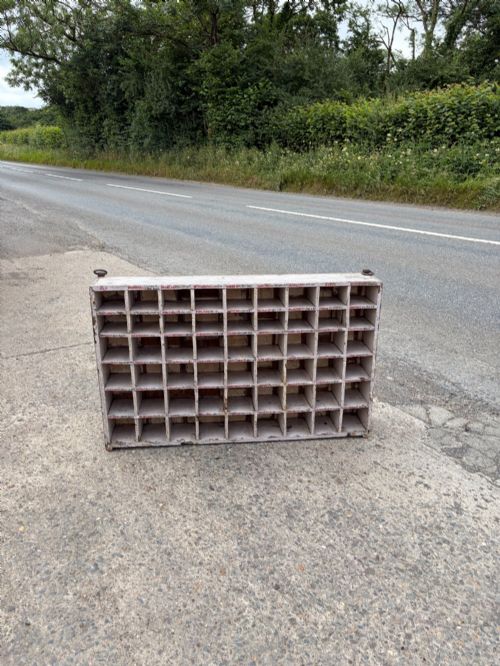
- A grid of small open compartments built into cabinets or desk organisers for sorting post and documents. They provide rapid access to active paperwork.
- Marquetry
- The art of applying decorative veneer pieces to a wooden structure to form geometric or floral patterns. It appears on the exterior surfaces of finer Edwardian stationery boxes.
Vintage Wooden Desk Organizer: Frequently Asked Questions
What did people keep in a vintage desk organizer?
These organizers held loose correspondence, envelopes, nibs, and ink supplies for daily letter writing.
Specialised compartments stored blotting paper, stamps, and account ledgers within arm's reach.
How do I date a wooden stationery cabinet?
Cabinet construction methods, timber choices, and hardware styles offer reliable clues to a piece's age.
Georgian and Victorian pieces tend to use solid oak or mahogany with heavy brass mounts, while later Edwardian versions frequently incorporate delicate marquetry.
Where were stationery boxes used?
They sat atop partner desks, bureau bookcases, and library tables in homes and offices.
Professionals such as insurance agents, naval architects, and watchmakers also used portable versions suited to their trades.
Are these organizers practical for modern desks?
Pigeon holes, small drawers, and letter slots accommodate modern mail, notebooks, and pens quite effectively.
Their compact tabletop footprints bring traditional wooden character to contemporary workspaces without taking up excessive room.