

Vintage Wooden Clothes Storage
Vintage wooden clothes storage delivers enduring utility through traditional craftsmanship, uniting practical hanging space and deep drawers in solid mahogany, oak, and pine.
Vintage Wooden Clothes Storage
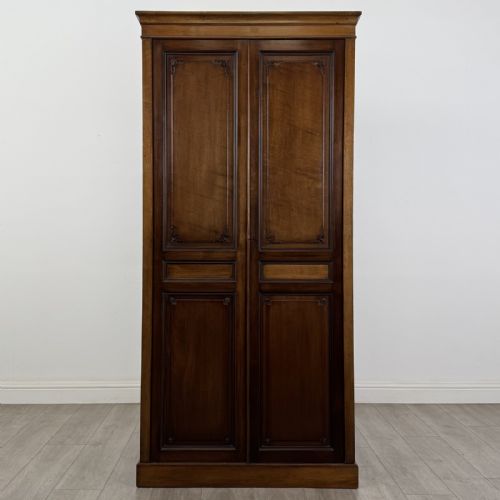
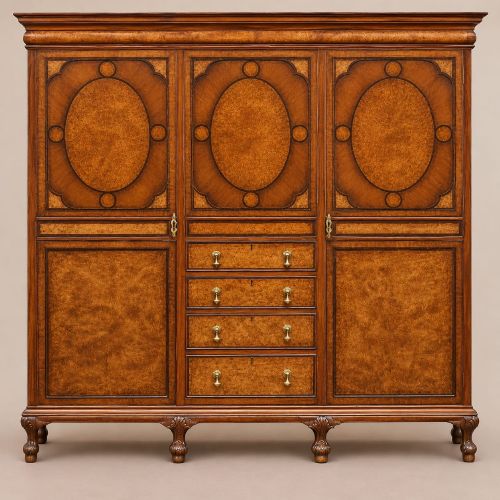
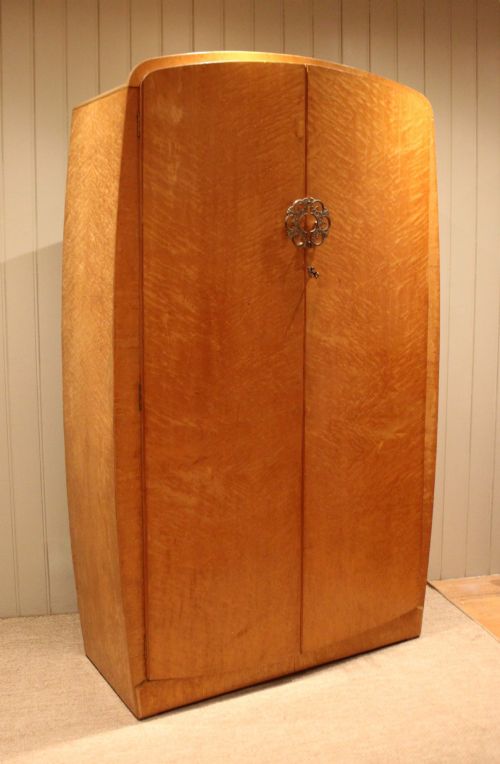
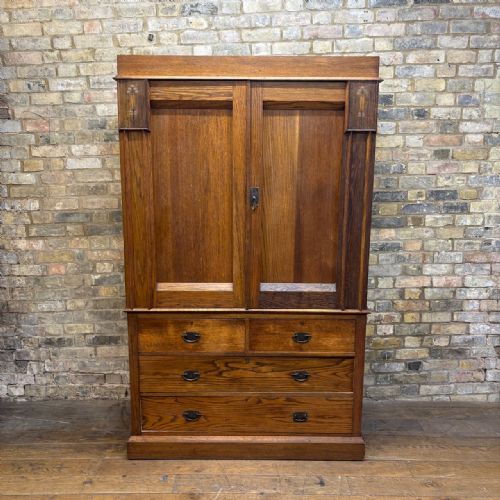
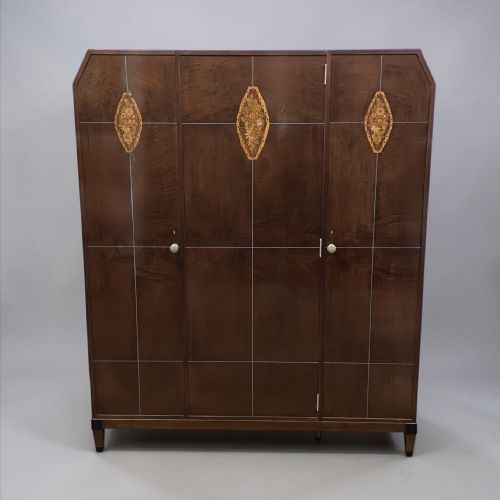
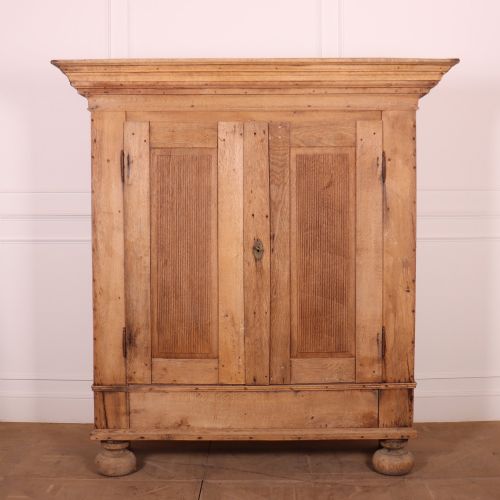
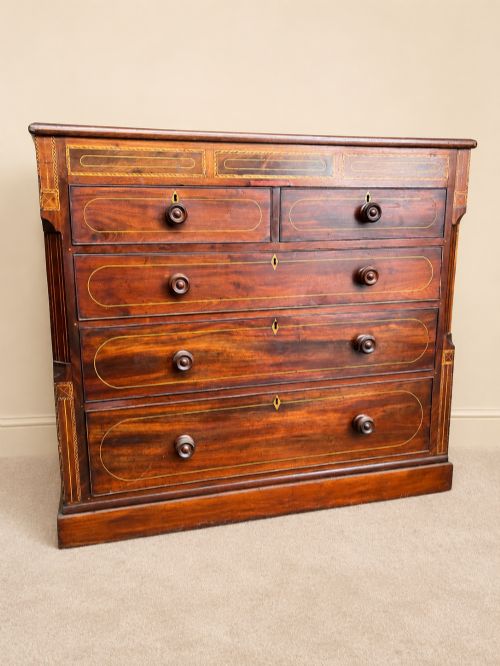
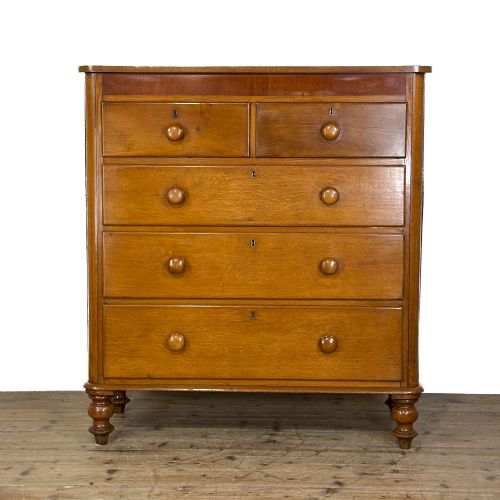
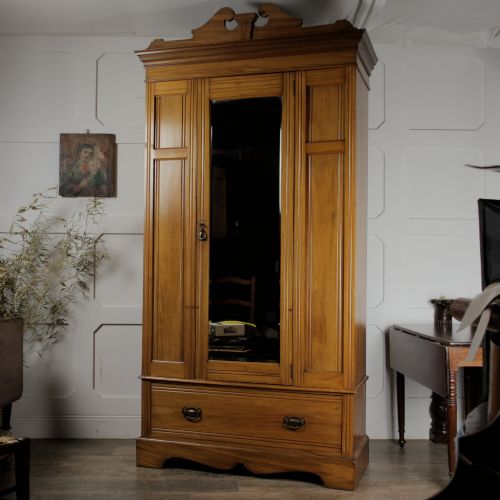
Vintage wooden clothes storage encompasses robust wardrobes, linen presses, chests of drawers, armoires, and tallboys designed to organise garments. These pieces originate from various eras spanning the eighteenth, nineteenth, and early twentieth centuries, reflecting the domestic requirements of their respective periods.
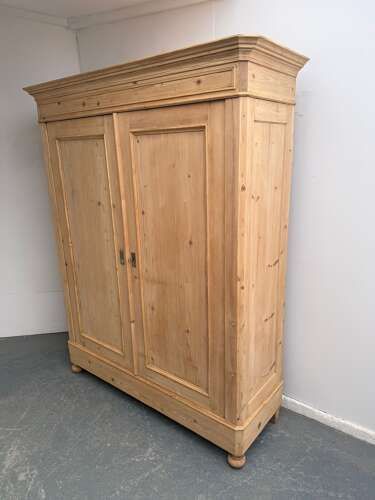
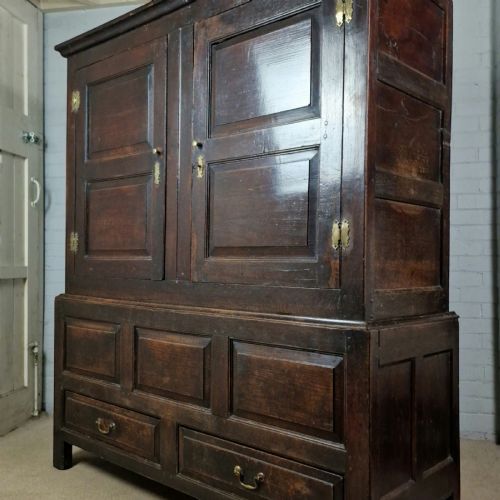
The selection on this page relies heavily on substantial timber forms built by cabinet makers to last generations. Buyers frequently encounter traditional mahogany wardrobes, oak press cupboards, and pine armoires that serve modern bedroom and hallway settings.
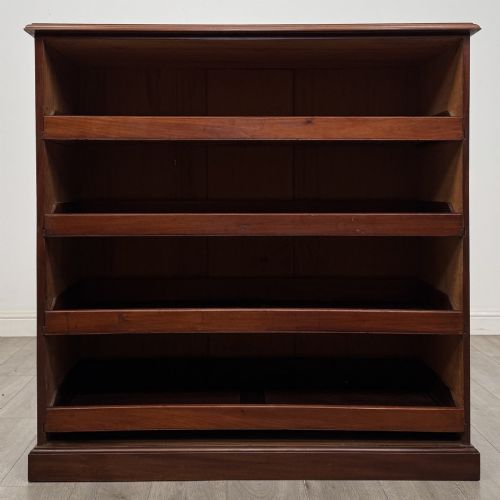
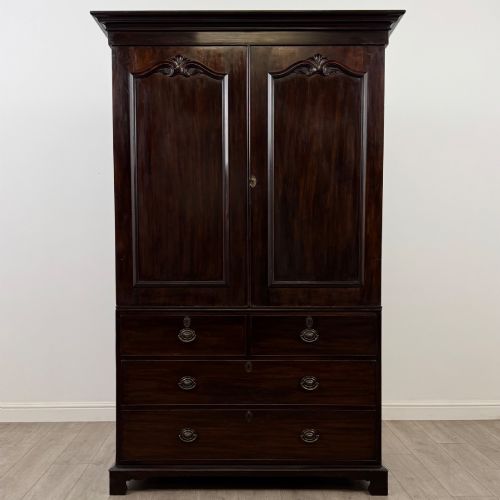
Period pieces range from unpretentious painted pine cupboards to grand Georgian and Victorian linen presses fitted with internal sliding trays. Each configuration offers a distinct method for storing folded garments, linens, and hanging attire.
Materials and Construction Methods
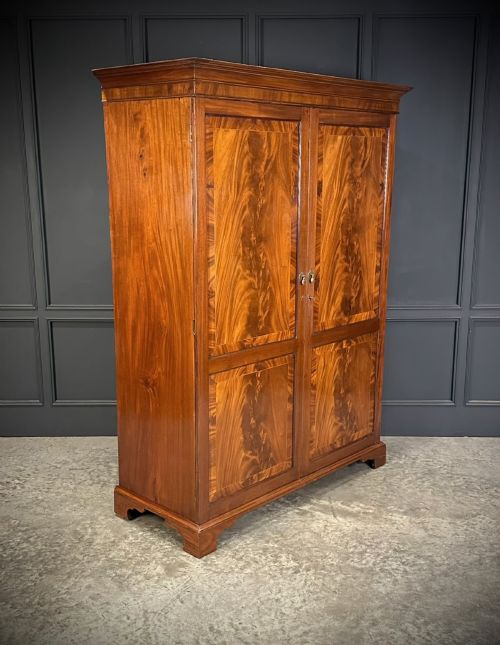
Cabinet makers built these wardrobes and chests primarily using solid hardwoods such as mahogany, oak, and walnut, alongside softer timbers like pine for internal carcases. Selected sections often display decorative flame mahogany or burr walnut veneers applied to primary surfaces for visual depth.
Structural integrity relied on traditional joinery methods, including dovetail joints on drawer construction and panel-in-frame assembly for large wardrobe doors. Brass hardware, iron fittings, and inlaid satinwood stringing completed the decorative and functional aspects of the furniture.
Vintage Wooden Clothes Storage Retail Price Guide 2026
Typical asking prices for vintage wooden clothes storage among the pieces listed under this phrase on Sellingantiques today, from the lower quarter to the upper quarter. They describe what is for sale here now, not the wider market.
Listings feature timbers including mahogany, oak, walnut, pine, and satinwood across periods from the eighteenth to the twentieth century.
Distinctions in Quality
Quality in vintage clothes storage rests upon the selection of timber and the precision of the underlying joinery. Pieces featuring thick solid mahogany, well-matched flame veneers, and hand-cut dovetails represent a higher tier of workmanship than simpler utility items.
The internal configuration and surviving original elements also dictate worth. Linen presses retaining their original sliding linen trays, functioning brass locks, and integrated drawer structures demonstrate superior original intent and better preservation.
maples & co·Heals
The Vintage Wooden Clothes Storage Glossary
- Linen Press
- A dual-purpose piece of furniture featuring sliding trays or shelves enclosed by upper doors, placed above a base section of multiple drawers.
- Tallboy
- A tall storage unit comprising a chest of drawers stacked vertically, often combining a smaller upper chest with a larger lower base.
- Armoire
- A large freestanding cupboard or wardrobe, historically used for storing weapons or garments, typically featuring double doors enclosing hanging space.
- Flame Mahogany
- A veneer cut from the branch junction of a mahogany tree, displaying a distinctive flamed or feathered grain pattern.
- Dovetail Joint
- A traditional interlocking woodworking joint used in drawer construction, prized for its high resistance to being pulled apart.
Vintage Wooden Clothes Storage: Frequently Asked Questions
What is a linen press?
A linen press is a traditional storage cabinet that combines upper shelving or sliding trays with lower drawers. They were originally designed to store household linens flat before modern hanging wardrobes became standard.
Today, these pieces function well in bedrooms for folded garments and bedding, offering significant capacity within a traditional wooden frame.
How do I date a wooden wardrobe?
Dating a wooden wardrobe involves examining the timber species, construction techniques, and stylistic details. Georgian and Victorian pieces often show hand-cut dovetailing and solid secondary woods like oak or pine inside.
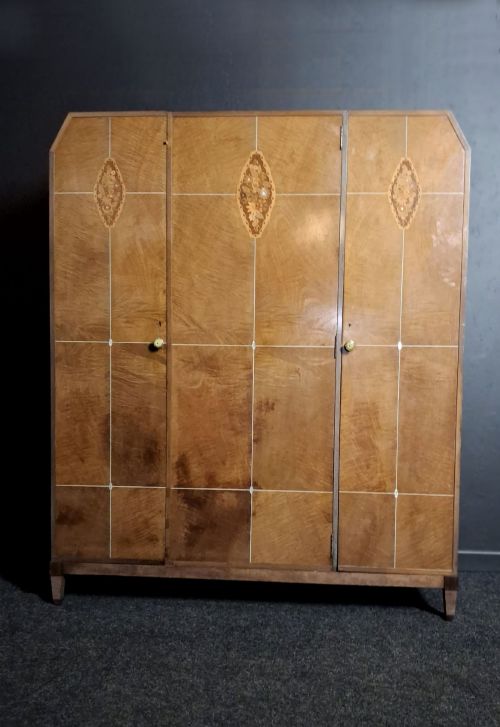
Later pieces from the early twentieth century or Art Deco period incorporate different veneers, simplified lines, and machine-cut elements that reflect industrial manufacturing shifts.
Can knockdown wardrobes be disassembled?
Knockdown wardrobes, particularly those in pine or regional styles, were constructed with pegged joints or wedges to allow complete dismantling. This design enabled owners to transport large furniture pieces up narrow staircases or between properties.
When assembling these pieces, keeping track of original numbered pegs or joints ensures the structure remains square and stable.
Are tallboys different from chests of drawers?
Tallboys stand higher than standard chests of drawers by stacking additional storage tiers vertically to maximise capacity whilst occupying a smaller floor footprint. They frequently incorporate a combination of wide and narrow drawers.
This vertical configuration makes tallboys a practical choice for bedrooms where floor space is limited but storage requirements remain high.