




Vintage Wooden Closet
These vintage wooden closet examples offer solid construction and ample storage, bringing traditional craftsmanship and character into any bedroom.
Vintage Wooden Closet
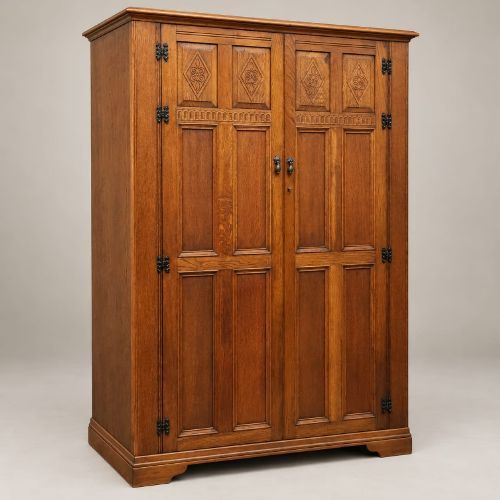
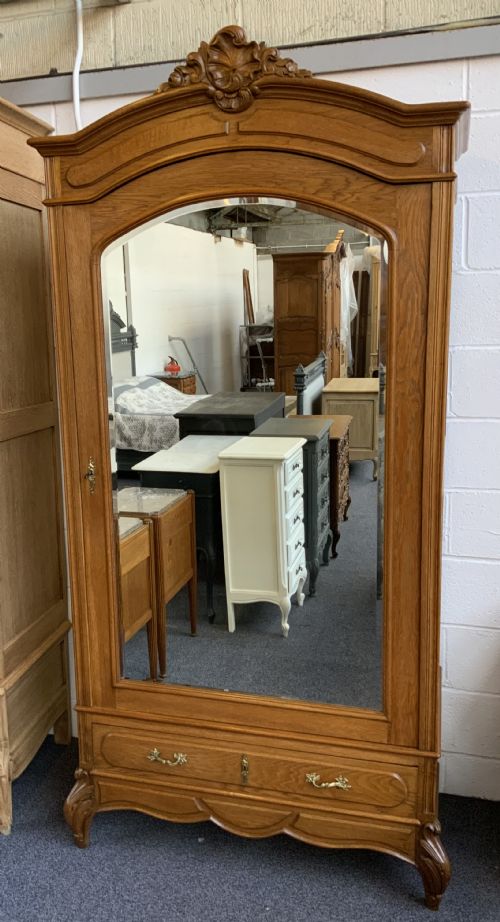
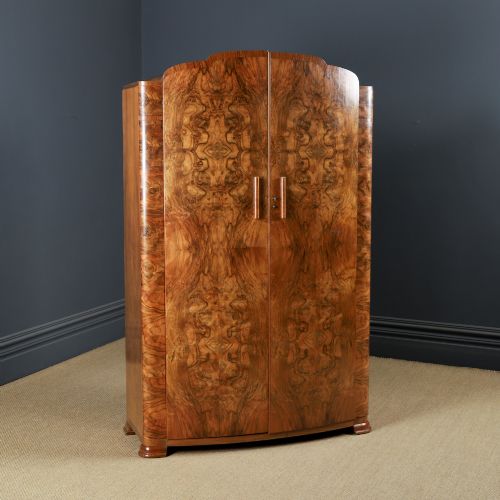
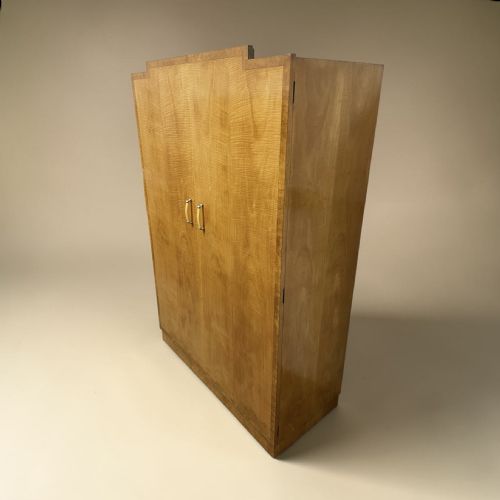
A vintage wooden closet encompasses large storage furniture designed for garments, predominantly appearing as wardrobes and armoires across this selection. Pieces span multiple decades from the Georgian and Edwardian eras up to the Art Deco period, offering buyers distinct historical designs.
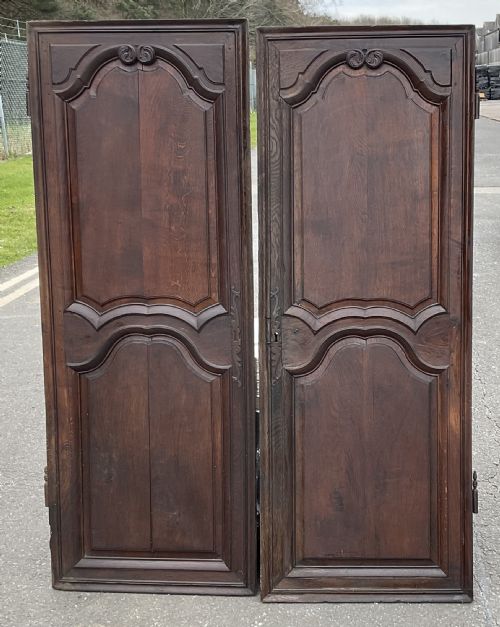
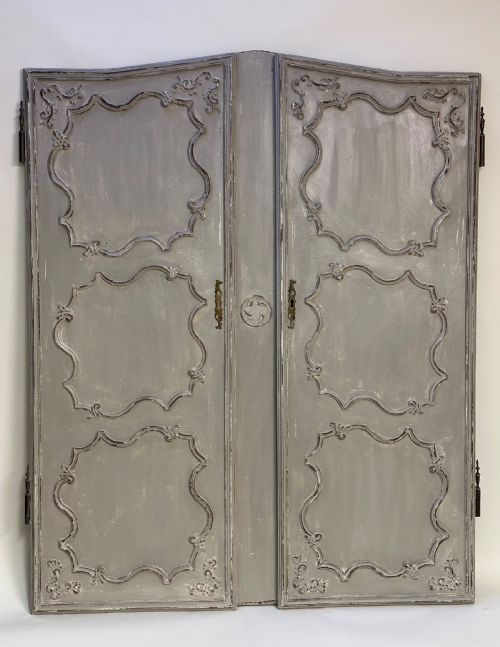
The most common forms on this page include oak and mahogany wardrobes alongside French armoires and display cabinets. Buyers encounter both single and multi-door configurations, often featuring fitted interiors or carved detailing.
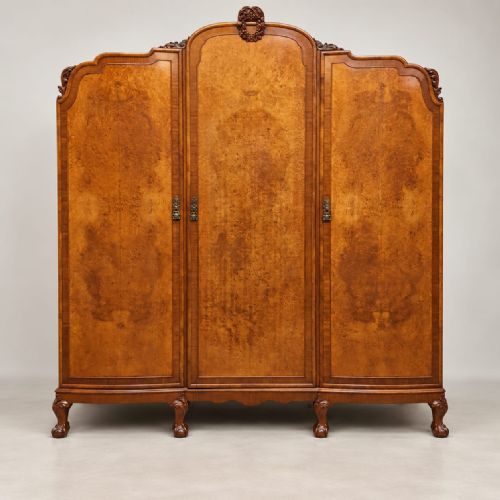
Origins vary from English workshops to French provincial makers, bringing regional construction methods and aesthetic choices to each piece. Walnut and burr walnut examples add decorative grain patterns to the standard timber selection.
How they were made
Cabinet makers utilised dense hardwoods such as oak, mahogany, and walnut to build robust carcases that withstand decades of daily use. Burr walnut veneers and marquetry inlay provide decorative surface detail on select items from the collection.
Joinery methods rely on traditional framing techniques, while metal elements like brass handles, hinges, and key escutcheons accent the timber doors. Hand carving appears on French provincial and Arts and Crafts examples, demonstrating individual artisan work.
Vintage Wooden Closet Retail Price Guide 2026
Typical asking prices for vintage wooden closet among the pieces listed under this phrase on Sellingantiques today, from the lower quarter to the upper quarter. They describe what is for sale here now, not the wider market.
Materials in these listings include oak, walnut, burr walnut, mahogany, brass, glass, iron, and metal.
What varies in quality
The choice of timber and veneer determines the visual impact of each piece, with burr walnut and figured mahogany sitting at the higher end of the decorative scale. Fine hand carving and detailed brass hardware elevate standard storage furniture into notable examples of period design.
Construction integrity depends on the precision of the joinery and the original thickness of the timber panels used in the doors and carcase. Original fitted interiors and intact glass panels in display cabinets further distinguish superior examples from simpler utilitarian items.
Crown Furniture
The Vintage Wooden Closet Glossary
- Armoire
- A tall wardrobe or cupboard, typically of French origin, used historically for storing garments. These pieces often feature single or double panelled doors and carved ornamentation.
- Marquetry
- The art of applying pieces of veneer to a structure to form decorative patterns and pictures. Dutch examples in this selection showcase this detailed woodworking technique.
- Vitrine
- A glass-fronted cabinet used for displaying fine objects or curiosities. Edwardian iterations utilise mahogany frames to showcase items internally.
- Carcase
- The main structural body or shell of a piece of cabinet furniture, excluding doors and drawers. It provides the foundational strength for large wardrobes.
Vintage Wooden Closet: Frequently Asked Questions
How do I clean a wooden wardrobe?
Dust surfaces regularly with a soft, dry cloth to prevent dirt accumulation on the timber grain.
Apply a suitable beeswax polish occasionally to nourish the wood and maintain its natural lustre without using harsh chemical cleaners.
Can I dismantle these large wardrobes?
Many period wardrobes were constructed with knockdown sections or removable cornices and base plinths to facilitate transport.
Check the specific joinery of the piece before attempting disassembly to ensure screws and pegs are safely managed.
Where should I place a heavy armoire?
Position the piece against a stable, flat wall away from direct heat sources and strong sunlight that might dry out the timber.
Ensure the floor surface is level so the heavy doors hang correctly within their frames and close smoothly.
How do I identify the wood type?
Examine the grain pattern, colour variation, and weight of the timber used in the doors and panels.
Oak exhibits distinct flecks and open grains, whereas mahogany and walnut offer smoother, darker tones with unique figuring.