
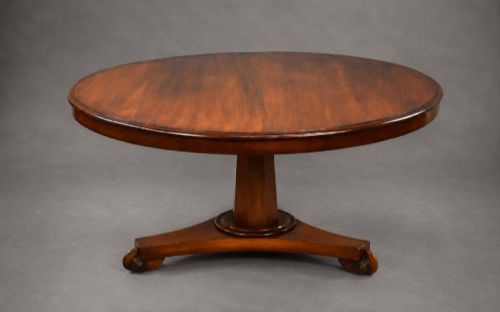
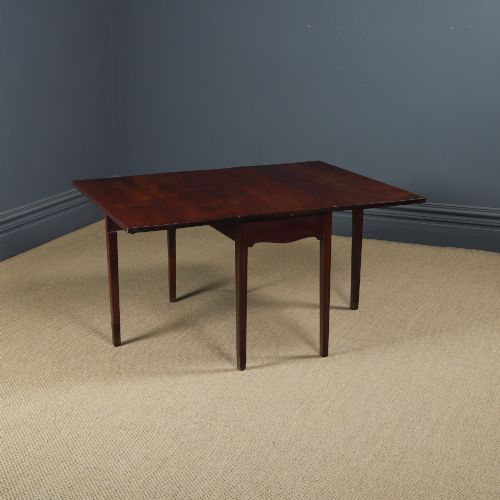


Vintage Wooden Centre Table
A vintage wooden centre table anchors a room with presence, offering sturdy timber surfaces and historical character built to last.
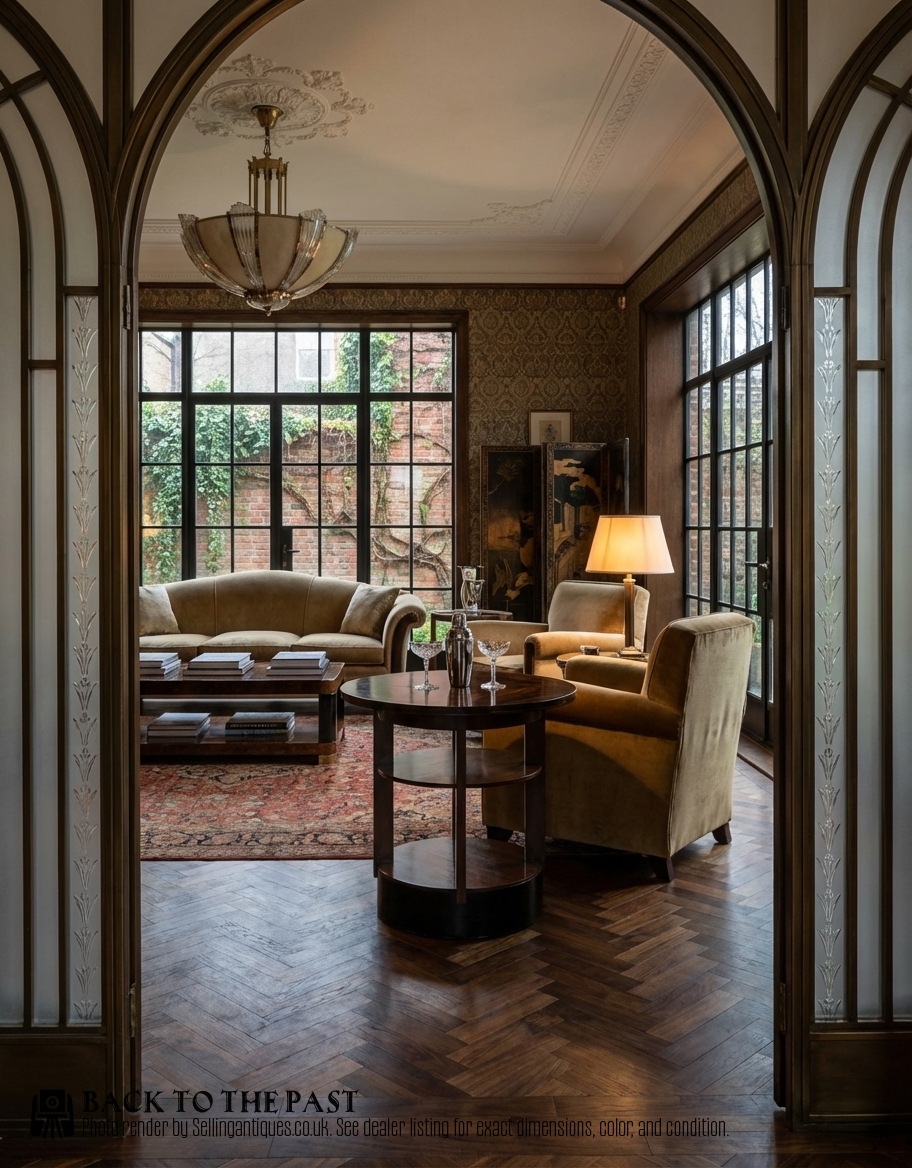
Vintage Wooden Centre Table
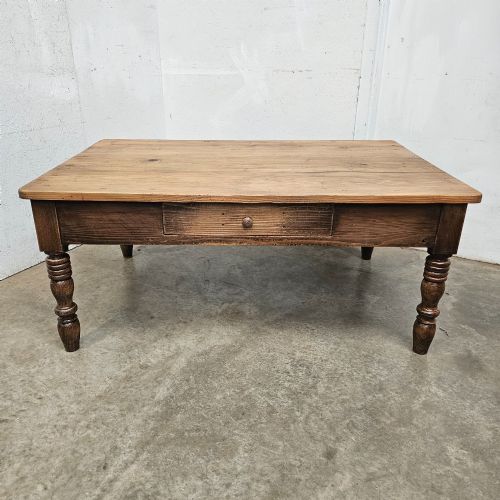
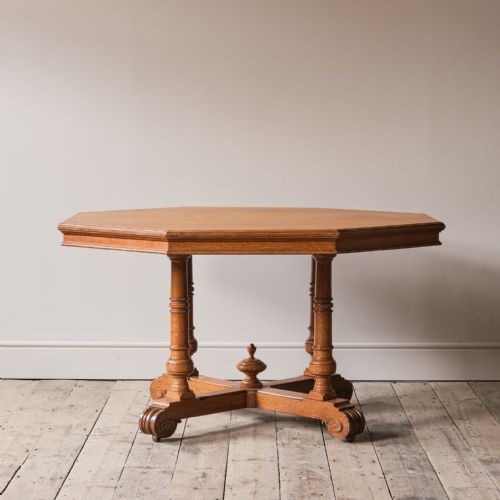
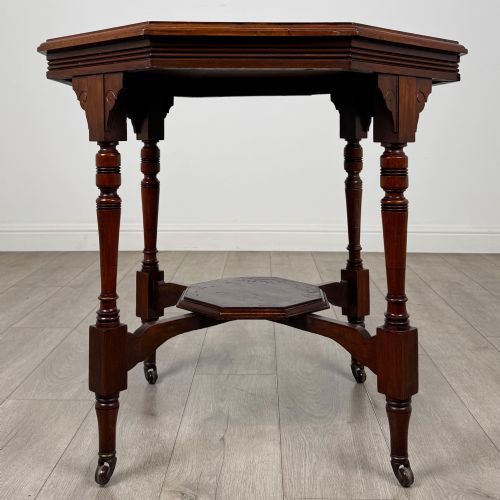
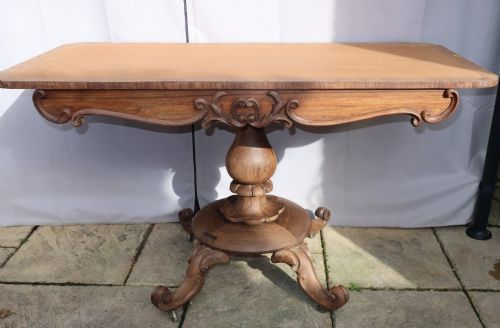
A vintage wooden centre table stands as a freestanding piece designed to occupy the middle of a room, functioning historically as a display or gathering surface. Buyers seeking a vintage wooden centre table will encounter diverse forms ranging from octagonal shapes and pedestal designs to drop-leaf dining formats and low coffee table heights.
The selection on this page spans origins across England, France, Italy, Germany, Austria, Sweden, and India, reflecting the global reach of classic furniture design. Pieces date from the eighteenth century through the Victorian and Edwardian eras into the nineteen-twenties and thirties, showing how makers adapted traditional forms for later domestic interiors.
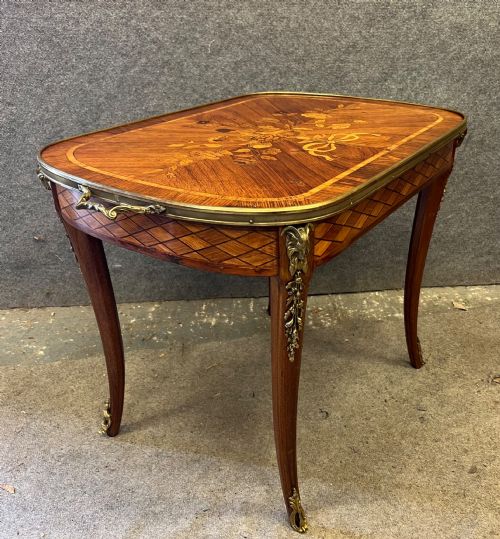
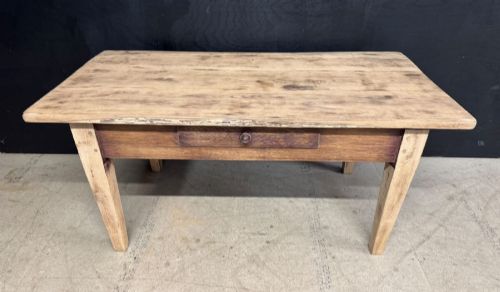
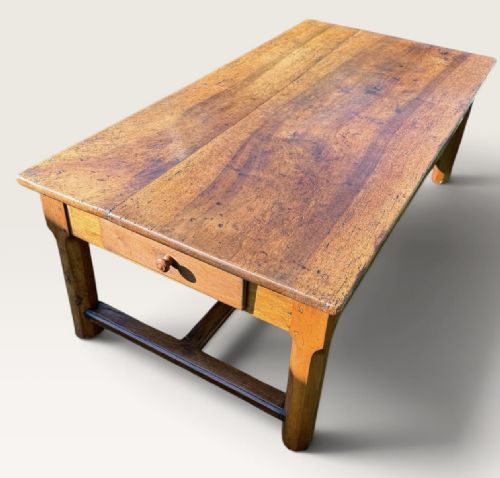
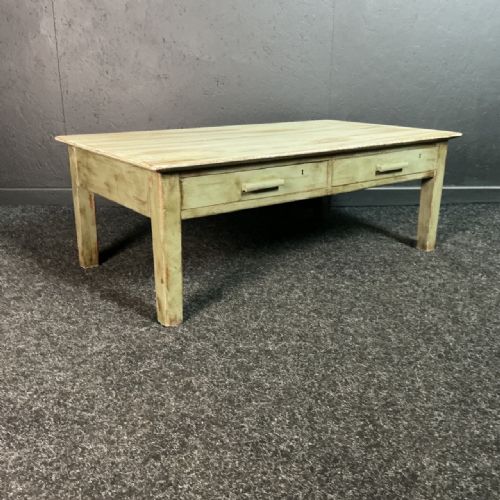
Occasional tables, coffee tables, and side tables frequently overlap with centre table categories due to converted heights and proportions. Buyers will find both formal parlour pieces with marquetry or marble tops and robust farmhouse or rustic tables intended for everyday utility.
How they were made
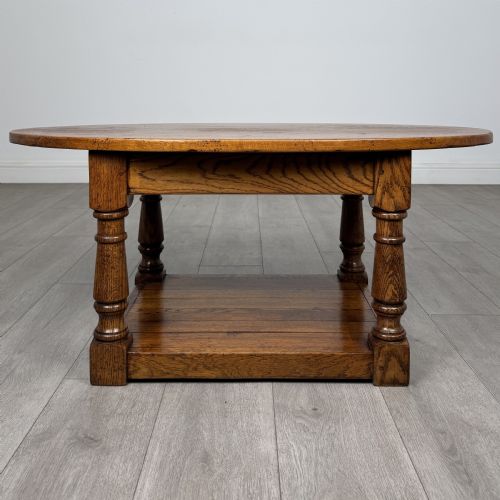
Cabinet makers utilised a rich palette of hardwoods including walnut, burr walnut, mahogany, oak, pine, rosewood, satinwood, cherrywood, birch, elm, and yew. These timbers were selected for grain pattern and structural strength, often shaped into turned legs, pedestal bases, or framed panels.
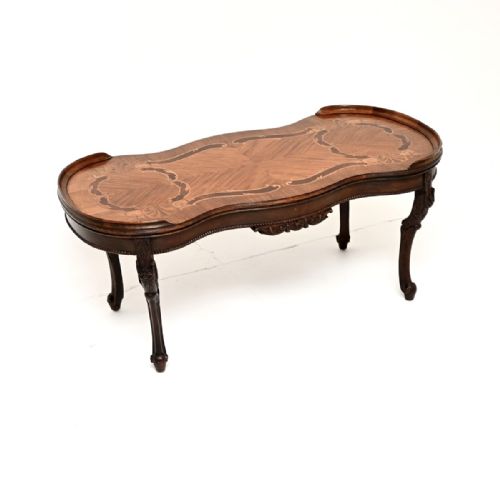
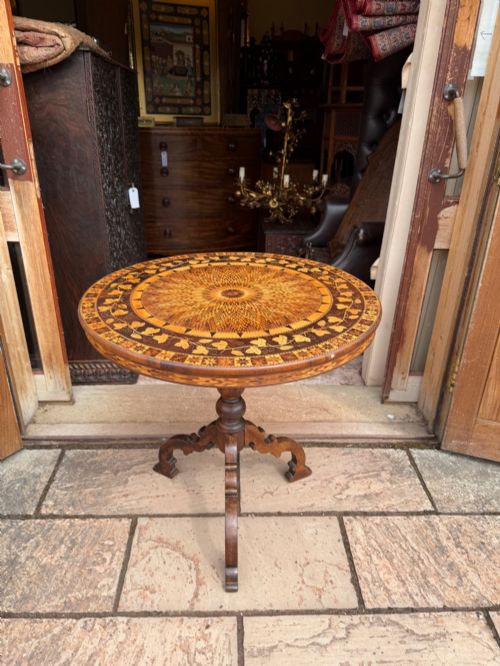
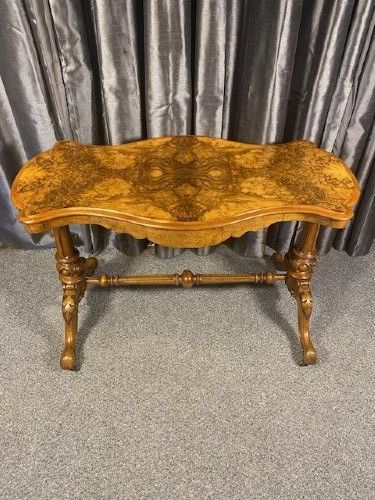
Surface ornamentation involved intricate techniques such as marquetry inlay, Sorrento inlay, and oyster veneering, alongside carved details and ebonised finishes. Select pieces integrate specialist top materials like Pink Salome marble and Derbyshire Fossil marble, mounted firmly to wooden frameworks.
Form variations range from octagonal centre tables and tilt-top designs to low rustic pine coffee tables.
What varies in quality
The distinction between standard domestic output and high-end craftsmanship lies in the selection of figured timbers and the precision of decorative inlays. Tables featuring carefully matched burr walnut veneers or complex floral marquetry demonstrate superior workshop skill compared to plain painted or utility surfaces.
Structural integrity and the quality of secondary materials also divide the range, from simple pegged pine and oak construction to elaborate Italian Baroque carving or integrated marble slabs. The harmony between the original form and subsequent adaptations dictates the overall standard of each piece.
The Vintage Wooden Centre Table Glossary
- Marquetry
- Decorative patterns created by fitting small pieces of veneer into a wood foundation to form pictorial or geometric designs. This technique demands high precision from the cabinet maker.
- Burr walnut
- Timber taken from the abnormal growth of a walnut tree, yielding swirling grain patterns highly prized for luxury table tops. It provides distinctive texture and visual depth.
- Pedestal table
- A table supported by a single central column rather than traditional corner legs, often standing on a shaped foot or claw base. This design allows flexible seating arrangement around the perimeter.
- Drop-leaf
- A table configuration featuring hinged side flaps that can be raised to expand the surface area or lowered for compact storage. It offers versatile function within smaller rooms.
- Ebonised
- Wood treated with a dark finish to imitate expensive ebony, popular during the Victorian and Aesthetic Movement periods. It creates a stark contrast against inlaid elements or marble tops.
Vintage Wooden Centre Table: Frequently Asked Questions
How do I style a centre table?
Place the table in the middle of a room to allow access from all sides, using it for lamps, books, or decorative objects.
Ensure surrounding furniture allows enough clearance for movement so the table functions as a natural focal point.
Were these originally dining tables?
Some larger formats and drop-leaf examples served dining purposes, while smaller variations acted as parlour or occasional tables.
Many lower coffee table versions represent later conversions from taller nineteenth-century dining or centre tables.
How do I clean wooden surfaces?
Dust regularly with a dry, soft cloth and avoid chemical polishes that can degrade nineteenth-century or earlier finishes.
Apply quality beeswax sparingly to nourish the timber and maintain a natural sheen without building up residue.
Can I use a marble top daily?
Marble surfaces like Pink Salome or Derbyshire Fossil stone provide durable areas for everyday items but require protection from acidic spills.
Use coasters and placemats to prevent staining while enjoying the cool, solid texture of the stone.