


Vintage Wood Wall Clock
A vintage wood wall clock brings timekeeping into domestic space with substantial timber cases and clear dials.
Vintage Wood Wall Clock
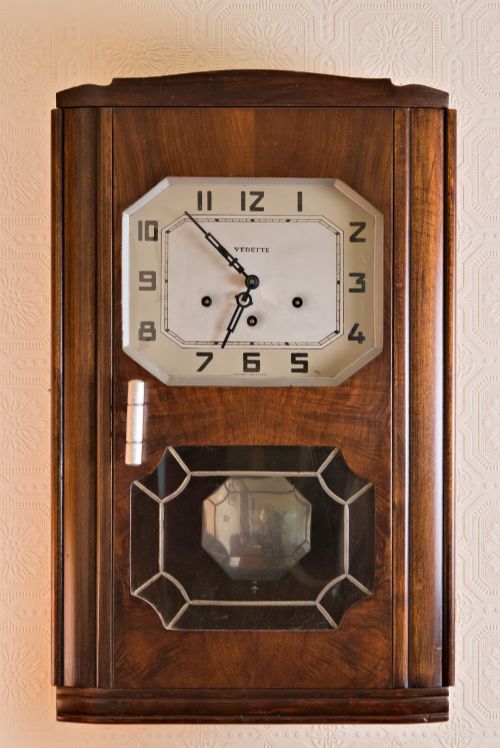
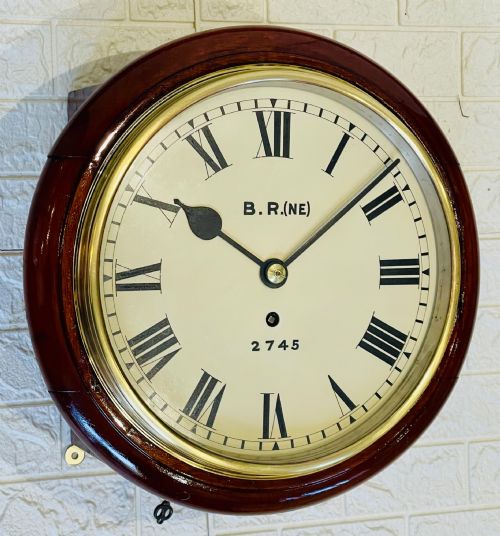
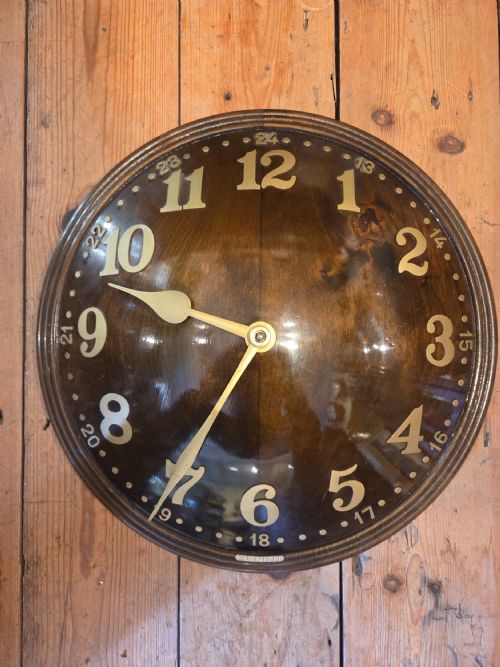
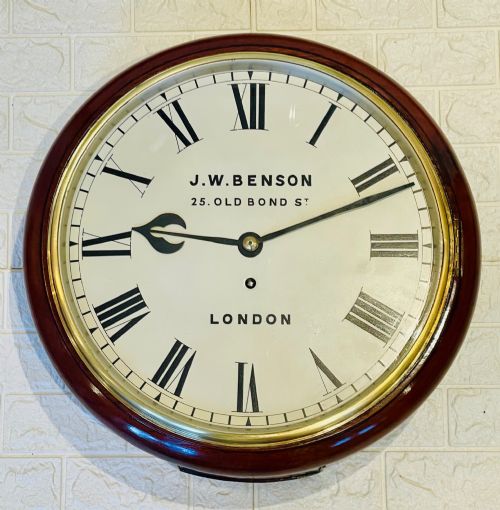
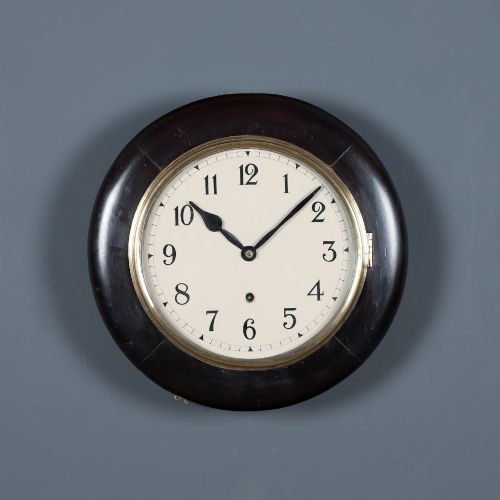
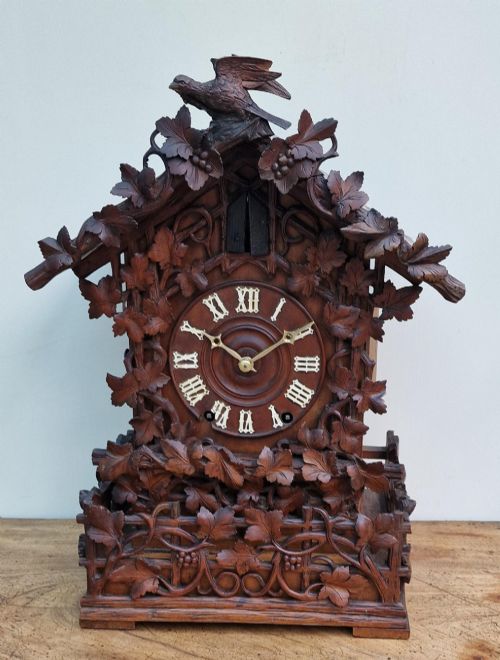
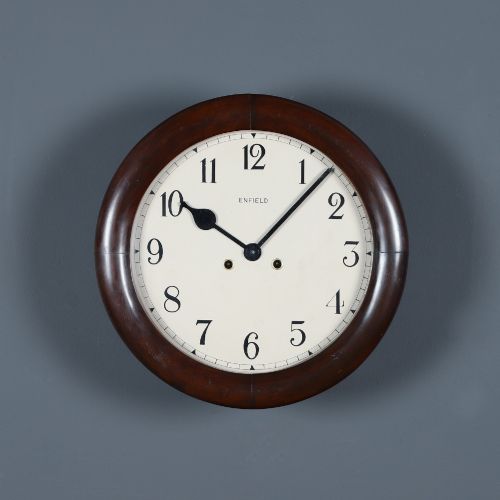
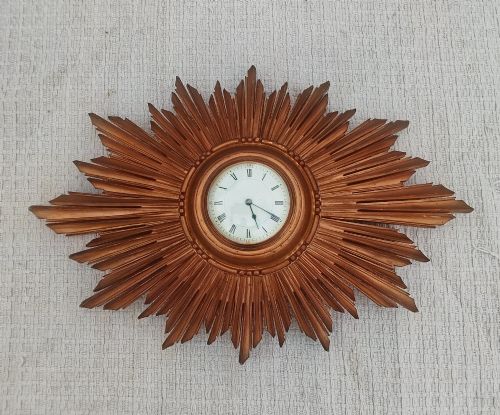
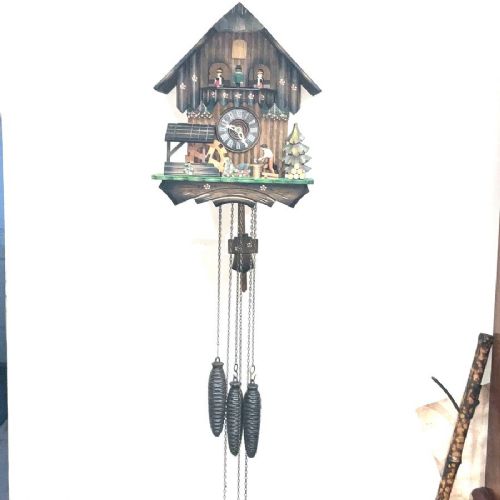
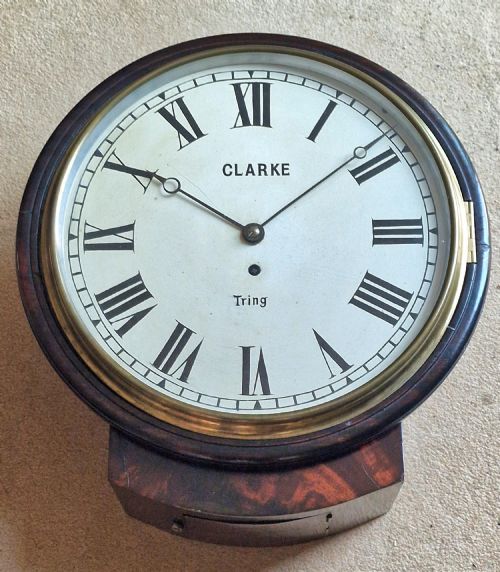
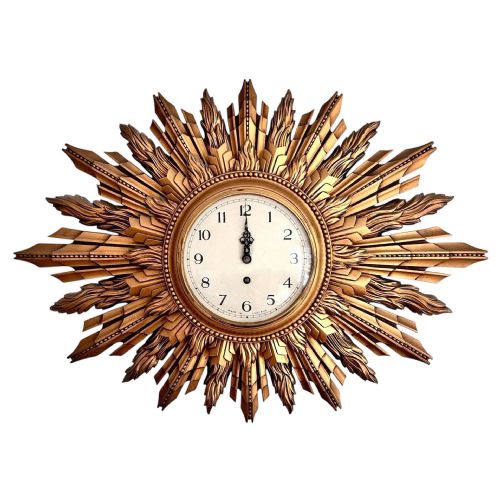
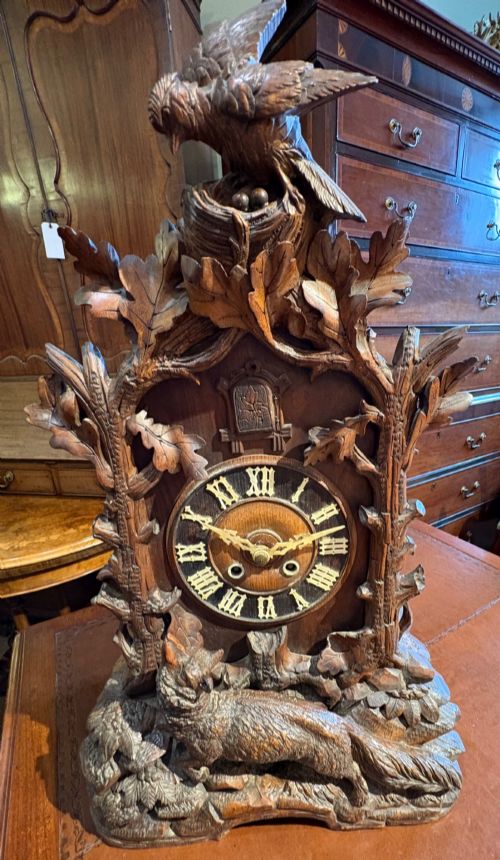
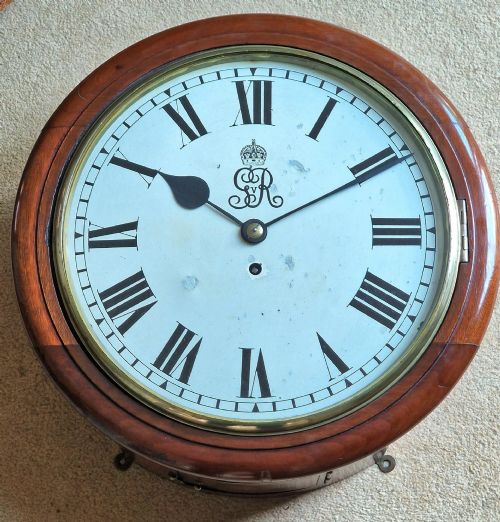
When you search for a vintage wood wall clock, you encounter timepieces housed in timber cases designed to hang securely in domestic, station, or school settings. The most common forms on this page include round dial clocks, drop-dial variants, and intricately carved Black Forest examples.
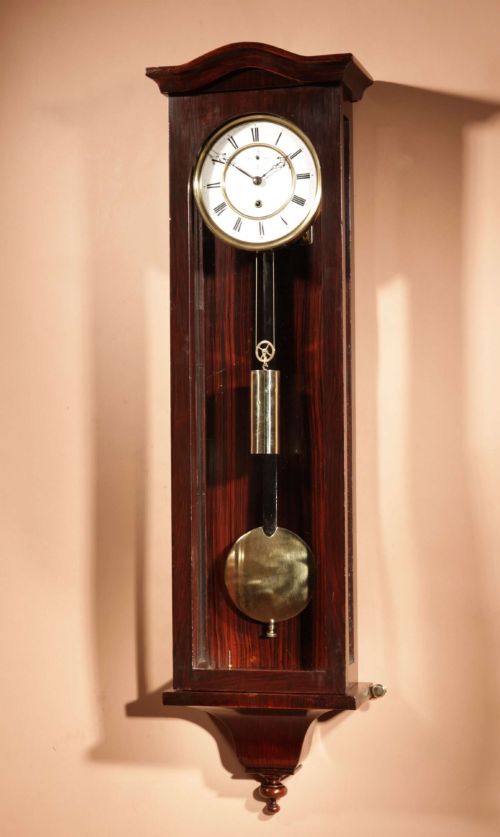
These objects span periods from the Georgian era through the Victorian decades into the mid-twentieth century, utilising woods such as mahogany, walnut, oak, and rosewood. Regional British dial clocks rub shoulders with German cuckoo clocks and Austrian regulators.
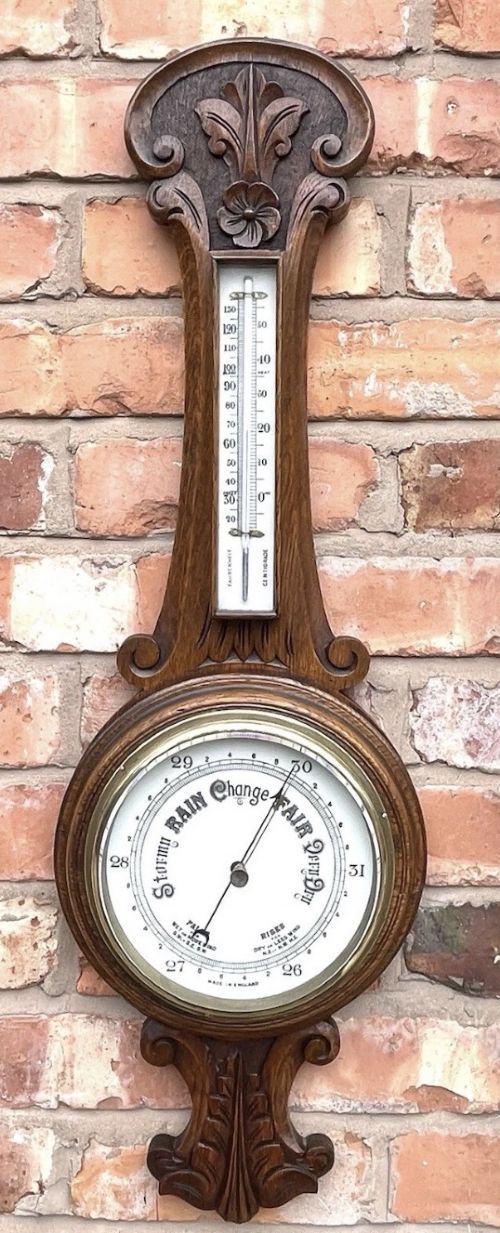
Beyond standard timepieces, the selection incorporates combined barometers, thermometers, and banjo wall barometers framed in matching timber. Buyers select these items for functional wall display and the warmth of polished wood.
How they were made
Casework relies on solid timber and rich veneers, notably mahogany, walnut, and oak, shaped through turning, joinery, and detailed carving. Black Forest pieces demonstrate specialised hand-carving in walnut and other local woods, often depicting foliage or animals.
Dial construction involves painted wood, convex metal, or enamel, protected by brass bezels and glass covers. Movements range from fusee and spring-driven mechanisms to weight-driven regulator and cuckoo systems.
Vintage Wood Wall Clock Retail Price Guide 2026
Typical asking prices for vintage wood wall clock among the pieces listed under this phrase on Sellingantiques today, from the lower quarter to the upper quarter. They describe what is for sale here now, not the wider market.
Listings incorporate timber cases from mahogany and walnut alongside specialised Black Forest carved designs spanning the Victorian era to the 1950s.
What varies in quality
The refinement of the timber casing and the depth of its carving distinguish different grades of wall clock. Plain school dials use straightforward secondary woods, while high-tier examples employ burr walnut, rosewood inlay, or substantial carved mahogany.
Mechanical sophistication also marks the division, separating standard timepieces from twin fusee movements, bell-striking mechanisms, and complex musical automata. Originality of the dial, hands, and casework further separates standard production from superior pieces.
J W Benson·George Clarke·Smiths England·Henry Harris·Thomas Connold
The Vintage Wood Wall Clock Glossary
- Dial clock
- A wall clock featuring a prominent circular face, frequently utilised in public buildings, schools, and railway stations. These timber-cased pieces provide clear visibility from a distance.
- Fusee
- A conical pulley used in clock movements to equalize the driving force of the mainspring as it winds down. This mechanism contributes to more accurate timekeeping.
- Drop-dial
- A clock case design where the circular dial sits above an extended trunk that houses the pendulum. This format combines a compact face with space for a swinging pendulum.
- Regulator
- A precision pendulum clock designed for high accuracy. These instruments typically feature long pendulums and clear, easy-to-read dials.
- Banjo barometer
- A wall barometer housed in a curved timber case resembling a banjo. They often incorporate thermometers and hygrometers alongside the main dial.
Vintage Wood Wall Clock: Frequently Asked Questions
How do I wind a fusee wall clock?
Most fusee wall clocks require a specialised key inserted into the dial aperture to tension the spring. Care must be taken not to overwind the mechanism.
Consult the specific winding instructions for your movement type to ensure the brass components remain undamaged over years of use.
Where should I hang a heavy timber wall clock?
Heavy mahogany and walnut clocks need secure fixing directly into wall studs or solid masonry using appropriate fixings. Hanging them from picture rails risks instability.
Ensure the wall is flat so the case rests evenly, which helps the pendulum swing without catching on the interior.
How do I tell a Victorian dial clock from a later piece?
Victorian dial clocks often feature fusee movements, solid mahogany or rosewood cases, and hand-painted wooden or iron dials. Later 20th-century versions frequently utilise simpler spring movements and oak or commercially veneered timber.
Examining the construction of the rear box and the fixing screws helps determine the manufacturing period.
Do Black Forest cuckoo clocks require special care?
Black Forest cuckoo clocks operate on weight-driven or spring movements that benefit from stable indoor temperatures away from direct sunlight. Regular checking of the wooden pipes and bellows keeps the mechanical call functioning.
Allowing the weight drops to descend fully before resetting prevents undue strain on the internal chains.