


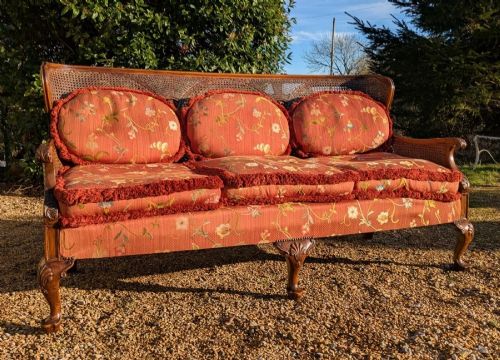
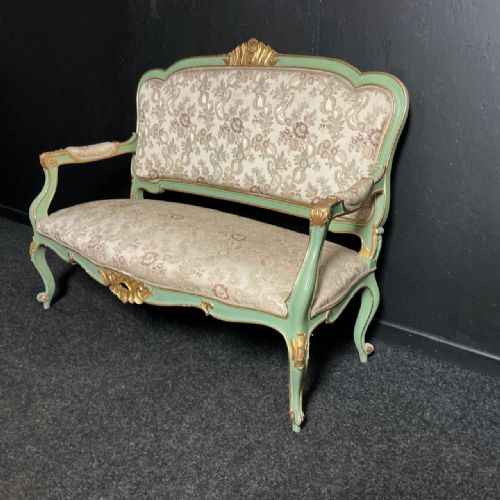

Vintage Wood Settee
A vintage wood settee brings warmth and character to a room, offering sturdy timber frames paired with comfortable upholstery.
Vintage Wood Settee
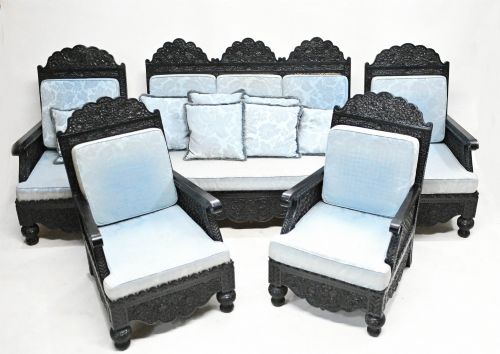
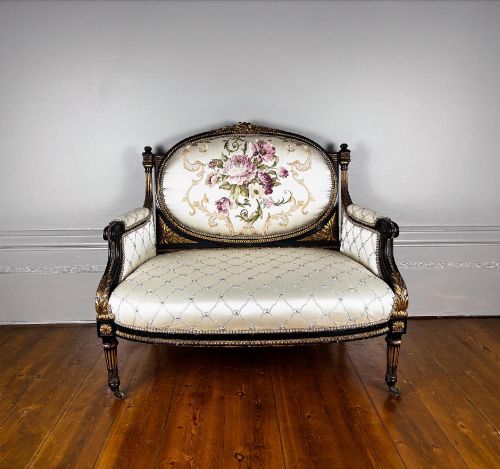
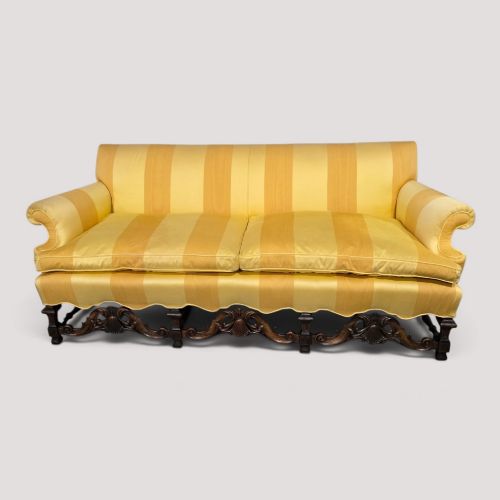
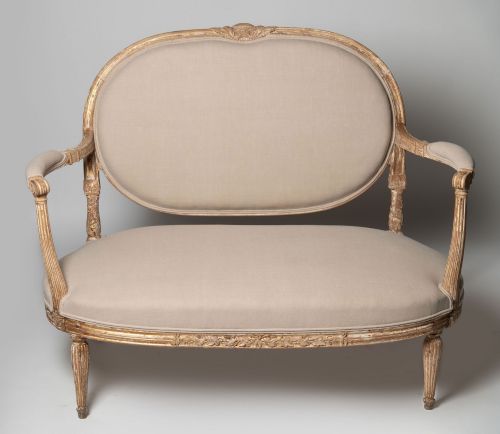
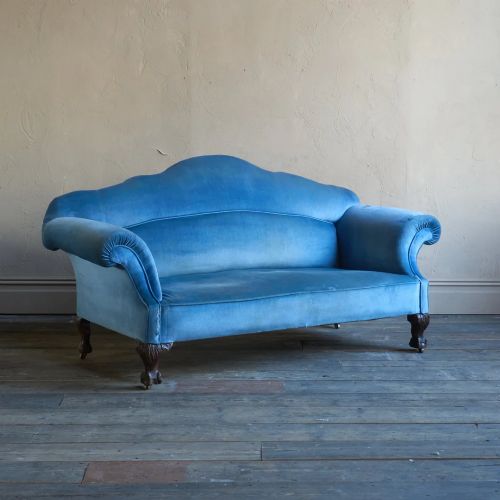
When you search for a vintage wood settee, you encounter a wide variety of seating options spanning the nineteenth and twentieth centuries. These pieces encompass everything from formal French painted day beds to robust oak framed sofas and carved walnut open arm designs.
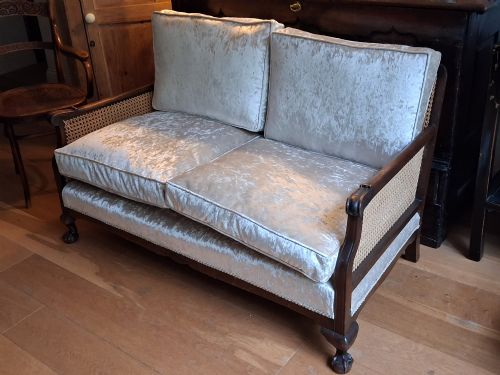
The selection ranges across distinct stylistic influences, including Edwardian mahogany pieces, Anglo-Indian hardwood couches, and Art Deco palisander scroll shapes. Many examples feature exposed timber frames combined with cane work, leather, or upholstered cushions.
Origins vary considerably, with French provincial pieces, British styles, and colonial furniture all represented in the current selection. Buyers often find these settees serving as focal points in reception rooms, conservatories, and hallways.
Materials and Construction Techniques
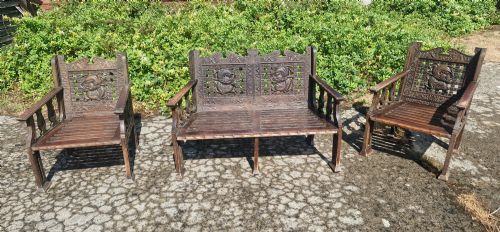
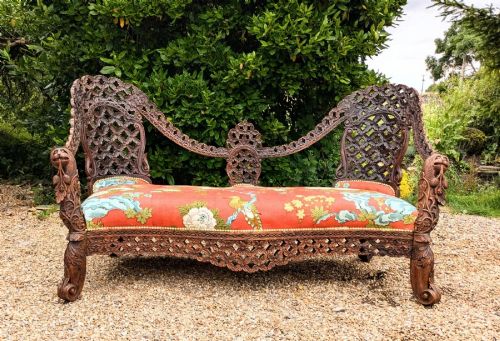
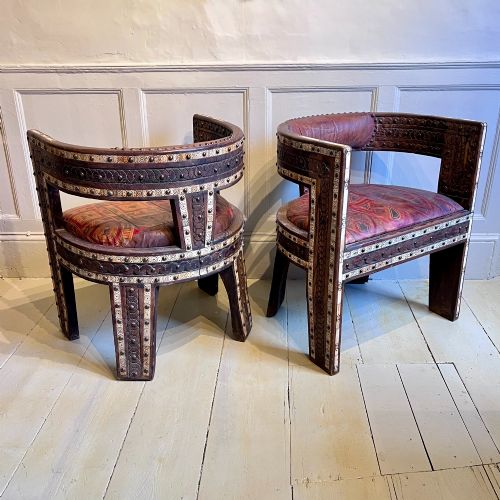
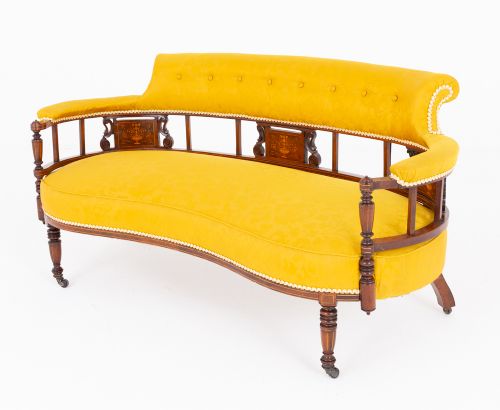
Makers utilised a diverse palette of timbers, including mahogany, walnut, rosewood, satinwood, and various regional hardwoods such as padauk and Burmese woods. Frames frequently display detailed hand carving, painted finishes, or delicate wood inlay work.
Cane panels appear regularly in seat backs and sides, particularly on French bergère models, woven tightly into the wooden framework. Upholstery methods combine traditional feather cushions, velvet trim, and leather covers secured to sturdy wooden chassis.
Vintage Wood Settee Retail Price Guide 2026
Typical asking prices for vintage wood settee among the pieces listed under this phrase on Sellingantiques today, from the lower quarter to the upper quarter. They describe what is for sale here now, not the wider market.
Listings feature timbers including mahogany, walnut, rosewood, satinwood, and padauk, alongside cane, leather, velvet, and brass.
Assessing Craftsmanship and Distinction
Quality in these settees is fundamentally defined by the crispness of the timber carving and the integrity of the joinery within the frame. Superior examples demonstrate thoughtful design proportions, whether in the sweep of a bentwood curve or the balance of an inlaid motif.
The integration of secondary materials such as cane work and brass accents also separates standard production from exceptional pieces. Original upholstery details and well-preserved timber patination contribute significantly to the overall distinction of a settee.
Thonet·Harry and Lou Epstein·Hampton and Sons·Liberties
The Vintage Wood Settee Glossary
- Bergère
- An enclosed upholstered armchair or sofa with wooden frames and woven cane sides. These pieces often incorporate loose seat cushions.
- Canapé
- A traditional French term for a decorative sofa or settee, frequently seen in Louis styles. They often feature exposed carved wood and painted surfaces.
- Banquette
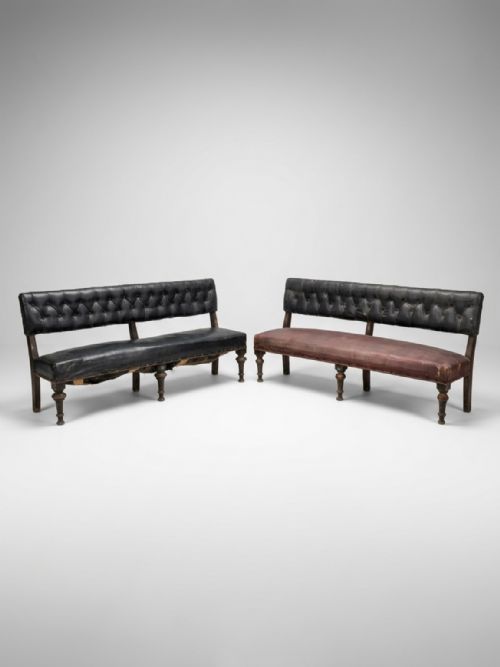
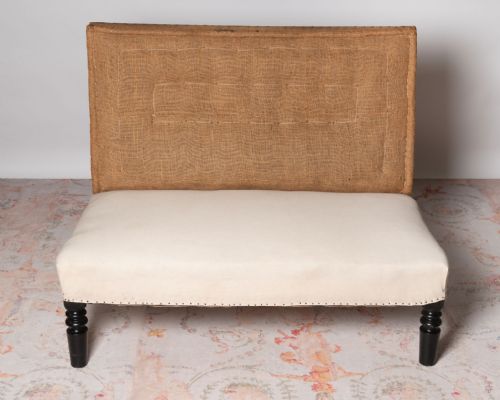
- A long upholstered bench or settee without a high back, sometimes detailed with velvet trim. They function well in hallways and intimate seating areas.
- Palisander
- A dense, dark timber resembling rosewood, utilised extensively in Art Deco cabinet making. Its rich grain adds visual depth to curved furniture frames.
- Caning
- A weaving technique utilising split rattan or cane to create breathable panels for seat backs and sides. Good examples remain taut and uniform.
Vintage Wood Settee: Frequently Asked Questions
How do I clean cane work?
Dust cane panels gently with a soft brush and wipe them occasionally with a damp cloth.
Avoid soaking the material to prevent the natural fibres from becoming brittle over time.
Are these settees comfortable for daily sitting?
Many models feature deep padding and supportive feather cushions designed for regular relaxation.
Selection depends on the specific era, as formal reception settees offer a firmer seat than country house styles.
Where should I place a wooden settee?
These pieces suit living rooms, large hallways, and conservatories where the wooden frame remains visible.
Position them away from direct heat sources to protect the timber and upholstery from fading.
What is the difference between a settee and a sofa?
The terms are often used interchangeably, though settee historically refers to a lighter, two-seater wooden bench with upholstery.
Sofas typically describe larger, fully upholstered seating designed for multiple occupants.