




Vintage Wood Photo Frame
A vintage wood photo frame brings warmth and authentic character to any interior, housing cherished memories in genuine period timber.
Vintage Wood Photo Frame
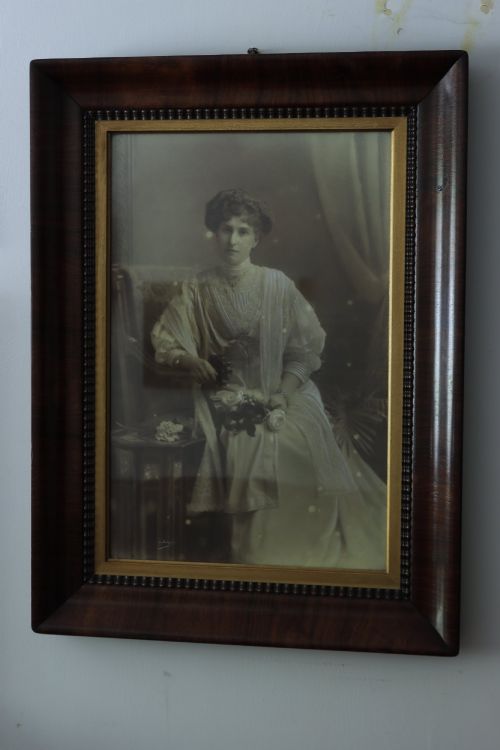
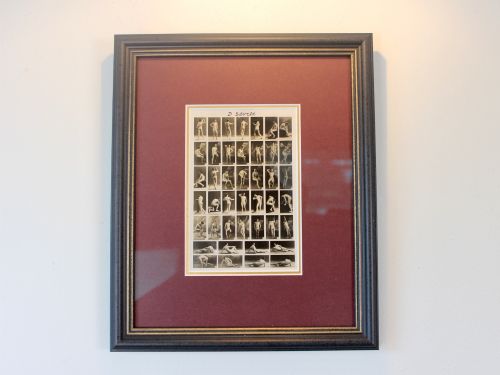
A vintage wood photo frame bridges the gap between historical craftsmanship and personal display, holding photographic prints, contact sheets, and portraits securely behind glass. The selection ranges from compact double photo frames to large Edwardian and Victorian pieces designed for walls or tabletops.
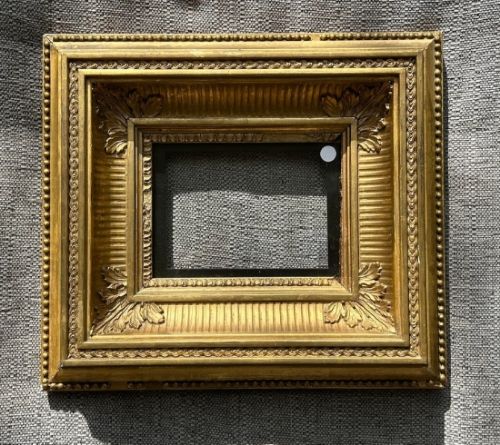
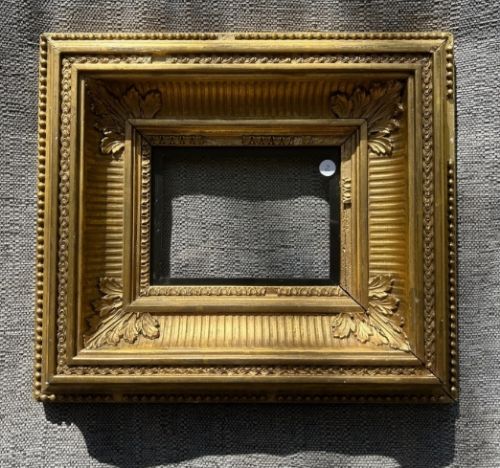
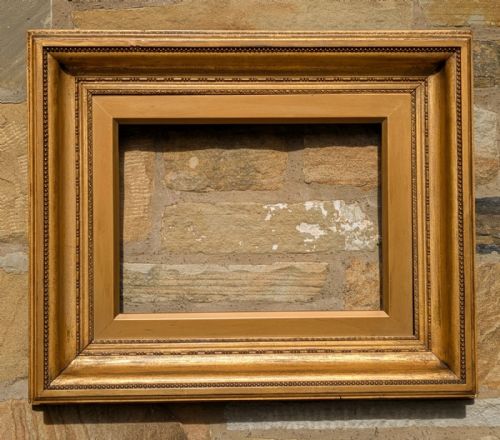
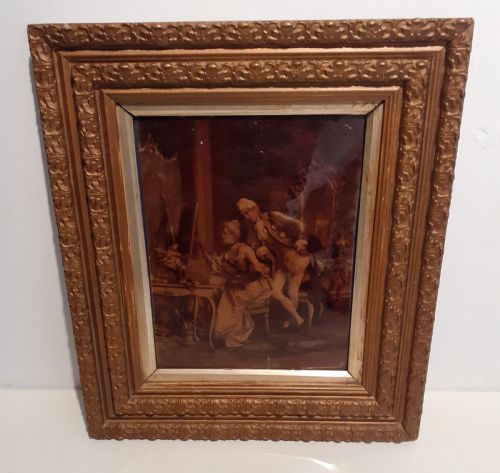
Makers utilised various timbers alongside decorative applications like gesso and gold leaf to create distinctive borders for photographs and artwork. Examples span multiple decades, incorporating periods such as the Victorian and Edwardian eras alongside 19th Century European traditions.
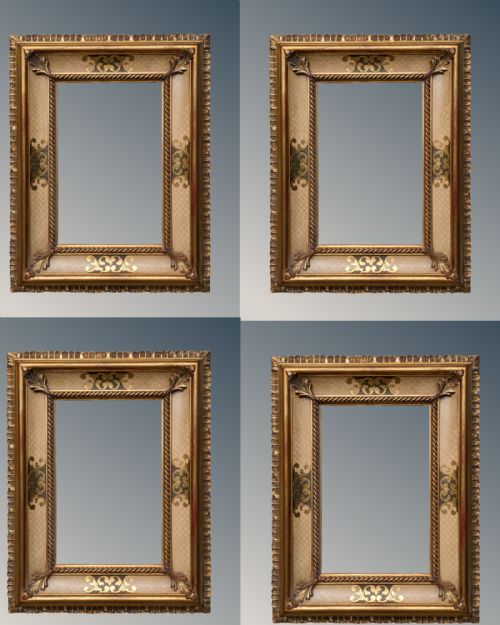
Buyers encounter distinct stylistic interpretations, from restrained Biedermeier bird's-eye maple to ornate Art Nouveau gilded gesso and tactile tramp art. Certain pieces retain original period photographs or prints, while others function as empty frames ready for new curation.
How they were made
Carpenters and artisans shaped timber bases using traditional woodworking techniques, often applying layers of gesso to build up intricate relief ornamentation. Gilding with gold leaf or silver gilt then added a luminous metallic finish to mouldings and fluted hollow profiles.
Folk art and regional traditions introduced alternative methods, such as the notch-carved layering characteristic of tramp art or the intricate surface carving seen on Kashmiri walnut pieces. Glass panels were then fitted alongside paper backings to protect the enclosed photographs and artworks.
Vintage Wood Photo Frame Retail Price Guide 2026
Typical asking prices for vintage wood photo frame among the pieces listed under this phrase on Sellingantiques today, from the lower quarter to the upper quarter. They describe what is for sale here now, not the wider market.
Listings feature woods such as walnut, oak, and bird's-eye maple, alongside applied gesso, gold leaf, and glass.
What varies in quality
The refinement of the surface decoration and timber selection largely distinguishes finer frames from simpler domestic examples. Intricately moulded gesso work, deep fluted hollow profiles, and superior gilding indicate higher craftsmanship during production.
The integrity of the construction, the depth of the timber carving, and the preservation of original gilt or wood finishes determine the overall distinction of a piece. Retaining original glass, backings, or period photographic contents further enhances the historical completeness of the frame.
The Vintage Wood Photo Frame Glossary
- Gesso
- A plaster-like mixture applied to wood surfaces and moulded to create decorative relief details before gilding. It provides a smooth base for gold leaf and metallic finishes.
- Giltwood
- Wood that has been coated with gold leaf or a gold-coloured finish. This technique highlights carved mouldings and adds reflective warmth to the frame.
- Tramp art
- A decorative style of woodworking where small pieces of chip-carved timber are layered together in geometric patterns. Frames made in this manner display distinctive notched relief surfaces.
- Autochrome
- An early colour photography process invented by the Lumière brothers, producing images on glass plates with a distinctive pointillist texture. These fragile plates often appear within early display frames.
- Biedermeier
- A Central European style dating from the early 19th century that favoured clean lines and blonde timbers like bird's-eye maple. It prioritised domestic comfort and utilitarian elegance over heavy ornamentation.
Vintage Wood Photo Frame: Frequently Asked Questions
How do I date a wooden frame?
Dating relies on observing the timber species, construction joints, and decorative media such as gesso or giltwood. Stylistic indicators like Art Nouveau whiplash curves or Victorian proportions also help establish the era of manufacture.
Examining the backboards, fixings, and any retained historical photographs or paper labels provides further clues to narrow down the decade of origin.
Can I change the photograph inside?
Most frames allow for the insertion of new images, provided the depth and internal dimensions accommodate modern prints and protective glass. Care must be taken with antique backing materials and fragile original fixings.
If a frame retains its original historical photograph or autochrome, many collectors prefer to leave the contents undisturbed to preserve its period integrity.
How do I hang or display them safely?
Wall-hung pieces require secure fixings suited to the weight of the timber and gesso mouldings, ensuring the hanging wire or brackets are properly anchored. Tabletop versions need stable backing struts and level placement away from heavy foot traffic.
Keep wooden frames away from direct sunlight and excessive humidity fluctuations to prevent the timber from warping and the gesso from cracking.