


Vintage Wood Marquetry
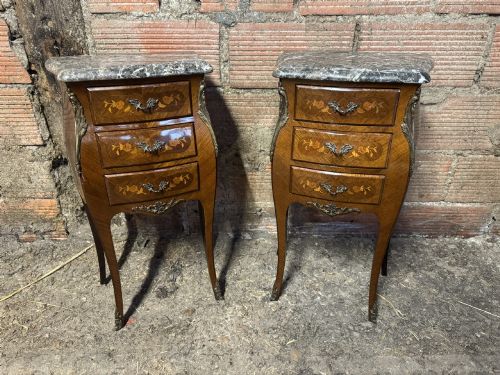
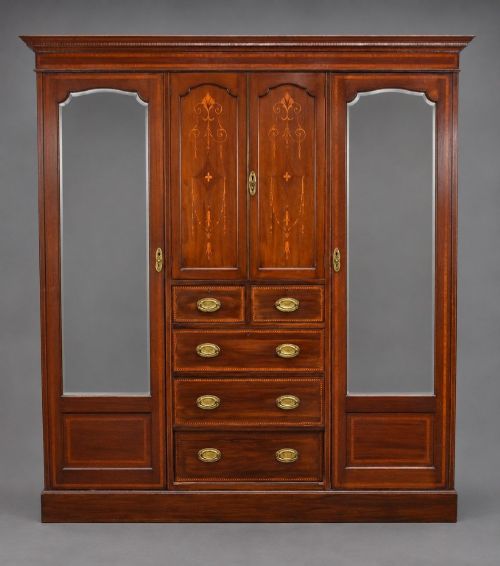
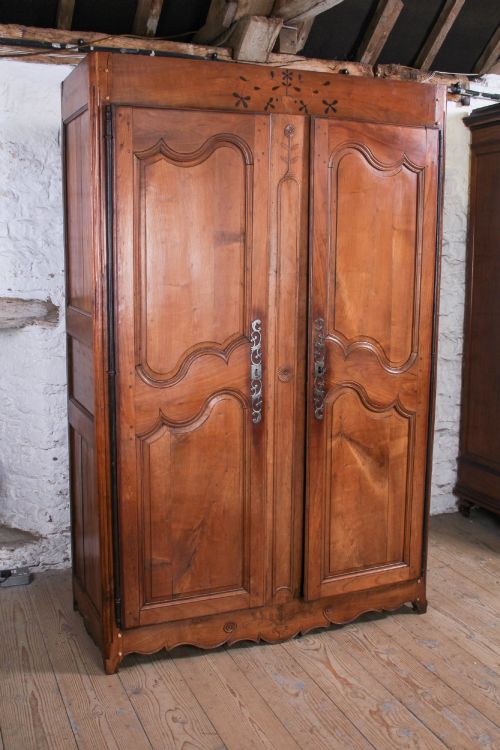
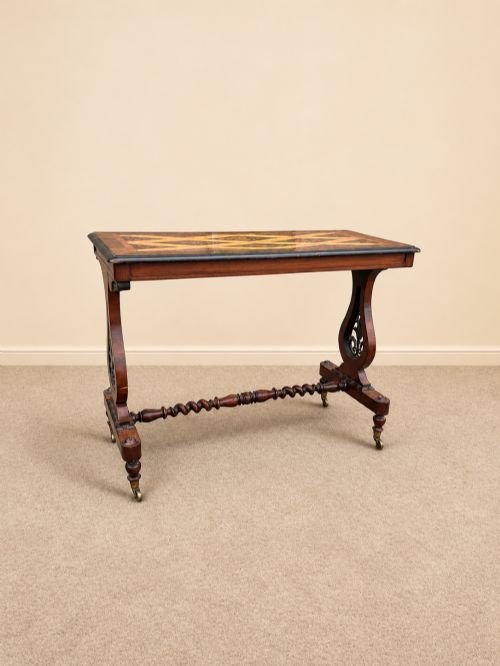
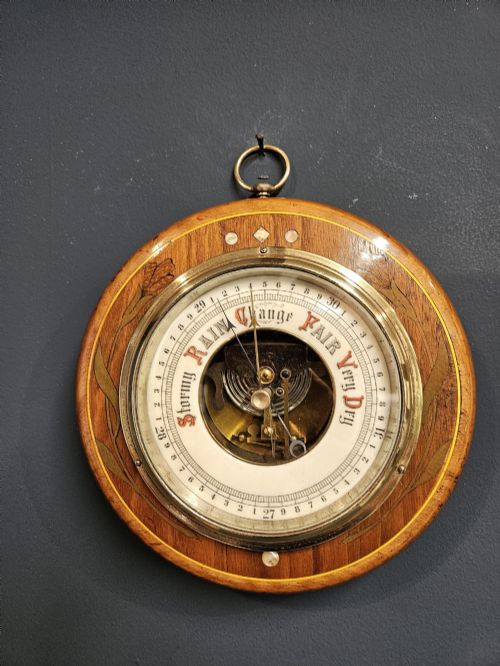
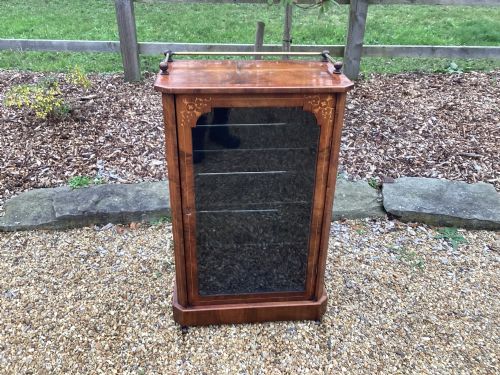
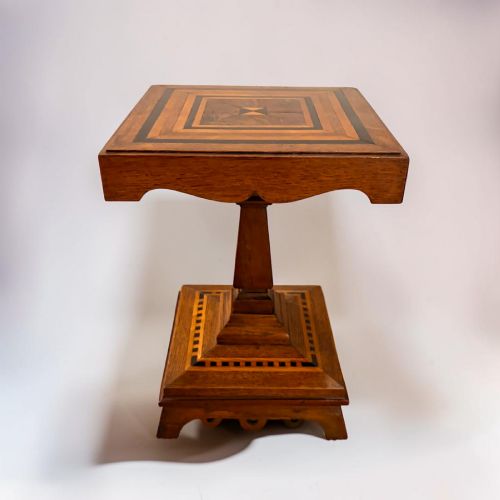
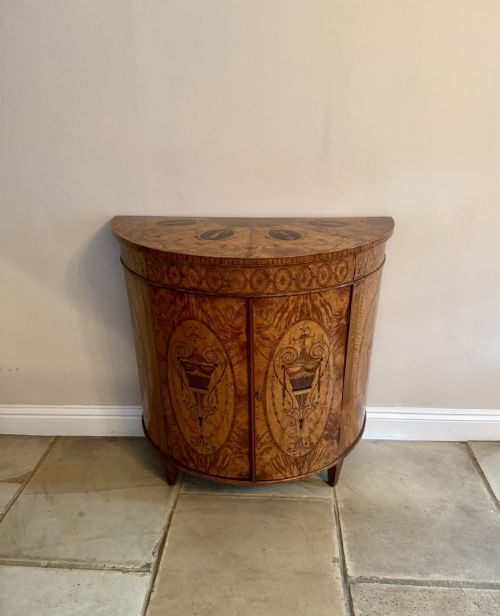
Vintage wood marquetry pieces bring textured pictorial patterns to tables, cabinets and small trays using contrasting veneers.
Vintage Wood Marquetry
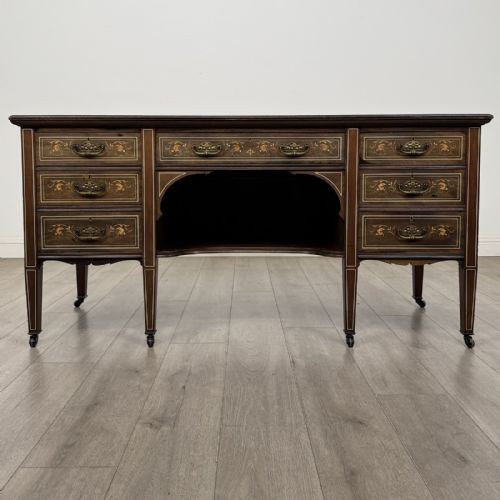
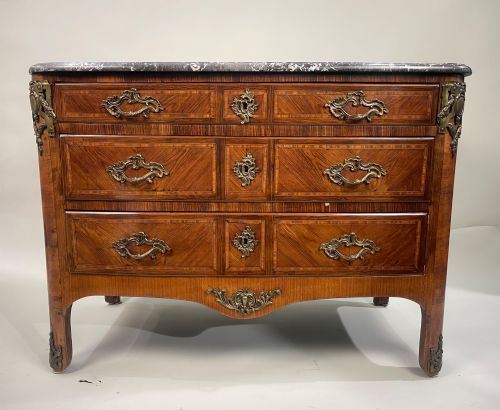
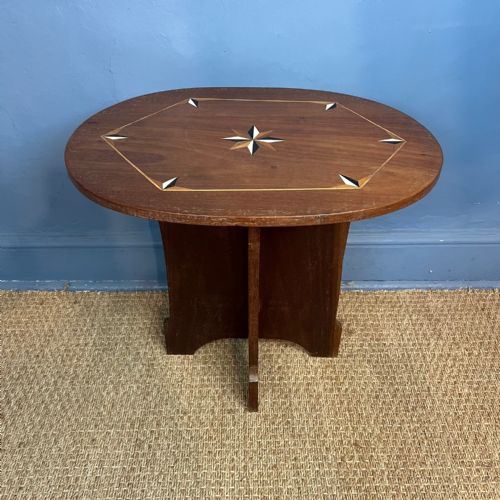
Vintage wood marquetry comprises items decorated with finely cut timber veneers assembled into pictorial or geometric designs. These pieces span centuries of cabinet making, from Georgian desks to Art Deco bedside tables.
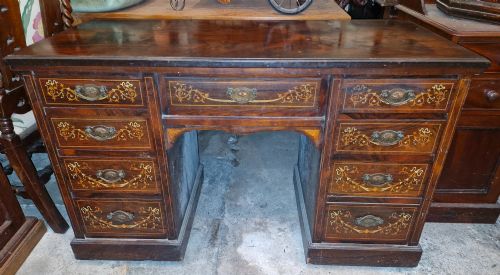
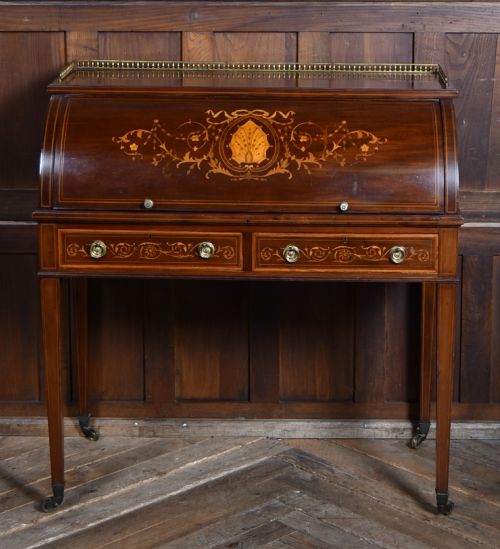
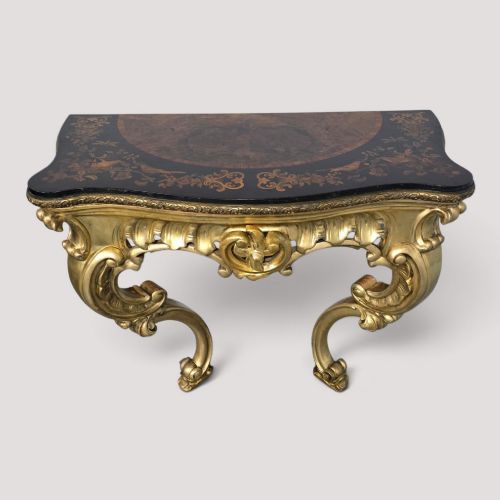
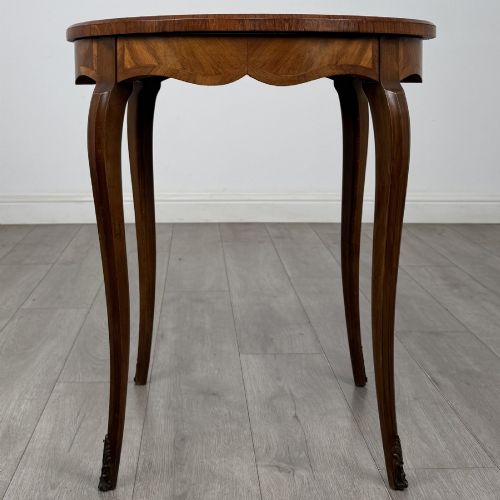
Buyers look for surfaces that display natural timber grains combined to form floral sprays, foliate motifs or architectural scenes. The examples met most frequently on this page belong to the Edwardian and Victorian periods, alongside French and Dutch continental furniture.
Forms range from occasional tables and corner cabinets to serving trays, cigar cases and cocktail cabinets. Each object places decorative veneer work on functional domestic items.
Materials and technique
Craftsmen built these pieces using a carcase of sturdy timber such as mahogany or walnut, onto which thin veneers of exotic and native woods were applied. Materials like satinwood, kingwood, rosewood, tulipwood and sycamore provided a natural palette of contrasting colours and tones.
The technique involved cutting thin sheets of wood placed together in a packet according to a paper template, allowing matching positive and negative motifs to be produced simultaneously. These individual veneer pieces were then fitted together by hand and glued onto the ground timber.
Details were frequently enhanced by scorching veneer edges in hot sand to create shaded contours, or by engraving fine lines directly into the wood before assembly.
Vintage Wood Marquetry Retail Price Guide 2026
Typical asking prices for vintage wood marquetry among the pieces listed under this phrase on Sellingantiques today, from the lower quarter to the upper quarter. They describe what is for sale here now, not the wider market.
Listings feature items spanning from the Georgian era through Victorian, Edwardian, and Art Deco periods, executed in mahogany, walnut, kingwood and satinwood.
Judging quality in marquetry
Quality rests upon the precision of the veneer cutting and the tightness of the joints between contrasting woods. Superior items exhibit seamless transitions where individual elements fit together without wide glue lines or filler.
The choice of timbers dictates the visual depth of the design, with master makers selecting veneers that use natural grain direction to simulate light and shadow. Poorer examples rely on superficial surface staining rather than inherently varied timber selection.
The complexity and harmony of the overall composition separate ordinary production from exceptional craftsmanship. Balanced proportions and sophisticated pictorial balance elevate a piece far above simple repetitive patterning.
The Vintage Wood Marquetry Glossary
- Marquetry
- The art of applying decorative pieces of veneer to a structural structure to form pictures or ornamental patterns. It differs from parquetry by depicting pictorial or organic designs rather than geometric grids.
- Satinwood
- A durable hardwood known for its golden-yellow sheen and lustrous grain. It frequently serves as a contrasting background timber in late Georgian and Edwardian marquetry.
- Kingwood
- A richly coloured, dense wood featuring dark violet and brown stripes. Makers in French workshops utilised it extensively for cabinets and writing desks.
- Tambour
- A flexible sliding shutter formed from narrow strips of wood glued to a fabric backing. It allows enclosed storage spaces to curve around corners on cupboards and desks.
Vintage Wood Marquetry: Frequently Asked Questions
How do I clean marquetry furniture?
Dust surfaces regularly with a soft, dry cloth to prevent grit accumulation in the veneer joints.
Avoid excessive moisture and modern chemical polishes, applying a traditional beeswax conditioner sparingly when the timber appears dry.
Are these pieces suitable for daily use?
Most items function well for standard domestic purposes such as holding lamps, books or drinks.
Protect delicate veneer surfaces from direct sunlight, extreme heat sources and standing liquids by using coasters and mats.
How can I tell the period of a piece?
Examine the underlying furniture construction, timber choices and secondary woods used inside drawers or cabinet backs.
Stylistic cues such as Edwardian satinwood framing or Victorian walnut carcases help align the item with specific manufacturing eras.