
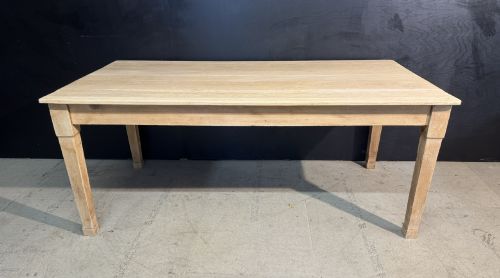
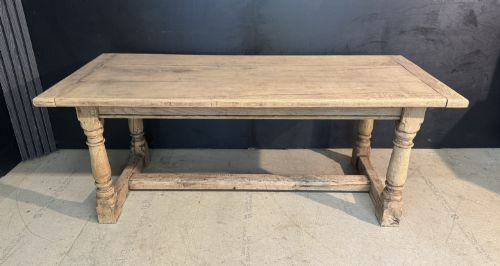
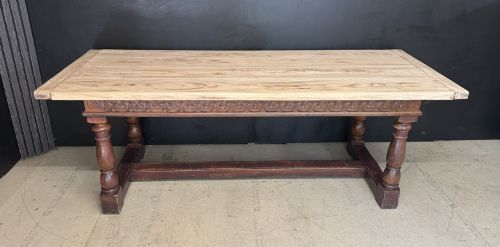
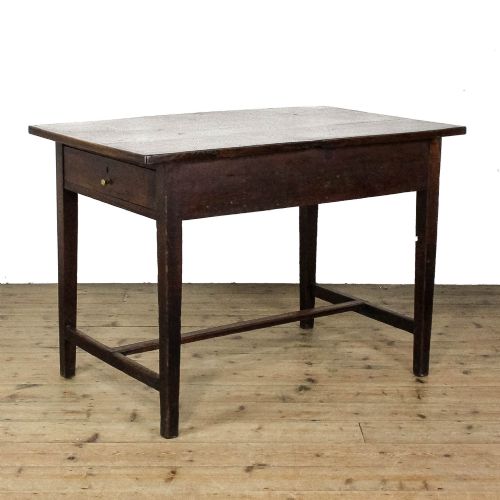
Vintage Wood Kitchen Table
A vintage wood kitchen table brings solid timber and enduring utility into the heart of the home.
Vintage Wood Kitchen Table
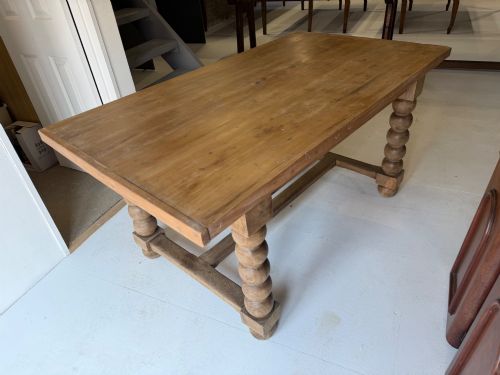
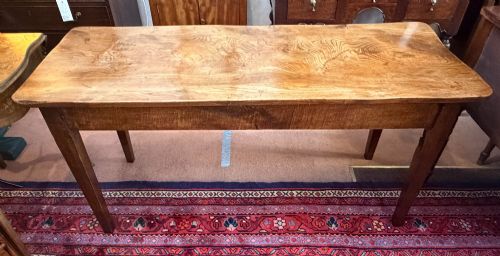
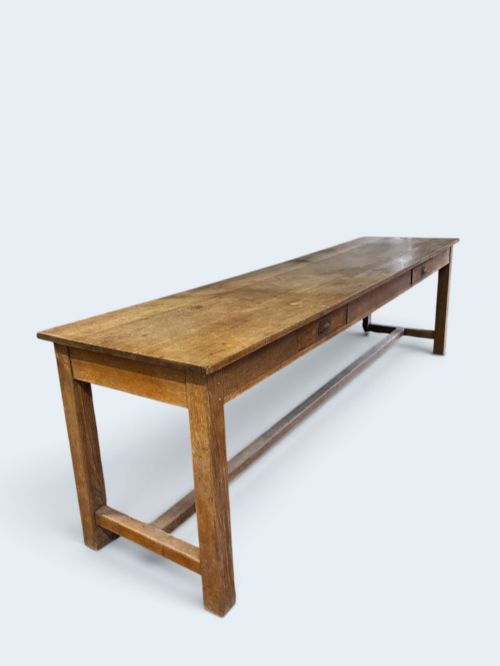
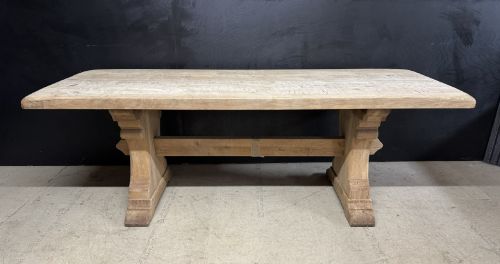
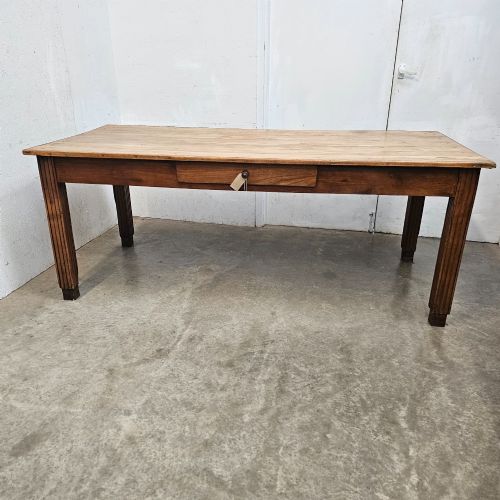
A vintage wood kitchen table serves as the central work surface and gathering place in domestic spaces, drawing on a history of practical utility. Buyers seeking a vintage wood kitchen table encounter forms ranging from simple planked boards to grand refectory and draw-leaf designs.
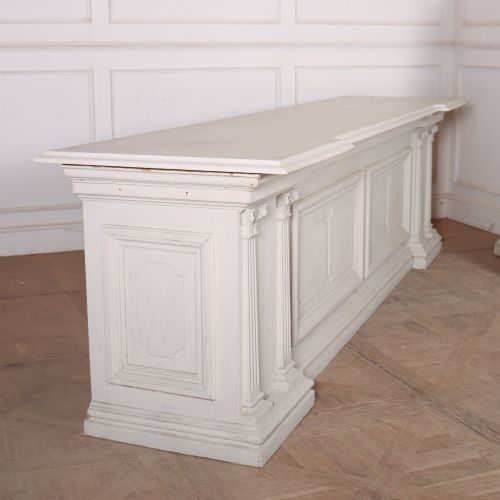
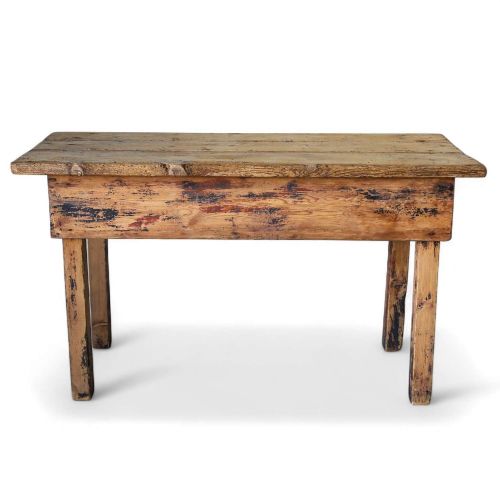
The pieces on this page span the eighteenth, nineteenth, and early twentieth centuries, reflecting diverse regional traditions across Britain, France, Sweden, and Italy. Common variants include farmhouse tables, scrubbed pine work tables, butchers blocks, and painted counters.
Makers and artisans built these tables for daily labour, resulting in robust construction using indigenous timbers suited to domestic work. Surviving examples display the honest wear of decades spent in kitchens, pantries, and workshops.
Construction and materials
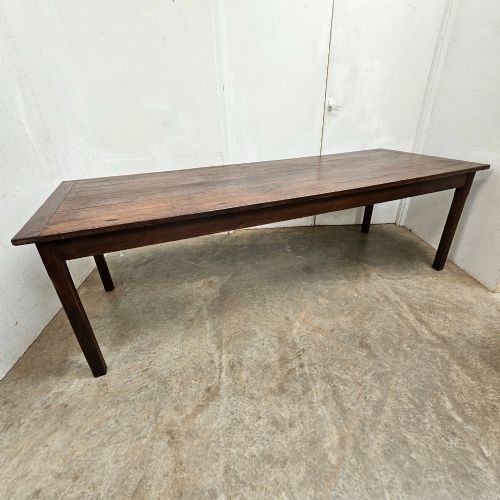
Makers constructed these tables predominantly from solid native hardwoods and softwoods such as oak, pine, elm, beech, and cherry. Timber selection depended on local availability and the intended function of the piece, whether heavy food preparation or family dining.
Listings feature eighteenth and nineteenth-century pieces alongside early twentieth-century examples in oak, pine, elm, and cherry.
Assessing quality
Quality rests in the integrity of the timber, the honesty of the surface patina, and the structural soundness of the frame. Tables retaining their original boards, unblemished by unsympathetic modern alterations, hold greater character.
The sophistication of the joinery and the balance of proportions distinguish standard utility furniture from finer country house or provincial examples. Original painted surfaces or naturally weathered timber patinas indicate superior historical survival.
The Vintage Wood Kitchen Table Glossary
- Potboard
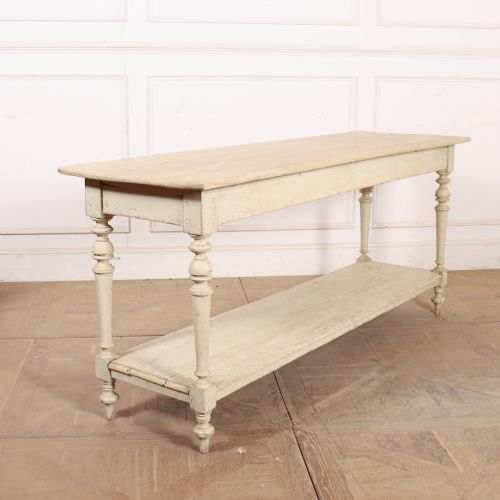
- A lower shelf fitted beneath a table top, traditionally used for storing pots and pans. This feature adds substantial stability to the underframe.
- Bread slide
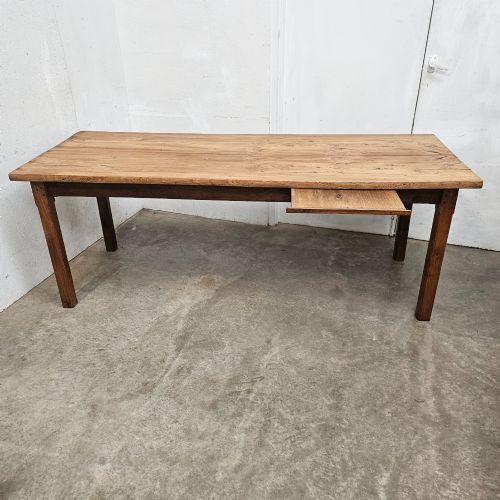
- A pull-out wooden board integrated beneath the main table top, historically used for slicing bread or cooling baked goods. It slides smoothly on runners.
- Refectory table
- A long, narrow dining table characterised by thick legs connected by a low stretcher rail. Originally designed for monastic dining halls, these tables offer exceptional rigidity.
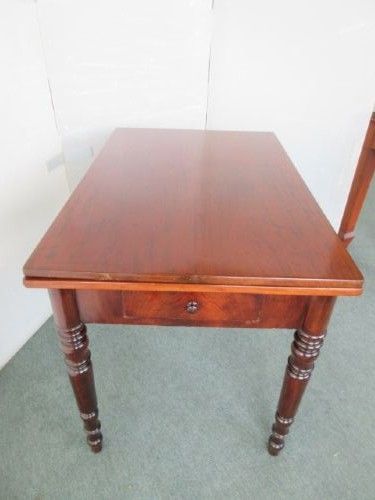
- Draw-leaf table
- An extendable table featuring two hidden leaves beneath the main top that pull out to lengthen the surface. This mechanism provides flexible dining space without loose panels.
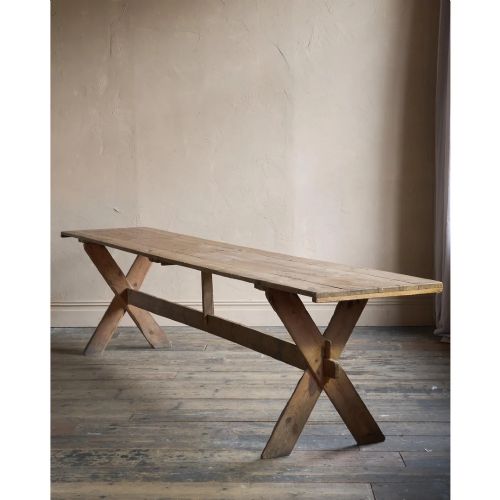
- Trestle table
- A table supported by two or more upright frames connected by a horizontal beam. This construction allows maximum legroom along the length of the table.
Vintage Wood Kitchen Table: Frequently Asked Questions
How do I clean a vintage wood kitchen table?
Wipe surfaces using a damp cloth with mild soap, avoiding harsh chemical cleaners that strip historical finishes. Apply natural beeswax periodically to nourish dry timber and maintain a protective barrier against moisture.
Allow spills to dry naturally and lift liquids immediately to prevent staining on scrubbed pine or untreated oak surfaces. Gentle care preserves the authentic patina accumulated over generations.
Can I use an antique table for daily cooking?
Many of these tables were built specifically as workbenches, prep tables, or butchers blocks and handle daily domestic tasks with ease. Oak and elm surfaces withstand regular use when treated with appropriate food-safe oils.
Consider placing cutting boards on softer pine or painted tops to protect historic timber from heavy chopping marks. Regular maintenance keeps working tables functional for modern culinary life.
What is a bleached oak finish?
A bleached oak finish results from a process that lightens the natural dark tone of the timber while retaining the grain texture. This treatment creates a pale, weathered appearance popular in French and Scandinavian country interiors.
The resulting surface offers a neutral aesthetic that fits contemporary kitchen designs while preserving genuine nineteenth-century construction. It showcases the natural growth rings without heavy varnish.
How do I date a wooden kitchen table?
Examine the timber saw marks, tool impressions, and joinery techniques used beneath the top and inside the frame. Hand-swn planks and pegged joints typically indicate nineteenth-century or earlier craftsmanship.
Hardware such as forged iron brackets, turned legs, and drawer construction styles provide further clues to the period of origin. Comparing the proportions to regional vernacular styles confirms the approximate era.