

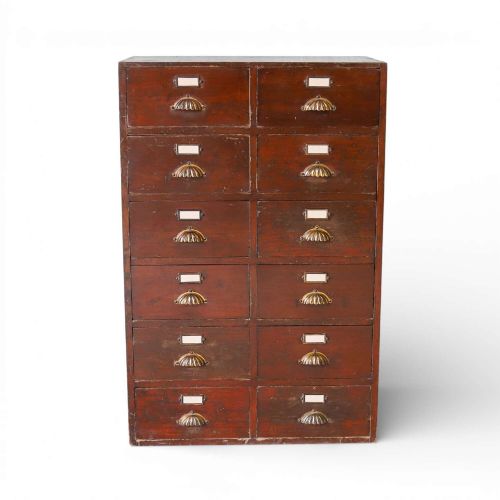
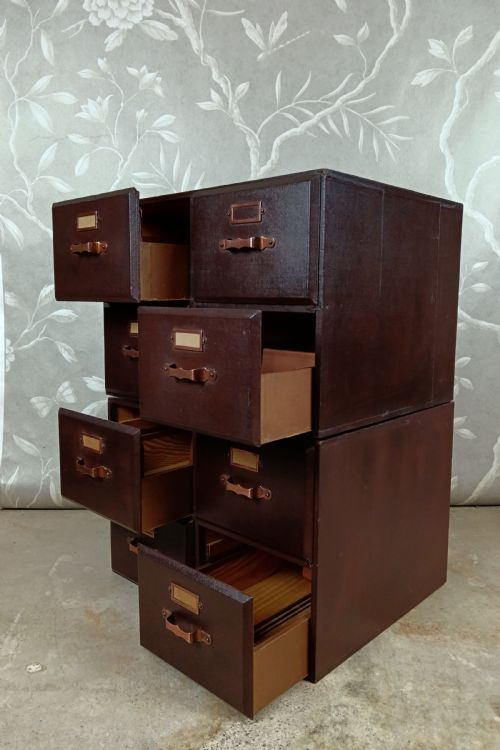


Vintage Wood Filing Drawers
These vintage wood filing drawers offer practical storage with period character, perfect for organising a study.
Vintage Wood Filing Drawers
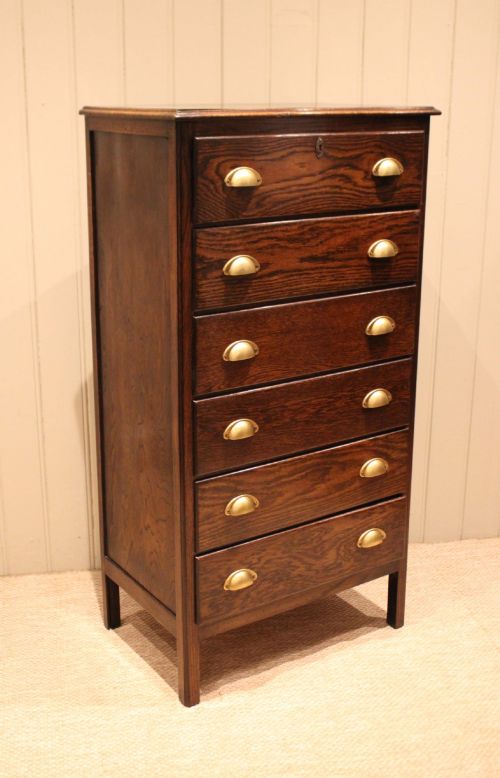
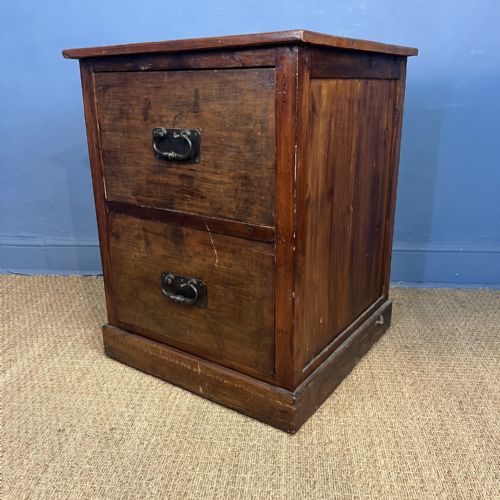
Vintage wood filing drawers encompass multiple forms used for organising papers, documents, and letters across different eras, functioning as banks of drawers, filing cabinets, and specialised music or card storage units. Buyers searching for vintage wood filing drawers will encounter pieces ranging from compact two-drawer office units to tall multi-drawer workshops banks and large chests.
The selection spans several centuries and styles, showing examples from the 18th century, Victorian period, Edwardian era, and the 1920s industrial landscape. Oak and mahogany dominate the current offerings, alongside walnut, rosewood, teak, and painted wood.
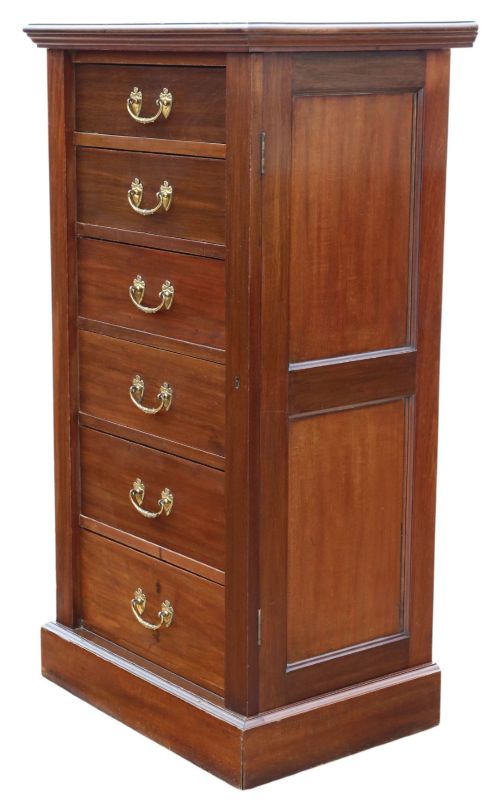
Forms include modular letter files, pedestal chests, and Wellington chests designed for functional use in studies, libraries, and offices. Regional variations such as Anglo-Indian teak pieces sit alongside British oak and walnut designs.
How they were made
Cabinet makers constructed these filing pieces predominantly using solid hardwoods like oak, mahogany, walnut, and teak, supplemented by occasional rosewood and painted surfaces. Construction relied on traditional joinery methods suited to heavy daily use in offices and libraries.
Hardware details such as brass pulls, shell handles, and label holders formed an integral part of the design on functional filing units and patent letter cabinets. Patent mechanisms and specialised internal dividers appeared in specific office filing systems from the turn of the century.
Vintage Wood Filing Drawers Retail Price Guide 2026
Typical asking prices for vintage wood filing drawers among the pieces listed under this phrase on Sellingantiques today, from the lower quarter to the upper quarter. They describe what is for sale here now, not the wider market.
Listings feature oak, mahogany, walnut, rosewood, teak, and iron across Victorian, Edwardian, and 1920s industrial periods.
What varies in quality
The caliber of these pieces depends upon the selection of timber, the integrity of the original hardware such as shell pulls and label holders, and the retention of patent filing mechanisms. Pieces retaining original brass fittings and maker labels command stronger interest than modified examples.
Construction robustness separates utilitarian workshop banks from refined library and music cabinets, with finer joints and superior drawer runners distinguishing the upper tier. The survival of original patination on oak, mahogany, and walnut surfaces dictates the visual presence of each piece.
The Vintage Wood Filing Drawers Glossary
- Bank of drawers
- A multiple-drawer unit designed for sorting large quantities of documents or workshop items. These multi-tier banks often feature numerous shallow drawers with label holders.
- Wellington chest
- A tall, narrow chest of drawers secured by a hinged locking stile on one vertical edge. This locking mechanism secures all drawers simultaneously with a single padlock.
- Patent letter file
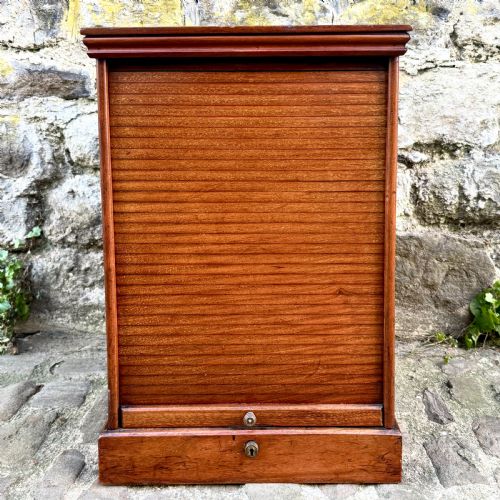
- An office filing system utilising specialised internal mechanisms for holding correspondence upright. Examples include Amberg's patent designs created to organise business letters.
- Music cabinet
- A specialised cabinet featuring shallow drawers or drop fronts designed to store sheet music. These often date from the Edwardian period and utilise walnut or mahogany.
- Shell pull
- A pressed or cast brass handle shaped like a semi-circular shell, frequently incorporating a slot for paper labels. They appear commonly on early filing drawers and bankers' chests.
Vintage Wood Filing Drawers: Frequently Asked Questions
What are vintage wood filing drawers?
These pieces are functional storage units created to hold documents, letters, and records in offices, libraries, and studies.
They range from compact table-top card indexes and music cabinets to large multi-drawer banks and Victorian pedestal chests.
How were filing drawers used originally?
Businesses, institutions, and professionals utilised them to sort correspondence, index library cards, and organise administrative paperwork.
Specialised patent cabinets held letters upright for quick retrieval before modern suspension filing systems took over.
How do I style these drawers at home?
They suit home studies, living rooms, and hallways as practical surfaces that double as distinctive storage.
Their substantial timber presence and brass hardware anchor contemporary rooms with tactile historical character.
How do I date an oak filing cabinet?
Dating relies on assessing the timber choice, construction techniques, hardware style, and any patent marks present on the piece.
Edwardian and 1920s industrial pieces display simpler, utilitarian construction compared to 19th-century or Georgian cabinetry.