


Vintage Wood Display Shelf
These vintage wood display shelf items are practical timber fixtures designed to organise and exhibit books and objects.
Vintage Wood Display Shelf
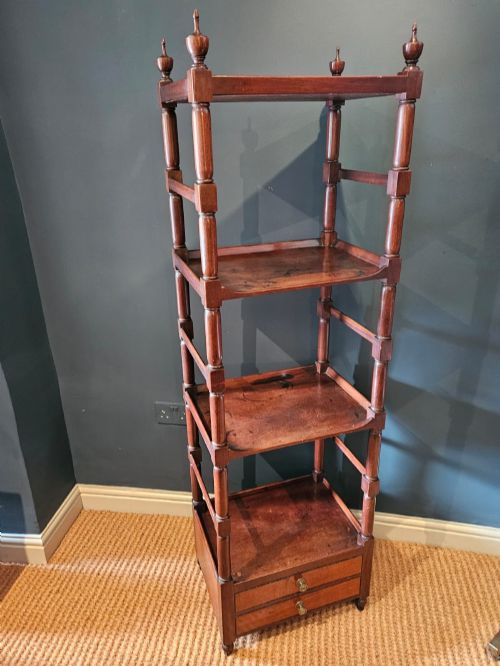
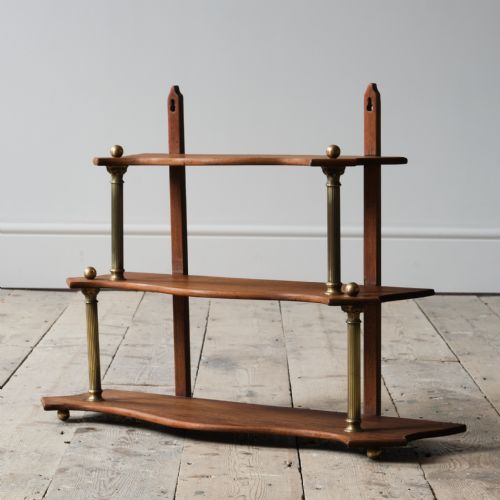
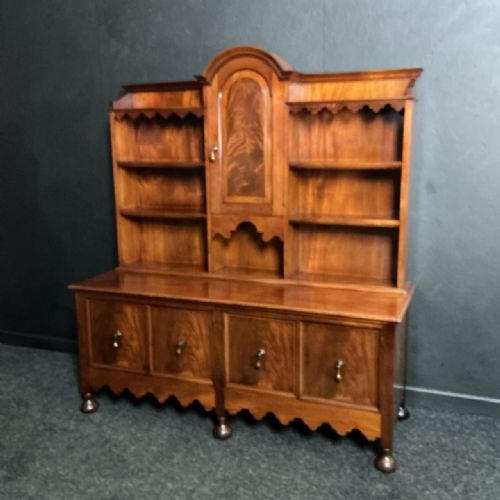
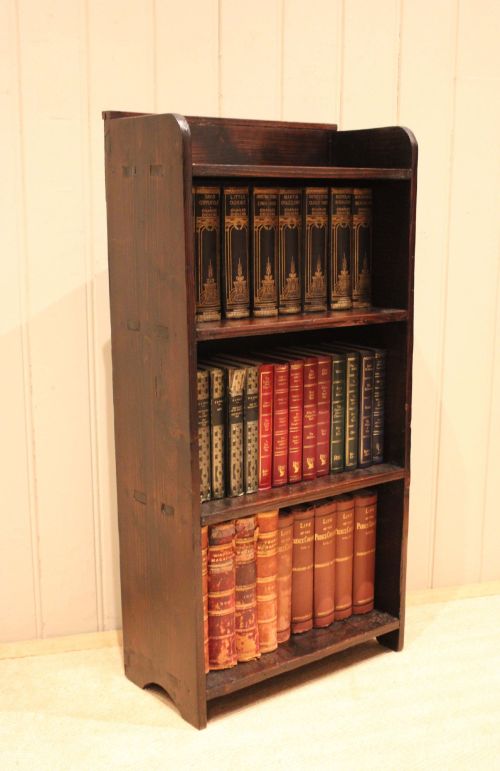
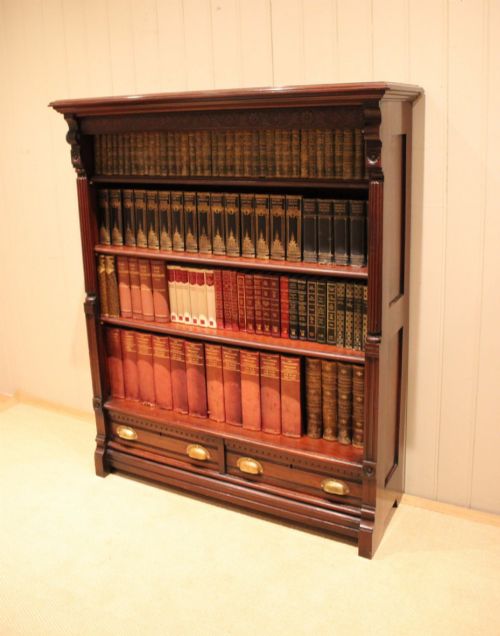
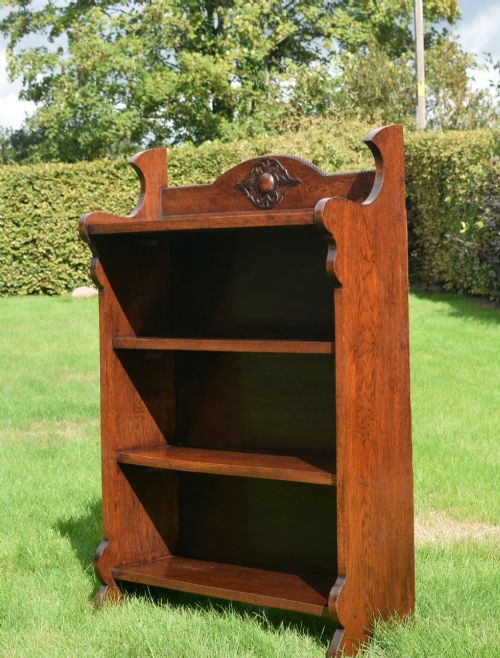
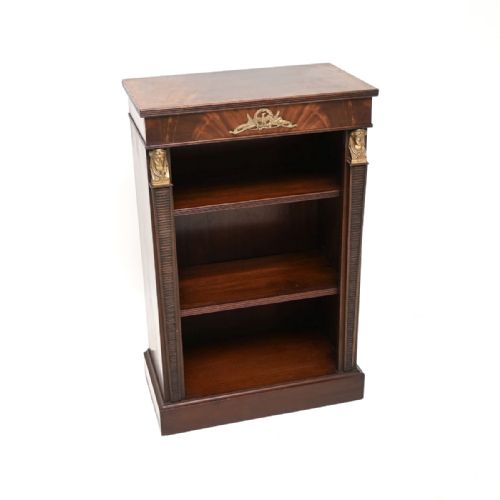
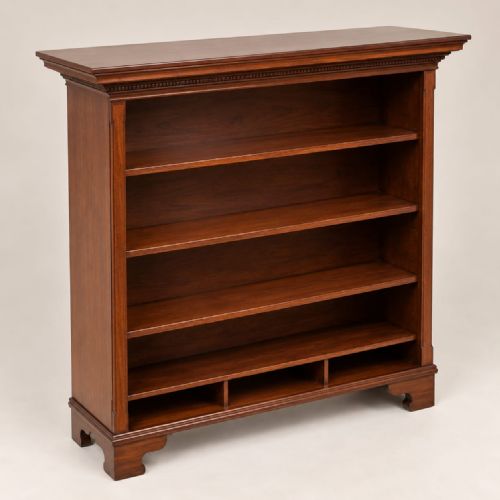
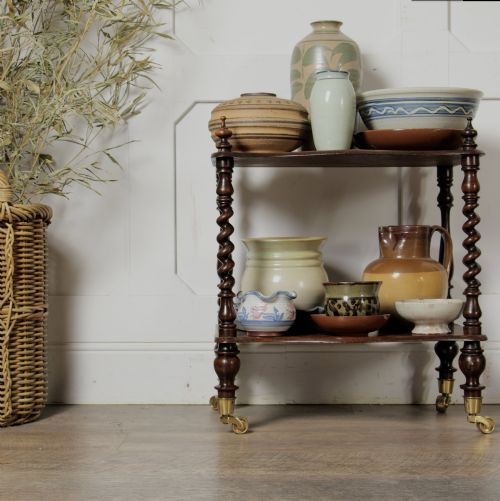
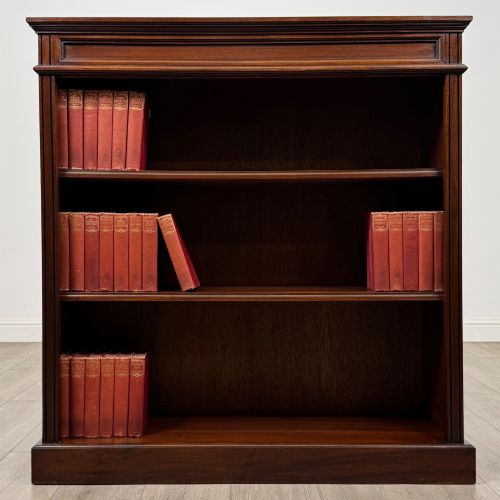
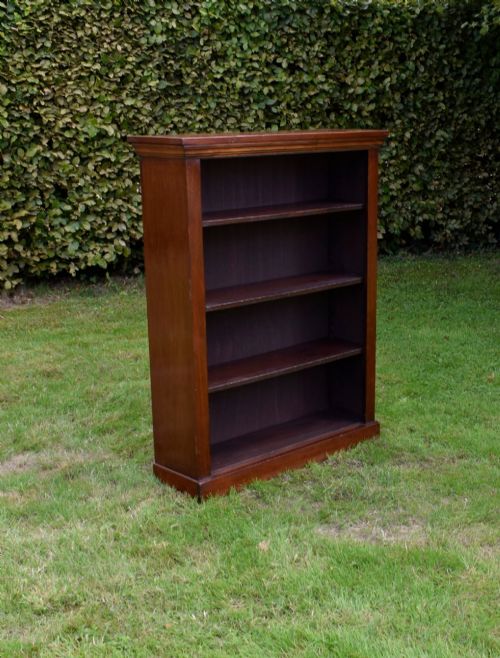
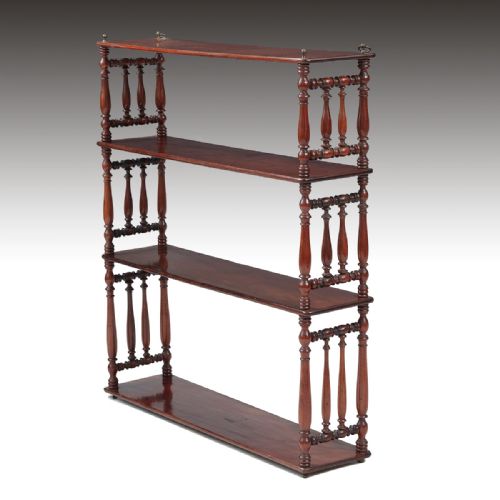
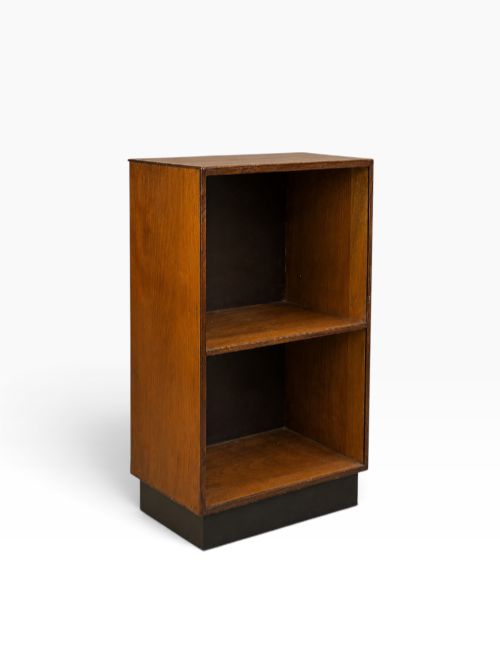
A vintage wood display shelf selection brings together open storage furniture from the nineteenth and twentieth centuries, spanning periods from Regency and Victorian eras through to Edwardian and Art Deco designs. Buyers searching for a vintage wood display shelf will encounter versatile formats including wall-hanging units, multi-tiered whatnots, corner cabinets, and open bookcases constructed for domestic display.
The pieces on this page lean heavily toward nineteenth-century Victorian and early twentieth-century Edwardian examples, alongside compact rustic items and 1930s designs. Makers and joiners of these periods utilised timber to create functional storage for parlours, libraries, and living spaces, ranging from simple pine and oak boards to formal mahogany display pieces.
Materials and construction
Makers constructed these storage pieces predominantly using hardwoods such as mahogany, walnut, and oak, alongside utilitarian pine and ash. Many examples incorporate brass fixtures, such as hanging brackets or shelf supports, while select items feature decorative paint finishes or boxwood inlay.
Joinery methods varied according to the period and style, from rustic country assembly to formal neoclassical and arts and crafts cabinetmaking. Structural elements like barley twist turnings, stepped tiers, and adjustable shelving frames demonstrate traditional woodworking techniques adapted for everyday interior display.
Cherub wall brackets from 1900 prove that even structural timber occasionally required a winged companion.
Factors of quality
The distinction between standard utility items and finer examples rests on timber selection and decorative detailing. Pieces featuring burr walnut veneers, well-figured mahogany, or careful neoclassical carving display a higher grade of craftsmanship than plain pine or utilitarian storage boxes.
Proportion and structural integrity also divide the range, where balanced tiered stands and substantial bookcases with functional adjustable shelving outclass simpler, heavier pieces. The integration of period hardware, such as brass fittings and original backboards, further elevates the standing of an individual display unit.
The Vintage Wood Display Shelf Glossary
- Whatnot
- An open set of multi-tiered shelves used for displaying ornaments and small objects. These freestanding or wall-mounted items gained popularity during the Victorian period.
- Barley twist
- A decorative turning technique resembling a twisted rope, commonly found on the vertical supports of stands and bookcases. This stylistic detail appears frequently on nineteenth-century Victorian furniture.
- Neoclassical
- A style drawing inspiration from classical antiquity, characterised by symmetry and restrained ornament. Pieces bearing this label often feature balanced proportions and formal architectural lines.
- Arts and Crafts
- A design movement prioritising traditional craftsmanship and the natural qualities of materials over industrial mass production. Furniture from this tradition typically showcases plain oak or walnut construction.
- Stepped open bookcase
- A shelving unit featuring receding tiers or levels that create a stepped silhouette. This configuration allows for the varied display of books and decorative objects.
Vintage Wood Display Shelf: Frequently Asked Questions
What is a whatnot shelf?
A whatnot is a multi-tiered open stand designed specifically for displaying small ornaments, books, and decorative objects. These pieces provide vertical storage without enclosing items behind doors.
They appear frequently in nineteenth-century styles, offering an accessible way to exhibit collections within domestic rooms.
How do I style a wall hanging shelf?
Wall hanging shelves suit smaller spaces where floor area is limited. They provide an elevated platform for display plates, small books, or decorative vessels.
Secure mounting to wall studs is essential to support the weight of timber and displayed objects safely.
How do I identify a Victorian bookcase?
Victorian bookcases often feature dense timbers such as mahogany or walnut, sometimes incorporating turned columns like barley twists. They frequently include functional details such as adjustable wooden shelving.
Proportions tend to be substantial, reflecting the domestic architecture of the nineteenth century.
Where should I place an open bookcase?
Open bookcases work well against living room or study walls where quick access to books is desired. Keeping them away from direct sunlight protects the timber surface from fading.
Their open construction allows the surrounding wall colour to complement the natural wood grain.