




Vintage Wood Closet
These vintage wood closet pieces span walnut, mahogany, and maple wardrobes and cabinets built across the eighteenth, nineteenth, and twentieth centuries.
Vintage Wood Closet
When you search for a vintage wood closet, you find substantial storage furniture including wardrobes, armoires, and combination pieces. These items serve as focal points in bedrooms and living spaces while providing large enclosed storage.
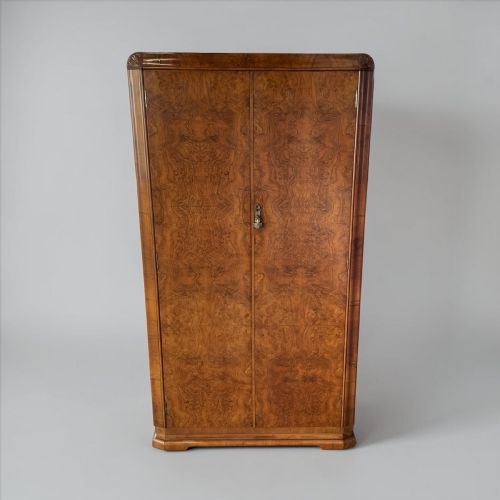
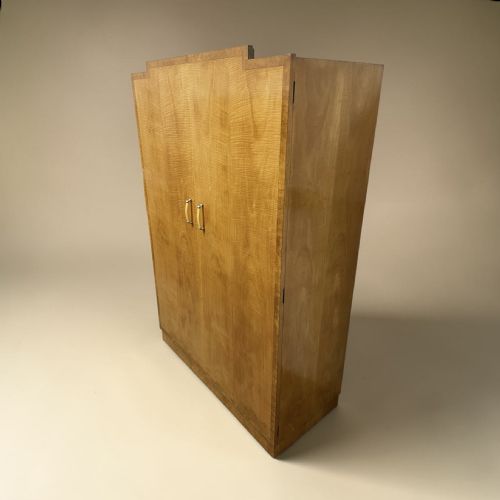
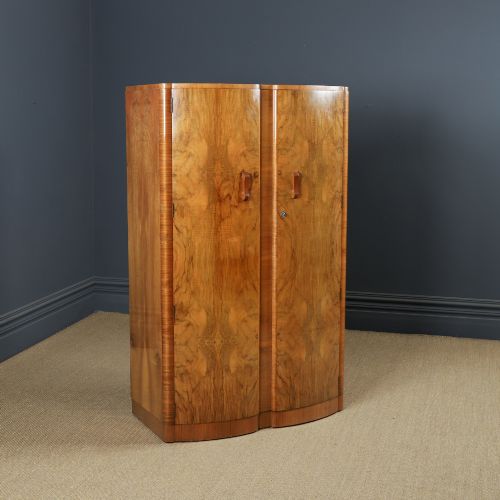
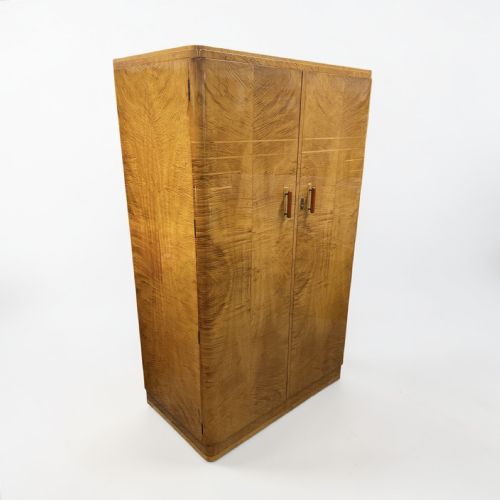
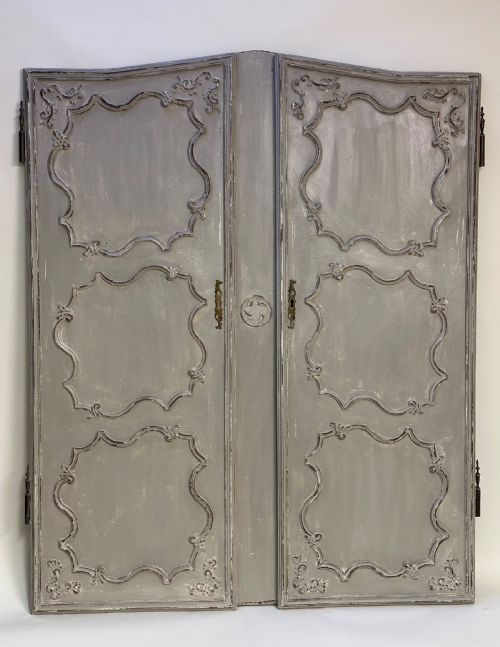
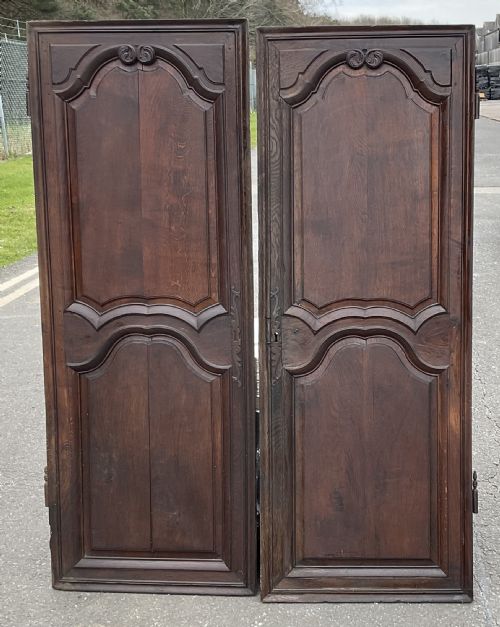
The selection on this page leans heavily towards twentieth-century Art Deco pieces alongside Edwardian, Georgian, and eighteenth-century examples. You will encounter forms ranging from double and triple wardrobes to display cabinets and architectural doors.
Materials span walnut, burr walnut, walnut veneer, mahogany, ash, and maple. Some pieces feature fitted interiors designed for specific storage needs while others maintain open hanging space.
How they were made
Cabinet makers utilised solid timbers alongside veneers, applying walnut and burr walnut across surfaces to create striking grain patterns. Mahogany and maple also feature prominently in the construction of these large storage pieces.
Construction techniques include hand carving, bow front shaping, and intricate marquetry work seen in Dutch pieces. Brass and iron hardware such as hinges and locks complete the structural assembly.
Vintage Wood Closet Retail Price Guide 2026
Typical asking prices for vintage wood closet among the pieces listed under this phrase on Sellingantiques today, from the lower quarter to the upper quarter. They describe what is for sale here now, not the wider market.
Even a wardrobe needs a little help sometimes, as proven by the maple interior fitted by Harry and Lou Epstein.
What varies in quality
Quality in these large storage pieces rests on the selection of timber veneers and the precision of the cabinet work. Matched grain patterns and careful marquetry separate superior examples from simpler utilitarian builds.
The integrity of fitted interiors and the weight of the timber used in doors and frames indicate the original workshop standard. Details like hand-carved elements and quality brass hardware elevate specific pieces above standard production.
Harry and Lou Epstein
The Vintage Wood Closet Glossary
- Wardrobe
- A large tall cupboard designed for hanging clothes. These pieces often include internal shelves and drawers alongside hanging space.
- Armoire
- A traditional large wardrobe or cupboard, frequently of French origin. They typically feature panelled doors and deep internal capacity.
- Marquetry
- The art and craft of applying pieces of veneer to a structure to form decorative patterns. Dutch examples showcase this technique prominently.
- Bow front
- A convex curved front surface on a cabinet or wardrobe. This design feature softens the rigid angles of large wooden furniture.
- Vitrine
- A glass-fronted display cabinet used for showing porcelain and ornaments. These pieces bring lighter visual weight compared to solid wooden wardrobes.
Vintage Wood Closet: Frequently Asked Questions
What is a vintage wood closet?
A vintage wood closet is a large freestanding storage piece designed primarily for hanging clothes and linens. These items encompass wardrobes, armoires, and combination units built from woods like mahogany and walnut.
Such furniture dates from the eighteenth century through to the Art Deco period of the nineteen-thirties. They provide substantial internal capacity while serving as major decorative elements in a room.
How do I date a wooden wardrobe?
Dating relies on identifying stylistic periods such as Georgian, Edwardian, or Art Deco from the overall silhouette and decorative details. Construction methods and timber choices also point to specific eras of manufacture.
For instance, nineteen-thirties pieces often display dramatic veneer patterns and curved bow fronts. Earlier eighteenth-century examples show different proportions and solid timber construction techniques.
Where should I place an armoire?
An armoire requires a wall with sufficient depth and width to accommodate its substantial physical presence without overwhelming the room. Bedrooms remain the traditional location for wardrobes and clothes storage.
Larger triple wardrobes and display cabinets also function well in spacious hallways or reception rooms. Ensure you measure ceiling height before positioning these tall pieces.
What woods were commonly used?
Cabinet makers utilised walnut, burr walnut, mahogany, and maple for the exterior surfaces of these large pieces. Secondary timbers often included ash and birch for internal components.
Veneers allowed makers to create decorative grain patterns across wide wardrobe doors. Solid timber was reserved for structural frames, mouldings, and carved elements.