

Vintage Wood Clock
When you search for vintage wood clock, you step into a world of ticking mahogany, oak and walnut built to mark the hours.
Vintage Wood Clock
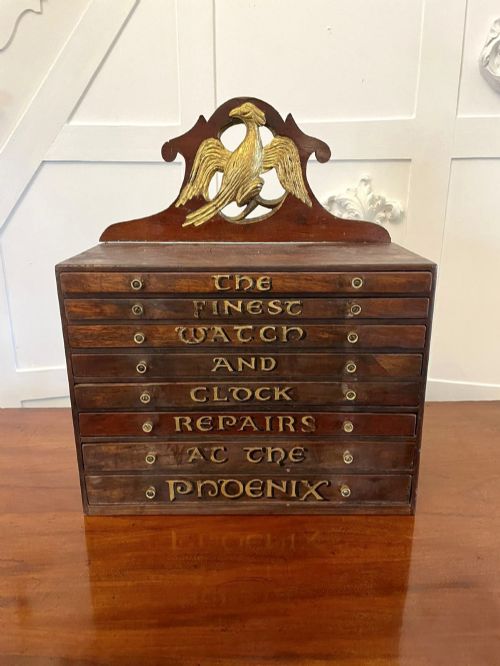
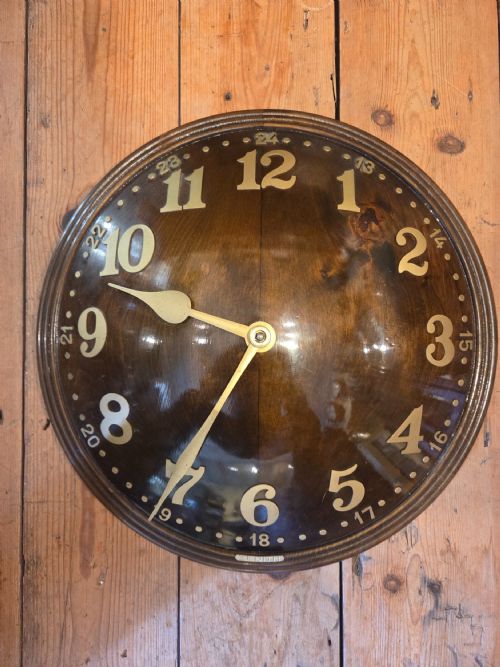
A vintage wood clock is a timepiece housed in a wooden case, spanning periods from Georgian and Victorian eras through to Edwardian and Art Deco decades.
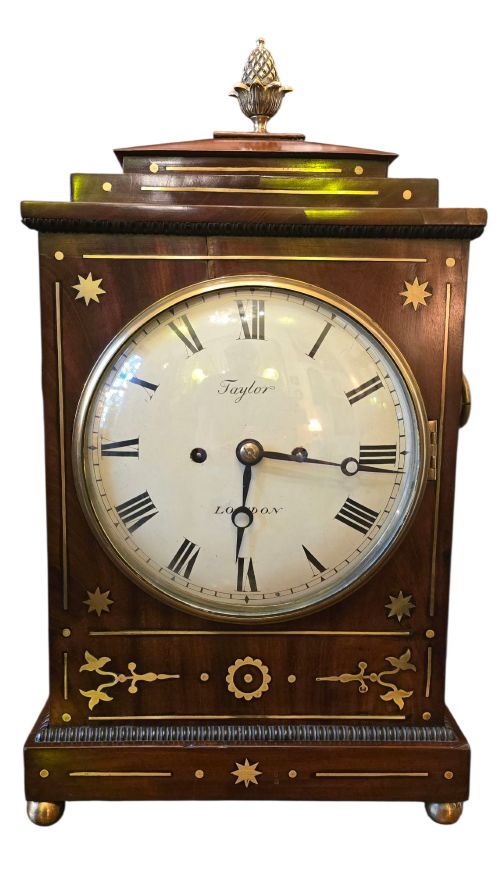
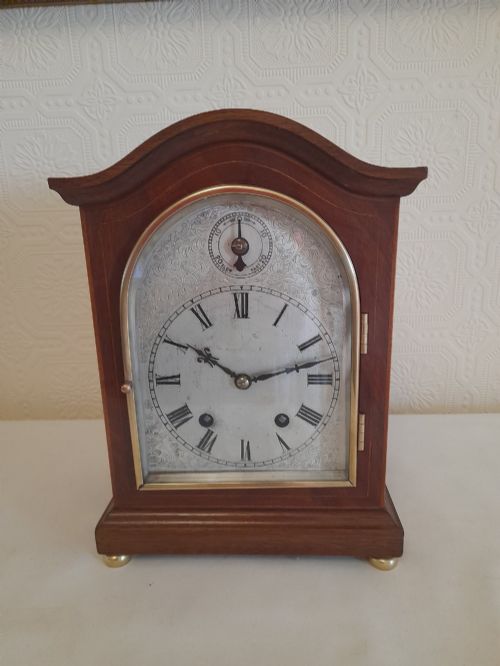
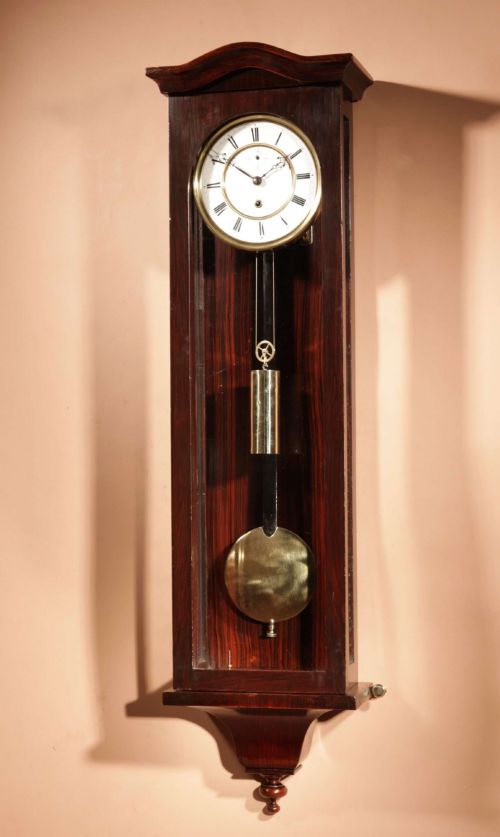
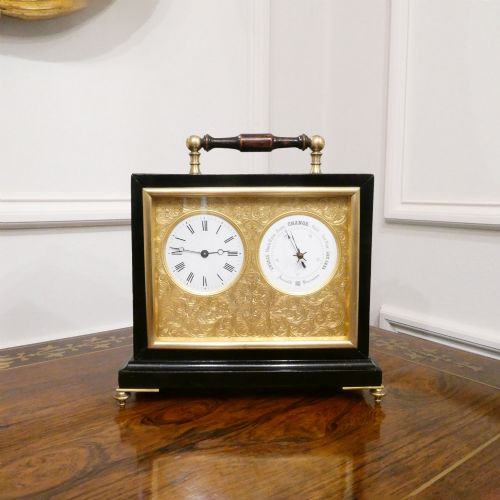
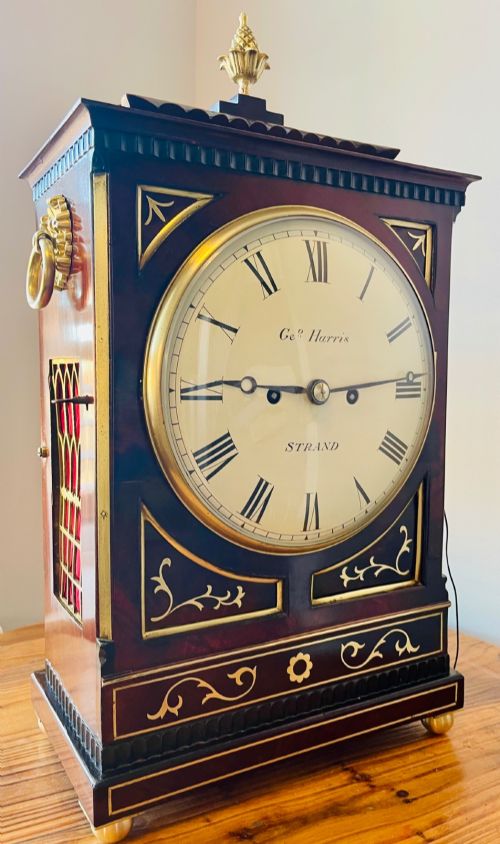
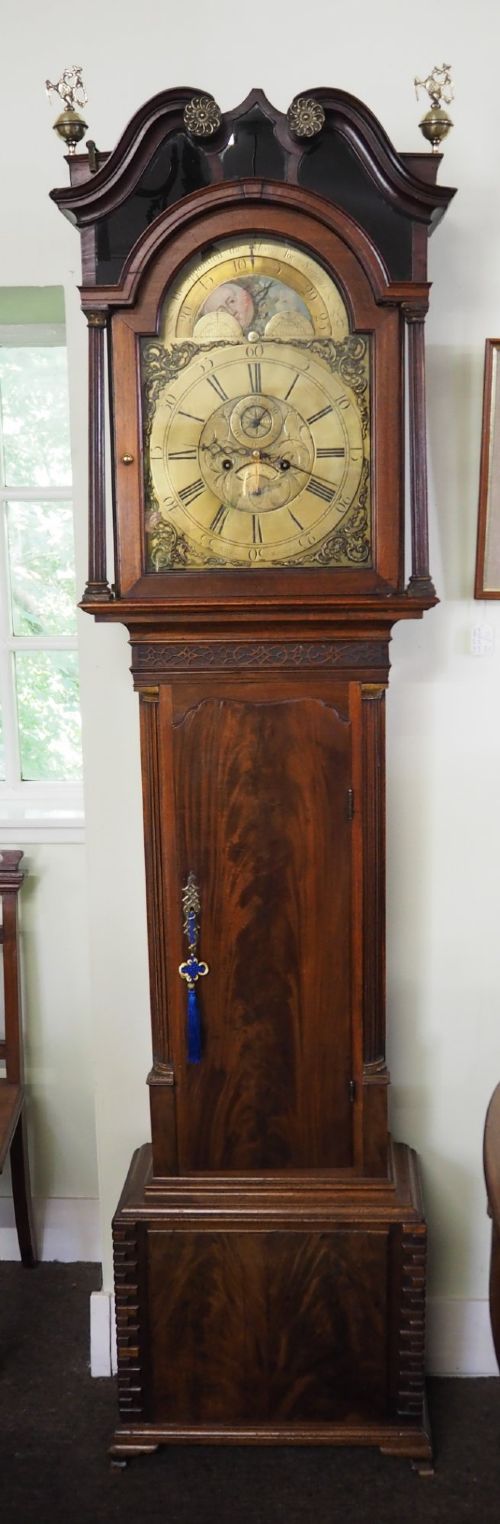
The selections on this page range from towering longcase and grandfather clocks to wall dials, bracket clocks and smaller mantel pieces.
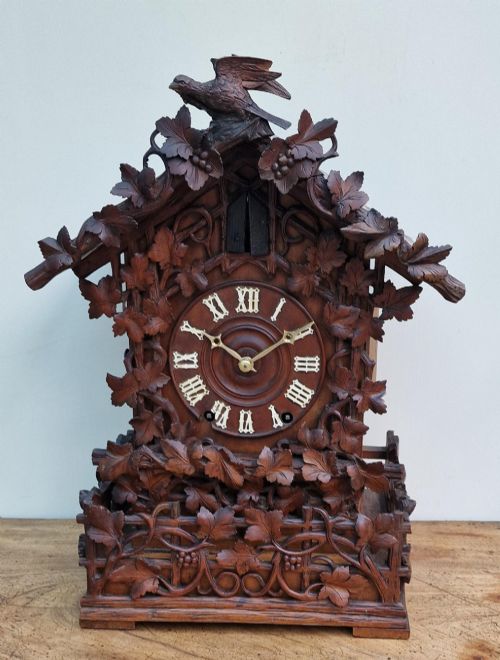
Makers fashioned these cases in mahogany, oak, walnut and beech, incorporating styles from Gothic Revival and Black Forest carving to clean Amsterdam School geometry.
How they were made
Cabinetmakers shaped dense timbers like mahogany, walnut and oak, often adding inlay, paterae or carved fretwork to the wooden housings.
Clockmakers fitted mechanical movements, including fusee drives, pendulum swings, and striking or chiming trains driven by weights or springs.
Dials of brass, enamel and painted metal sat behind protective glass bezels, completing assemblies designed to keep time reliably for generations.
Certain Black Forest models feature mechanical musical automatons and cuckoos that emerge to mark the passing hours.
What varies in quality
Quality rests in the crispness of the timber carving, the choice of figured wood veneers like macassar ebony, and the integrity of the cabinet construction.
The sophistication of the internal movement separates standard timepieces from complex musical, chiming or fusee mechanisms created by skilled horologists.
Gordon of Aberdeen·Gillett and Johnston of Croydon·H.A.C.·Brockbanks and Atkins·Mappin and Webb·Henry Harris
The Vintage Wood Clock Glossary
- Fusee
- A conical pulley used in mechanical clocks to maintain even force on the gear train as the mainspring unwinds.
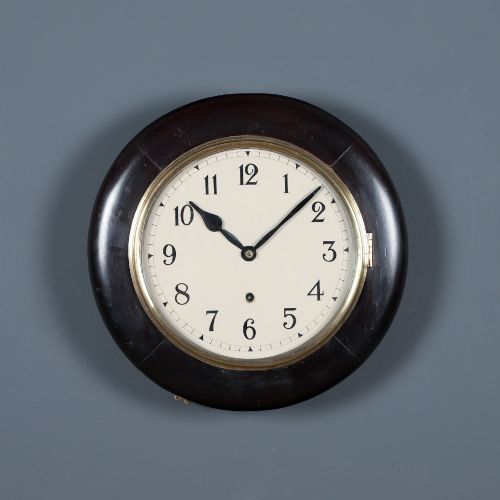
- Dial clock
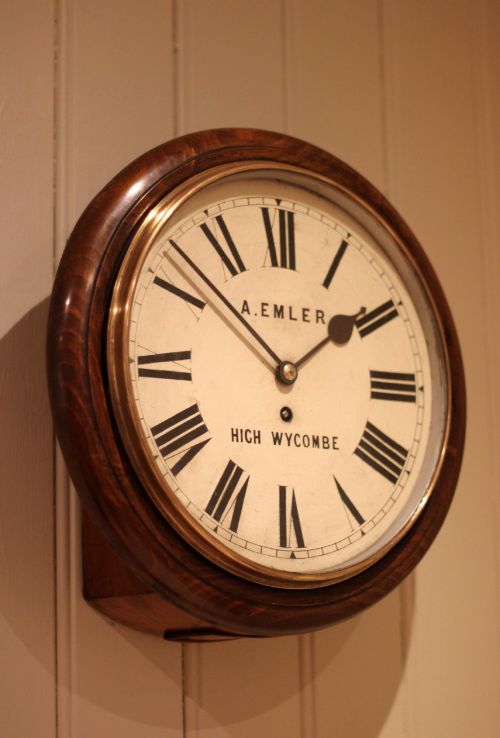
- A wall-mounted clock featuring a prominent circular face, historically utilised in schools, railway stations and offices.
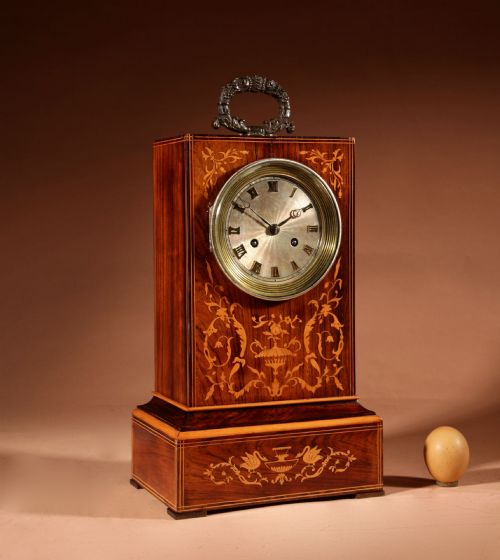
- Bracket clock
- A portable table or shelf clock, originally designed to sit on a wall bracket to aid room placement.
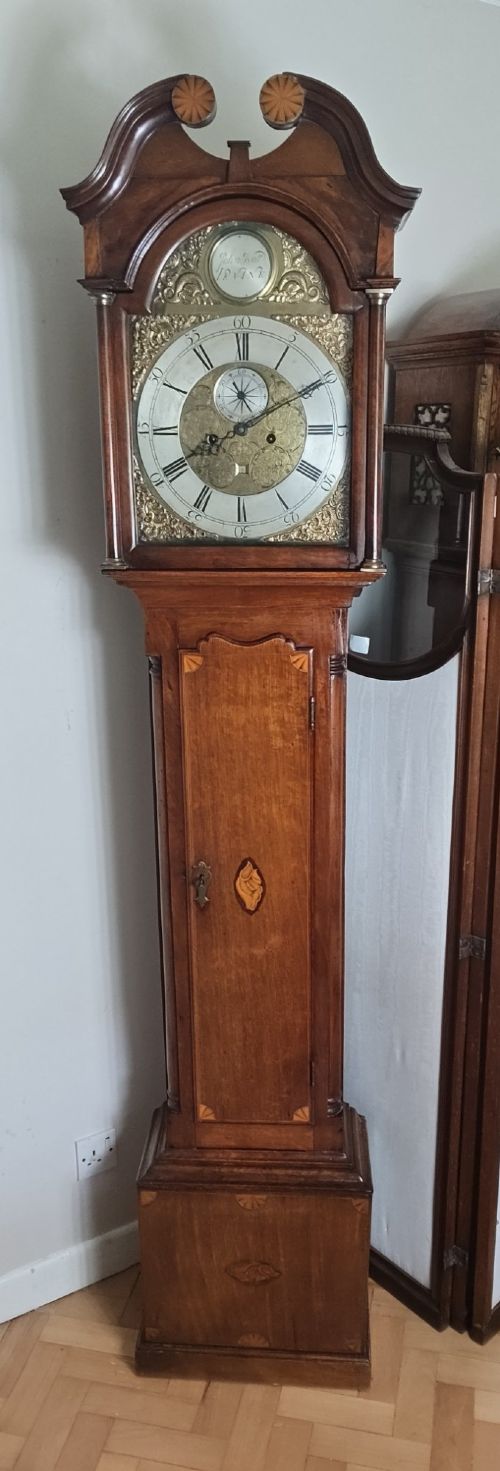
- Longcase clock
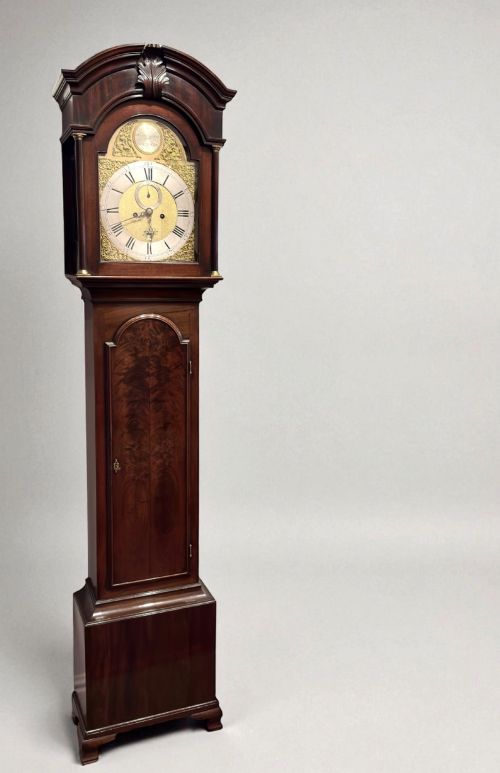
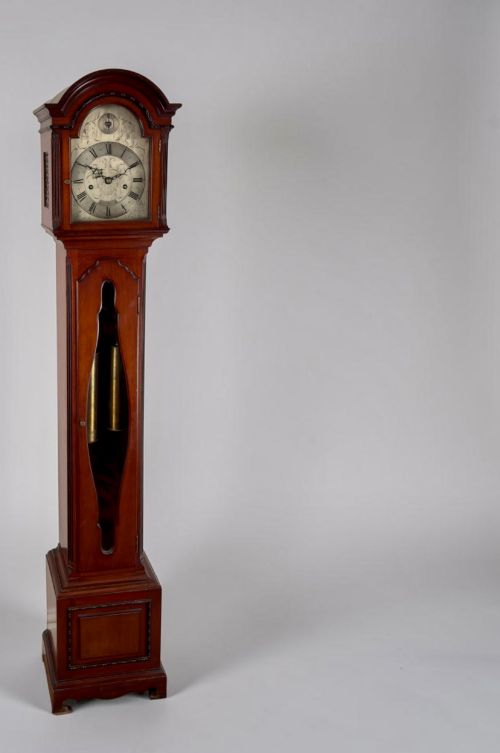
- A tall pendulum clock enclosed in a wooden case standing directly on the floor, also known as a grandfather clock.
- Paterae
- Small circular ornamental reliefs carved or inlaid into wooden furniture and clock cases during the Georgian and later periods.
Vintage Wood Clock: Frequently Asked Questions
How do I wind a mechanical clock?
Use the appropriate key to turn the arbors clockwise until resistance is felt, taking care not to overwind the mainspring.
Consult the specific instructions for striking or fusee movements to ensure the mechanism remains in balance.
Where should I place a longcase clock?
Position the tall wooden case against a sturdy interior wall away from direct sunlight, excessive heat sources and dampness.
Ensure the floor is level so the pendulum swings evenly and keeps accurate time.
What is the difference between a mantel and a bracket clock?
Mantel clocks sit directly on fireplace ledges or shelves, appearing in various decorative shapes including balloon and architectural styles.
Bracket clocks historically sat on dedicated wall brackets and typically feature handles on top for portability.
How do I identify an Edwardian clock?
Look for stylistic markers typical of the early twentieth century, such as inlaid mahogany cases, restrained Edwardian proportions and clear enamel dials.
Check for maker marks or hallmarks associated with the period on the movement backplate.