

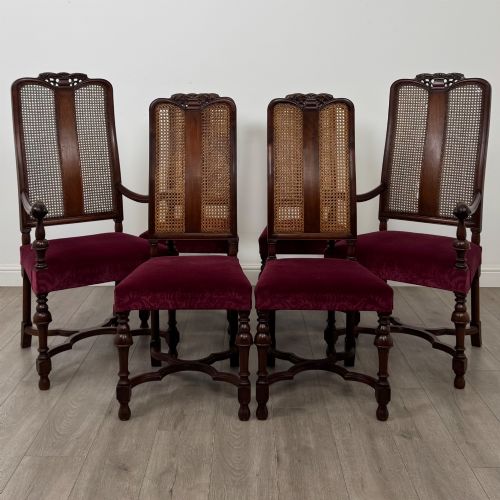
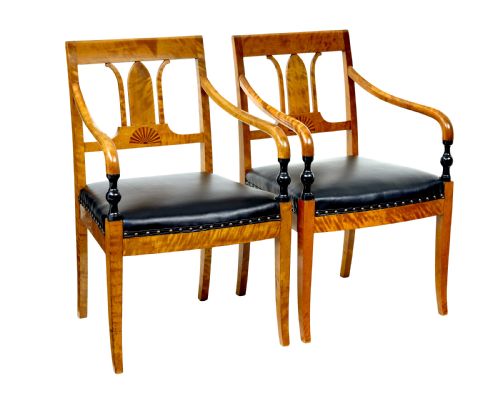
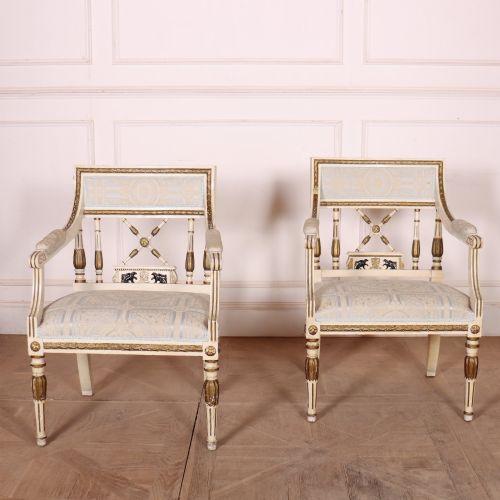
Vintage Wood Carver Armchairs
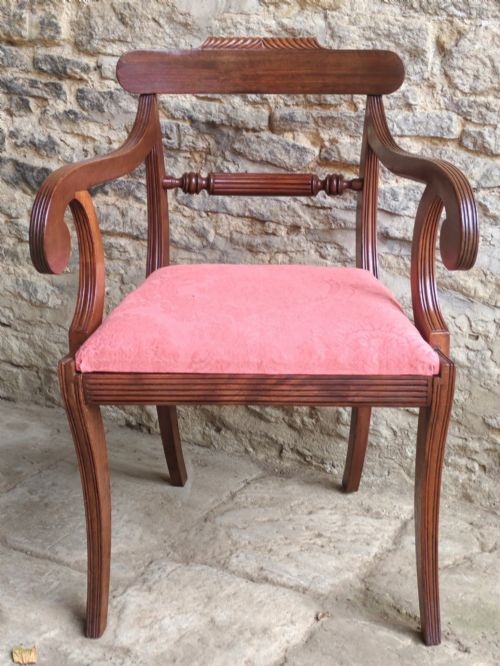
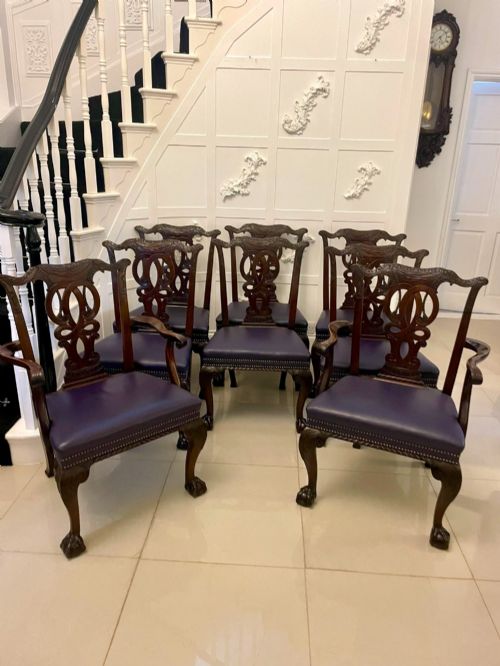
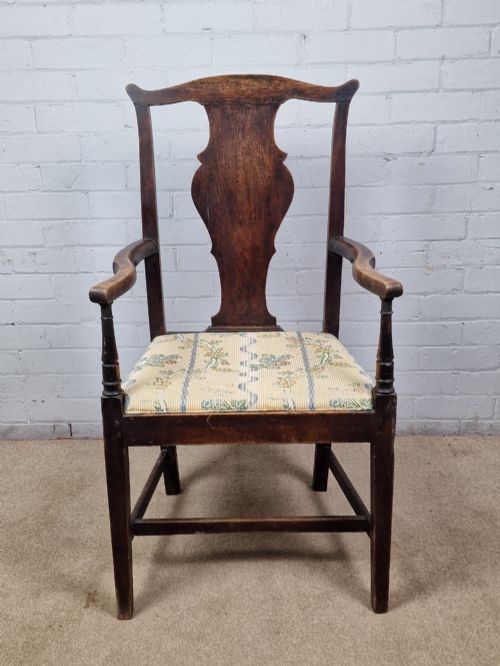
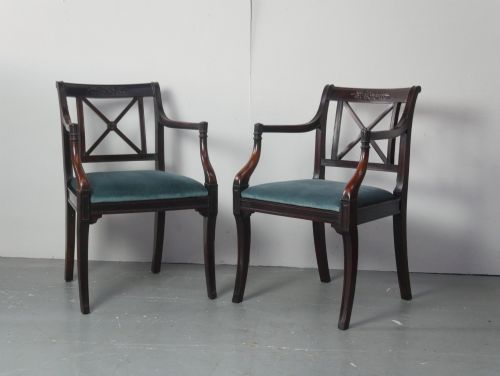
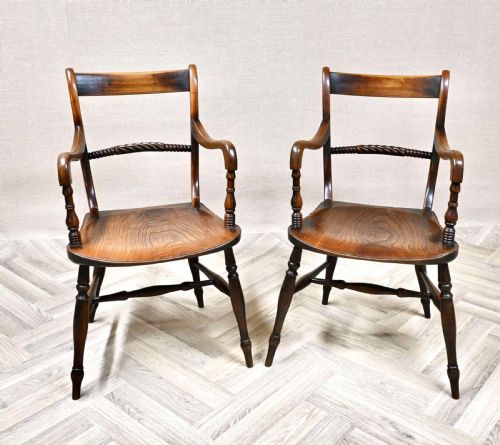
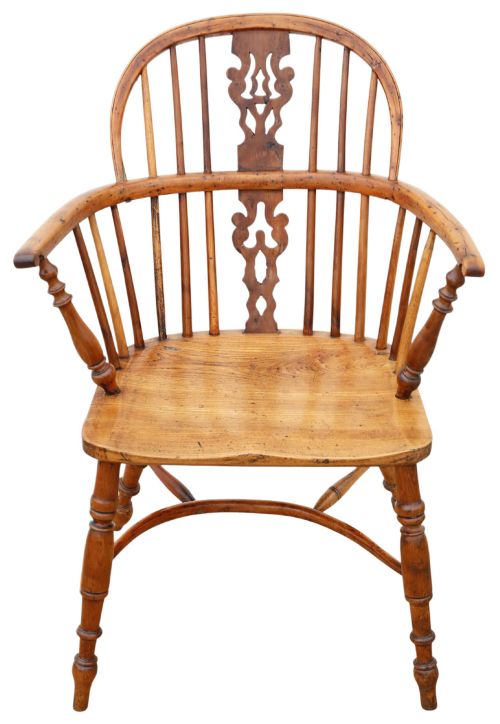
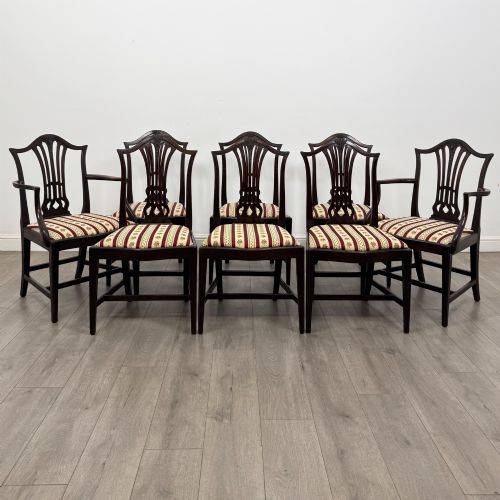
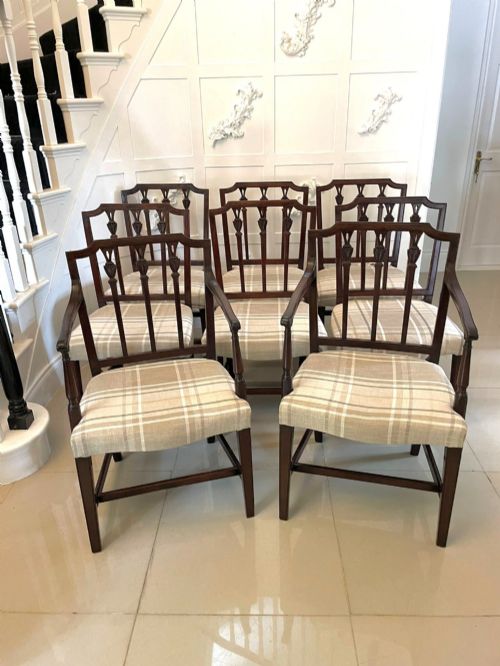
These vintage wood carver armchairs span formal mahogany dining sets and sturdy country elm Windsors, offering broad seating suited to desks and table ends.
Vintage Wood Carver Armchairs
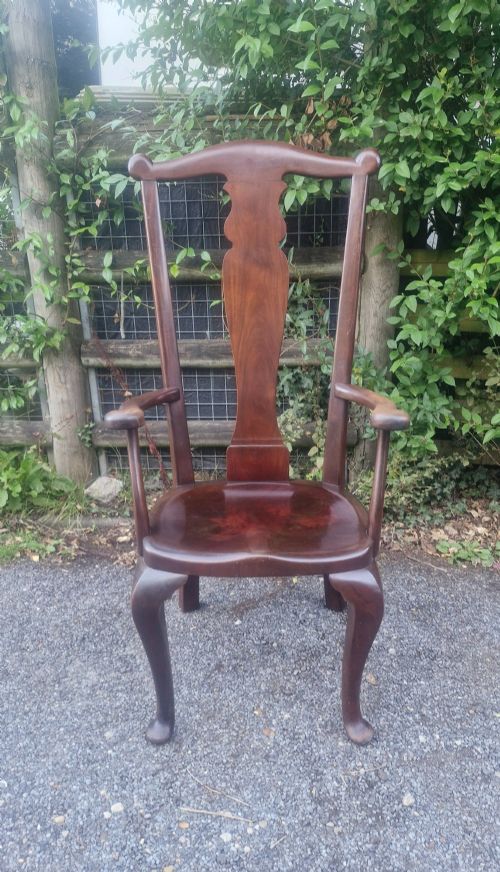
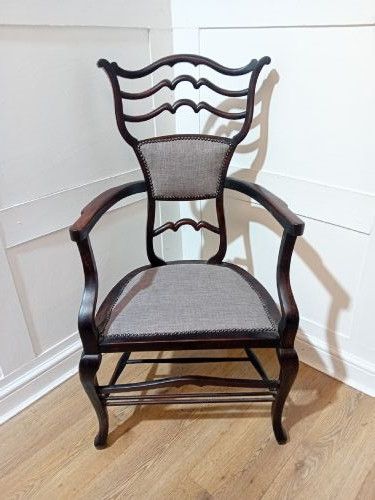
When you search for vintage wood carver armchairs, you encounter diverse seating forms ranging from formal dining carvers to country house elbows. These pieces function as substantial chairs with armrests, historically placed at the ends of dining tables or utilised at desks.
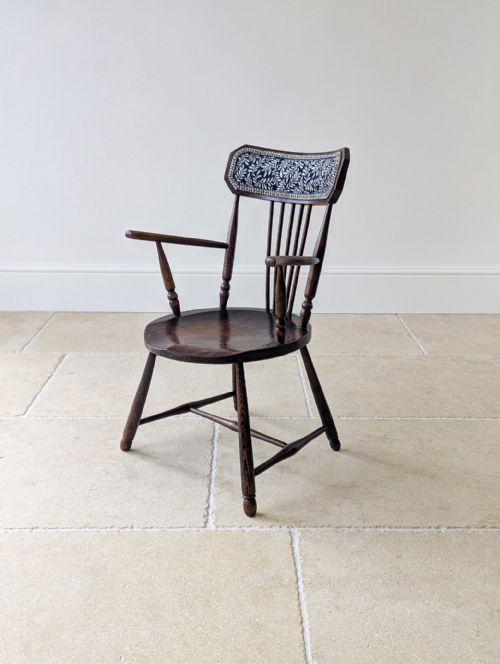
The selections on this page draw heavily from the nineteenth century and the Edwardian era, alongside eighteenth-century origins and later revivals. Formal mahogany versions display stylistic lineage from Chippendale and Hepplewhite designs, while country varieties manifest in regional Windsor formats.
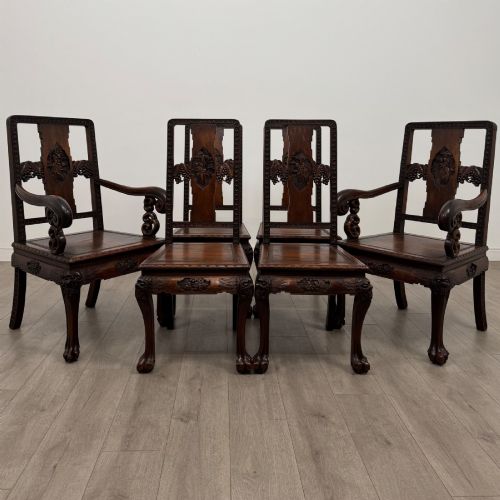
Makers and workshops constructed these armchairs in both solitary pairs and matched suites accompanying larger dining sets. You find everything from high-backed desk variants to spindle-back kitchen seats and provincial ladder-backs.
How they were made
Cabinet makers and vernacular joiners relied primarily on hardwoods such as mahogany, oak, elm, ash and beech to construct these frames. Mahogany dominated formal urban workshops, whereas rural makers utilised native timbers like elm and yew for strength and flexibility.
Construction techniques combined traditional joinery like mortise and tenon joints with steam bending for curved components such as Windsor hoops and crinoline stretchers. Carvers applied detailed hand-carving to splats, arm terminals and crest rails on formal revival pieces, while country chairs often relied on turned spindles and saddle seats.
Listings feature woods spanning mahogany, elm, oak, ash, beech, yew and birch across several centuries.
What varies in quality
The calibre of a carver armchair rests heavily on the crispness of the timber carving and the integrity of its structural framing. Superior examples display deeply moulded arm supports, well-proportioned splats and tight, uncompromised joinery that withstands centuries of daily use.
Timber selection and grain figure dictate the visual hierarchy between standard utility seating and high-status pieces. Finely figured mahogany or meticulously matched yew and elm combinations distinguish superior workshop production from more rudimentary regional joinery.
Alfred Allen of Birmingham·William Morris
The Vintage Wood Carver Armchairs Glossary
- Carver chair
- An armchair designed with open sides to accommodate voluminous historical clothing, frequently made as part of a dining chair set. These pieces traditionally sat at the head and foot of a dining table.
- Windsor
- A chair constructed with a solid wooden saddle seat into which the legs and back spindles are directly joined. Regional variations include hoop backs, comb backs and spindle backs.
- Splats
- The vertical wooden strip placed centrally in the back of a chair. Master carvers pierced and carved these elements into ribbons, urns or Gothic arches.
- Stretcher
- The horizontal wooden rod connecting the legs of a chair to provide structural stability. Country carvers often utilised bentwood crinoline stretchers for added reinforcement.
- Elbow chair
- An alternative term for an armchair, particularly those with low or short armrests designed to fit beneath a table or desk. These appear frequently in nineteenth-century dining and office contexts.
Vintage Wood Carver Armchairs: Frequently Asked Questions
What distinguishes a carver chair from a standard dining chair?
Carver chairs feature wooden armrests integrated into the frame, providing wider seating dimensions than side chairs. They historically occupied the head positions of a dining table.
Dining chairs without arms filled the remaining side spaces, allowing guests to sit closer together during meals.
How do I identify a Windsor armchair?
Windsor armchairs are characterised by a solid sculpted wooden seat into which independent legs and back components are wedged. They lack traditional upholstered frames and rely on exposed timber construction.
Country versions often combine different woods like elm seats with ash spindles and yew bending.
Were these armchairs used exclusively for dining?
While many carvers accompanied dining table sets, numerous forms served different domestic functions. High-back and desk variants were built for writing tables and office use.
Sturdy elm and ash examples also functioned as fireside, kitchen or hallway seating in country houses.
How do I care for antique wooden armrests?
Maintain the timber by applying appropriate beeswax or furniture polish periodically to nourish the dry wood grain. Avoid placing chairs in direct sunlight or near sudden heat sources.
Gentle dusting with a soft cloth prevents surface grit from accumulating on carved details.