


Vintage Wood Bedstead
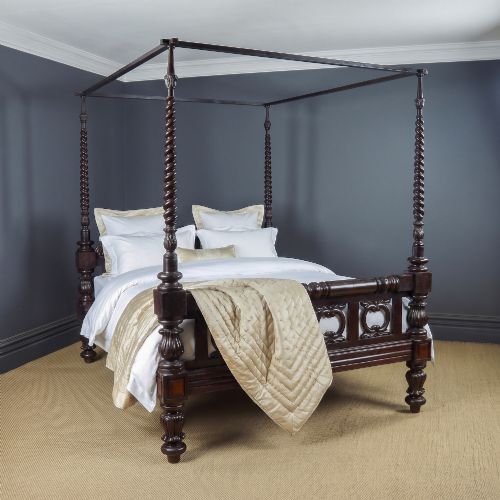
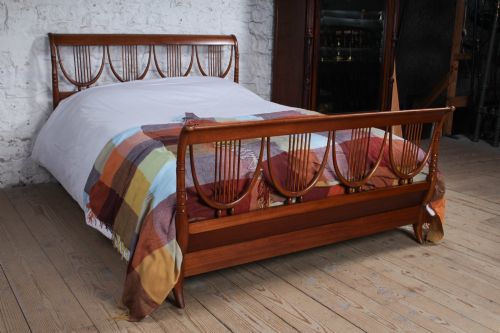
A vintage wood bedstead anchors a bedroom with presence, offering solid timber construction and distinct period character from the nineteenth and early twentieth centuries.
Vintage Wood Bedstead
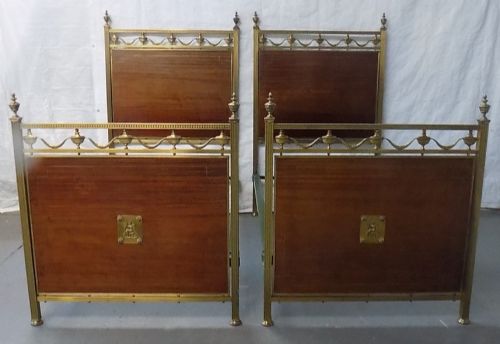
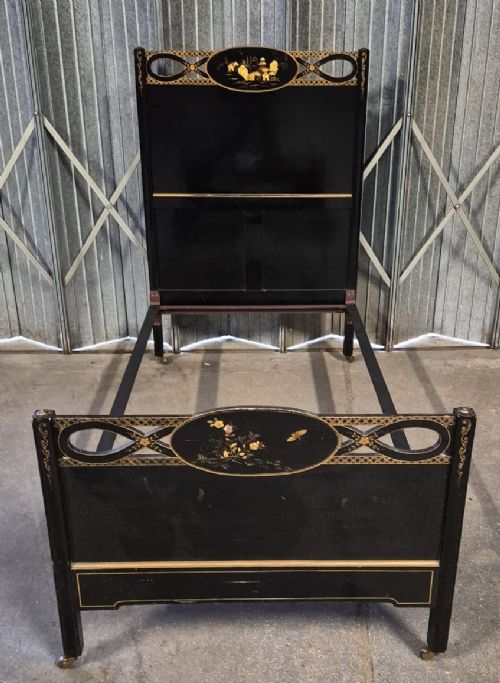
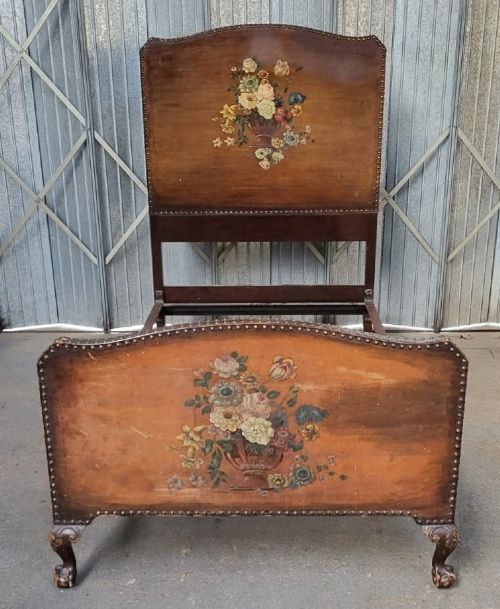
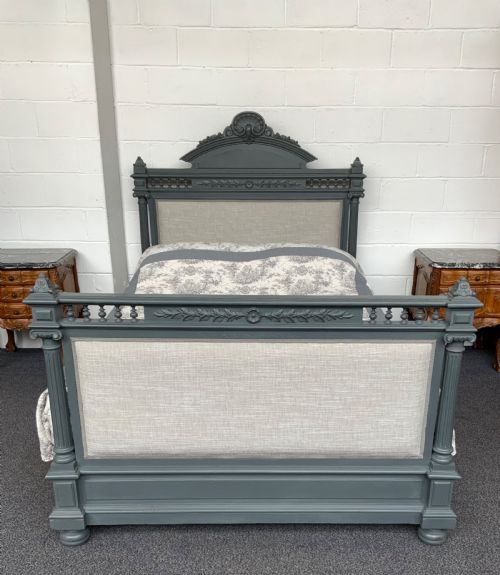
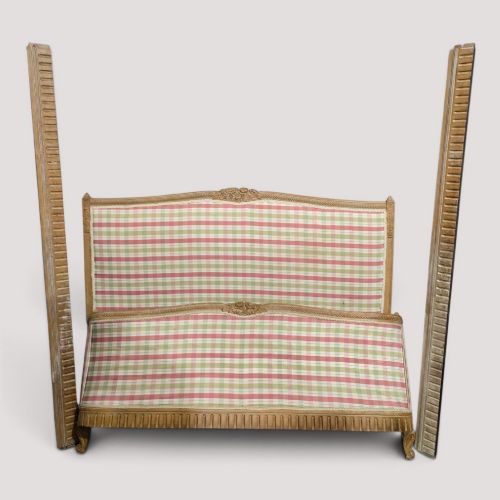
The selection ranges widely from British mahogany and oak designs to continental European pieces influenced by French styles such as Louis XV and Louis XVI. Alongside full scale furniture, occasional miniature pieces and doll beds appear in timber.
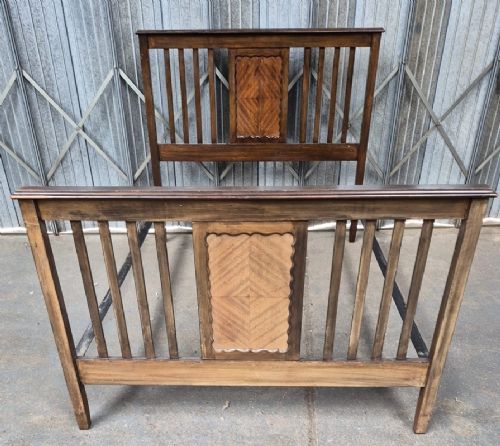
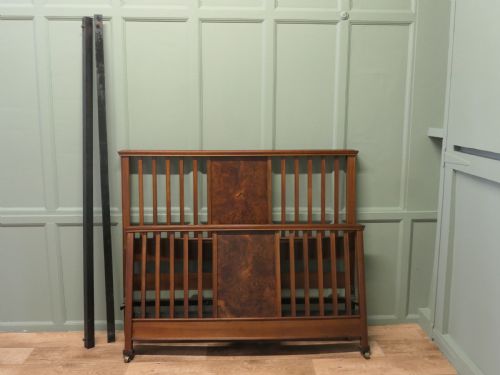
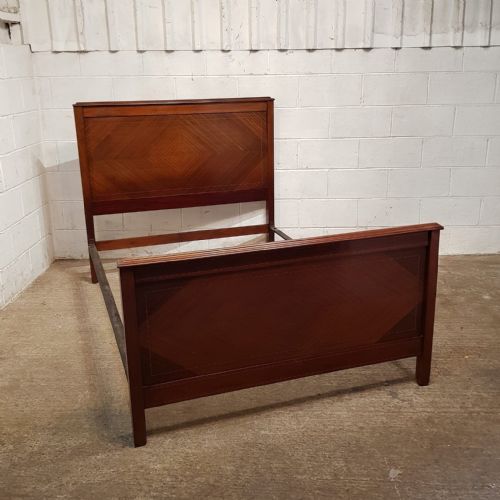
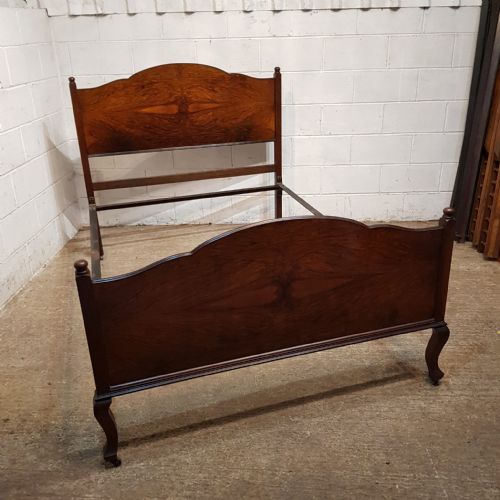
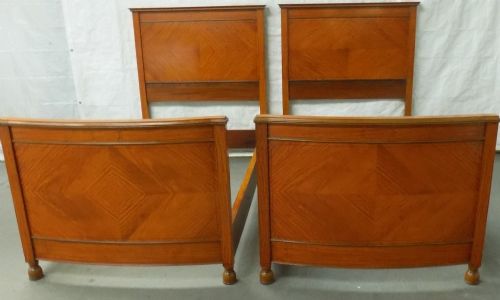
Edwardian and Art Deco examples dominate the available styles, often utilising blonde woods, satinwood, and burr walnut. These frames provide functional sleeping quarters while carrying the distinct aesthetic signatures of their respective decades.
Assessing quality in timber frames
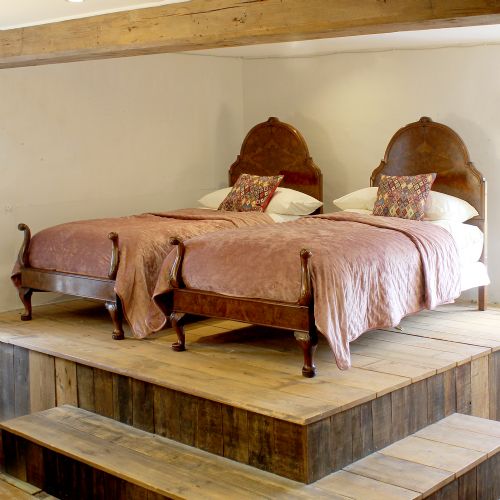
Quality rests upon the selection of timber and veneer, where richly figured burr walnut or dense mahogany elevate a piece above standard utility furniture. The depth and execution of hand carving further distinguish standard production frames from finer examples.
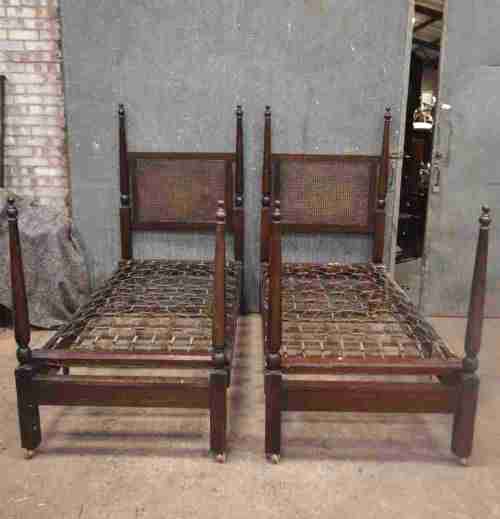
Structural robustness and the preservation of original mounts or cane work, such as bergere panels, separate superior specimens from simpler alterations. The harmony of proportions across headboards and footboards marks the standard of the original workshop.
Vintage Wood Bedstead Retail Price Guide 2026
Typical asking prices for vintage wood bedstead among the pieces listed under this phrase on Sellingantiques today, from the lower quarter to the upper quarter. They describe what is for sale here now, not the wider market.
Among the full scale furniture, a small wooden doll bed from the nineteenth century appears, proving that miniature craftsmanship matched full size bedroom proportions.
Stanley Webb Davies
The Vintage Wood Bedstead Glossary
- Bedstead
- The framework of a bed consisting of headboard, footboard, and rails designed to support a mattress. It excludes the bedding itself.
- Four poster
- A bed with four vertical columns supporting a tester or canopy top. These grand structures often feature substantial turned or carved posts.
- Bergere
- A closed upholstered armchair or inset panel style utilising woven cane lattice. In bed frames, it appears as woven cane headboard or footboard inserts.
- Satinwood
- A durable hardwood yielding a yellowish-blonde timber with a satiny sheen. It frequently appears as a fine veneer on Edwardian and Art Deco furniture.
- Veneer
- A thin layer of finely figured wood glued to a base timber surface. Burr walnut veneers provide complex decorative grain patterns on prominent panels.
Vintage Wood Bedstead: Frequently Asked Questions
How do I choose the right size?
Consider the room dimensions and mattress requirements carefully, noting that older frames may accommodate non-standard widths compared to modern mattresses. Measuring the internal rails ensures proper fit for contemporary bases.
French and Victorian sizes often vary from strict standard dimensions, making careful verification of internal length and width essential before purchase.
Are these beds easy to assemble?
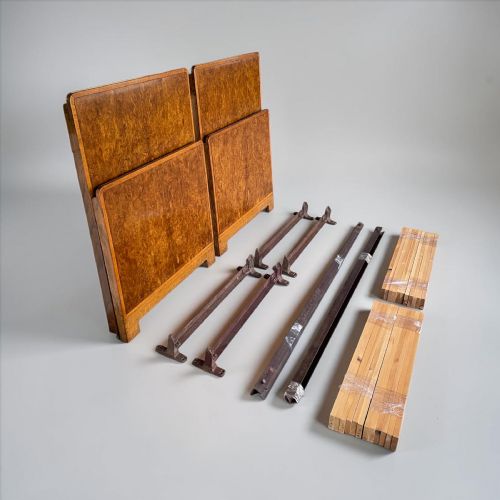
Most vintage wood bedsteads utilise traditional slot-in iron or timber rail brackets that dismantle into four main components for transport. Assembly generally requires simple hand tools and two people to align the heavy head and footboards.
Care must be taken with antique joint hardware to ensure square alignment without forcing original wooden threads or metal fittings.
How do I care for timber finishes?
Maintain polished wood surfaces using natural beeswax and soft microfiber cloths to preserve the patina without building up synthetic residues. Avoid placing wooden furniture near direct heat sources or strong sunlight to prevent veneer drying.
Regular light dusting prevents abrasive particle accumulation on delicate carved details and satinwood inlays.
How do I identify the period?
Examine the stylistic cues, such as the geometric lines of Art Deco pieces or the inlaid satinwood typical of Edwardian craftsmanship. Construction marks and secondary timbers often reveal the manufacturing era.
Heavier carved walnut frames with curved cabriole legs frequently point towards French provincial or Victorian revivals of earlier Louis styles.