


Vintage Wine Bucket Stand
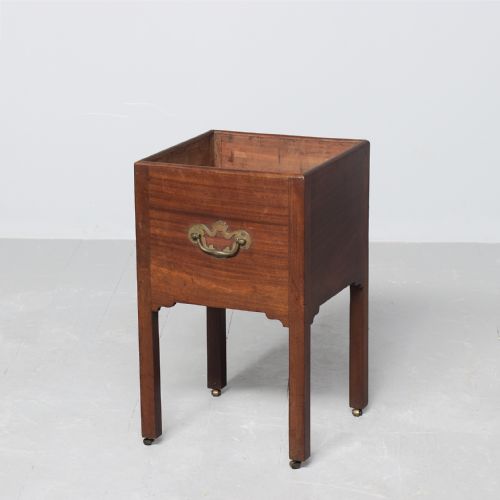
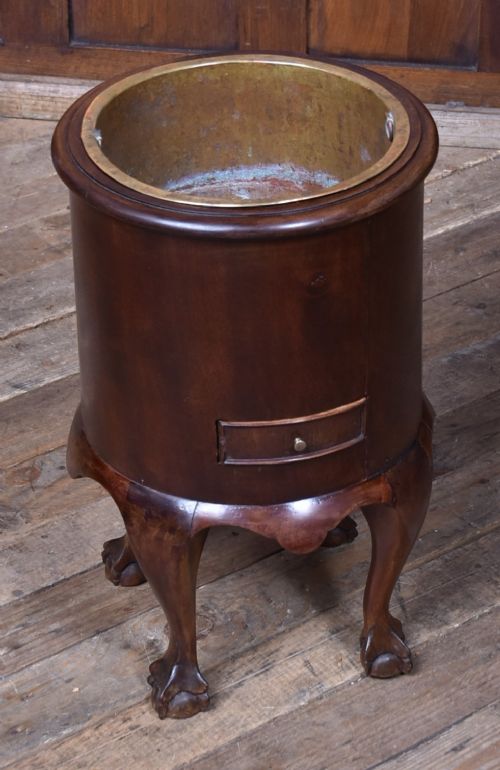
These vintage wine bucket stand examples combine period timber and metal to elevate a bottle from the floor.
Vintage Wine Bucket Stand
A vintage wine bucket stand unites utilitarian vessels with dedicated furniture, resulting in elevated containers designed for dining rooms and drawing rooms. Buyers seeking a vintage wine bucket stand will encounter formats ranging from coopered timber barrels to raised metal bowls upon tall legs.
The selections span distinct eras from Georgian craftsmanship through Victorian and Edwardian periods up to Art Deco designs. Many pieces double as jardinières or planters, reflecting how domestic objects often served multiple hosting duties over the centuries.
Mahogany and oak dominate the timber constructions, frequently bound in gleaming brass hoops or copper accents. Floor-standing champagne coolers and table versions alike demonstrate the enduring need to keep beverages chilled near the dining table without cluttering the surface.
How they were made
Coopered construction forms the backbone of many wooden examples, where skilled artisans fitted individual staves of oak, mahogany, or walnut together tightly. Metal bands in brass or copper were heated and fitted securely around the timber staves to hold the barrel shape under natural expansion.
Silver plating and cast metal feature prominently on the metallic vessels and floor-standing champagne holders. Makers utilised durable base metals finished with heavy plate or decorative patination to withstand the damp conditions of melting ice and chilled bottles.
French vineyard workers once carried grapes in rustic hottes that now serve as champagne stands.
What varies in quality
Quality rests upon the integrity of the timber selection and the precision of the cooperage work. Fine examples exhibit tightly joined staves with smooth internal linings and crisp, unblemished brass or copper fittings that retain their original structural tension.
The distinction between ordinary utility items and superior pieces often lies in the refinement of the accompanying stand. Slender tapering legs, well-turned pedestals, and substantial maker involvement elevate a utilitarian wine holder into a sophisticated piece of period furniture.
Christofle·WMF·Lister and Co
The Vintage Wine Bucket Stand Glossary
- Coopered
- Built from curved wooden staves joined edge to edge and bound by metal hoops, much like a traditional barrel. This technique ensures waterproof strength for holding ice and liquids.
- Jardinière
- An ornamental pot or stand designed to hold plants and flowers indoors. Many pieces catalogued under this term double effectively as wine coolers.
- Cellarette
- A lockable container or cabinet designed to hold bottles of wine securely in a dining room. Floor-standing variants often incorporate timber stands with internal lead linings.
- Hotten
- A traditional carrier or basket used during grape harvests in French vineyards. These distinctive vessels occasionally find new life as decorative floor stands.
- Presentation Bowl
- A large open vessel intended for display or ceremonial use, frequently rendered in silver plate. They often sit atop dedicated metal or wooden stands for serving champagne.
Vintage Wine Bucket Stand: Frequently Asked Questions
How were these stands used originally?
These vessels stood beside dining tables or sideboards to keep wine bottles cool in ice water during long meals. Servants would easily reach down to retrieve bottles without interrupting conversation.
Over time, many examples transitioned into decorative planters or jardinières as dining customs shifted. Their sturdy waterproof linings made them practical for displaying large indoor ferns and potted palms.
Are these stands suitable for modern use?
Modern dining rooms benefit immensely from these stands during dinner parties and celebrations. They hold ice and multiple wine or champagne bottles comfortably at guest height.
When not entertaining, you can repurpose wooden coopered stands and metal bowls as planters for large houseplants. The combination of period timber and gleaming metal complements both traditional and contemporary interiors.
How do I distinguish Georgian from Victorian examples?
Georgian pieces often showcase rich mahogany with subtle brass banding and restrained, classical proportions. The craftsmanship prioritises understated elegance suited to formal eighteenth-century dining rooms.
Victorian and Edwardian versions tend to display heavier ornamentation, broader material combinations like oak and copper, and occasionally taller floor-standing frames. Art Deco pieces introduce sleek metallic lines and geometric floor stands from the nineteen-thirties.
What maintenance do wooden stands require?
Wooden coopered staves respond best to stable indoor humidity away from direct heat sources. Applying appropriate furniture wax occasionally keeps the mahogany or oak nourished and prevents the timber from drying out.
Metal liners and brass bands require only gentle cleaning with a soft cloth to preserve their natural patination. Avoid harsh chemical polishes that strip the historical character from the brass and copper surfaces.