



Vintage Windsor Desk Chair
A vintage windsor desk chair offers sturdy construction and timber character, making it a practical and handsome seat for daily writing.
Vintage Windsor Desk Chair
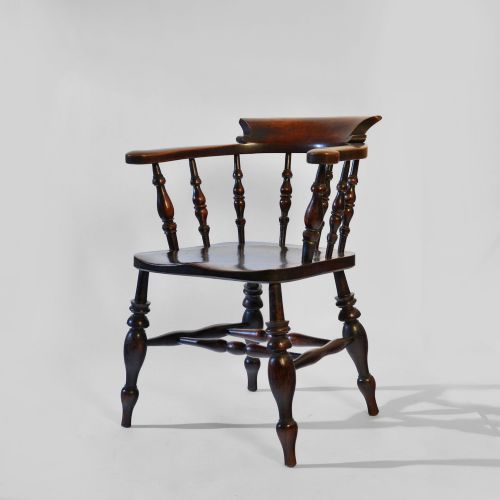
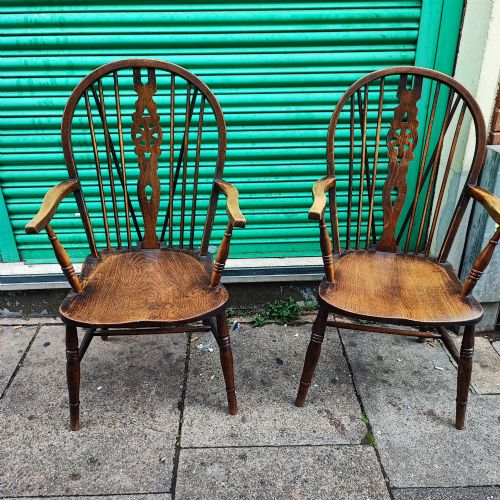
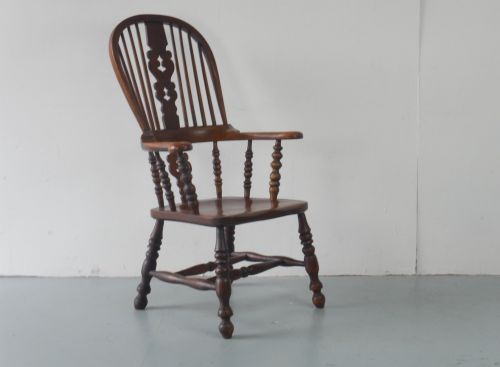
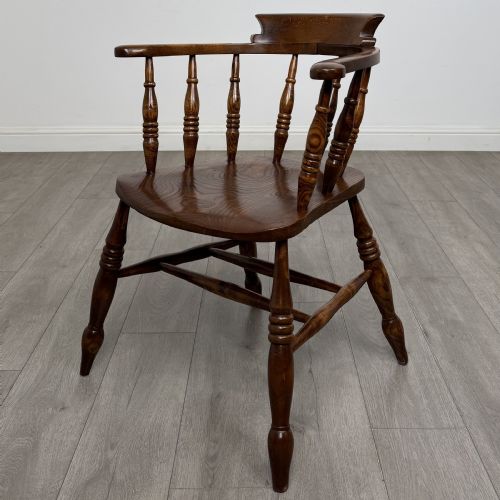
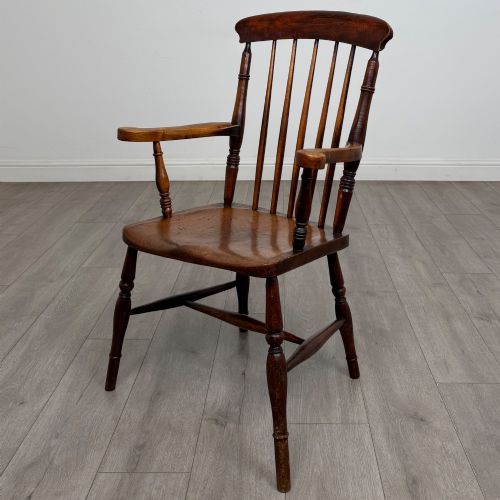
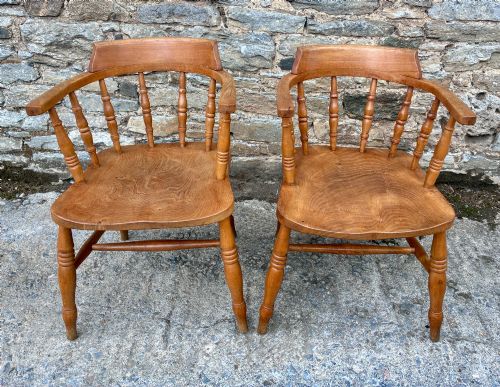
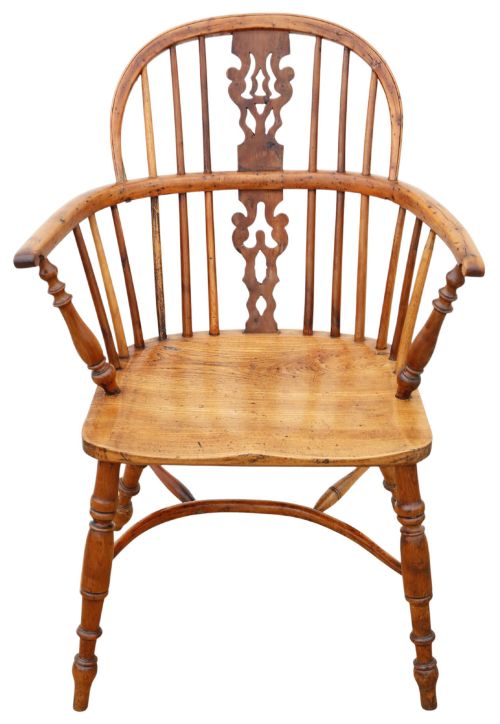
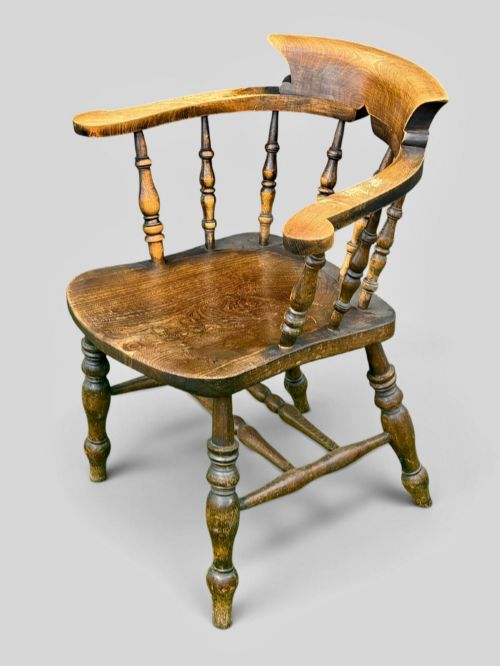
A vintage windsor desk chair combines traditional country seating with sturdy construction suited for working at a table or writing bureau. These seating options emerge from various periods including the nineteenth century, Victorian era, and Edwardian period, built in forms such as armchairs, carvers, and captain's chairs.
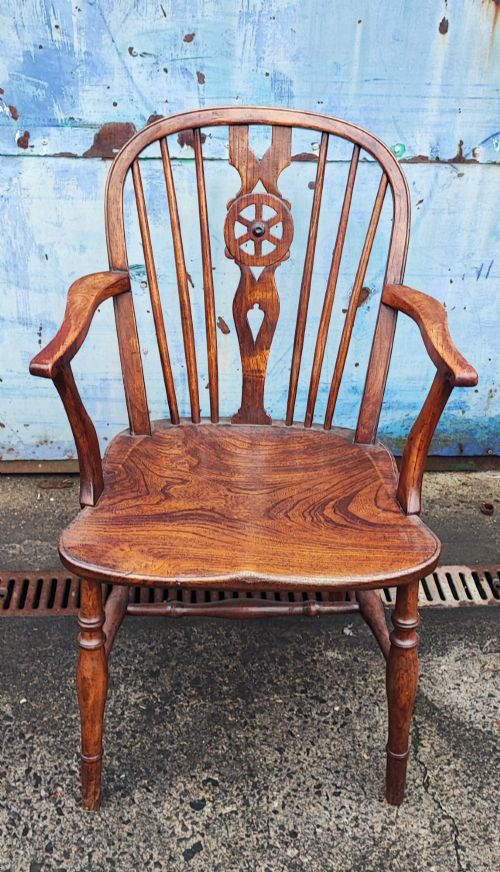
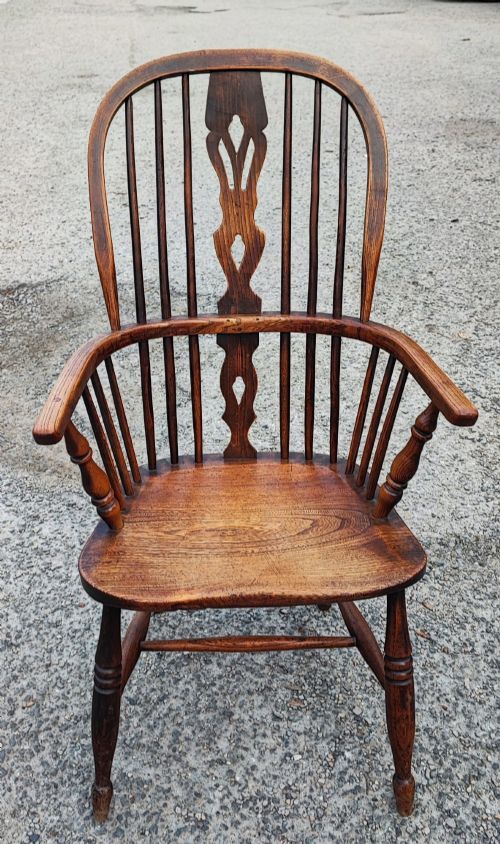
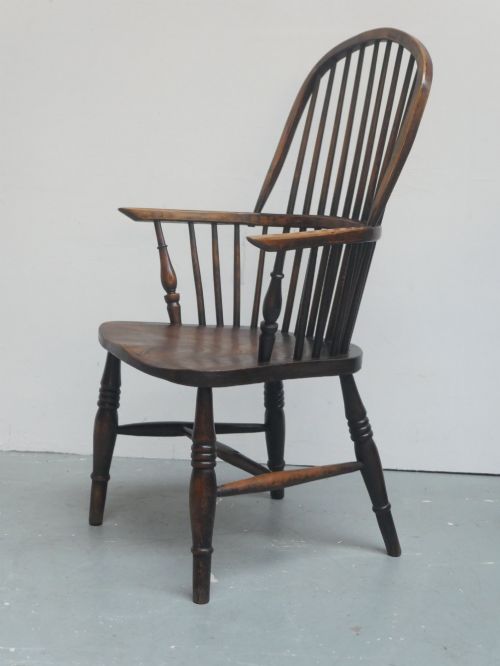
Buyers encounter different regional variants and stylistic details among these listings, including hoop backs, stick backs, and wheel backs. The vernacular designs often show influences from English country workshops, with vernacular pieces shaped for domestic and farmhouse utility.
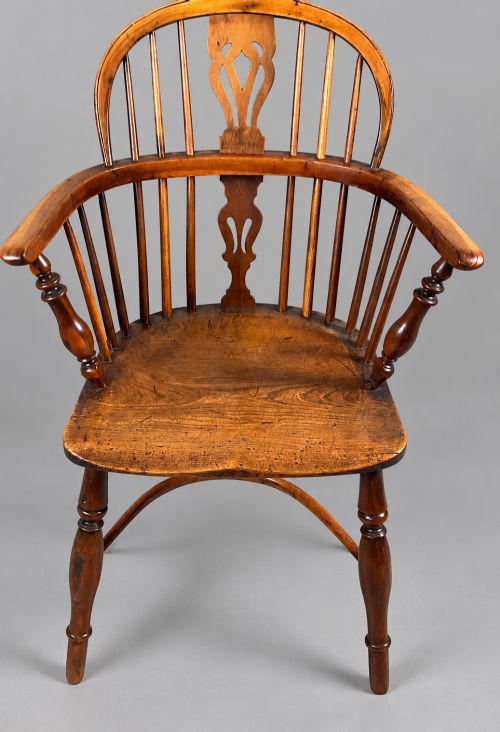
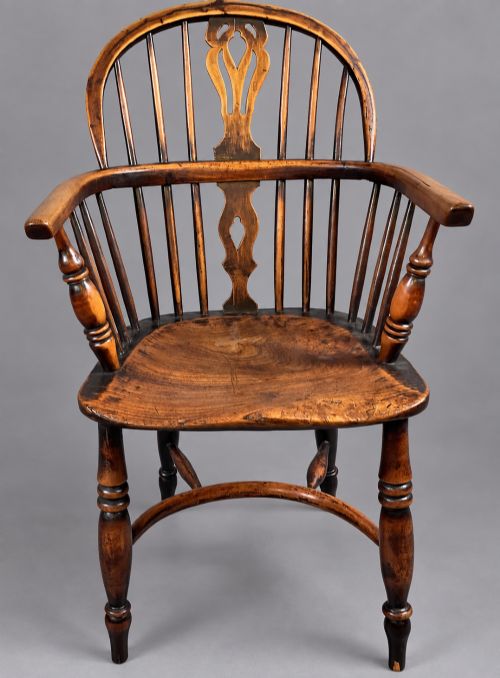
Many examples utilise robust timber combinations like elm seats paired with ash, beech, or yew frameworks. These materials provide the characteristic strength and grain variation expected in traditional country seating.
Materials and construction
These chairs are constructed using traditional green woodworking techniques, where turned spindles and legs are fitted directly into a thick, scooped solid timber seat. Elm is predominantly utilised for the saddle seats because its interlocking grain resists splitting under pressure.
Framing components like bentwood hoops, arms, and vertical stretchers employ straight-grained timbers such as ash, beech, and oak for structural rigidity. Selected pieces incorporate rich yew wood, prized for its natural lustre and warm figure.
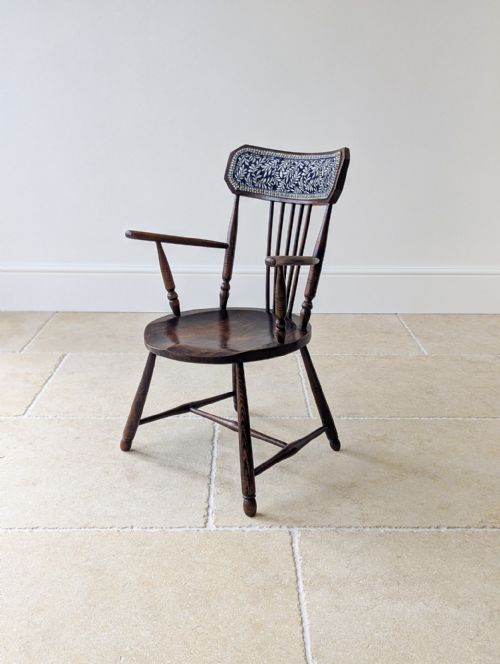
Joinery relies on wedged tenons and dowels rather than metal fasteners, allowing the chair to flex slightly without compromising stability. Certain examples feature ebonised finishes or simple surface treatments applied over the native hardwoods.
Vintage Windsor Desk Chair Retail Price Guide 2026
Typical asking prices for vintage windsor desk chair among the pieces listed under this phrase on Sellingantiques today, from the lower quarter to the upper quarter. They describe what is for sale here now, not the wider market.
Many nineteenth-century country chairs bear subtle carpenter's tally marks hidden beneath the seat, where makers notched timber joints to keep track of matched pairs.
Assessing quality and craftsmanship
Quality in these seating pieces rests upon the depth and comfort of the sculpted seat, alongside the proportion of the turning work on the legs and spindles. Superior examples display crisp joinery and balanced framing that maintains structural integrity through decades of use.
The choice of timber significantly influences the desirability of a piece, with figured yew wood or well-matched elm and ash combinations commanding greater attention. The crispness of the steam-bent back bow and the retention of original surface patination also distinguish finer workshop output from simpler utilitarian items.
J Spencer·Gabbitass Worksop
The Vintage Windsor Desk Chair Glossary
- Smoker's bow
- A low-backed armchair with a continuous curved arm rail supported by turned spindles, commonly found in domestic and commercial spaces during the nineteenth century. This form offers sturdy elbow support.
- Carver chair
- An armchair designed in a matching style to a set of dining chairs, often utilised at the head of a table or at a desk. These pieces share stylistic traits with standard chairs while providing armrests.
- Stick back
- A chair construction method where multiple slender turned wooden rods form the back support rather than a solid splat. This design distributes weight evenly across the curved top rail.
- Crinoline stretcher
- A curved underframe reinforcement connecting the legs of a chair, resembling the shape of a Victorian hoop skirt. It adds significant lateral stability to the lower structure.
- Hoop back
- A continuous bentwood bow forming the back and arm rests of a chair in a single flowing line. This technique requires skilled steam-bending of tough hardwoods.
Vintage Windsor Desk Chair: Frequently Asked Questions
How do I identify a true vintage windsor desk chair?
Examine the construction where the legs and spindles meet the underside of the seat to check for wedged tenons and traditional joinery. Look for timber combinations such as elm seats paired with ash or yew frames.
Check for regional design traits and signs of age in the surface finish, such as natural wear patterns on the wooden armrests and seat.
Are these chairs comfortable for daily workspace use?
Most examples feature ergonomically scooped solid timber saddles designed for extended sitting periods during writing or administrative tasks. The supportive spindle backs and sturdy armrests offer natural posture alignment.
Adding a simple loose cushion can further enhance comfort for modern working arrangements without altering the chair.
How should I care for a historic hardwood chair?
Maintain the timber by applying traditional beeswax periodically to nourish the grain and protect the surface from drying out. Avoid placing the chair near direct heat sources or in extreme humidity fluctuations.
Inspect the undercarriage stretchers and leg joints occasionally to ensure the wooden wedges remain secure.