


Vintage Window Scene Painting
These vintage window scene painting works combine painted imagery with glass or canvas, offering a distinct decorative view.
Vintage Window Scene Painting
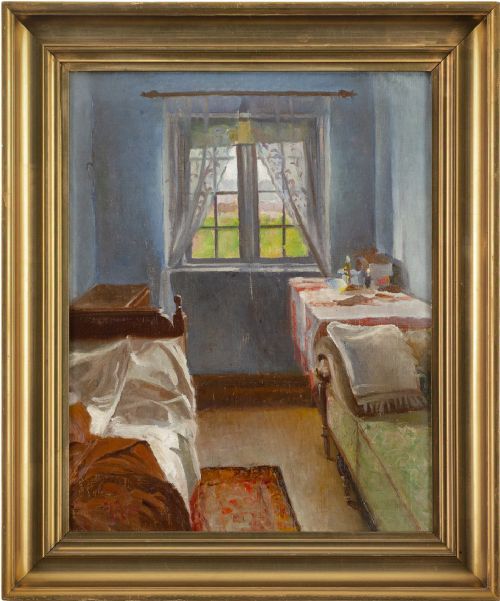
When you search for vintage window scene painting, you encounter a mix of framed oil paintings and architectural glass panels. These works merge interior perspectives with exterior landscapes, capturing rural views, country farmhouses, and winter settings.
The objects span from the Victorian period through the Edwardian, Arts and Crafts, and Art Deco eras up to nineteen thirty. You will find leaded glass panels alongside traditional oil on canvas compositions depicting studio interiors and windowsill floral displays.
How they were made
Makers utilised lead, timber, and glass to construct architectural window panels, holding painted glass sections in place. Frames incorporated pine and wood, whilst canvas pieces utilised oil paints and gold leaf.
Hand-painted details applied to glass panels created countryside and castle scenes designed to catch natural light. Canvas works relied on traditional oil painting techniques on stretched fabric.
Several panels depict cautious birds lingering near the glass, watching the room just as intently as you watch them.
What varies in quality
The complexity of the hand-painted imagery on the glass determines the visual depth of the piece. Simpler floral or bird motifs contrast with intricate multi-element countryside and architectural scenes.
Material integration also separates examples, seen in the solidity of the lead framing and the preservation of the original painted surface. Finer canvases exhibit greater control over light and interior perspective.
Harry Kluge
The Vintage Window Scene Painting Glossary
- Leaded glass
- Glass pieces joined together with strips of lead to form a window panel. This technique allows for geometric and pictorial designs.
- Oil on canvas
- Pigments mixed with an oil medium applied to a woven fabric surface. This method was standard for interior and landscape paintings.
- Gold leaf
- Gold beaten into extremely thin sheets used for gilding surfaces. It appears in traditional decorative and religious works.
- Arts and Crafts
- A design movement favouring traditional craftsmanship and vernacular materials. This style influences many of the domestic panels found in this category.
Vintage Window Scene Painting: Frequently Asked Questions
How do I hang a heavy glass window panel?
Secure the timber frame directly into structural wall studs using appropriate fixings rated for weight. Hanging chains must connect firmly to the primary wooden structure rather than decorative trim.
Ensure the weight is distributed evenly across the frame to prevent stress on the lead cames holding the glass panels together.
Where should I place a stained glass panel at home?
Position glass panels in front of existing light sources such as windows to let daylight illuminate the painted scenes. Internal walls with backlighting also work well for displaying architectural panels.
Avoid prolonged exposure to direct, harsh heat sources that might affect the timber and lead over time.
How do I tell a Victorian window from a later piece?
Victorian panels often feature heavier lead cames and distinct subject matter like bird scenes or religious motifs. Later Edwardian and Art Deco examples shift toward stylised landscapes and simplified domestic views.
Examine the construction of the wood frame and the style of the hand-painted details to help confirm the period.
What is the difference between an oil painting and a glass panel?
Oil paintings use pigment on canvas to depict interior scenes like artist studios and windowsills. Glass panels use translucent painted surfaces mounted in lead and timber to transmit light.
Both fall under this category but require different placement considerations depending on whether they reflect light or transmit it.