

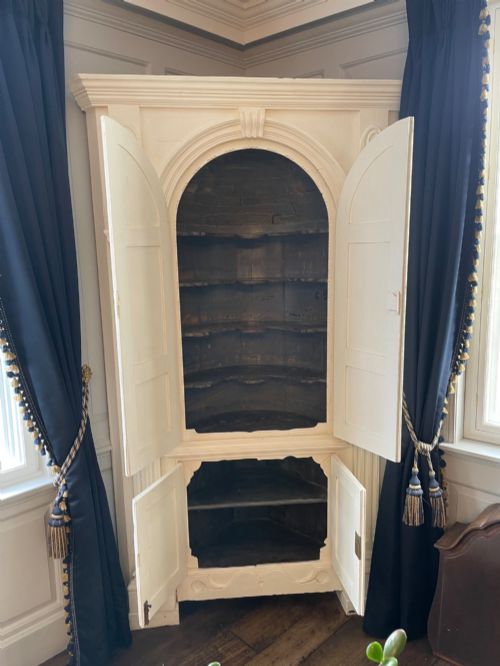
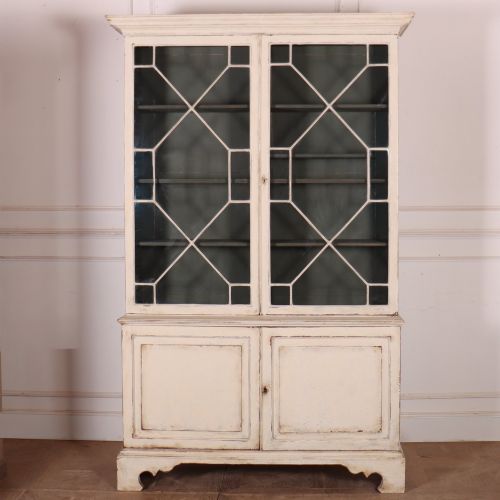
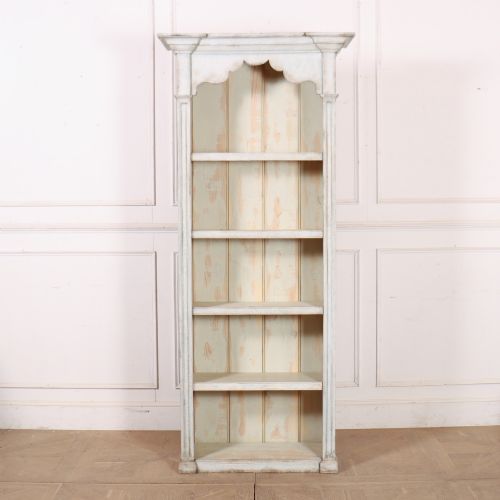
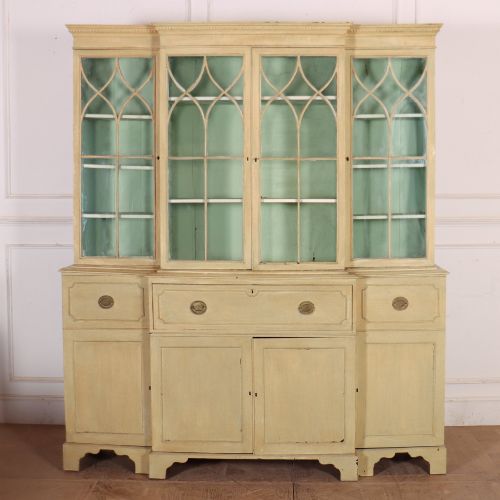

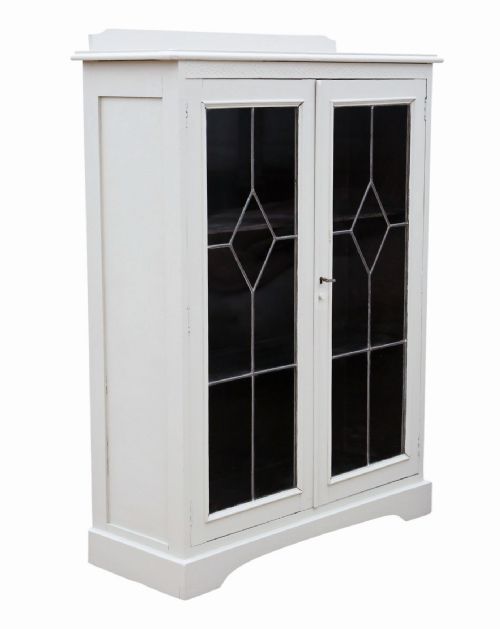





Vintage White Display Cabinet
A vintage white display cabinet brings light and presence to a room, offering a pale, painted finish that highlights the objects placed inside.
Vintage White Display Cabinet
When searching for a vintage white display cabinet, buyers encounter pieces ranging from eighteenth-century English and French painted bookcases to nineteenth-century Swedish bonnet top cabinets and shop fittings. These items often feature glazed doors or open shelving designed to showcase collections, books, and decorative objects.
The selection includes painted pine and wood furniture originating from various European traditions, including English country, French provincial, and Swedish country styles. Many of these pieces show their age through original or distressed white paint surfaces applied decades ago.
Construction and materials
Makers constructed these cabinets primarily using solid pine, oak, walnut, and other timbers, frequently applying layers of white paint over the wood. Glazing bars hold individual panes of glass in the doors, while brass fittings such as handles and hinges complete the hardware.
Joinery techniques reflect traditional cabinet-making methods of the eighteenth and nineteenth centuries, utilising pegged joints, dovetailed drawer construction, and hand-cut mouldings. Painted finishes were often built up over time, resulting in patinated surfaces that show subtle wear and tonal variation.
Vintage White Display Cabinet Retail Price Guide 2026
Typical asking prices for vintage white display cabinet among the pieces listed under this phrase on Sellingantiques today, from the lower quarter to the upper quarter. They describe what is for sale here now, not the wider market.
Current listings feature pieces spanning the 18th, 19th, and early 20th centuries, executed in pine, walnut, and painted wood.
Evaluating quality and construction
Quality in these cabinets rests upon the proportion of the proportions, the integrity of the original timber frame, and the character of the painted surface. Finer examples retain their early or original painted finish, which holds a softer chalky texture compared to later repainting.
The craftsmanship shows in the weight and clarity of the glass, the smoothness of the drawer action in fitted base sections, and the subtlety of hand-carved mouldings or bonnet tops. Structural stability and untouched backboards distinguish superior pieces from heavily altered ones.
The Vintage White Display Cabinet Glossary
- Bonnet top
- An arched or curved upper section characteristic of certain eighteenth and nineteenth-century cabinets. This architectural feature softens the silhouette of tall wooden furniture.
- Breakfront
- A piece of furniture where the central section projects forward from the flanking wings. This layout creates depth and visual interest in large bookcases and cabinets.
- Glazed
- Fitted with glass panels in the doors or sides to protect contents from dust while allowing visibility. It remains a defining feature of display furniture.
- Shop fitting
- Heavy-duty commercial furniture originally built for nineteenth-century retail environments, such as chemists or drapers. These pieces are valued for their robust construction and numerous drawers or compartments.
- Credenza
- A low cabinet or sideboard, sometimes featuring mirror backs or decorative panels. Originally used for serving food or displaying plate, it offers wide surface storage.
Vintage White Display Cabinet: Frequently Asked Questions
How do I clean the painted finish?
Dust the surface regularly with a soft, dry cloth to prevent dirt accumulation on the painted wood.
Avoid chemical cleaning products and excessive water, which can damage aged paint layers and underlying timber.
Can these cabinets support heavy books?
Most antique pine and hardwood cabinets feature sturdy shelving designed for storage, but the thickness of the wood determines load capacity.
Heavier volumes sit best on lower shelves supported by fixed wooden bearers rather than adjustable metal pins.
How do I date a painted cabinet?
Examine the construction methods, tool marks on the interior timber, and the composition of the paint layers.
Hand-cut screws, pegged joinery, and naturally aged craquelure in the white finish indicate earlier nineteenth or eighteenth-century origin.
Are the glass panes original?
Look closely at the glass for tiny air bubbles, slight waviness, and minor surface imperfections typical of older manufacturing techniques.
Modern replacement glass appears perfectly flat and lacks the optical distortions found in period panes.